


 한국어
한국어  English (UK)
  Русский
  العربية
  日本語
日本語  Magyar
  Türkçe
  Español
  Čeština
  Svenska
  Português
  Ελληνικά
  Suomi
Suomi  Nederlands
  Română
  Italiano
  Français
  Polski
  Українська
  Deutsch
  简体中文
简体中文  Slovenčina
  레크리에이션 보트 타자를 위한 10가지 친환경 관행 - 친환경 보트 타기 팁">

Choose a fuel-efficient propulsion option and minimize idle time to cut fuel use by up to 30% on short trips. An outboard or sterndrive with modern electronic fuel injection, a high-efficiency propeller, and a well-tuned hull delivers better mileage at cruising speeds of 15–20 knots. Plan routes so you glide instead of idling at the dock, and coast whenever safe to reduce revs. This practical move is a clear first step that saves money and lowers emissions for ones on board.
Be mindful about onboard waste and cleaning products. Pack a dedicated waste bag for each person, and bring enough extra bags for return. Use reef-safe, phosphate-free cleaners and wash gear away from shore to prevent graywater from concentrating near sensitive habitats. Rinse rags in a contained basin and bring them ashore for proper disposal. A resource like stockadobecom hosts checklists you can print before a trip; you can also use a link to local port rules and July events to stay aligned with community efforts.
Anchor and moor in a habitat-friendly way. Use designated moorings over bottom anchoring when possible, located away from seagrass and coral beds, and maintain at least 30–50 meters of clearance to sensitive zones; monitor swell to avoid dragging. If you must anchor, choose a sand patch and use a Danforth or plow anchor with a 7:1 scope to hold in wind and current, not brute force. This approach limits sediment resuspension and protects life along the harbor fields.
Power on board with clean energy. Install 100–200 watts of solar panels on the cockpit bimini to offset lighting and electronics; use efficient LEDs and battery-management strategies to extend a weekend outing. A simple rule of thumb: if you need more than 50% of the boat’s lighting after sunset, upgrade the battery bank and add portable panels. This approach reduces generator use and supports long-term reliability for the operator on trips near coastal ecosystems.
Maintain your engine and equipment to prevent leaks. Check fuel lines for cracks, replace aging hoses, and use a fuel separator to keep fuel from contaminating bilge water. Keep a spare drip pan on deck for quick catchment of spills and hold used oil until you reach proper facilities. Maintaining a clean mechanical space helps keep water near port clean, and it protects fields of life along the shoreline.
Share what you learn with fellow boaters. A quick briefing for your crew–especially the ones new to green boating–encourages mindful choices. Join local samboat gatherings or operator-led tours at your port 그리고 events to learn about local rules and best practices. The love of the water grows when people work together to protect the resource at the heart of every voyage, near busy harbors and quiet inlets alike.
Keep a simple checklist on board to remind you of the practical steps: mindful waste, link to local guidelines, and keep a resource list for quick reference. The goal is to make eco-friendly boating a routine, not an afterthought, and to ensure that every port visit and field trip stays clean for future generations. July and other events offer opportunities to learn more and connect with other boating lovers who share the same love for the water.
Practical eco-friendly boating actions for on-water sustainability
Carry a reusable flask and refill bottle from shore taps, avoid single-use plastics, and dont litter overboard; this simple habit reduces litter and protects coastal waters used by snorkeling, fishing, and resort visitors alike, like day-trippers from nearby towns.
Plan propulsion for efficiency: run at the lowest practical speed, keep the hull clean to reduce drag, and inspect fuel tanks for leaks; refuel only at trusted stations to minimize fuel burn and emissions.
Harnessing solar panels or a compact wind charger lets you keep running electronics without idling the main engine; in july, when sunshine is abundant, this approach works best for coastal coves and international trips.
Waste handling keeps bays clean: store all waste in sealed bags, transfer to marina trash or recycling, and keep greywater in onboard tanks until you reach proper facilities; the easiest way to cut emissions is to run essential electronics on solar, and always use the shower facilities ashore for cleaning rather than washing overboard to avoid contaminating water.
Personal care matters: use reef-safe sunscreen and biodegradable soap; rinse dishes with minimal suds; never pour oils or solvents into the water; these steps reduce harmful effects on marine life and keep fishing grounds healthy.
Wildlife and fishing etiquette: maintain distance from seabirds, turtles, and dolphins; follow local fishing rules; dispose of lines and hooks to prevent harmful effects; choose biodegradable tackle to minimize lasting impact and avoid litter.
Join on-water cleanup events organized by marinas or international clubs to boost impact; carry a brown bag to collect debris and share tips with others aboard your vessel; the wolfe guide notes this approach for building responsible crews; if you bought gear, verify it is reef-safe and offer practical tips to ones who join next time; the small steps you take today become a difference over the years.
Track your progress with a simple log: record fuel use, litter avoided, and days spent with clean power; this helps you become more efficient and motivates crew and guests to keep protecting the water year after year.
Reduce fuel use; minimize engine idling
Turn off the engine when stationary for more than a minute and rely on wind, current, or anchors to hold position. Use shore power or battery banks to run critical systems instead of idling the main engine. This switch will cut fuel use, reduce emissions, and protect precious ecosystems around busy harbors.
- Plan charters to minimize transit time and idle hours. Build routes inside mpas and wind windows, stay slow, and use the same approach across the fleet; for the largest fleets, this can shave tons of fuel and money from each season.
- Anchor when safe to avoid thruster use; this protects underwater habitats and keeps chemicals out of the water. An anchor setup takes less fuel and reduces engine wear for the operator and crew.
- When in home ports or marinas with shore power, plug in and run refrigeration, chargers, and electronics on shore power rather than keeping the engine running. This comes with immediate fuel savings and shorter maintenance cycles.
- Keep tanks and fuel systems clean: use high-quality fuel, replace filters, and avoid contaminated fuel that causes rough idling. A clean burn means fewer stops to service engines bought for reliability and longevity.
- Use slow docking and wind-assisted maneuvering where possible. This reduces revs, lowers fuel burn, and helps you avoid unnecessary idling during line handling. Others in the same marina notice the difference quickly; you will too.
- Install an idle shutdown or rpm limiter; this takes the guesswork out of when the engine should stay running. The operator says the settings pay back in fuel saved and reduced noise in nearby homes.
- Monitor your fuel tanks and consumption with simple gauges or apps; this article suggests recording idle hours and comparing before/after results. The same data helps crews of charters plan better and track progress over seasons.
- Choose locally sourced solutions to replace short city trips with land transport when feasible; for example, some fleets bought electric tugs or small electric chargers to minimize in-water engine use. This reduces loads on the largest engines and supports local economies.
- Use visuals from stockadobecom to illustrate best practices for mooring, wind use, and anchoring; the iconography helps crews apply the same steps on each vessel.
- Communication: set clear expectations from the crew and clients; say, want to cut fuel use, share the same goals, and track results with weekly reports. The article outlines examples of how plans come together and how charters can coordinate to reduce idling across fleets.
By focusing on planning, holding position with anchors and wind, and using shore power, operators reduce fuel burn on tons of movements each season. The approach takes small steps now; the long-term payoff helps ecosystems, reduces costs, and keeps home ports peaceful for residents and visitors alike.
Plan routes with favorable winds and currents; cruise at steady RPM
Plan routes with favorable winds and currents and cruise at steady RPM to cut fuel burn and emissions, protecting water quality and the health of the harbor communities around you. This small, vital habit benefits regular boaters and could also boost performance during regattas.
- Forecast-driven routing: check a 6–12 hour wind and current forecast, then choose a path that uses a favorable wind angle and a steady current flow; around shoals or islands, follow channels where current adds speed rather than fighting headwinds; post the route and results on your site to build a practical data link for others.
- Steady RPM practice: set a steady RPM that keeps speed stable and reduces torque bursts; although wind and load shift, adjust trim and ballast to maintain the same pace; log the gallons per hour at that RPM to identify the most efficient band for your boat and load; this approach helps reduce fossil fuel burn and keeps the engine running well.
- Data-driven optimization: record data from each leg (RPM, speed, distance, fuel, weather) and calculate miles per gallon and liters per nautical mile; enough data allows you to compare routes and pick the most efficient one for future cruises and small runs.
- Waste-minimizing and plastic-free habits: park plastics; pack plastic-free gear; bring drink bottles and Cups that you reuse; dont rely on disposable cups; hold waste in a compact bin and park it at the next dock or shore facility; avoid plastics that might end up in the water and harm wildlife; fishing boats nearby? keep distance and communicate to avoid conflicts.
- Health and safety on water: keep a comfortable, safe, low-wake speed when near shorelines or docks; this reduces harmful emissions and protects health of both people and wildlife; the same approach also minimizes noise that disturbs wildlife during a regatta or a calm afternoon sailing.
- Crew engagement: batting around route ideas and speed plans with your crew leads to better decisions, making small improvements; a quick link to share the plan could help everyone participate; participate actively, and consider the preferences of the small crew on long passages; Keep the crew well informed to align around common goals.
Use marine-safe cleaners; adopt non-toxic coatings
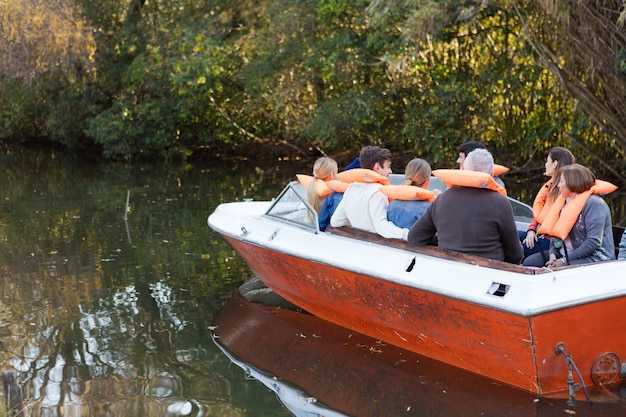
선박 유지 보수 시 해양 안전 세척제 및 무독성 코팅제를 선택하여 갑판과 선체 청결을 유지하십시오. 이러한 접근 방식은 수질 오염 물질 유입을 최소화하고, 산호초와 연안을 보호하며, 더 깨끗한 해양을 위한 항구 및 국제 표준을 준수합니다.
청소 작업을 시작하기 전에 제품이 해양 안전한지 확인하고, 생분해성 제형을 선호하며, 물에 오래 남는 인산염이나 용매가 없는지 확인하십시오. 유출수가 바다에 도달하는 것을 피하기 위해 갑판이나 전용 플랫폼에 헹굼 스테이션을 사용하십시오.
코팅: 독성이 없고 VOC가 낮은 선체 및 갑판용 옵션을 선택하십시오. 깨끗한 도구를 사용하여 적용하고, 제조업체의 지침을 따르고, 항구 정박 시 육상 기반 유지보수 기간 동안 재코팅을 예약하십시오. 이 플랫폼을 통해 선박 승무원들은 선체를 매끄럽게 유지하고 저항과 연료 소비를 줄이는 일정을 공유할 수 있습니다.
역할 및 책임: 이사장은 조달 및 교육을 승인하고, 운영자는 수상 작업 조정을 담당하며, 선원 및 다른 사람들은 함정 내에서 일상적인 절차를 따릅니다. 항구를 출발하기 전에 모든 폐기물과 용기가 안전하게 고정되었는지 확인하십시오. 폐기 지침이 제공되었습니다.
함대 및 해안 지역 사회에 미치는 영향: 친환경 세척제는 국제적 영향을 줄이고 산호초 근처의 오염을 줄이며 레이싱 및 임대 규정을 준수합니다. 세척 루틴의 간단한 변경은 배출량을 줄이고 세척 관련 폐기물을 줄이며 자원을 보호하고 항만 당국과의 좋은 관계를 유지합니다.
휴가용 임대선: 선박이 해안에서 해안으로의 여정을 통해 손님을 태울 때, 운영자는 탑승 중 교육을 제공하고, 실시간 시연을 보여주며, 세척제 및 코팅제의 안전한 취급을 강조해야 합니다. 그 결과 손님에게 더 안전하고 깨끗한 경험을 제공하고 보다 지속 가능한 휴가를 만들 수 있습니다.
선내 쓰레기 발생을 최소화하고, 쓰레기는 가져나가세요.
쓰레기는 밀봉된 가방에 넣어 육지로 가져가 폐기하십시오.
음료를 마실 때는 재사용 가능한 병과 스테인리스 플라스크로 바꾸고, 갑판에 쌓이는 일회용 플라스틱을 피하며, 보충 후 용기를 헹궈 냄새를 줄이세요.
항해 전 점검 목록에 간단한 폐기물 관리 계획을 포함하십시오. 병, 플라스틱, 유기물 및 일반 폐기물을 위한 용기를 표시하고, 정기적인 간격으로 쓰레기를 수거할 선원을 지정하십시오.
쓰레기를 줍기 전에, 변위를 방지하기 위해 물건을 고정하십시오. 해안 시설에 도착할 때까지 갑판 아래의 지정된 가방에 폐기물을 보관하십시오.
마리나 규칙 및 지역 지침을 준수하십시오. 일부 항구에서는 육상 시설에 도착할 때까지 폐기물을 보트에 보관해야 합니다.
바다에서의 시간은 규율을 요구합니다. stockadobecom에 이미지와 팁이 포함된 빠른 게시물을 게시하여 대학 파트너 및 요트 클럽을 참여시키세요.
요트 여성 리더십은 승무원 및 손님과 협력하고, 갑판을 깨끗하게 유지하고 프로세스에 포괄성을 높이기 위해 업무를 교대할 수 있습니다.
7월에 세이셸을 방문하는 동안 미끼와 낚시 장비를 위한 추가 밀폐용 지퍼백을 가져가세요. 낚싯줄을 안전하게 고정하고 마리나 폐기물 처리 시스템을 계획하세요.
오늘부터 일상적인 점검을 시작하면 낭비를 줄일 수 있습니다. 매일 점검하고 다른 사람들이 미래의 항해에서 따라갈 수 있는 로그를 유지하세요.
느린 처리, 신중한 적재, 그리고 신중한 분류는 갑판과 야생 동물을 보호합니다. 매우 실용적인 이 접근 방식은 배 안에서 큰 차이를 만들어냅니다.
| Action | 실용적인 단계 | 참고 |
| 폐기물을 봉인하고 보관합니다. | 밀봉된 봉투에 포장 | 열에서 멀리 보관하십시오; 육지에 폐기하십시오. |
| 재사용 가능한 컨테이너 | 음료를 위한 병과 플라스크 | 정기적으로 보충하십시오. 일회용품 사용을 피하십시오. |
| Bin labeling | 갑판 위의 빈에 라벨을 붙이세요. | 분리된 병, 플라스틱, 유기물 |
| 폐기 계획 | Stockadobecom 게시글; 연습 공유 | 각 항구에서 현지 규정을 따르십시오. |
배수 및 유출물을 관리하고, 유출 키트를 준비하십시오.
유출 방지 키트를 준비해 두고, 만약 선수가 디젤, 오일 또는 기타 탄화수소 성분을 나타낼 경우 모든 선원들이 즉시 사용하는 훈련을 시켜야 합니다. 오일 전용 패드, 범용 흡착제, 흡착 튜브, 폐기물 봉투, 그리고 청소용 작은 삽을 포함하는 키트를 선택하십시오. 펌프 근처의 명확하게 표시된 평평한 장소, 또는 거친 바다에서도 쉽게 접근할 수 있는 갑판이나 잠금장치에 배치하십시오. 옵션을 검토하고 귀하의 보트 크기에 맞는 것을 선택하십시오. 이 훌륭한 구성은 수질을 보호하고 선원들의 노출을 줄이며, 바다의 관리인인 선원들을 보호합니다.
물이 엎질러지는 것을 방지하려면 정규 인증 분리기 통과 및 밀폐 경로 펌프 사용을 통해 빌지수를 배출하십시오. 제한 구역에서 기름진 빌지수를 절대 선외로 배출하지 마십시오. 해안 경비대는 MARPOL 지침 및 지역 규정을 준수할 것을 지시합니다. 수질 보호에는 원정 임대 또는 데이 보트 여행에서 운영자부터 손님까지 선내 모든 사람이 참여해야 합니다. 이것은 선택 사항이 아닙니다. 책임감 있는 관리자의 일부입니다. 간단한 유출 대응 계획을 수립하고 분기마다 연습하십시오. 그리스 항구에서는 항구 직원이 선원들이 유출을 신속하게 처리할 것으로 기대합니다. 디젤 누출 및 빌지 펌프 고장에 대한 백업 계획을 고려하여 더 큰 배출을 방지하십시오. 신속한 청소로 인해 과거에 피했던 벌금이 이 접근 방식의 가치를 보여줍니다.
Materials matter: 오일 전용 흡수재와 수분 흡수를 최소화하면서 탄화수소를 타겟으로 하는 양말을 선택하세요. 성능 저하를 방지하기 위해 방수 용기에 키트를 보관하고 6개월마다 재고를 교체하세요. 소형 텐더용 소형 키트부터 대규모 키트까지 다양한 옵션이 있으며, 옵션이 접근 가능하도록 엔진룸에 백업을 보관하세요. 승무원은 매월 훈련에 참여하고, 수립된 계획을 사용하여 격리 및 청소 연습을 해야 합니다. 햇볕이 좋은 날 갑판 청소를 할 때는 피부를 보호하기 위해 자외선 차단제를 준비해 두세요. 유출을 줄이면 환경을 보호하고 항해의 탄소 발자국을 줄일 수 있습니다.