


 日本語
日本語  English (UK)
  Русский
  العربية
  한국어
한국어  Magyar
  Türkçe
  Español
  Čeština
  Svenska
  Português
  Ελληνικά
  Suomi
Suomi  Nederlands
  Română
  Italiano
  Français
  Polski
  Українська
  Deutsch
  简体中文
简体中文  Slovenčina
  Yacht Charter Thailand – Bareboat Rentals for Sailing Holidays">

プーケットまたはクラビで7〜10日間のベアボートチャーターを予約して、海岸線沿いの入り江やラグーンの入り江へのアクセスを確保しましょう。 安全確認済み 用具一式、最近のメンテナンス記録、沿岸沿いの既知の目的地や停泊地を結ぶ明確な航海計画を用意すること。実用的なナビゲーションアプリと組み合わせれば、毎日の航行距離を無理のない範囲に抑え、日没後の荒れた海域の通過を避けることができる。そして、どこに sail 目的地間.
乾季には、, 風、概して 10~20ノットの範囲で、礁、マングローブ、石灰岩の海岸線に沿った快適な日帰りセーリングが可能です。 outboard 手軽な上陸に便利なディンギー、そして convertible 午前中のホップで涼むために、トップまたはシェードオーニングをご用意ください。荷造り クッション性 コックピットの座席と分厚いものがいくつか towels デッキでくつろぐために、安全装備、ライフジャケット、浮き輪が常に手の届く場所にあることを確認してください。.
プーケットからクラビに至る港町には、地域の交易と文化交流の歴史が反映されており、市場には新鮮なシーフードや沿岸料理が並びます。賑やかな港から人里離れた入り江まで、さまざまな目的地があり、シュノーケリング、カヤック、またはただ海岸線に沈む夕日を眺めることができます。海峡を越えたマレーシアは、このルートに国境を越えた風味を加え、注意深い計画と現地のガイダンスがあれば、より長い周遊も検討するよう誘います。.
船上での快適性を最大限に高めるために、軽量の衣類、リーフセーフの日焼け止め、ゲストの人数分のタオルをご用意ください。船上での食事のために、小型のコンロ、基本的な調理器具、停泊中のタイ料理を豊かにするスパイスキットなど、実用的なギャレーを用意しておきましょう。航路に沿って、入り江で休憩を取り、泳いだり、ストレッチをしたり、マリーナ施設や燃料ドックで給水タンクを満タンにしたりする計画を立てましょう。.
バランスの取れた計画のためには、パンガー湾のラグーンの景色、ピピ島の周りの穏やかな水路、そしてライレイビーチ近くの静かな入り江に焦点を当てましょう。フレンドリーな湾での短いホップと宿泊は、ボートの操縦に慣れるのに役立ち、晴れた朝の長い航海では、自信を持って新しい目的地を探索できます。帰港する頃には、タイのセーリング文化、海岸の時代を超越した魅力、そしてクルーと共有した思い出を肌で感じることができるでしょう。.
タイのベアボートチャーターを計画するための実用的なステップ

タイのベアボートチャーターを予約する前に、資格のあるスキッパーを雇うか、認められた航海資格を保持していることを確認してください。. これにより、ナビゲーションと現地の規則が明確になり、乗組員は景色とセイリングに集中できます。.
景色の良い群島の中で穏やかな拠点を選び、最初の外出では単一のクラスターを中心にルートを計画しましょう。プーケット、クラビ、またはトラートのゲートウェイから出発し、混雑した人気スポットを避けながら、クリスタルクリアなターコイズブルーの入り江やシュノーケリングスポットを楽しめる3〜4日間のループを計画してください。.
広々としたキャビン、日帰り旅行に適した快適な座席、信頼できる船外機付きテンダー、そして実用的なトイレなど、設備が充実したボートを選びましょう。船体、リグ、安全装備が最新であることを確認して、水上でも自宅のように感じられるようにしましょう。.
provisions は、リフレッシュと重さのバランスが取れている必要があります。適度なアルコール飲料、ボトル入り飲料水、および保存食を含めてください。9月の暑さの中では、冷たい飲み物をクーラーに保管し、日陰と扇風機を利用し、リーフセーフの日焼け止めとスナックを安定的に供給してください。.
安全対策と点検で計画を万全に:乗船者全員分のライフジャケットを確認し、VHF無線をテストし、救急キットと消火器を用意しておきましょう。燃料、水、船外機のスペアパーツを確認し、すべての区間がスムーズに進むように。.
ターコイズブルーの湾とクリスタルクリアな海でのシュノーケリングスポットと投錨地を地図に示します。穏やかで快適な旅にするために、保護された停泊地を利用して2〜3回のホップを計画し、群島での時間を最大限に活用しながら、地元のサンゴ礁を尊重してください。.
天気や乗組員の体力に合わせて、スケジュールは柔軟に対応できるように。風が強くなったら、帆を縮小するか、近くの穏やかな入り江を選びましょう。時間に追われずにデッキで食事を楽しめるよう、遊び心のある上陸の夕べを加え、夕暮れ時に混雑した港から出港するのは避けましょう。.
事務処理と許可については、オペレーターにご確認ください。免許要件、保険、港湾使用料などを確認してください。オペレーターは、簡単なチェックリストと引き渡し前のウォークスルーを提供し、さらに出発前に燃料補給と水の補充に関するガイダンスを提供する必要があります。.
最後に、初日はデッキとサロンでくつろげるような拠点を作ることを想定して計画しましょう。コンパクトな持ち物リストを作りましょう。薄手の衣類、リーフセーフの日焼け止め、コンパクトな工具キット、トイレと船外機のスペアパーツ、そして島巡りをしながら簡単な食事がしたい場合は、小型の調理器具キットを。.
ルートを選択してください:プーケット、ピピ島、クラビ、シミラン諸島
プーケットから時計回りに、ピピ島、クラビ、シミラン諸島へと巡る航海は、入り江の穏やかさと沖合への航海のバランスが絶妙です。どの航路も、石灰岩の崖、ターコイズブルーの入江、白い砂浜など、変化に富んだ景観を見せてくれます。.
快適な船内レイアウトと実用的なミドルキャビンを備えたJeanneauのヨットをレンタルしましょう。デッキのコックピットは、仲間との食事や日光浴に最適で、設備の整ったサロンは、皆様の繋がりを保ちます。プーケット国際空港から拠点までの送迎を手配し、スムーズなチャーター開始をお約束します。.
プーケットは、ロイヤルプーケットマリーナやヨットヘブンマリーナなどのマリーナへのアクセスも容易で、便利な町の拠点となります。そこから、ピピ島への最初の航海は、短く保護された水域にとどまるため、落ち着いて次の動きに備えて身軽に荷物をまとめることができます。.
ピピ島には、手漕ぎボートで探検できるドラマチックな岩場や入り江があります。トンサイ湾やローダラムに停泊して、展望台まで散策したり、上陸して夜を楽しんだりしてから、さらに旅を続けましょう。また、休暇をデッキで過ごしながら、リーフでの体験のためにダイブマスターインストラクターがクルーに加わることも可能です。.
クラビでは、アオナンとライレイが素晴らしい停泊地と海岸へのアクセスを提供し、近くの洞窟やマングローブへの短い移動が可能です。中間の海域は、風の影響を受けにくい通路と長めの移動が組み合わさっており、地元の海洋生物を発見しながら、セールの調整や風に対する意識を磨くのに最適です。.
クラビからシミラン諸島へは、透明度の高い海で最高のシュノーケリングとダイビングが楽しめます。穏やかな海況と良好な視界が期待できる11月から4月がベストシーズンです。シミラン諸島の後は、冒険を続けるために、コ・ランタへ南下することを検討してみてください。帰国便に乗る前に、陸に上がりたい場合は、陸路で町に戻ることも可能です。.
コ・ランタ島は、穏やかなビーチ、手軽なビーチ散歩、混雑したルートから離れた島での生活を味わえる、南部への延長オプションを提供します。ルートの変更に備えて荷物を軽くまとめ、島や町間の陸上輸送を簡素化するために乗り換えを利用しましょう。この柔軟なスケジュールにより、休暇はリラックスしたものとなり、後の区間でギャップを埋めたり、天候や潮流に合わせて計画を調整したりしながら、セーリングと陸上での時間を完璧なバランスで楽しむことができます。.
時間を最大限に活用するために、コンパクトな荷物で到着し、必要に応じてコ・ランタ島またはプーケット島で調達し、オンデマンドのマリンサービスと連携してください。レンタルには、きめ細やかなサポート、マリーナへの半径アクセス、セーリングホリデー中に特別な水中体験ができるダイブマスターインストラクターの追加オプションが含まれています。.
| Leg | 概算距離 (海里) | 最高の拠点/港 | 備考 |
|---|---|---|---|
| プーケット発ピピ島行き | 18–22 | プーケットのマリーナ:ロイヤル・プーケット・マリーナ、ヨット・ヘブン・プーケット | 短く安全なホップ、プーケットで補給、早期順応に最適 |
| ピピ島からクラビへ | 28–35 | アオナン、それともライレイビーチ? | 風光明媚な海岸線、洞窟や入り江へのディンギーアクセス、送迎あり |
| クラビからシミラン諸島へ | 90–110 | アオナン/クラビを拠点とするシミラン諸島への係留地 | 長距離航海;天候の安定期を計画;ダイブマスターインストラクターは任意 |
| シミラン諸島からプーケットへ | 75~100 | プーケットのマリーナ | 復路;最終補給の準備;素晴らしい海岸線の景色 |
Verify skipper qualifications and crew requirements for Thai waters
Verify skipper qualifications and crew requirements with your broker before you book. Request copies of licenses, endorsements, and medical certificates for the skipper and each crew member. Confirm the skipper holds a thai license or an internationally recognized certificate (for example, RYA Yachtmaster Offshore or ICC) and that they have recent coastal sailing experience in thai waters, which covers routes around phuket, krabi, and the surrounding coastline.
Choose a skipper with hands-on experience in the Andaman Sea’s southwest coast near phuket, krabi, and lanta. Ask about familiarity with hong island, sand banks, and calm anchorages along the world-famous coastline. Ensure they can handle day-to-day operations on sailboats or catamarans and manage weather changes in monsoon seasons.
For crew, specify the minimum: one licensed skipper plus a decker for larger boats; for catamarans carrying eight or more guests, require an additional crew member. Clarify roles such as watchkeeping, lines handling, provisioning, and safety briefing to keep the crew cohesive during charters.
Thai regulations require that every voyage under thai flag has a designated skipper. The charter should confirm the boat’s flag and registration and clearly show who will be on board for each leg of the trip. If you choose bareboat options, alternatively ensure a qualified skipper is included or arrange one through the operator.
Safety equipment and checks matter: ensure a full set of life jackets, a throwable, VHF radio, GPS, fire extinguishers, and a liferaft. Check holds for spare parts, fuel, water, and provisioning. Review the safety briefing and emergency procedures before departure. Some charters also include a separate safety drill at the outset.
Transfers and access play a big role in Thailand charters. Plan transfers from phuket or krabi airports to the marina, and confirm if the operator provides transfers or recommends trusted providers. Verify access to nearby anchorages on a plan that includes hong island, the surrounding islands, or a stop at kawthaung if overland border trips are arranged. For those sailing from lanta, ensure the route lines up with sea conditions and daylight hours.
Alcohol policy on board matters too. If the skipper is on watch, limit alcoholic beverages and avoid consumption during critical maneuvers. Some fleets allow moderate drinking when at anchor or in calm seas; ensure the contract states the policy clearly to prevent misunderstandings during charters at world-famous destinations along the coastline.
Select the right yacht size and rig for your itinerary and crew
Choose a 40–44 ft monohull with a fractional sloop rig for 4–6 guests on a week-long Thailand itinerary. This size balances easy handling, quick reefing, and two comfortable cabins with a saloon that can sleep an extra guest, ideal for coastal hops around Phuket, Phang Nga, Krabi, and Phi Phi destinations.
If you value more living space and a steadier ride for a larger crew, select a 44–50 ft catamaran with a wide lounge deck, two heads, and a shallow draft for anchorages along the Similan Islands and the coastline. In Thai charter fleets you’ll see Bavaria sailing models widely, and for luxury touches bilgin options sometimes appear in the high-end segment. Ensure the included gear covers a dinghy with outboard, snorkeling gear, and a full galley set.
Rig choice depends on your plan and experience. A fractional sloop suits most itineraries, offering easy reefing and predictable handling. If your crew includes a few seasoned sailors, a cutter rig adds staysails for flexibility in lighter winds. For longer passages or a larger group, a ketch can ease watches, though it adds complexity in sail handling. Look into sails and rigging as you map each day so you can sail between bays with confidence.
Plan routes with arrival logistics in mind. Most travelers fly into Phuket or Bangkok and connect to Phuket or Krabi airports; keep a day for packing, provisioning, and crew briefing. Upon arrival, the dinghy with outboard helps you reach small bays and anchorages along the coastline. The charter includes life jackets, navigation gear, VHF, and spare parts; pack a compact wardrobe, reef protection, and a small first-aid kit.
In summary, match yacht size and rig to the number of crew, your planned legs, and comfort level. For the November winds along the Andaman coast, a 40–44 ft sloop or a 44–50 ft catamaran handles day sails and anchor stops well. Consider destinations such as Phuket, Krabi, Phang Nga, Similan, and even a Myanmar route if you extend your trip. A well-chosen charter becomes a haven for sailing holidays, offering freedom to sail into quiet bays, look into new coastlines, and enjoy a smooth arrival.
Understand licensing, insurance, and safety equipment needed on board
Verify licensing and insurance with your rental company before you sail. Bareboat rentals require a certificate of competency or a skipper supplied by the operator, and the company will confirm you are able to operate in the areas you’ll be exploring along the west coast, from crowded anchorages near lanta to soft coves near phang. The process references malaysias maritime guidance and local authority rules, and the operator will provide a clear checklist as part of your year-long trip, together with guidance on safe communication and weather planning.
- Licensing and crew requirements: The rental company will verify that you hold a recognized certificate (for example, ICC, RYA Coastal Skipper, or local equivalents) or that you hire a licensed skipper. When you sail among city harbors and in crowded areas, the skipper’s local view helps you navigate safely and respond quickly to changing conditions in soft seas.
- Insurance: Ensure hull and liability coverage for the vessel and passengers, including medical costs, and confirm who is named on the policy. Ask about coverage during june and the peak weather windows, and keep a copy aboard for quick reference. Check whether the plan also covers temporary losses of use and emergency evacuations.
- Safety equipment: Your on-board kit should include life jackets for every passenger, with sizes for adult and kids; have enough seats and beds in case of a move; a throwable flotation device; a VHF radio or satellite communication unit; a first aid kit; fire extinguishers; signaling flares; navigation lights; a bilge pump; anchor gear with adequate chain and rode; spare anchor; and dry bags with spare batteries and tools. Ensure all gear is in good condition for calm or heavy seas, and test the devices before departure.
- Accommodations and comfort: Confirm beds and seating arrangements–most rentals offer twin cabins plus the saloon seating for the crew. Verify there is space for adult passengers to sleep comfortably, and check that soft furnishings create a unique backdrop for relaxing evenings after exploring. If wifi is needed, confirm it covers key areas with city view options and stable connectivity near popular anchorages.
- Operational guidance: Do a thorough pre-departure briefing on route options, anchorages, weather margins, and emergency procedures. Map several anchorages as backups in crowded bays, and prepare a simple handover plan with your crew. Maintain clear communication with the rental company and fellow sailors at all times.
Plan provisioning, marina bookings, and port clearance procedures
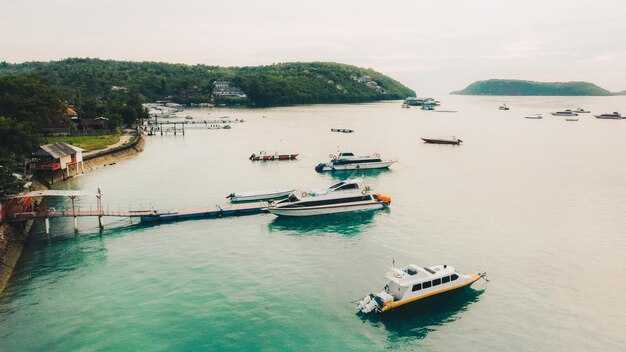
Reserve marina slots and provisioning for your trip at least six weeks in advance, especially during peak season. Book private slips if possible, near fuel docks and markets, and confirm port clearance requirements with Thai authorities before departure.
Use a practical approach that suits both single and larger crews, whether you sail a traditional sailboat or a modern, well-equipped crewed yacht. Focus on a concise plan that keeps accommodation comfortable, en-suite heads ready, and cushioned seats in good condition for an unforgettable cruising experience.
- Provisioning plan
- Count people and beds to determine accommodation needs, then build a menu for the trip that balances fresh items and long-lasting staples.
- Shop by category: dry goods, dairy, meat and seafood, beverages, and ice; choose items that can be stored in a well-equipped galley and protected with cushioned containers.
- Allocate space for en-suite cabins and private stowage; keep enough non-perishables for mid-cruise gaps and less pantry churn during busy sailing days.
- Plan what to buy locally at near markets along the route, prioritizing beautiful, regionally inspired options to enhance the offering for cruising parties.
- Draft a backup list for 2–3 days of extra supplies in case of delayed ports, ensuring there is enough to keep people comfortable on a longer-than-expected leg.
- マリーナ予約
- Identify marinas offering reliable electrical hookups, water, Wi‑Fi, showers, and launderette facilities on your route through sailboats to sailboat charters; prioritize those with easy access to provisioning points.
- Lock in berths six weeks ahead in high season; request private slips or near the fuel dock to minimize movement and fuel stops during peak traffic.
- Check harbor rules for ships with en-suite cabins and ensure dock crew can assist with disembarkation and provisioning; confirm security, pier lighting, and night moves for your crewed or traditional vessel.
- Coordinate with port agents about fresh-water supply, waste pump-out, and stern-to or alongside mooring options to maximize space for a comfortable trip with seats and lounging areas.
- Ask about spare parts and repairs nearby, especially for engines and sails, so you can handle minor issues before they affect the schedule.
- Port clearance procedures
- Prepare a clear ETA and file it with the Harbour Master; provide a crew manifest, vessel documentation, and insurance details to smooth entry when you arrive at a new port.
- Carry all passports, visas as needed, and copies of boat registration; fill out any mandatory customs and immigration forms before landing, and verify if a temporary import permit is required for your sailboat or private charter.
- Submit a current crew list with nationalities and roles; ensure at least one person can speak the local language or has a translator app ready for quick checks.
- Confirm what items you may declare as personal belongings vs. commercially imported goods; declare food supplies only if required by local rules to avoid delays during port clearance.
- Expect port fees and clearance charges to be rated by port authority; keep a small contingency budget in cash and a charged card to cover miscellaneous costs.
- After clearance, keep onboard copies of all documents and maintain a record for each port; this helps when moving to the next stop and reduces time in future checks.