


 日本語
日本語  English (UK)
  Русский
  العربية
  한국어
한국어  Magyar
  Türkçe
  Español
  Čeština
  Svenska
  Português
  Ελληνικά
  Suomi
Suomi  Nederlands
  Română
  Italiano
  Français
  Polski
  Українська
  Deutsch
  简体中文
简体中文  Slovenčina
 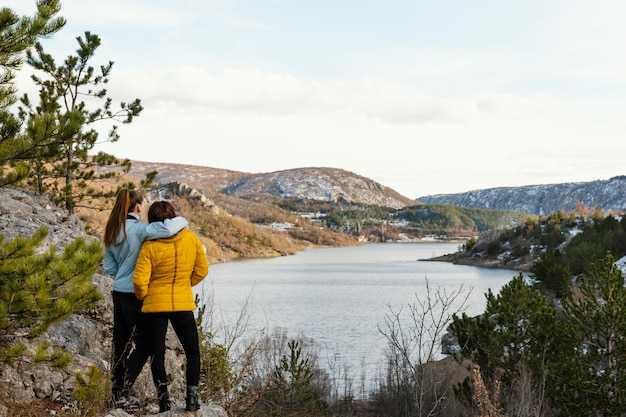 湖のタホ旅行前に知っておくべきこと – 必須の旅行のヒント">

Arrive by 9 am to catch crisp views and avoid crowds. A fixed plan for time windows helps group members coordinate itineraries, reserve parking, and minimize boating queue times. The south shore cluster hosts the largest marina fleet, including electric and gas-powered craft for shorefront excursions.
Elevation sits at about 6,225 ft; sun exposure yields bright days with average highs around 75–85°F from June through September. Surface water temperatures reach about 60–65°F (15–18°C) mid-summer, so lightweight wetsuits are recommended for longer swims. Typical afternoon winds create gentle chop; plan activity windows before 2 pm for calmer waters.
For safety: safety rules require PFDs on all boats, with sizes fitted for every rider. signing must occur before launching at most public ramps; check the subject of the authorization form and whether additional permits are required for groups of four or more. daniel noted that signing up at the ramp desk reduced wait times for a group, and bryan added that the briefing helped clarify rules. Signing is straightforward at ramps.
Sunsets glow coral-pink over the water, offering best views near sheltered bays. For safety, stay within designated swim zones and keep sight of shore; lifeguard presence varies by location, with several monitored zones along the south shore during peak season.
The full planning process includes choosing equipment suited to group size, confirming boat capacities (the largest passenger craft can handle 8–12 people depending on model), and mapping a simple route that stays within a shoreward boundary. For additional flexibility, rent a dual-operator craft or join a guided fleet operated by a friendly provider to maximize learning and safety. Even a novice sailor can manage a small craft after a brief briefing.
Statistical data from local operators show late-morning launches yield 28–35% shorter wait times than afternoon slots. The purposes of an outing include swimming, sightseeing, and photography; operators provide maps that cover popular vantage points along the south shore and include ideas for a full itinerary with swim stops, lunch breaks, and photo opportunities. The maps provided by those operators help plan a full itinerary.
Exclusively follow local regulations; posted signs indicate speed limits, no-wake zones, and environmental guidelines. For a smooth experience, captains should speak a shared language and be familiar with the region; this approach helps reduce risk and enhances enjoyment. daniel and bryan appreciated the briefings that explained navigation rules before setting out.
The article provides help to choose experiences aligned with purposes: float-and-chill sessions, guided tours, or self-paced explorations. The signing process for rentals is straightforward: sign the agreement, present a valid ID, and confirm insurance coverage; additional waivers may be required for minors or large groups.
Lake Tahoe Trip Guide
Book certified powerboats online for early departures; add a guard for safety gear; ensure fuel is topped up and your location is confirmed with the marina team. Pack enough water and snacks, and plan a sheltered cove stop to maximize views.
Snorkel sessions work best in clear mornings. Bring snorkel gear, mask, fins, and reef-safe sunscreen. Coral sightings occur in sheltered bays; keep a light distance from underwater formations.
Daniel’s crew went with an early-morning pull toward a rocky cove and found a protected swim spot near a lighted tower. sailo notes from the captain described this route; This experience made it their favorite leg, yielding memories as the sun rose.
Rentals with certified captains ensure smooth operation; book online, confirm vessel size, and review safety gear in advance to be sure nothing is missed. Packed bags should include a windbreaker, hat, sunblock, and extra water.
Quiet tahoes coves offer protected mooring spots and photogenic views; compare rentals from two operators, and verify requested departure times. A suggested arc includes a wind-sheltered inlet, a calm anchorage for lunch, and a pull to a sandy cove. Enough shade is available near the trees.
Added bonus: bring a small dry bag to keep valuables; online services often provide a callout for maintenance and updates, ensuring you stay prepared. Adventures in the region create memories.
What You Should Know Before Your Lake Tahoe Trip: Travel Tips; Link Gallery
Early booking locks in spots on powerboats and wakesurf runs, especially on weekends. For small groups, shared tours keep price down and offer super value; around fannette there are gold spots with calm mornings and light. Some tours include paraphrased itineraries for quick planning.
Weather windows vary; most mornings offer glassy water suitable for cruising, with breezes building by afternoon. Take a shallow-water route to enjoy coves under pine shade with calm reflections.
Popular spots include fannette island and Emerald Bay, with options for snorkel, floating breaks, and shore stops. Some charters place a sailor aboard, a term locals sometimes spell as ‘sailo’.
There are several fleets offering cruises and tours; powerboats, sailing vessels, and open-water options. Prices vary by duration and vessel, with most experiences priced per passenger and discounts available for small parties. Open-water tours operate only during daylight, and there are special packages crafted for families and groups, with service levels designed to match needs.
Informative notes cover safety gear, snorkel requirements, and what to take aboard: a light jacket, sunscreen, and water. Most excursions will provide life jackets; the selection of gear for beginners feels extremely user-friendly, with steps clearly explained to boost confidence.
Pre-trip Planning Checklist: What to Research and Prepare
Create a ready folder with permits, proof of insurance, and safety gear checks for the planned outing.
Research marina ramp operations, hours, and parking limits; gather fee schedules and access rules.
Compare watercraft options: pontoon, cruiser, and runabout; types chosen depend on family size, friends, and renters.
Safety equipment for every person includes PFDs, a throwable device, a whistle, and lighting; confirm storage into the boat is secure and ready for quick board, when needed.
Verify required licensing and minimum operator ages; define purposes of each participant on board to ensure proper roles.
Statistical notes show peak crowds at popular spots during weekends; planning ever earlier windows or late-afternoon cruises helps avoid the largest concentrations.
Create a group plan: assign a navigator, a lookout, and a contact for events; include kalee and friends, and stay mindful of family safety.
Information packet should include area map, launch location, contact numbers, using official route guidance, recommended routes, and weather forecasts; mark key hazards and safe tie-up spots.
Load plan and provisioning: estimate fuel or charge needs, carry water and snacks, sunscreen, spare parts, and a compact repair kit; keep total weight under the stated limit.
Weather, Seasons, and Altitude: Packing and Timing
Pack a three-layer kit with base, mid, and windproof outerwear for elevations around 6,200 feet, where diurnal swings demand rapid adaptation. Under clear skies, sun exposure is strong; bring SPF 50, polarized sunglasses, and a wide-brim hat. Hydration matters–drink regularly during hours on the water and onshore walks. For wakeboarding and other water activities, include a neoprene top, water shoes, and a dry bag; a captain-led outing provides easy logistics for passengers, with staff offering flexible service options and helping with the process to secure a comfortable schedule. kalee, a local guide, recommends keeping a spare layer in the car when plans include fannette and redondo stops.
- Types of weather you’ll encounter by season: summer highs 75–85°F; nights 40–50°F; autumn 60–75°F; winter 20–40°F; spring 40–60°F. Layering is the key to comfort and easy adjustment on the water.
- Altitude effects: at 6,000–6,300 feet, air is thinner; pace hikes and long boat days with frequent rests reduce fatigue; sip electrolyte beverages to maintain performance.
- Packing by activity and places: carry a compact rain shell, thermal gloves for shoulder seasons, and a dry bag for valuables on iconic spots like fannette and redondo; choose lightweight, quick-dry fabrics to stay comfortable during the day.
- On-water options and pricing: there are duffy vessels and other captained offerings; hours and price vary by route and season; for a birthday celebration, staff can arrange a cake or banner at a scenic stop; extended cruises can be scheduled for larger groups with flexible routing.
- Local tips and planning: the crew handles boarding checks and safety; easy coordination with staff improves flow; kalee, a local guide, shares practical advice on the best times to visit and spots worth a quick stop.
Getting There and Getting Around: Routes, Parking, and Transit
Arrive early to secure parking near marinas and docks, especially on weekends when demand climbs.
Direct routes into the basin start on I-80 from the Sacramento corridor or I-580 from the Reno corridor, with US-50 delivering access to key boat ramps and harbor hubs; CA-267 and CA-28 connect to northern access points for quick excursions to water access points. Check online maps for live detours in winter snow season.
Parking options include municipal lots beside harbors and private lots with shade under pine canopies; most spots offer hourly or daily rates. Typical hourly fees span about $5–$12, with daily caps around $25–$40. Confirm hours and capacity directly at the marina office or online before heading out.
Transit services run year-round, with seasonal shuttles linking docks, village centers, and water access points. Local headways usually 30–60 minutes in peak periods; fares remain affordable, often under $5, and tickets can be purchased online or at stops.
Renters can pick from powerboats, pontoons, and small glass-bottom vessels; most fleets offer 2–6 hour blocks or full-day plans. Hourly rates vary by vessel and demand; reservations are best made online or directly at the marina counter. Bring ID for operators, and note age requirements where applicable.
For scenic perspectives, head toward fannette island; breathtaking shoreline views unfold as vessels glide by. Stay alert for wake zones and propeller hazards in busy channels; always follow posted speed limits and avoid crowded docks.
daniel, staff member, emphasizes safety: life jackets are mandatory for all boardings, weather checks reduce risk, and signage has paraphrased versions at major docks. Shade and shade-enhanced docks offer comfortable spots to pause between visits; water remains the focus, with an awesome mix of boats and boards awaiting online booking.
Groups and renters who’ve been through peak season know options like private charters or bundled rentals can save time; private paddle boards and surf gear fit well for small parties. Most operators offer online check-ins or direct arrival options to streamline access; additional gear like snorkels or waterproof bags can be added as needed.
安全、許可証、および地方規制: 安全かつ合法的に活動するための方法

水上バイクの種類に必要な許可について、地元の海事当局に確認し、出航前に登録を完了させてください。 セールボート、パワーボート、ヨットでの運航の場合、操縦者の年齢、ライフジャケット、航海灯、発信音を出す装置、投げられるPFDなど、州または地方自治体からの指示があることを期待してください。 保護区域でのアクセスおよび燃料補給の営業時間がある場合があります。マリーナや滑走路エリアに掲示されている規則を遵守してください。 乗船する際は、登録書類と安全証明書を携帯することを忘れないでください。 風の突風による爆発の危険が海岸付近で発生する可能性があるため、変化する状況に注意してください。.
適切なレンタルを選択するには、地元の会社に保険、乗務員の要件、未成年者の同意書について確認する必要があります。記念日や誕生日のお祝いについて尋ねられた場合、多くの会社がユニークなパッケージを提供していますが、まず安全基準への準拠を確認してください。 redondoスタッフのkaLeeは、後営業時間でのチェックインや特定のウォータークラフトの機能に対して、追加料金を課す会社があることに注意しています。 有料料金は、プロバイダーと場所によって異なります。 これらのオプションは、容量とニーズによって異なります。グループに適した設備とスペースについて話し合ってください。.
Local regulations emphasize environmental stewardship and safe operation. State rules, plus TRPA guidelines, govern wake zones, speed limits near shore, and seasonal engine restrictions. Compliance prevents penalties and protects wildlife; most fines are issued for failing to wear a PFD or for operating without consent when passengers change. Ask about hours and access limitations; always deliver a plan to the staff before launch.
出発前に、装備の適合性と配置を確認し、無波区域を尊重するルートを計画してください。マリーナの場所が効率的で、明確に標示されており、水上レジャー craft に十分なスペースがあることを確認してください。出力と推進方式は、地域の規則に準拠する必要があります。多くのオペレーターは、事前に料金の支払いが必要ですし、一部の場所では、営業時間外の活動に対して追加料金を適用する場合があります。適切な書類がない場合、係船所事務所でアクセスを拒否されることがあります。準備が重要です。.
| ドキュメント | 発行機関 / 供給源 | Typical Fee | 備考 |
|---|---|---|---|
| 船舶登録 | 州立公園 / 地方自治体 | 0–60 | すべての水上車両に必要。1~3年ごとに更新。 |
| オペレーター安全コース | State Maritime Authority | Varies | 特定の年齢層で必要となる場合があります。証明書を携帯してください。 |
| Marina Docking Permit | Marina Management | チェックイン時に支払い | 賃料に施設が含まれる場合があります。後時間利用の場合、追加料金が発生する可能性があります。 |
| 環境許可 | TRPA / State Agencies | Varies | 制限区域へのアクセスが必要でした。 |
| イベント許可証(特別な機会) | 地方自治体 | Per event | 記念日や誕生日のお祝いなど、集まりの際に |
Link Gallery Access: How to View, Share, and Save Tahoe Photos
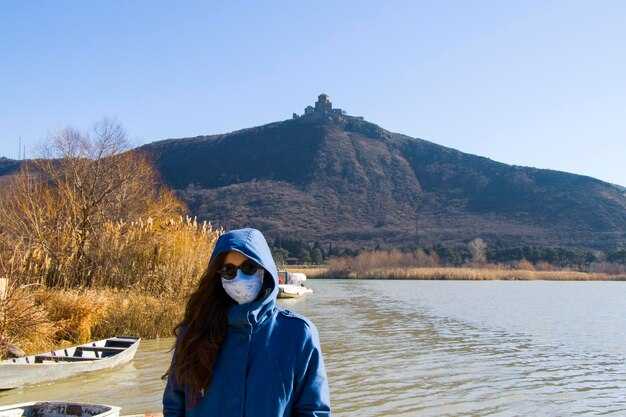
水上での素晴らしいチャーターの後は、オーナーからプライベートギャラリーへの招待状が届きます。このアクセスにより、場所のより大きく、素晴らしい写真を見ることができ、価値ある美しさを捉えた素晴らしい景色を楽しめます。.
リンクを開き、共有に同意し、詳細を調査するために大きなディスプレイに切り替えてください。.
保存オプションには、ダウンロード、プライベートコレクションへの保存、またはデバイスへのエクスポートがあります。高画質のコピーは、ウォールフレームやアルバムに最適です。.
共有は、ダイレクトリンクまたは招待した閲覧者(kaLee、zach、daniel、duffyなど)を通じてプライベートなままです。同意によって、40時間ギャラリーにアクセスできる人が管理されます。.
キャプションのメモは、場所、時間、美しさを説明します。再利用には同意が必要です。また、許可が与えられない限り、特定のショットはプライベートのままになります。.
パフォーマンスのヒント:スピードと機能的なレイアウトにより、忙しい日でもスムーズな視聴を実現します。70~80fの照明下では、正午のショットは暖色調を示し、より大きなビューに切り替えて足元のディテールを検査できます。.
ツアーやチャーターなどのカテゴリーを探索しましょう。知識豊富なクルーが、ビミニ、セーラーの物語、ワインのひとときをカバーし、各ショットがどこで撮影されたかを説明するキャプションでガイドします。.
永続的なコレクションを残すには、プライベートフォルダに保存するか、デバイスにエクスポートしてください。より大きく、ユニークなフレームが、いつまでも続く美しさと思い出を保存します。.
最終リマインダー:同意なしに共有したり、印刷サイズの制限を守ったりして、プライバシーを維持してください。不明な点があれば、所有者に連絡してください。.