


 日本語
日本語  English (UK)
  Русский
  العربية
  한국어
한국어  Magyar
  Türkçe
  Español
  Čeština
  Svenska
  Português
  Ελληνικά
  Suomi
Suomi  Nederlands
  Română
  Italiano
  Français
  Polski
  Українська
  Deutsch
  简体中文
简体中文  Slovenčina
  What to Bring on a Sailing Charter – Your Essential Packing List">

最初の乗船日に備えて、コンパクトで速乾性のあるデイバッグを準備しましょう。. この一般的な構成にすることで、バースで実際に使用するものに焦点を絞り、デッキ間の移動時に重要なものを忘れるのを防ぐことができます。.
服装キットは気候によって変えるべきですが、必要最低限の基本は維持しましょう。速乾性シャツ、軽量フリース、レインシェル、滑り止めシューズです。重ね着はクルーズ中に役立ち、寄港地観光では日差しや風に合わせて調節できます。買い物をする時間がない場合は、船内でアイテムの在庫を確認し、何度も使える高品質なものをいくつか購入することを検討してください。.
日焼け止めはすぐに取り出せるポケットに、SPF入りリップクリームも入れておきましょう。コンパクトなヘッドランプか懐中電灯、ホイッスル、小型の救急セットも忘れずに。安全訓練を繰り返すことで、セーリングのプロトコルに関する知識は深まります。救命胴衣の場所や対応方法を知っておくことは、, especially 夜間点検中。.
電子機器には保護が必要です。ケーブル、アダプター、携帯電話やカメラ用の防水ケースを持参してください。再利用可能なボトル、コンパクトなタオル、アイマスクは、シフトの合間に休息するのに役立ちます。貴重品は、乗組員規定と利用状況に従い、乾燥バッグに入れてキャビネットまたはロッカーに保管してください。海上で生産性を維持できるように、コードや充電器の整理に数分費やすことを計画してください。.
出発前に、乗組員と簡単なチェックリストを確認し、装備が基本的なニーズをすべて満たしているか確認してください。周到な準備は、時間の節約になり、集中力を維持し、セーリングチャーターでの日々をよりスムーズにします。, especially クルーズが混み合う日や、観光に出かける際に。.
セーリングチャーター持ち物ガイド
地中海の風に備えて、コンパクトな防水シェルと暖かいフリースを。跡のつきにくいデッキシューズは、カタマランでもモノハルでも優れたグリップ力を発揮します。.
ワードローブの準備として、毎日着る服を用意しましょう。速乾性シャツ2枚、ショートパンツまたは軽量パンツ2~3枚、長袖のサンシャツ1~2枚、水着、日よけ帽子、防風レイヤーです。重ね着することで、寄港地での観光と沖合クルーズの間で簡単に調整できます。.
安全と装備のリスト:全員分のライフジャケット、ホイッスル、信頼できるVHF無線機、予備のバッテリー、デバイス用の防水ポーチ、基本的な応急処置キット、およびコンパクトなツールキット。彼らはこれらの装備が船上にあることを期待しており、手が届きやすい場所に保管することで安心感を与えることができます。.
ボートに造水機が搭載されている場合は、消費量を記録し、それに基づいて計画を立ててください。港や停泊地での滞在日数を延ばすために、節度を持って使用してください。また、スペースがあれば、予備のフィルターと清潔な給水ホースを持参してください。飲料や軽食としては、早朝のコーヒーや紅茶に砂糖が便利です。長期航海のために、コンパクトで保存性の高いものをいくつか用意しておきましょう。.
常に情報と繋がっていられるように、軽量のラジオ充電器を準備し、オフラインチャートをダウンロードしておきましょう。友人や乗組員と連絡を取り合い、寄港地では地元の業界専門家からのアドバイスに耳を傾けましょう。寄港地間では、シンプルな計画を立てつつも、天候や現地の状況に合わせて柔軟に対応できるようにしましょう。.
港間の小旅行では、魅力的な町を訪れたり、途中で友人と会ったりするために、柔軟なスケジュールを立てましょう。航海時間と、のんびりとした時間、シーフードの試食とのバランスを取る目標を立て、必要に応じて調整してください。.
最後に、パスポート、医療情報、緊急連絡先、小さな港での支払いに必要な現金、そして小さなトラベルキットなど、必需品をまとめたコンパクトな機内持ち込み手荷物を用意しましょう。このパッキング方法は、同様のチャーターでも有効で、カタマランやその他のボートでスムーズにスタートを切るのに役立ちます。.
セーリングチャーター持ち物リスト:実用的なパッキングリストとおすすめの旅行先
まずは、荷物を整理して、一人につきメインのバッグ1つと小さめのデイパック1つ、そして食料やクルーの道具を入れる共有トートバッグを用意することから始めましょう。船上での数時間、すぐに取り出せるように、必需品は個人のバッグに入れておきましょう。.
コア・パッキングリスト
- 荷物と整理:メインバッグ1つ、軽量のデイパック1つ、貴重品用の小型ドライバッグ1つ(名前と地域ラベル付き);衣類の種類別に分けて収納するために、パッキングキューブを使用。.
- 衣類と日焼け対策:速乾性シャツ、水着、薄手のズボン、ウィンドブレーカー、フリース、つば広の帽子、サングラス、サンゴ礁に優しい日焼け止め(SPF 30+)、マイクロファイバータオル。.
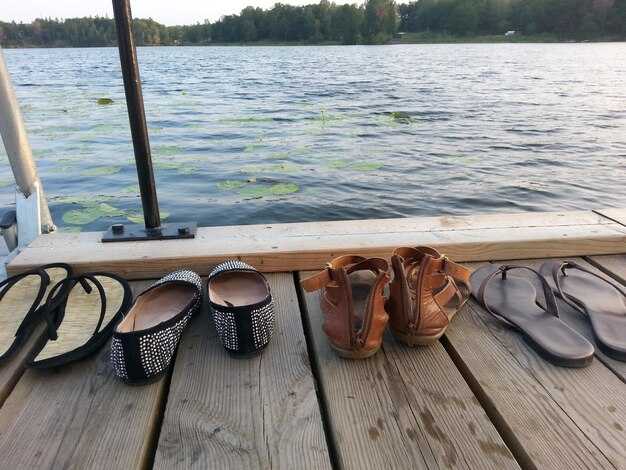
- 履物:滑り止め付きのデッキシューズまたはボートサンダル、上陸用のウォーターシューズ、替えの靴下。.
- アクセサリーと安全装備:必要であれば個人用のライフジャケット、酔い止め薬、小型の救急キット(絆創膏、消毒ウェットティッシュ、ハサミ)、小型懐中電灯、マルチツール。.
- 電子機器と書類:パスポートまたはID、必要であれば操縦免許証、携帯電話のオフラインマップ、防水携帯電話ポーチ、充電器、アダプター、モバイルバッテリー、そしてお好みでコンパクトカメラまたはアクションカム。.
- 健康、ウェルビーイング、衛生:薬、ビタミン、手指消毒剤、ウェットティッシュ、生分解性石鹸、歯磨き粉、歯ブラシ、速乾タオル。.
- 食料とキッチン用品:個人的なスナック、電解質パウダー、コーヒーまたは紅茶用の砂糖、再利用可能な水筒、紅茶またはコーヒーのティーバッグ、および少量のエナジーバー。毎週の食料調達については、乗組員と調整してください。.
- 他に便利なもの:キャビンの合鍵、メモ帳、チップの習慣が不明な場合の会社へのチップに関する相談計画など。.
旅行先のアイデアと荷造りを調整する方法
- カリブ海とバハマ:安定した貿易風と保護された停泊地では、軽量の衣類、サンゴ礁に優しい日焼け止め、コンパクトなレインシェルが必要です。島間の短い移動を計画し、地元の店で新鮮な果物や軽食を調達しましょう。オフラインマップと小型の予備バッテリーを持参して、オフグリッドにならないようにしましょう。.
- 地中海沿岸(ギリシャ、クロアチア、イタリア):日中は暑く、夜は穏やかなので、通気性の良い素材と軽い重ね着をいくつか用意しましょう。フルサービスの港には艤装品店や食料品店があります。水筒を携帯し、帽子で日陰を作りましょう。地元のチーズ、パン、果物の良い市場がよく見つかります。地図を使って寄港地といくつかの寄港地観光を計画し、午後の遅くに風が強まってきたらデッキで休憩しましょう。.
- 南太平洋およびインド洋ルート:長距離航海には、追加の食料と頑丈な安全装備が不可欠です。電子機器や身の回り品のために大きめのドライバッグを準備し、遠隔地の寄港地での燃料と水の補給状況を確認し、必要に応じてスペアパーツや特殊なアイテムをオンラインで注文しましょう。航海中は健康に留意し、数時間のレジャーと4時間ごとの見張り番を計画して、活動と休息のバランスを取りましょう。.
レイヤリング戦略:ベースレイヤー、ミッドレイヤー、アウターレイヤー
通気性の良いベースレイヤーを肌に直接着て、暖かいミッドレイヤーを重ね、最後に防風アウターシェルを着れば、長時間の航海でも快適に過ごせます。長年にわたる沿岸チャーターを通じて、この3層構造のアプローチは、手配なしのチャーターでの急な天候の変化への備えをサポートし、荷造りをシンプルに保ちます。.
-
ベース レイヤー
- 吸湿発散性のある素材(メリノウールまたは合成繊維)を選び、肌に密着して速乾性のあるものを選びましょう。.
- 着替えやすいように、軽量トップス2~3枚と軽量ボトムス2枚を詰めると、荷物を小さくまとめられ、変化するアクティビティに対応できます。.
- 綿は避けること。湿気を閉じ込め、乾燥を遅らせ、風の強い見張りの間の快適さを損なう。.
- デッキで快適に過ごせることは、長時間当直の際に心の準備をするのに役立ちます。.
- 日焼け止めは手の届く場所に置き、デッキに出ている際は必要に応じて塗ってください。ベースレイヤーは、露出した部分に日焼け止めを塗ると最適です。.
- お手入れ:ベースレイヤーは洗濯しやすく、速乾性なので、寄港日の合間にリフレッシュできます。.
-
Mid Layer
- フリースや薄手の中綿入りジャケットなど、かさばらずに暖かさを閉じ込める軽量で暖かいミッドレイヤーを選びましょう。.
- ミッドレイヤーは、涼しい状況下ではベースレイヤーの上に重ね着することができ、日差しが暖かくなれば脱ぐことができます。.
- ポケットや小さなバッグにしまえるコンパクトなものを選びましょう。キャビンやデッキを行き来する際には、持ち運びできる暖かさが重要になります。.
- 長めの旅行では、ミッドレイヤーがあれば、穏やかな日には高価なアウターシェルは不要になり、荷物を詰め込みすぎることなく快適に過ごせます。.
- 朝には、コンパクトなポータブルネスプレッソセットが小さなキットに収まり、最初の見張りの前にエネルギーを補給できます。.
-
Outer Layer
- スプレーや突風を防ぐために、ウィンドブレーカーか、防風・防水性のあるシェルを選びましょう。ミッドレイヤーの上に着られるサイズを選んでください。.
- 日差しが戻った際にデッキバッグに収納できるよう、コンパクトで収納しやすいデザインを選びましょう。.
- アウターレイヤーは予報次第。穏やかで暖かい日には厚手のものは不要かもしれませんが、海風が吹く夕方のために軽い羽織るものを用意しておきましょう。.
- Keep communication in mind: a bright color or reflective accents helps you stay visible if you move along the deck during swells.
- Store snacks and food in accessible pockets of the outer layer so you stay fueled during long watches.
- Layering requires thoughtful packing and avoids overloading the cabin with gear.
Deck Footwear: Non-Slip Shoes and Common Pitfalls

Recommendation: Wear non-slip deck shoes with a grippy siped rubber outsole and a snug, secure fit. Choose an appropriate material that dries quickly–leather and synthetic blends work well–so you can move after splashes and on wet surfaces with confidence.
Prefer shoes with closed toes and a low-profile toe bumper to protect against bumped toes near lockers and railings. Avoid running shoes with smooth soles, flip-flops, or fashion loafers that slip on wet teak. For guests on first-time charters, suggest a single pair you know delivers reliable grip in wind and spray.
Care and maintenance: rinse salt from the outsole after a visit to islands or harbors, pat dry, and store in a portable bag or vented pouch to prevent odor. If you plan extended stays, rotate pairs so they dry fully between shots on deck and shore excursions.
Pitfalls to avoid: Do not rely on cotton socks alone; moisture-wicking socks help keep feet warm and comfortable during long watches. Do not wear shoes with exposed stitching that can snag lines or rigging. Ensure laces stay tied when you lean to brace against gusts, because a quick stumble contributes to distress on deck.
For windward days, have a compact windbreaker on hand; it protects ankles from spray and cold when you visit the shore after a swim. A pair of spare soles in a portable bag is ideal for guests who want to switch with the changing weather.
During island hops or marina visits, keep decks free of clutter; that helps authorities and crew maintain safety standards and reduces slips that can trigger a ripple of tensions among people onboard. The goal is a fair, comfortable, safe movement that supports your plans and keeps the bill for repairs low.
Bottom line: choose footwear that stays on your feet, dries quickly, and provides sure footing on slick varnish surfaces. An ideal routine includes pairing with warm, quick-drying socks, avoiding sharp objects in pockets, and ensuring guests know where to store damp shoes after a shot of sightseeing on deck.
Sun, Safety, and Personal Gear: Hats, Sunscreen, Sunglasses, and PFDs
Wear wide-brim hats and UV sunglasses on deck from the first light to sunset; sun exposure can spike quickly on a catamaran in croatia- waters.
Apply reef-safe sunscreen with SPF 30–50, broad-spectrum, and water-resistant for at least 80 minutes; reapply after swimming or sweating. Keep a travel case with a couple of bottles near your luggage for quick touch-ups.
Choose sunglasses with UV 400 protection and polycarbonate lenses; go for wraparound styles or secure straps so they stay on during spray while exploring coves.
The plan is to provide PFDs for all guests; ensure a proper fit by adjusting straps and testing the quick-release buckle before heading out.
Hydration matters: drink water regularly and carry a reusable bottle within reach on deck. Store luggage and smaller items in dry bags or approved cases; if you bring a nespresso travel mug, keep it in a secure case to prevent leaks.
Protocols and rules ensure safety; everyone should stay informed about local rules and sailing procedures. During activities, share sunscreen with neighbors and keep close to your bases to avoid losing gear overboard.
Living aboard means embracing basics on most days: respect for sun protection, easy access to PFDs, and a simple accessories kit that includes a dry case and travel-sized items.
| Item | Recommendation | 備考 |
|---|---|---|
| Hats | Wide-brim, UPF 50+, secure fit | Keep on deck during most activities |
| Sunscreen | Broad-spectrum SPF 30–50, water-resistant | Reapply after swimming or towel dry; reef-safe formula |
| Sunglasses | UV 400, polycarbonate lenses | Wraparound or strap helps prevent loss |
| PFDs | Type III, properly fitted | Test fit before departure; adjust straps |
| Hydration & accessories | Reusable bottle; dry bag; accessory case | Drink regularly; case keeps items organized |
| nespresso travel mug | Optional; leak-proof | If you bring one, store in a secure case |
Tech Gear and Power: Chargers, Waterproof Cases, and Apps
Pack a high-capacity USB-C power bank (20,000–26,000 mAh) with two outputs and a fast-charging cable kit. This keeps phones, GPS, VHF radios, and action cams alive across long days on yachts and boats as you sail. Bring a second compact charger so you can charge both the crew’s devices when docked.
Choose rugged waterproof cases for phones, tablets, and cameras. Look for IP67 or IP68 sealing and a slim lanyard; keep devices safe from splashes and rain while you move through the cockpit and around the berth in waters near the vessel.
Install offline maps, weather alerts, and fleet-tracking apps you can use without data. Save charts for exploring waters, and set alerts for wind shifts and approaching fronts; with these apps you focus on activities and other planning details instead of fumbling through papers.
Keep a cable kit ready at the berth so you can top up devices between watches. If you are in remote bases, a solar charger or car-charger adapter helps you stay powered during long passages. This is especially useful when winds pick up and you switch to backup devices in the cockpit.
Respect safety by carrying a simple power-management plan and share it with crew. Have a waiver ready for app use on the water and a money-conscious budget set aside for emergency power needs; being prepared keeps the focus on sailing and activities rather than gear failures.
Bags, Packing Tactics, and Boat Constraints: Space, Organization, and Storage
Start with a compact, waterproof daypack that stays aboard and a separate dry bag for valuables. Keep docs, meds, sunscreen, and a light layer there so you’re ready for quick excursions; follow instructions on liquids and batteries to protect contents.
Boat constraints demand space discipline: choose soft, foldable bags instead of hard suitcases and compress gear into labeled pockets. Use a small carry-on for clothing and daily needs, with locks so items store neatly in cabin shelves and lockers accessible from both sides of the boat. Years of cruising have shown that a lightweight, modular setup makes trips smoother. To ensure space efficiency, place frequently used items in lower, easy-access pockets.
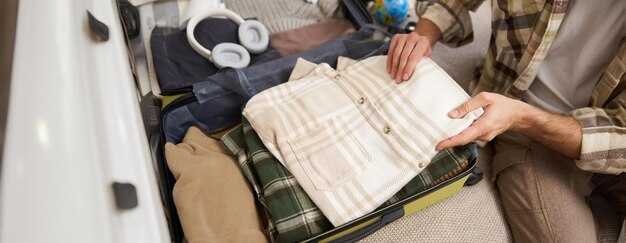
Roll clothing to maximize space, use packing cubes, and label compartments so a crew member can grab what you need without dumping your bag. Basics include underwear, socks, swimsuits, lightweight layers, and a smart-casual outfit for dinners on deck. Aim for an ideal mix of warm-weather layers and swimwear. Pack adequate toiletries in travel-size containers and a reusable bottle for drink refills.
Guard against sun and rain: a lightweight rain jacket, a wide-brim sun hat, and UPF clothing reduce sunburns. Keep a thorough checklist close; store a spare shirt and a compact towel for quick changes after water-based excursions.
Islands calls bring a few extra tips: a small day bag for shore trips, a camera bag for shots, and a plan to rinse gear at island stores. Planning ahead helps you stay ready and avoid overpacking. For onboard days, keep products like reef-safe sunscreen and insect repellent in a dedicated pocket so they wont spill.
Before you depart, do a thorough, quick scan of plans with someone in your party to verify all basics are covered: clothing, batteries, adapters, and medical supplies. This aspect keeps the crew comfortable aboard and reduces last-minute dashes to stores.