


 日本語
日本語  English (UK)
  Русский
  العربية
  한국어
한국어  Magyar
  Türkçe
  Español
  Čeština
  Svenska
  Português
  Ελληνικά
  Suomi
Suomi  Nederlands
  Română
  Italiano
  Français
  Polski
  Українська
  Deutsch
  简体中文
简体中文  Slovenčina
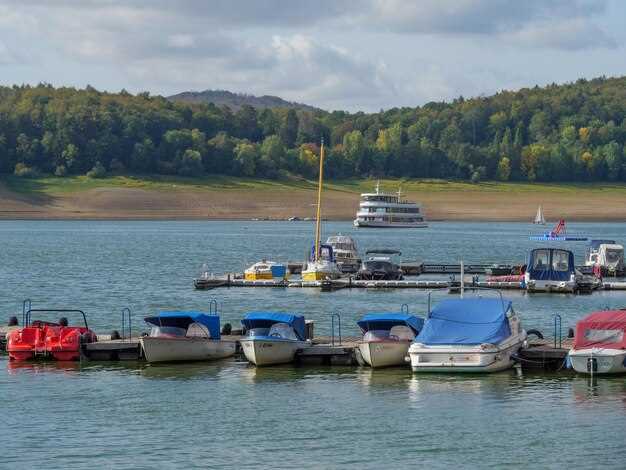
Recommendation: book a fully guided overnight angling outing to land gurnard and other species–the plan offers strong chances of catching lots and having reliable action year after year.
Note: matts offer fully crewed, overnight outings from a location with deck lights that help night fishing. Boats are long and stable, designed for fast departures from the marina, giving you the advantage of extended time on the water. Leave at dusk and chase a broader range of species; just land gurnard and other shelf dwellers before dawn.
Increase your odds by scheduling during calmer months; note that many operators run year-round overnight sessions, although autumn brings greater demand and more flexible schedules. If you wish to maximize catching, pick a location that offers both offshore and inshore options. The advantage? you can switch to land-based spots if seas turn rough, and still keep the night experience.
For a balanced plan, look for a setup that combines long sessions and reliable crew. matts operate from a harbor with dependable moorage, ensuring you can leave at the ideal tide window. The plan is highly rated by anglers for its great focus on practical catching, safety, and value; you’ll finish with a full land bag and a strong wish to return.
Comprehensive Charter Planning
Book a ready, well-equipped yacht with british captains who can adapt to conditions; secure flexible dates, ensure a minimum crew, and confirm safety gear before you pay. This approach means you and your group mind safety and are prepared, making you confident on the day out on the water, aligned with world standards.
- Define objectives and boat type
- Identify target angling species and desired voyage length. If you wish for a longer outing, pick a yacht with ample deck space and stable performance in coastal waters.
- Choose vessel type: monohull or catamaran; for steady handling, a 30–45 ft model fits 2–4 guests comfortably.
- Crew credentials, safety, and readiness
- Confirm the captain’s license and track record; ensure the crew is united and comfortable with emergency drills. They should definitely demonstrate current first-aid and survival training; verify life jackets are available for every person and an EPIRB or similar beacon is on board, ensuring a perfect safety culture.
- Ask for references and confirm readiness; they should really be able to handle weather changes constantly and calmly.
- Schedule, weather, and durations
- Plan for a 4–6 hour window for a half-day or 8–10 hours for a full day; longer options are possible if the weather, current, and depth permit. Have a contingency plan if conditions shift.
- Build in a little buffer for tide, wildlife, and potential delays; ensure the crew and owner are ready to adjust on the fly.
- Costs, deposits, and availability
- Request a detailed quote covering vessel hire, crew, fuel, docking, and gear; confirm the minimum charge and the least refundable portion. Use terms that protect both sides and ensure you can commit when ready.
- Check multiple available dates and confirm a backup option to avoid peak-season surcharges.
- Equipment, safety, and anchor checks
- Verify anchor type and chaining quality; ensure all navigational electronics, VHF, radar, and AIS are functioning. Inspect life rafts, extinguishers, and distress signals for current service dates.
- Ask for a complete gear list before departure and confirm what is included versus rented; this minimizes surprises on the water. Work with the crew to finalize each item, ensuring everything is ready.
- Itinerary sequencing and water etiquette
- Plan a logical event sequence: depart, reach depth, anchor at the chosen site, and return. Include a buffer for slack tide and wildlife viewing; respect port regulations and waste rules to keep water pristine.
- Coordinate shore stops or onboard demonstrations; ensure the crew handles safety briefings and propulsion coordination smoothly.
- Post-trip review and continuous improvement
- Note what worked well and what could be improved; share feedback with the captain and crew to tailor future charters and keep the camarat spirit high. When done, summarize learnings to inform your next journey.
Choose Wellington fishing charter by boat type, capacity, and crew needs
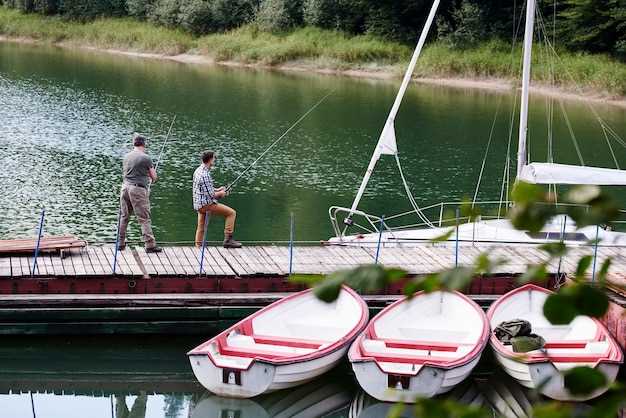
Start with a mid-sized center-console or stable catamaran that seats 4–8 guests. A skipper and a deckhand keep rigging neat, hooks ready, and safety checks up to date, delivering a smooth day on the water for inshore or offshore targets. Booking earlier in the week often yields lower price and more schedule flexibility.
Boat types and capacity to consider: center-console for 4–6, catamaran for 6–8, offshore sport-fisher up to 12. For comfort and living space, prefer vessels with enclosed cabins, non-slip decks, and easy access to bait prep. Price varies by week and season: half-day (about 4 hours) 600–900, full-day (6–8 hours) 1,100–1,900. A deposit of 25–50% is common; many operators offer refundable options if you cancel more than 48 hours ahead.
Crew needs: licensed master required; add a mate for handling gear, rigging, and refreshments. If you have kids or seniors, choose a craft with good accessibility and a plan for light meals or beverages onboard. Optional crew like Owen can assist during peak hours; Amanda can oversee deck operations and guest service to boost happiness and efficiency.
Marina access and logistics: pick a departure from a central marina with park-and-ride or easy street parking near the dock. Confirm drive-time from your accommodation, and whether a marina shuttle is available. Some operators offer after-ride transport from nearby hotels; this can be handy for late-evening departures or a surfing–sunset combo on the same day.
Booking tips and extras: online quotes are common, with transparent price breakdowns and clear deposit terms. Ask whether beverages, snacks, and rental gear are included or optional; many outfits can provide non-alcoholic beverages and light bites. For larger parties or multi-boat itineraries, coordinate with the skipper in advance, share your live requirements, and plan a backup itinerary if weather changes. Thanks to clear terms, you’ll have a worry-free life ashore and a smoother experience.
Seasonal targets and optimal fishing windows in Wellington Harbour
Recommendation: Plan dawn and dusk sessions; the most productive windows are roughly 1.5 before sunrise and 2 after sunset, when snapper, kahawai, and kingfish activity peaks near harbour edges and lagoon mouths close to river outlets.
Seasonal targets by season: Early spring and late autumn bring clearer water and shallower bars; focus on shallow reefs around the lagoon and near pilings where customary feeding occurs; keep hull to the left of the channel during incoming tide.
Tide-based planning: Use tide charts to time lures; the advantage of rising or falling tides is extended windows for light tackle; slack water tends to reduce current so rigs track well; conditions often align with calm dusk.
Species and tactics: Snapper concentrate on reef edges; kahawai patrol the channel near feeding schools; kingfish appear along outer ledges; early mornings bring more action, and on occasion a late bite can occur.
Equipment and crew: All vessels should be equipped; plan for extended time on days when traveling with a small crew; the owner and crew aboard yachts often coordinate schedules via united networks; costs vary by season.
Facilities and etiquette: For multi-day sails, ensure toilets are stocked and hull port sides kept tidy; croatian crews may arrive with a well-organised routine; sometimes guests expect a little creature comfort.
Global network notes: emirates-based operators, united fleets, traveling owners coordinate seasons; this process brings an advantage for teams that stay equipped and plan ahead, creating adventure opportunities on occasion.
Packing list, on-board amenities, and inclusions for Wellington charters
Pack a compact dry bag with essential changes of clothes, a waterproof windbreaker, a light fleece for evening, and non-slip deck shoes. Include sunglasses, sunscreen, a hat, and a personal kit with medications, seasickness remedies, and a small water bottle. For traveling in minutes of rough seas, carry motion-sickness options and a simple plan for the wake, plus printed contact details. Have waiver forms signed and ready at check-in to keep things smooth and avoid delays. If you’re visiting during the next sailing window, bring a compact spare bag to separate dirty clothes.
On-board amenities and gear: The vessel provides shaded aft deck, cushioned seating, a galley with fridge, kettle, and hot drinks; a head with fresh water rinse; and dry storage for gear. Safety gear includes properly sized life jackets for all, throwable flotation, a first-aid kit, and a fire extinguisher. Navigation equipment includes VHF radio, handheld GPS, a depth sounder, and nautical charts. Bring camera gear or a phone for photos, plus binoculars to scan waters around the coast. Extras like a cooler, ice, and a small trash bag help keep spaces tidy. A strong sense of camarat among guests and crew keeps the day running smoothly. Yachts in the area often mirror these features, so returning guests know what to expect.
Inclusions and extras: Most weekly itineraries include snacks, bottled water, tea or coffee, and ice. Crew will provide basic prep for post-trip cleanup and, where permitted, a light fish-cleaning service; follow local rules for waste and environment. A full safety briefing is standard, and the waiver must be signed before departure. For gear beyond the standard, request in advance; space around the cabin is tight, so plan to store extra items in lockers. Arrive 15-20 minutes before the scheduled time and stay around the dock area during check-in. Routes vary, with visits to different towns along the harbor and near various waters. The chief crew will explain example routes, and evening or night sails offer calm seas and great views. If you’re bringing extras, keep them in a compact bag and respect the crew’s guidance on what can be stored. An event-like atmosphere during these sessions adds to the overall experience.
Croatia yacht rentals: bareboat vs crewed options and licensing requirements
Recommendation: Opt for a crewed yacht charter for a worry-free week; captains navigate, dock, and handle safety, while your family enjoys the scenery, meals, and evenings comfortably.
Licensing for bareboat: Bareboat options require a license recognized by Croatian authorities for the vessel type and length. Typical qualifications include ICC for sailing yachts or an RYA certificate (Day Skipper or Coastal Skipper) and, for larger or motor yachts, a local category B license or equivalent. If you don’t hold a valid credential or have minimal experience, select a crewed plan. knowing チェックイン時の遅延を避けるため、予約前に資格情報を提出してください。.
料金と乗員構成: ベアボートの週間料金は、通常、中型セーリングヨットで2,000ユーロから4,000ユーロ程度ですが、シーズンや港湾料金によって変動します。クルー付きのレンタルは、さらに高額になり、通常、ヨットのサイズやクルーの編成に応じて、週6,000ユーロから25,000ユーロになります。食料調達、燃料、ドリンクパッケージなどの追加料金に加え、乗組員の給与を考慮すると、合計金額は大幅に増加する可能性があります。この仕組みにより、現地の知識と航行の安全性が得られ、乗組員の交代によって、ビーチ近くでの停泊や次の航海の計画時に安心感が増します。通常、ディンギーは含まれています。タンク容量とトイレの数は船舶によって異なるため、予約前にこれらの仕様を確認してください。.
設備と船内の快適さ: ベアボートは食料の調達や安全装備の手配が必要ですが、クルー付きの場合は食事、リネン、タオル、シュノーケリング用具やウェットスーツなどの基本的な備品が提供されます。運営会社は、食料の調達やプライベートコックなど、さまざまなオプションを提供しています。タンク容量や淡水ゲージの確認は不可欠で、船内のトイレは必須です。ヨットによっては、予備のディンギーやテンダーが追加で用意されている場合もあります。このプランは、穏やかな停泊地を選び、夕方の遊泳のためにビーチへのアクセスが容易なため、家族連れに最適です。.
実用的なヒントと注記: 船長の履歴書を入手し、免許と経験を確認する。ベアボートの場合、運航会社は航海経歴書と最低限の航海日数の証明を求める場合がある。. matt デスクのメモによると、多くの業者がボートのサイズに応じて最低限の航海日数を定めているとのことです。免許に関する具体的な内容については、予約する前に運営者に連絡して、何が認められるかを確認してください。小規模な集まりには、キャプテンとクルー1名が乗船するオプションを選ぶと、手配よりも体験に集中できます。.
次のステップ: 見積もりを集め、何が含まれるか(燃料、港湾使用料、係留料、保険、税金)を比較検討し、食料調達またはフルフィードが提供されるかを確認してください。ビーチへのアクセスが容易な旅程、シュノーケリング、夕方のための静かな停泊地が含まれる旅程を確認することを徹底してください。柔軟なスケジュールが好みであれば、クルー付きのプランは予測可能性を提供します。費用を節約したい場合は、適切な資格と計画があれば、有能なスキッパーによるベアボートも可能です。.
人気のクロアチア旅行プラン:スプリットからドゥブロヴニクへのルート、プライベートセーリングのアイランドホッピングルート
スプリットで高速かつ設備の整ったセーリングボートをレンタルすれば、島の水路を巡る沿岸クルージングが効率的になり、団結した乗組員との船上生活も楽になります。午後の凪は、ラグーン間の移動に信頼できる時間を与えてくれます。漂流している間はホウボウがよく見られ、夜は星空の下でデッキで過ごせます。.
おすすめのルートは好みによって異なります。スプリットからスタートし、フヴァル、ヴィス、コルチュラ、ムリェトを経由してドゥブロヴニクに向かうか、ロクルムや途中の入り江などを巡る、よりのんびりとした島巡りを選ぶこともできます。これらのルートは、人里離れた入り江やラグーンを通るため、上陸してパーティーを開くのも簡単で、船上ならすべてがスムーズに進みます。綿密な計画を立てれば、日々の移動距離を調整でき、状況に合わせて柔軟に対応できます。.
実践的な経験を重視する計画担当者は、透明性の高い月額料金と明確なスケジュールが設定されたオーナー所有の船を選択してください。一部のオーナーは、船長やエンジニア向けのコースを開催しており、これにより、長距離航海での安全性と自信を高めることができます。このようなプログラムは、ロープの取り扱い用具を準備したり、耐久性のある飲料水を確保したりするなど、食料の調達について事前に考えるのに役立ちます。午後のひとときにラグーンに立ち寄って泳ぐことを忘れないでください。もしオーウェンが乗船している場合は、彼を航海士に任命してください。このような些細なことでも船内の個性が形成され、その後の日々がスムーズになります。.
次に、暖かい日中と涼しい夜に適した荷物リストを準備します。通気性の良い生地、サンゴに安全な製品、午後のデッキでのコーヒータイムのためのコンパクトなコーヒーキットなど。オーナーからの月次アップデートで、風向きの変化に合わせてスケジュールを調整し、乗組員の活力を維持し、休息を取らせることができます。常に明確なコミュニケーションを保ち、係留ロープを準備しておき、長距離航海中の忙しい時期でも頭を冴えた状態に保つために、定期的に水分補給をしましょう。.
| Route | Days | Highlights | 備考 |
|---|---|---|---|
| スプリット → フヴァル → ヴィス → コルチュラ → ムリェト → ドゥブロヴニク | 6–7 | 隠れたラグーン、青の洞窟、ホウボウとの遭遇、中世の街並み | 5月~10月が最適。レンタル船は柔軟なスケジュールに対応。 |
| スプリット → ブラチ → ソルタ → チオヴォ → コルチュラ → ムリェト → ドゥブロヴニク | 5–7 | 静かな湾、オリーブ畑、村の夕食、静かな港 | 週中の出発は混雑を避けるのに役立ちます |
| スプリト → トロギル → ショルタ島 → ヴィス島 → ビシェボ島 → フヴァル島 → ドゥブロヴニク | 7–8 | ビシェヴォ青の洞窟、海岸線、豊富な礁の生物 | 春~初秋の時期が良い。天候に注意して計画を。 |