


 日本語
日本語  English (UK)
  Русский
  العربية
  한국어
한국어  Magyar
  Türkçe
  Español
  Čeština
  Svenska
  Português
  Ελληνικά
  Suomi
Suomi  Nederlands
  Română
  Italiano
  Français
  Polski
  Українська
  Deutsch
  简体中文
简体中文  Slovenčina
 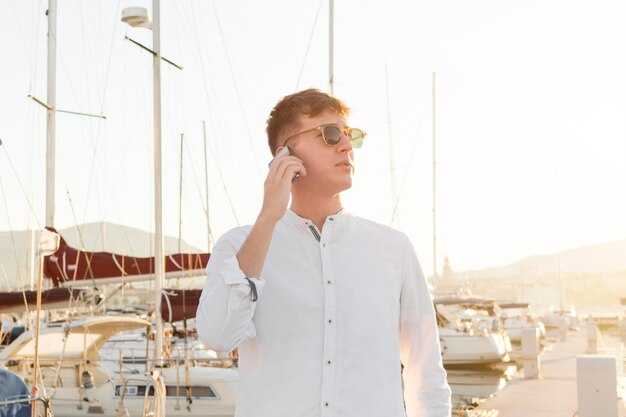 Top Yachting Clothing Brands – The Ultimate Guide for Sailors">

沿岸でのセーリングには、BALEAFの防水シェル、通気性のあるミッドレイヤー、そしてティリーハットから始めましょう。. このトリオは、あなたを乾いた状態に保ち、柔軟性を提供し、ヨットでの風向きの変化にも対応できるようにします。頻繁にセーリングをする人は、アウターシェルと薄手のレイヤーを組み合わせることで、デッキでの気温の変化に素早く対応できることを高く評価するでしょう。ありがたいことに、この組み合わせは、かさばることなく、突風やスプレーの中でも安心感を与えてくれます。.
現代的なシェルは、3レイヤー構造、テープドシーム、耐久性のあるDWR加工を採用しています。 open-water 天候の変わりやすい日には、耐水圧20,000mm、透湿性10,000~20,000g/m2/24hのターゲットジャケットを。沿岸部での作業やラストマイルの作業には、重ね着しやすいストレートカットで、手袋、ロープコイル、スマホケースなどを収納できる大きめのポケット、そしてウインチ作業で腕を動かしやすいカットを選びましょう。.
検討すべきブランドには、Baleafのほか、Helly Hansen、Musto、Gill、そして日焼け防止用のTilleyアクセサリーなどがあります。これらのオプションは、水しぶきに対する信頼性の高い保護で高評価を得ていますが、重量と嵩が増す可能性があります。肩と肘の補強、二重袖口、そして必要に応じて開けることができるジッパー付きの裾を探してください。オープンポケットと、操舵時に動きを妨げないストレッチパネルを備えたギアを選びましょう。.
フットウェアとグローブでキットは完成です。滑り止め加工が施されたデッキシューズや、沿岸用のウォータースニーカーを選び、湿気の多い朝には速乾性のある靴下を履きましょう。スプレーの中でロープを扱うための防水グローブと、沿岸航路の肌寒い朝には軽量ネックゲイターも用意しましょう。マリーナから打ち上げ場所まで歩いてきたなら、ポケットと袖口のデザインのおかげで、バランスを崩すことなく必要なものすべてに手が届くことに気づくでしょう。.
これらのオプションがあれば、外洋航海、週末の沿岸クルーズ、長距離航海など、あらゆる探求者をカバーできます。重ね着しやすく、日が出ると熱を逃がし、夜明けからデッキでの最後の光まで快適さを保つモジュール式のウェアを中心にワードローブを構築しましょう。海はすぐに変化するかもしれませんが、出航時にドックからベルが鳴り響き、集中して航海するように思い出させてくれます。.
最適なサンフーディーの選び方:UPF 50+の保護、通気性のある生地、太陽光の反射防止
通気性と吸湿発散性に優れた生地と、サンバイザーが組み込まれたUPF 50+ のサンフーディーを選びましょう。保護の基本は UPF レーティングであり、UVA および UVB 光線の約 98% を遮断します。安全で調節可能なフードと長袖は、水しぶきが顔にかかったり、まぶしさが水平線上に上がったりするときに、カバー力を高めます。定期的な保護は、皮膚がんのリスクを軽減します。.
速乾性と通気性に優れた軽量ポリ混紡素材など、通気性の良い生地を選びましょう。UPF 50+のCoolibarの生地は、しっかりとした基準となります。通気性を向上させるために、脇の下にベンチレーションやメッシュパネルが付いたものを選び、熱をこもらせる重い素材は避けましょう。テストでは、適切な通気性を備えたパーカーは、通気性のない綿のTシャツよりも日中の表面温度を低く保ち、意識を維持するのに役立つことが示されています。ソンブラシェードのフードやバイザーは、かさばることなく眩しさを軽減し、服装を補完することができます。この仕上げは、デッキが濡れているときに水しぶきを防ぐのにも役立ちます。.
保護を最大化する主な機能
シンプルで安全なフィット感を選びましょう。摩擦を防ぐフラットシーム、目を日陰にするつば付きのフード、手首を覆う袖が理想です。イタリアで開発された革新的な生地を使ったものが最適です。イタリアの工場は耐久性があり、軽量な織物に重点を置いています。水しぶきを防ぐ耐久性のある撥水加工が施されたモデルを探しましょう。明るい色はより多くの太陽光を反射し、熱を抑えるため、デッキでの視認性と快適性のバランスを取るのに役立ちます。必要に応じて露出した部分に日焼け止めを塗り直し、衣類は有害な紫外線を軽減しますが、首、耳、手の甲の日焼け止めに代わるものではないことを忘れないでください。.
夏の船旅におすすめのアイテムと使い方
船上での夏には、コンパクトで安全なフィット感と手入れの簡単な生地を使用したUPF 50+のフーディーを選びましょう。かさばらずに日陰が欲しい場合は、ベースレイヤーとの重ね着に適した、より軽いバージョンを選んでください。日陰は光の反射を軽減し、シンプルなキャップやサングラスとの相性も抜群です。ロイドのようなデザイナーは、考え抜かれた縫い目と実用的な生地で、セイルウェアに革新的な基盤をもたらします。イタリアの工場から提供されるオプションは耐久性と快適性を提供し、クーリバーは信頼できる基準であり続けます。ジッパーやドローコードをウエストや裾に配置して、風を防ぎましょう。船首から船尾へ移動する際に、長期間の船上での夏に、保護と自由の組み合わせの違いを感じるでしょう。.
セーリングのための重ね着とフィット:パーカーをアウターレイヤー、ハーネス、動きと一体化させる
まずは着心地の良い、中厚手のパーカーから。 防風性と透湿性のあるシェルの中に重ね着するベースレイヤーとして着用します。この重ね着によって、太陽光が湖面に反射するときでも体幹は暖かく保たれ、ライン操作のための十分な可動域も確保されます。.
エルゴノミクス 縫い目やテーパードカットが重要で、ハーネスを重ね着しても窮屈にならないようになっています。キャップの下に収まるフードや、ラインが引っかからない位置に配置されたポケットを探しましょう。.
アウターレイヤーとの相性:アームホールが広く、フーディーを横に向けなくても換気できるジッパーを備えたシェルを選びましょう。アウターレイヤーはわずかに outside 風向きが変わってもすぐに重ね着を脱げるように、パーカーを。.
換気と保護:涼しい朝には、 lighter 外側のレイヤー。暑い日には、前面と背面の通気口を開けてください。目標は、保護機能を維持しながら、 犠牲にする 動きやすさ。すっきり収納できるフードは、突風時の煩わしさを軽減。.
洗濯とお手入れ:旅行後、指示に従い、スプレー後はすすぎ、類似の生地と一緒に洗濯し、完全に乾燥させてください。 dried 徹底的に。. theres 糸くずの蓄積を防ぐことで、付加価値が生まれます。.
ブランドとテストに関する注記: テスター コンパクトシェルの中にパーカー1枚というのは良い、という報告 match ほとんどのセーリング日にはそれで十分ですが、寒い朝にはコンパクトなインナーとワイドなアウターを組み合わせた2層システムを好む人もいます。.
了解いたしました。 american 市場は調整可能なフィットを提供する。; クイックシルバー ギアは、耐久性と快適さを兼ね備えています。; タミアミ 生地はよりドライな状態を保ち、熱を逃がします。; ティリー ジッパーは負荷がかかってもスムーズに動きます。.
Bottom line:レイヤーを管理し、フィット感を調整することで、動きやすさを犠牲にする必要がなくなります。適切な暖かさ、汎用性の高いレイヤリング、そして容易な調整を目指しましょう。.
パフォーマンスを向上させる生地の革新:吸湿発散性、速乾性、防臭性、UVカット技術
すべてのセールに、吸湿速乾性とUVカット機能を備えた生地を選びましょう。ヨーロッパの工場では、軽量で通気性の良い織物にマイクロファイバーを組み合わせることで、水分を織り目の表面に素早く移動させ、デッキでの激しい作業中でも肌をドライに保ちます。.
吸湿発散性により、船首に水しぶきがかかったり、波が手すりを越えて押し寄せたりする際の不快なベタつきを軽減し、速乾性繊維が水しぶき後の乾燥時間を短縮するため、中断することなくアクションを続けることができます。.
防臭技術は、長期乗船中のバクテリアの繁殖を抑制し、継続的な見張り後の気まずい臭いを防ぎます。銀やセラミック加工が施された、防臭効果に優れた生地を探しましょう。.
UVカット素材は、有害な光線から肌を守り、UPF 50+が標準となっています。日差しの強い箇所では、長袖のトップスに半袖のアンダーレイヤーを重ねて腕を覆い、手首や袖口をフィットさせて風の侵入を抑えます。.
フィット感が重要:快適さのために適切なカットを選びましょう。体にフィットするウェアは、摩擦を軽減し、オーバーヒートすることなく保温性を高めます。特にデッキ上で風向きが変わるときは、動きやすさとカバー率のバランスを常にテストしてください。.
機能性の柱は7本あります。吸湿性、速乾性、防臭性、UVカット、防風性、撥水性、そして耐久性のある留め具です。これにより、特に太陽の下から水しぶきがかかる状態へと変化するときなど、甲板での長い一日にわたって水上で優れた性能を発揮するシステムが生まれます。.
Practical features matter: zippered pockets keep essentials secure, and a bandana can offer neck coverage when the sun peaks. For a classic look, choose sleeves with reinforced cuffs that stay put, avoiding flutter during gusts. In bottoms, look for zippered flys that stay secure when you crouch at the rail, avoiding exposure that can let wind creep in. Always consider a seamless transition between layers to keep you dry and unfazed during a period of shifting conditions.
| Tech | Benefits | Best Use |
|---|---|---|
| Moisture-wicking | Moves sweat away from skin, reduces chill | All-day sailing, hot climates |
| Quick-dry | Dries rapidly after splash or rain | On-water shifts, offshore passages |
| Anti-odor | Controls bacteria, keeps fabric fresh | Long watches, galley duty |
| UV-blocking | Protects skin from sun exposure | Bright midday sun, tropical latitudes |
Right fabrics for brutal winds and sun
When evaluating options, test the right weight for your climate. A european-made fabric with a tight weave resists wind while maintaining breathability. Look for flat seams and minimal surface area to avoid rubbing on wrists and forearms. A fitted sleeve with a soft cuff reduces flutter during a gust and keeps sleeves in place.
Care and durability in damp conditions
Rinse after salt exposure, avoid chlorine, and follow care labels. Favor fabrics that resist pilling and maintain color through seven or more wash cycles; this keeps a deck wardrobe looking fashionable while staying strong in rugged sea conditions. Dry flat or hang away from heat to preserve elasticity and prevent shrinkage. Period, you will rely on these pieces across seasons.
Brand Benchmark: top labels delivering durability, comfort, and value
Choose Hansen as the core benchmark label for durability, comfort, and value, especially if you sail coastal days across multiple hours of activity. In the market, durability hinges on fabric treatments, reinforced construction, and how labels perform under salt air and sun. Hansen’s main outerwear delivers rugged shells with armour-like reinforcement, while other labels push innovative ultralight layers and modular utility pieces. In scenarios from drizzle to squalls, these garments must resist wear, maintain fit, and keep eyes comfortable with well-designed hoods and breathable panels.
Durability benchmarks
- hansen main line uses reinforced seams, double-stitching, and abrasion panels at high-wear zones, with salt-spray tested coatings. It contains durable fabrics built for days at sea and hours of wear, holding shape and color under coastal conditions.
- Other labels vary: some add protective treatments without heavy weight, while others lean on lighter blends. Look for multi-layer construction, weatherproof zippers, and fabrics with abrasion resistance; this makes the garment less prone to tears in activity and keeps you dry longer.
- Consider armour-grade reinforcement at elbows and shoulders and check for additional features like reinforced cuffs and hems, which increase durability without sacrificing mobility.
Comfort and value considerations
- Coastal hoodie options offer warmth without bulk; ultralight hoodies layer under a shell and can be packed for travel. This approach suits days with changing weather and ensures comfort during long courses of sailing.
- Fit matters: seek ergonomic seams, zipper placement that avoids chin chafing, and breathable panels. A well-cut garment suits multiple body types and activity levels, easing long sessions on deck.
- Value comes from total cost of ownership: durability, minimal care requirements, and the ability to mix pieces–hoodie, shell, and insulated layer–that complement each other into a coherent outfit. A multitude of options lets you build a course-specific wardrobe without overpaying.
Care and Longevity: washing, salt exposure, and color-retention tips for yachting fabrics
Rinse with fresh water within 30 minutes of salt exposure to protect color and extend fabric life. Wring gently, then press out moisture and lay items flat or on a drying rack in shade; direct sun speeds fading. For innovative blends like psychofin, avoid high heat during drying to preserve elasticity and coating performance.
Smart washing and drying routines
Wash in cold water (about 30°C/86°F) with a mild detergent on a delicate cycle. Turn fabrics inside out to protect surface color, especially blue hues. Do not use chlorine bleach or fabric softeners; these can dull finish and reduce moisture-wicking. After rinsing, squeeze out water gently and air-dry; use a mesh bag for small items such as bandanas or a hooded layer, and lay Henri jackets flat to maintain shape. This baseline setup suits boating gear and everyday sailors’ wear alike, from lake runs to global voyages.
Salt and sun exposure demand extra care. Dry away from direct sun and heat; if you need speed, use a circulating fan and a drying rack to accelerate without scorching fibers. When something spills or stains, treat promptly with cold water and mild detergent rather than waiting ashore. For longer journeys, pack a compact color-safe detergent and a microfiber towel–useful on the fly. This approach could extend the life of your garments, helping people feel prepared on any journey, whether ashore or afloat, at the lake or during global expeditions, and keeping colors vivid.