


 日本語
日本語  English (UK)
  Русский
  العربية
  한국어
한국어  Magyar
  Türkçe
  Español
  Čeština
  Svenska
  Português
  Ελληνικά
  Suomi
Suomi  Nederlands
  Română
  Italiano
  Français
  Polski
  Українська
  Deutsch
  简体中文
简体中文  Slovenčina
  Top Yacht Charter Destinations for 2026 – Best Places to Charter a Yacht">

2月にチャーターを予約する。 カリビアン 新鮮な朝の空気、穏やかな青い水、そしてアンカレッジ間の近さを楽しむことができます。アンティグア&バルブーダは、海岸線が際立っています。 365 beaches, 、保護された入り江、そして決して遠くないビーチ。そのおかげで、あなたのルートをカスタマイズするのが簡単になります。 preferences そしてペース、あなたが探しているかにかかわらず。 luxury 一晩中プライベートシェフと過ごしたり、新鮮なシーフードランチのためにすぐにババダ島へ移動したりできます。For sailors, 、ルートは単純で、あらゆる区間に安定した交易と信頼性の高いマリーナがあります。.
地中海では、サルデーニャ島、コルシカ島、アマルフィ海岸が形を成しています。 playground 入り江や透き通った水。 The proximity 港々で、船乗りたちは夜明けに語り合い、隠れた入り江へ向かう朝の航海を計画するのに理想的だ。 divers and families. For a luxury 経験を重視するなら、料理人、スパのような内装、そしてあなたの時間を尊重する柔軟な旅程を備えたヨットを選びましょう。 preferences, 、旅を楽でわくわくしたものにしています。.
太陽の光が降り注ぐ港地帯を超えた何かエキサイティングなものを求める探検家にとって、極地は新たな選択肢を切り開きます。 スヴァルバールとグリーンランドは、補強された船で大胆な氷上での体験を提供します。, polar 夕暮れ時、そして澄んだ空気の朝。これらの航海は、険しい景色、長い日の出、そして~する機会を重視するベテランの船乗りたちを引き寄せます。 make 思い出に残る素晴らしいクルーとの時間。.
クラシックなルートに加えて、太平洋とインド洋はグローバルな多様性を提供します。オーストラリアのホイットサンデー諸島、フランス領ポリネシア、フィジーは、白砂のビーチ、ターコイズブルーのラグーン、そして活気に満ちた珊瑚礁のバランスの取れたミックスを提供します。ダイバーは色と生命を見つけるでしょう。そして、朝のセイルを満たし、長く青い地平線を照らし出すルートを形作ることができます。The option to combine multiple destinations in one voyage lets you align with your purposes そして escapes.
2026年の6月アマルフィ海岸と世界のヨットチャーターの人気スポット
アマルフィ海岸で6月のチャーターを予約して、ポジターノの壁やカプリの青い湾の上を照らす完璧な朝の光を捉えましょう。より穏やかな群衆と、1日2〜3つの港に合わせたペースで。ソレントから出発し、水上からアマルフィやラヴェッロを巡り、宮殿のようなヴィラ近くに錨を下ろし、静かな港で夕日を楽しみましょう。各寄港地は、文化、景観、新鮮なシーフードを提供し、短く集中的な逃避行にふさわしい真の宝石となります。.
アマルフィを超えて、あなたのペースと興味に合ったホットスポットを特定してください。モナコは、南フランスの雰囲気を醸し出す洗練されたサーキットを確立し、Cap d’AilまたはAntibesへの朝のクルーズ、そして宮殿の壁の景色を眺めながらの夜のハーバー滞在を特徴としています。リーフ愛好家にとって、モルディブは最大の環礁を擁し、より静かなアンカレージとリーフ豊かな環境を提供します。11月の肩期には、群衆と価格を緩和しながらドラマチックな景観を維持します。内陸の多様性を求めるなら、サルデーニャ島とコルシカ島は、海の日とは対照的に、内陸の村、山道、そして日帰り旅行を提供し、陸上でさまざまなアクティビティを提供します。情報源は地域ヨットチャーターレポートです。.
アマルフィ海岸 2026年6月:最適なセーリング期間と港のローテーション
アマルフィまたはポジターノから出発・到着する7日間のチャーターを計画し、2026年6月の穏やかな時期2回をターゲットとする:6月3日~14日および6月21日~30日。これにより、海は穏やかになり、港は混雑が少なくなり、海岸沿いのリラックスした移動に適した十分な日長になります。まずアマルフィからスタートし、際立ったペースを設定し、次にカプリ、ソレント、静かな入り江を経由して、元の場所に戻ります。.
6月は穏やかな朝と暖かい午後に恵まれ、海水温は約22〜24℃、風は穏やかから中程度で、通常南西または南から8〜16ノットです。 計画をうまく立てれば、日中のピーク時に保護されたアンカー地に滞在でき、効率的な給養、毎日のスキューバダイビング、そして船乗りやゲストにとって簡単な上陸ライドを楽しむことができます。 その結果、白亜の石灰岩の風景や劇的な崖の絶景を急がずに楽しめる、初心者からベテランのチャーター船乗りまで両方に適した快適なペースが実現します。.
下の回転は、避難性の高い湾、白い砂浜、そして私的な入り江へのアクセスを最大化しながら、移動を最小限に抑えます。歴史的な町、生物多様性に富んだ海底、そして目立つ展望ポイントの組み合わせが含まれており、カプリの洞窟とリ・ガッリの礁が必見のハイライトです。風の変動に応じて、早朝の出発や夕方の水泳を捕まえるようにシーケンスを調整することもでき、ピーク時の交通を回避し、アンカーオプションの柔軟性を維持できます。.
| Day | Route / Port | Anchorage Options | Winds / Sea State | Highlights |
|---|---|---|---|---|
| 1日目 | Amalfi (拠点) → 短い移動でPraianoまたはPositanoへ物資調達 | マリーナ・ディ・アマルフィ(係留 बर्थ)、プライアーノの入り江、またはポジターノ近くの静かな入り江 | 8–14ノット、穏やかな朝 | 白い崖の上の夕日、最初の水泳、簡単なクルーブリーフィング |
| Day 2 | Capri / Marina Grande、その後Li Galliの近くに錨を降ろします。 | マリーナ・グランデ・カプリ、マリーナ・ピッコロラ・ビーチ沖のアンカレージ | 10–16ノット、穏やかな風 | 洞窟、青い水、目立つシュノーケリングスポット |
| Day 3 | Sorrento (Marina Grande) via Punta Campanella | マリーナ・グランデ ソレント、プンタ・ディ・カンパネッラ保護地域 | 8–14ノット | 風上の岬、マーケット、エスプレッソ休憩スポット;のんびりとした一日航海 |
| 4日目 | Nerano / Marina del Cantone | ネラーノの港、カントーネの入り江、リ・ガーリの近くに錨を降ろす | 10–15ノット | 静かな入り江、シュノーケリングに適した海底、生物多様性に富んだ海洋生物 |
| Day 5 | Praiano → フィオルド・ディ・フーロレ / コンカ・デイ・マリニ | Praianoの海岸線、フィオルド・ディ・フーロレの入り江 | 8–14ノット | 崖沿いの村々、劇的な海岸線、簡単な各港間の移動 |
| Day 6 | Vietri sul Mare / サレルノ | ヴィエトリ・スル・マーレまたはサレルノ港 | 12–18 knots | Historic towns, larger market areas, provisioning options |
| 7日目 | Return to Amalfi via coast path | Amalfi anchorage or nearby coves | 8–14ノット | Final sail, farewell views, pack‑down in calm waters |
Theres a broader market of charterers for scalable options, and the Amalfi loop includes the largest selection of private yachts with flexible schedules. If you consider croatias, the Kornati National Park offers biodiverse, park‑like seascapes that contrast with Amalfi’s white cliffs; this outside option is a popular comparison for those extending a year‑round charter plan includes islands, coves, and sheltered bays. For skippers who want added adventure, you can extend into March and November shoulder seasons, noting that June remains the mild peak for ease of sailing and comfortable anchorage management. In August the heat rises, while November brings cooler temperatures and calmer crowds, which changes provisioning and port timing. For scuba lovers, Capri and Li Galli provide reliable opportunities, while croatias offers deeper dive sites beyond the Adriatic’s more opened routes; if you aim for a far‑flung contrast, Sindalah provides a completely different sailing rhythm, though it sits outside this season’s primary window. The website resources for port specifics and marina schedules can help you fine‑tune rotations and ensure you secure berths at the largest ports well in advance.
French Riviera: 2–5 day yacht itineraries from Saint-Tropez to Monaco
Opt for a 4-day Saint-Tropez to Monaco loop that splits the route into four easy hops: Saint-Tropez to Cannes, Cannes to Antibes, Antibes to Nice or Villefranche, then Nice to Monaco. It offers a relaxed pace while leaving time for swims, a shoreline stroll, and wine tastings in historic ports.
Start with spring or early autumn, when light is ideal and seas stay calm enough for confident cruising along the south coast. December charters can be quieter with shorter daylight, but you still gain access to sheltered bays and gulet-ready anchorages–great for a mellow yachting rhythm and planning flexibility.
Day 1: Saint-Tropez to Cannes, roughly 40–45 nautical miles. Sail past Gigaro and the Lérins archipelago, then drop an anchorage near Île Sainte-Marguerite for a refreshing swim while the crew runs a quick safety briefing. After lunch on deck, stroll the old port of Cannes, where the film festival legacy sits beside chic boutiques and cafès. If you prefer a marina spell, Port de Cannes offers a straightforward tie-up with fuel and provisioning options.
Day 2: Cannes to Antibes, about 12–18 nautical miles. Mornings bring smoother seas toward Cap d’Antibes, where a sheltered anchorage invites a quiet off-grid swim in clear water. In Antibes, wander the ramparts and the Marché Provençal, then sample regional wines at a nearby bistro. For the night, Port Vauban is a classic option with reliable guidance from exclusive marinas and a cluster of good restaurants nearby.
Day 3: Antibes to Villefranche-sur-Mer or Nice, 15–22 nautical miles. Cruise along theCorniche road’s scenic villas and hills, then tuck into a calm anchorage off Cap-Ferrat or Villefranche. A shoreline walk reveals old town history, narrow lanes, and a hillside of gardens. If you crave inland excursions, a short day ashore yields a visit to hilltop villages and a tasting of Côte d’Azur wines before returning to the yacht.
Day 4: Nice to Monaco, 20–25 nautical miles. Navigate past Beaulieu and Cap d’Ail, then anchor near Rocher or Fontvieille for a balanced blend of culture and casino-glamour. In Monaco, explore the royal palace, Oceanographic Museum, and the harbor’s celebrity-meets-yachting atmosphere. The route remains within the ideal cruising window, even as you keep the pace relaxed for a late lunch on deck and a sunset stroll along the harborfront.
Longer option: five days lets you extend to Menton, Éze, and Saint-Jean-Cap-Ferrat, with a morning sail to a quiet anchorage and a hillside walk above the scape of lavender-and-wine country. This extra day enriches planning with a gentle inland detour and a deeper taste of regional wines, while still keeping yachting at the core of the experience.
Guides and guidance from seasoned captains simplify the schedule, offering precise notes on currents, anchorage holes, and protected bays. The Riviera functions as a playground for crews, with shore excursions, art history walks, and coastal taverns baked into every leg of the route. For a broader comparison, you can map a future charter in the Kornati or in Belize when you want a different mix of snorkeling, reefs, and offshore scenery–yet the French Riviera remains exciting for its sun-drenched shores, refined wines, and storied hillsides.
Dalmatian Coast, Croatia: Must-visit islands, marinas, and permit tips
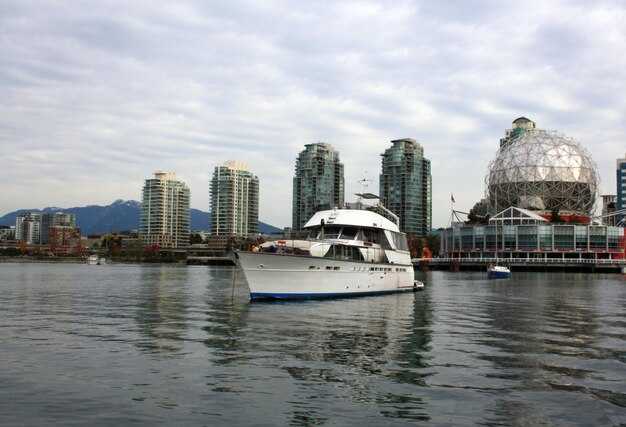
Start with a Hvar–Korčula–Mljet loop and anchor at Split’s ACI Marina for reliable provisioning and smooth shore support. This route sits between lively towns and quiet coves, with cobbled promenades, fresh seafood, and beaches within reach. Expect steady winds that favor afternoon sails and comfortable days to swim and snorkel along limestone shores.
Top stops include Hvar, Korčula, Mljet, and an overnight in Split or Dubrovnik. In each, plan stays at marinas: ACI Marina Split, ACI Marina Hvar, ACI Marina Korčula, and ACI Marina Dubrovnik, which provide fuel, fresh water, and chandlery. On Hvar you’ll find trails along pine-covered hills and a yacht-friendly marina scene; Korčula offers medieval heritage and well-preserved cobbled lanes; Mljet presents salt lagoons and quiet coves ideal for a family voyage. The rich experiences come from local guides and the marine life you’ll encounter, from dolphins to curious fish around reefs. For a quieter option, anchor off Lokrum or Lopud for lagoons and beaches, then sail between them on the next day.
Permit tips: In Mljet National Park and Kornati National Park you may need entry or mooring permits; arrange via your marina or park authorities, and a handful of bays require a paid mooring. In December the parks are quieter, but you still must respect protected areas. Follow posted rules and be mindful of speed limits and anchoring zones. If you hear rumors about kamari, that’s a Greek beach; in Croatia you won’t find the same conditions.
Sea caves are a highlight: Blue Cave on Bisevo near Vis, plus other coastal caves off Hvar and around Korčula. A day trip with licensed guides can showcase these natural features, and you can snorkel in lagoons and near rocky outcrops. If you crave dramatic geology, the volcanic-looking cliffs along some coves add a striking backdrop to long swims and midnight dips. For a Greek comparison, Sarakiniko is a stark lunar beach, but here you’ll find sea caves and sculpted cliffs instead. This coastline offers trails and coves that make every day an adventure.
History and heritage anchor the route: Split’s Diocletian’s Palace, Korčula’s stone walls, and Mljet’s monasteries connect with local culture and cuisine. Hire local guides to walk you through the streets, explain the island’s traditions, and describe the island’s fishing heritage. The best way to learn is to follow a curated list of sights and experiences: cobbled lanes, markets, and centuries-old churches that tell the region’s story. The scenery showcases a rich maritime culture that remains vivid in every port and harbor.
User tips: December offers calmer seas and easier mooring; plan early for popular bays, since crowds arent a concern in winter. Carry a current chart and follow local buoys; the route is flexible, and you can become familiar with the mooring routines. If you want a Belize-like comparison, Belize has a different reef profile, but the Dalmatian coast delivers vivid marine scenery that is easy to reach. This concise list of stops: Split, Hvar, Korčula, Mljet, Dubrovnik, with optional sidetrips to Vis, Brač, and Pelješac. You can follow these tips to maximize your adventure.
Greek Islands in the Aegean: June sailing routes, crowd management, and mooring tips
Begin your June charter with a dawn leg from Mykonos to Paros, then loop north to Naxos and Antiparos, keeping seas calm and harbors lighter.
To manage crowds, time calls away from Mykonos and Santorini during the noon rush and favor ports with close proximity to other islets, such as Syros, Tinos, and Kythnos, which provides a variety of sheltered anchorages and shorter tender runs.
Reserve a private berth or private mooring through the charter website; in high-demand harbors, book at least 6–8 weeks ahead and confirm berth assignments with the harbor master before arrival.
Delos, a unesco site, rewards a morning visit for a quiet walk among ancient ruins; after exploring, return to the yacht for a swim or snorkel at nearby reefs.
Sample route: Day 1 Mykonos → Paros; Day 2 Paros → Naxos; Day 3 Naxos → Amorgos or Antiparos; Day 4 Milos (stop at Kleftiko caves); Day 5 Milos → Sifnos; Day 6 Folegandros → Serifos; Day 7 Santorini or Tinos, then return.
June winds are typically mild in the morning, easing heat for swimming and snorkeling; plan month-by-month adjustments and use forecasts from your website to lock in ideal hops and morning departures.
Mykonos, Paros, Naxos, Milos, Sifnos, and Folegandros offer a playground of landscapes and a variety of bays; private coves let charterers dodge crowds, while an expert crew tailors routes to your interests.
Compared with the kornati archipelago in Croatia, the Aegean colonies share ease of close approaches, but greeces remains easier to explore with many UNESCO sites and closer island hops within a single cruise.
Expect monaco service on select yachts, with local crews delivering warm hospitality that stays true to greeces roots; menus may blend local flavors with Indonesias influences, a detail some charters highlight on their programs.
For planning, visit the charter website and talk with an expert to identify hidden harbors and ideal routes; many operators publish month-by-month guides that highlight morning calls and snorkeling stops, including UNESCO-flagged Delos and other island gems.
Explore the island chain as a true playground of style and discovery, where nearshore caves, coves, and swim spots meet Caribbean-inspired provisioning on a Greek stage; the proximity of islands keeps every day fresh for charterers seeking private experiences and a spring-to-summer rhythm.
Balearic Islands (Mallorca, Menorca, Ibiza): Charter options, anchorages, and fuel planning
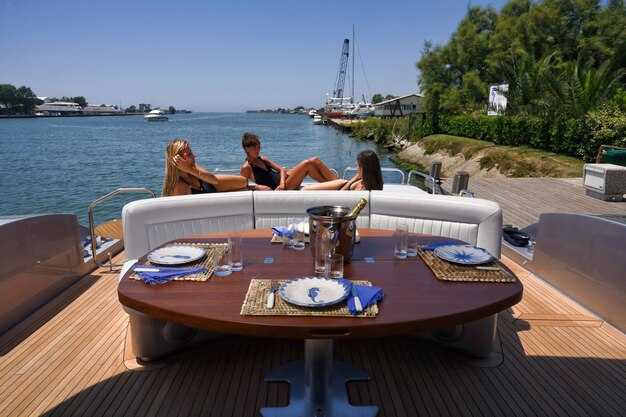
Start your charter with a Palma de Mallorca pickup, set a loop that spends 3–4 days on each island, and anchor in coves that balance snorkeling, scenery, and nightlife for guests seeking variety. Days on blue water mix with hidden bays, giving you a biodiverse coastline that stays striking from morning swim to sunset dinings.
Charter options
- Crewed motor yachts and catamarans in the 24–40 m range suit 6–8 guests, with a captain and chef who tailor routes to access remote coves and protected anchorages. This is ideal for a smooth balance of days at sea and quiet shores.
- Bareboat options work for experienced skippers who know Balearic currents and local rules; pair with a shore guide to maximize access to sheltered bays such as Cala Portals Vells and Cala Mondragó, while avoiding crowded spots on peak days in july.
- Cruising catamarans offer extra deck space and shallower drafts for accessing rocky coves along rugged coastlines; they minimize roll at anchor and improve snorkeling comfort for guests who want to snorkel in sheltered bays.
- For families or lovers of slow travel, consider mid-range yachts with 2–3 crew and steady schedules that include daily beach time, park visits near protected bays, and optional land excursions on islands like Mallorca’s Serra de Tramuntana route.
Anchorages and access
- Mallorca
- Cala Portals Vells – sheltered, sandy bottom, good snorkel access and family-friendly depth; easy approach from the southwest coast, perfect for a blue-water sunset.
- Cala Sant Vicenç – north coast coves with clear water and dramatic coastline; anchor near the outer buoy to minimize wake and maintain calm for guests.
- Cala Mondragó and Cala Figuera area – biodiverse beaches nearby a protected park; anchor in the outer reef and use dinghy access for shore visits.
- Menorca
- Cala Mitjana and Cala Macarella – iconic bays with white sands and turquoise water; anchor in the lee and snorkel along the cliffed edges for a sheltered day.
- Cala Turqueta – blue water and calm conditions, ideal for a midday swim and shore picnic; access requires careful approach to the sheltered cove.
- Cala Morell and coastal caves – hidden options with rocky coastline and interesting geology; best for a quiet afternoon visit away from crowds.
- Ibiza
- Cala Conta, Cala Bassa, and Cala Jondal – easy access for tenders and guests seeking lighter crowds, with opportunities for beach clubs and sunset drinks after a snorkel session.
- Cala d’Hort and Es Vedrà – striking coastline views and dramatic sunsets; anchor off the main cove for dramatic photo angles and shore visits.
燃料計画
- パルマのPort de Palmaでしっかりしたバンカリング計画から始め、次にマオン(メノルカ)を第2の停車地、そしてイビサタウンを第3の停車地に割り当てることで、長い空白なくループをカバーします。これらのハブ間の距離は通常、標準的なチャーター速度での安定したモーターリング1日あたり60〜90nmです。.
- ヨットのサイズ別に1日の燃料消費量を見積もる:小型(24〜30m)の船舶は効率が高い傾向にあり、大型(30〜40m)のモーターボートは、より高速で巡航するとより多くの燃料を消費します。9〜12ノットで100〜250 L/hを想定し、向かい風または凪、乗客が乗船している場合の重量増加に応じて調整してください。.
- 天候、潮流、そして潮の満ち引きを考慮に入れて航海計画を立てましょう。しばしば、保護されたアンカー地帯に留まるために、航行日数を短縮したり延長したりします。悪天候の中を無理に進むことは避けるべきです。.
- 燃料の予備を増やす:10〜20%のリザーブは、予期せぬ迂回路や新しい港での深夜の벙커를カバーするのに役立ちます。ピークシーズン中は、主要なマリーナで早めの벙커リング時間のリザーブをして、混雑を避けてください。.
- 給油港:パルマ・デ・マヨルカ(Port de Palma)、マオン(Mahon Port)、イビサタウン(Port d’Eivissa)は、ディーゼル補給設備と乗組員による燃料補給が可能な信頼できる選択肢です。到着後すぐにチャーター会社に確認し、船舶の書類を準備してください。.
- 価格に関する注意点:バレアレス諸島での軽油は比較的安定していますが、季節的な需要によって変動することがあります。約適度な変動を考慮して、可能であれば早期に固定することをお勧めします。これにより、7月と8月に混雑が増加すると発生する価格の急騰を避けることができます。.
スムーズな実行のための実践的なヒント
- シュノーケリングアクセスと静かな夜を提供し、混雑した港よりも隠れた入り江を重視するゲストのために、アンカーポイントを予約してください。.
- 日差し、日陰、そして野生動物の観察をバランスさせるために、保護された入り江と印象的な海岸の展望台を組み合わせます。マヨルカの穏やかな入り江の近くにある生物多様な海草の生息地は、鮮やかな水中の生命であなたを報います。.
- 燃料と食料のバックアッププランを常に用意しておきましょう。近年、ベリーズやインドネシアに触発されたような物流は地元の状況ではあまり関係なくなってきていますので、信頼性のためにバレアリック諸島に特化した燃料補給拠点にこだわるようにしてください。.
- ナイトライフを求めるゲストのために、イビサタウンの活気のある夜と、近くの入り江での穏やかな昼を組み合わせることで、イビサの夜と昼のオプションのバランスを取りながら、アンカーが安全で快適であることを保つことができます。.
- 7月の天候の窓は、長日と信頼性の高い日差しをもたらします。シーズン序盤に長距離航海を計画し、後で一日の終わりにアンカー時間や岸への訪問に時間を節約しましょう。.