


 日本語
日本語  English (UK)
  Русский
  العربية
  한국어
한국어  Magyar
  Türkçe
  Español
  Čeština
  Svenska
  Português
  Ελληνικά
  Suomi
Suomi  Nederlands
  Română
  Italiano
  Français
  Polski
  Українська
  Deutsch
  简体中文
简体中文  Slovenčina
 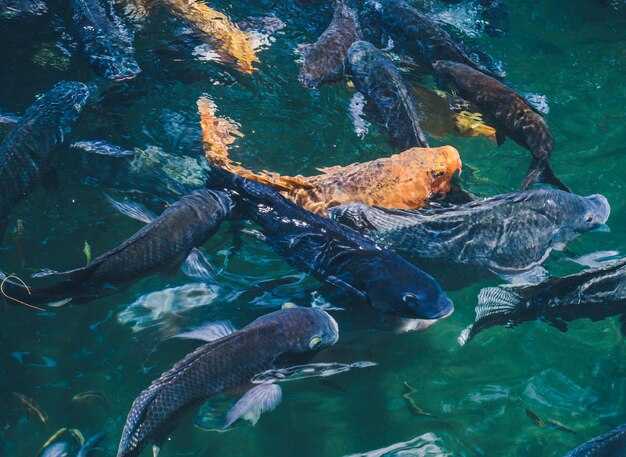 Top Tips for Protecting Fish Habitats – Practical Conservation Strategies">

Establish native riparian buffers along streams with a size of at least 30 meters on each bank, arranged as a continuous zone, to reduce sediment and nutrient inputs by up to 40% within the first year. This intense measure creates a protective atmosphere for spawning runs, supports the whole food web, and dampens temperature fluctuations that stress fish.
Improve water quality across the catchment by curbing fertilizer leachate, urban runoff, and soil erosion using green infrastructure. Where space is limited, install artificial wetlands and sediment traps to rapidly capture sediments and remove nutrients, to promote rapid improvements and improving habitat stability. Track key parameters such as turbidity, nitrate levels, and dissolved oxygen to quantify changes and guide actions.
Coordinate a study to identify variations in habitat use among each species and life stage. Employ splitting of results by species and season to tailor actions. Monitor bacterial indicators to prevent disease outbreaks, and adjust mitigation when pathogen loads rise. Use findings to drive practice changes without broad generalizations.
Target invasive competitors with coordinated removals where feasible, while preserving native ranges to ensure populations remain healthy. Eradication of invasive plants and animals in small, well-documented patches can free up habitat for native fish; apply measures that consider the broader ecosystem so that other organisms can thrive. Use arranged monitoring transects within restored areas to detect rebound risks and act quickly when counts rise.
Engage landowners, anglers, and volunteers to implement on-site steps that protect water bodies. Provide clear guidelines for project-scale actions that fit each site size and budget, and arranged volunteer days to remove debris and plant shade trees along streams. Maintain transparent records so communities remain informed and motivated to continue restoration efforts.
Practical guide to safeguarding aquatic habitats and preserving fish quality
Install a 5–10 meter native vegetation buffer along every stream inlet; this approach removes up to 60% of sediment and 40% of nutrient loads, delivering measurable improvements in habitat quality and fish growth.
Maintain water depth and dissolved oxygen to prevent dehydration of juvenile and adult fish during dry spells. Target dissolved oxygen above 5 mg/L in core habitats, and carve larger refugia by deepening pools to provide safer zones during heat waves.
Extending coastlines resilience through living shorelines, oyster reefs, seagrass beds, and dune restoration stabilizes shorelines and reduces wave energy. These actions promote habitat connectivity and turn degraded areas into productive refuges; the habitat becomes a more robust component of the ecosystem.
Climate-informed planning requires diverse applications of habitat improvements: riparian buffers, wetlands restoration, fish passages, and artificial refugia. This approach requires local data, community involvement, and reliable funding; these measures were tested in pilot sites and demonstrated clear growth in native populations.
Control runoff by post-construction drainage management, smart irrigation, and nutrient-management plans. For aquaculture, manage brine outflows with dilution and closed-loop systems to prevent damage to coastal habitat and reduce salinity spread.
Monitor fish quality with simple indexes: weight, size distribution, condition factor, and survival rates. Baseline data collected before action enable credible post-project comparisons; available dashboards help communities track progress.
Communicate results with field data rather than relying on istockphotothinkstock visuals; share maps, water quality logs, and success stories to support broader adoption.
Baseline Habitat Assessment: key indicators, sampling ideas, and data needs
Begin a baseline survey of five core indicators across a defined reach and log results for the first season. Schedule data collection in daylight, recording data every hour to capture diurnal shifts. Use noninvasive methods such as snorkel surveys, visual transects, and eDNA sampling to build a robust dataset without disturbing vulnerable habitats. Keep field notes organized with date, time, weather, site ID, and stream flow; simply label each sample and use wrapping tape to seal labels. Materials include a waterproof notebook, GPS unit, thermometer, ruler for depth, nets, and sample vials; place labeled bags in a cooler and transfer preserved samples to a freezer when needed.
Key indicators to track include water quality (temperature, dissolved oxygen, pH, conductivity, turbidity), substrate texture and embeddedness, riparian cover and woody debris, and biota such as fish occupancy and macroinvertebrate groups. Monitor the proliferation of invasive species and sedimentation patterns that cause habitat changes. Use local groups to review datasets and provide context for site differences, while maintaining meticulous procedures to minimize observer bias. Data should be organized so that each entry passed basic quality checks and links to a single site and date. Even when conditions shift, the baseline serves as a reference for what the habitat undergoes across seasons, helping pinpoint causes and patterns that spread beyond a single hour or event.
Sampling ideas include: two channel-wide transects per site; quantify substrate texture with pebble counts; record percent cover of aquatic vegetation with simple quadrats; collect macroinvertebrates with a kick-net; apply eDNA assays to detect rare species when resources permit. For biotic surveys, document fish presence with snorkel counts where visibility allows, without harming individuals; track catch data separately from other samples and keep hooks away from the water to prevent unintended interactions. Describe the texture and flavor of bed materials to provide a quick habitat read. Each procedure should log hour, weather, flow, and gear used; all results link to the same site-date row for easy analysis. Sometimes field conditions require adapting methods, but maintain consistency in core components and documentation to ensure everything ties back to the data plan.
Data needs and management focus on clarity and accessibility. Create fields such as site_id, date, time, coordinates, weather, flow, dissolved oxygen, temperature, pH, turbidity, substrate_texture, vegetation_cover, biotic_observations, macroinvertebrate_groups, fish_presence, eDNA_results, sampling_method, and data_quality. Use a simple spreadsheet or lightweight database and attach metadata that records operator, sampling window, and instrument models. After each field day, run a basic QA pass; samples should pass checks before entry to the central file. Store duplicates in at least two locations and keep an archive of older data separate. Local groups can contribute to data checks and interpretation, ensuring everything remains transparent and traceable; this meticulous approach reduces risk and builds trust with communities who want to protect these habitats and their flavor of biodiversity.
Once a baseline exists, compare year-to-year changes to spot vulnerable habitats and guide restoration actions; tailor monitoring intensity to observed trends and resource availability. If a site shows rapid sedimentation or proliferation of invasive plants, trigger targeted follow-up surveys and remedial measures, recording causes and responses in the data log so actions are traceable and repeatable. By maintaining clear procedures and repeating the same core indicators, managers can prevent degrading processes from spreading and ensure that them, their groups, and the local community benefit from a coherent, action-ready dataset that informs practical conservation steps.
Protect Spawning and Nursery Areas: seasonal protections, buffer zones, and access controls
Simply install seasonal protections around known spawning and nursery habitats by establishing buffer zones that extend 50–100 meters from stream banks during peak breeding windows. Acknowledge ancient migration routes and adjust buffer width to reflect channel shape and vegetation. This approach reduces disturbance to breeding fish and allows groups to stage migrations with less interference from boats, dogs, or heavy equipment. Use monitoring data to inform scaling of protections as populations change and to align with upstream habitat improvements.
Limit access during sensitive periods. Post clear signs, install gates, and recruit trained volunteers to observe from park edges. Coordinate with local communities and fishery groups to ensure consistent compliance and clear enforcement across bordering lands. This cannot be postponed. This can play a key role in sustaining fish populations.
Keep moisture and water quality high at spawning sites by reducing sedimentation, cleaning debris, and preventing runoff. Address environmental threats like sedimentation and runoff with targeted buffer strips and better upstream land use. Protect the microbial communities that support egg and fry development; microbes influence early life stages and can be disrupted by dirty water. Use buffer strips with native vegetation to filter runoff and manage aromas that can attract predators. If signs show a rise in microbial activity or algal blooms, adjust management quickly.
Engage fishers, farmers, park staff, and school groups as a pack of supporters. Encourage them to report threats and to participate in restorative cleaning days near rivers and streams. One aim is to protect breeding grounds and nurseries for native fish and to support communities that rely on them for food and culture. Through shared responsibilities, ones in charge can help limit disturbance and support protecting habitat.
Track improvements with simple indicators: spawning activity, juvenile counts, and trends in moisture levels. Use consistent protocols so data from streams of different sizes can be compared. Plan scaling of protections when populations rise or decline. Use mapping to forecast seasonal needs and guide improvements that support habitat health.
In practice, tackle material threats by organizing cleanups to remove litter and throw away discarded gear from banks. Provide soaked nets with proper cleaning between uses to reduce disease risk. Note that protecting nurseries enables sustainable production while fish reach breeding size and contribute to local communities.
Control Pollution and Disturbance: runoff management, sediment control, noise reduction
Install native vegetation buffers along streams and wetlands to cut runoff and trap sediment, reducing elevated sediment loads by 40–70% during storms and boosting the health of fish and other aquatic ecosystems. Buffers should be sized just right for the site to maximize effectiveness without overreaching space or budget.
Adopt low-impact development features: permeable pavement, rain gardens, bioswales, and green roofs to slow water, increase infiltration, and harvesting rainwater for reuse under typical rainfall patterns in communities.
Sediment control on active sites: deploy silt fences, inlet protection, sediment basins, stabilized entrances, and mulch blankets. This step removes sediment from runoff before it reaches streams. This approach also scales to larger sites while protecting whole neighborhoods.
Noise reduction: limit heavy equipment to daytime hours near sensitive habitats, switch to electric or quieter machinery, use mufflers, and erect temporary acoustic barriers to keep noise at baseline levels.
Brine and chemical management: minimize road salt and brine usage near waterways; use weather forecasts to schedule applications, collect runoff in containment, and treat before discharging. Discharges are limited unless permits specify otherwise.
Participation and market alignment: invite local businesses and manufacturers to participate in protection efforts, provide resources and simple checklists, and create market incentives for cleaner products and to produce cleaner runoff, with meeting opportunities for feedback and collaboration.
Preparing for scale and evaluation: when preparing a plan, harnessing data from sensors and audits helps track health indicators such as turbidity and bacterial counts; scaling successful practices throughout the whole watershed yields opportunities to strengthen ecosystems. This involves the entire community and justifies continued investment.
Restore and Connect Habitats: rehabilitation of streams, wetlands, and corridors
Start with an extension-driven plan to reconnect streams, wetlands, and habitat corridors by mapping current conditions, securing landowner cooperation, and prioritizing high-value habitat linkages that restore natural flow paths.
For streams, remove barriers, retrofit with fish-friendly structures, restore natural meanders and riffles, and place woody debris to create cover and spawning areas; post-restoration monitoring should aim for a 15-25% increase in available breeding habitat within five seasons.
For wetlands, rewet degraded basins, developing native plantings, reestablish hydrology, plant native species, and create microhabitats that support birds and amphibians; plan for seasonal inundation and improved water storage.
Corridors: extend buffers 30-50 m on each side, connect patches with native vegetation, implement wildlife-friendly culverts and crossings at roads, and invite stakeholders to participate. Theyre key partners include farmers and local groups who participate and help track progress.
Engage communities, including kerala neighbors and youth groups; identify causes of habitat loss; create источник data from local watershed organizations; host quarterly meetings to review progress, adjust actions, and share improvements.
Monitoring and metrics: measure water quality, sediment load, habitat area, life-stage success, and species richness; track post-restoration changes and publish a conclusion that highlights gains. And avoid pickling plans–move to implementation with clear timelines.
Atmosphere and ecosystem services: improved habitat strengthens the atmosphere around waterways, supports life, and sustains ecosystems; there is less destruction from pollution and erosion, and everything comes together to boost resilience; kerala and other regions show that environmental gains extend beyond streams there.
Freezing Techniques for Preservation: handling, temperature control, and storage recommendations
Immediately chill samples on ice after collection to slow enzymatic activity and protect tissue integrity during transport.
Use a premium-grade field kit with an insulated cooler, gel packs, sterile cryovials, and clear labels. Within these kits, keep stored samples dry and shielded from coastlines’ salt spray; on a boat, secure containers to prevent rolling and minimize exposure to heat and vibration while you move between areas.
-
Handling and initial cooling
After collection, transfer tissue and other specimens to premium-grade cryovials and place them in a cooled compartment within 30 minutes. While in transit, maintain 4°C as a target and avoid direct sun. Use sterile tools, replace towels or pads if wet, and record the time and ambient temperature at intake to support traceability; this minimizes degradation and protects their integrity.
-
組織保存のための凍結法
急速な制御された凍結を選択し、氷晶による損傷を最小限に抑えます。小規模なサンプルでは、イソペンタンに浸漬された容器をドライアイスまたは液体窒素で冷却することにより、急速凍結を行います。その後、バイアルを-80°Cまたは-196°Cのシステムに移動します。より大きなブロックの場合は、より低温の保管段階への移行前に-20°Cまで予備凍結します。安定化のために硬化工程を使用する場合は、組織構造が後続の分析のために識別可能になるように、ワークフローと合わせます。セットアップのアイデアについては、istockphotothinkstock visualsを参照して、現場ドキュメントで探すべき内容を確認してください。.
-
長期保存と封じ込め
長期間保存するには、-80℃で保管するか、LN2気相保管で数年間保存してください。横断汚染や水分交換を低減するために、密閉されたラベル付きのバッグまたはクライオバイアルを二次 containment に配置し、移送中の圧力上昇を防ぎます。必要なときに迅速な回収を確保し、取り扱い時間を最小限に抑えるために、サンプルを整理されたラックまたは箱の中に配置します。人工授精プログラムからのサンプルは、比較を容易にするために、別のセクションに保管してください。.
-
解凍とポストフリーズハンドリング
徐々に氷上または4℃で解凍し、劣化を早める室温への暴露を避けてください。解凍後は、速やかに処理するか、将来の使用のために小さな部分に小分けにし、組織信号を損傷し、データ品質を低下させる反復的な凍結-解凍サイクルを防ぎます。解凍後、変色、テクスチャ、完全性の変化がないか各品目を点検し、腐敗の兆候があるものは廃棄してください。.
-
ドキュメンテーション、リスク管理、そして継続的な品質
詳細なログを保持し、原体(野生 vs. 人工繁殖)、収集日、保管場所、および予測される安定期間のサンプル原注を記録します。温度や湿度が変動する環境は、サンプル品質に対する脅威をもたらすため、バックアップと定期的な監査を実施して、リポジトリを保護します。 標準化されたラベルとバーコードを使用して検索を合理化し、取り扱いエラーを減らし、共同研究者や資金提供者と結果を共有しやすくすると同時に、将来の研究のためにデータを安全に保持します。.
保存のための燻製方法:コールドスモーク vs ホットスモーク、木材の選択、時間、および安全性
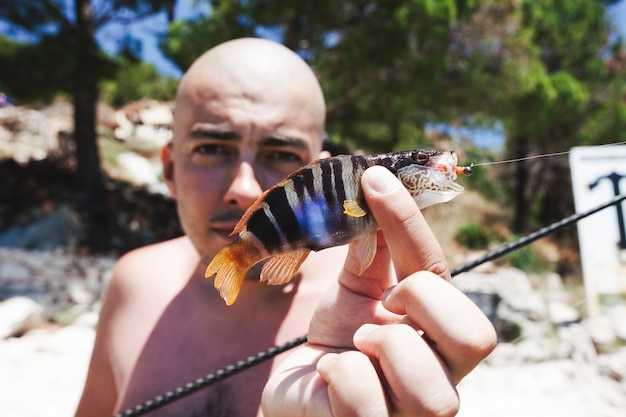
すぐに食べられる魚にはホットスモークを使用し、より短いハンドリングチェーンを採用します。コールドスモークは、表面の水分を除去し、細菌の繁殖を抑制するために、キュアリングの工程に従うべきです。.
コールドスモークは15-25℃(59-77°F)で操作され、通常、フィレットの場合は6-24時間、厚い部分は24-48時間で実行されます。湿度が高い条件では、より長い時間が可能です。2-5%の塩(重量比)の塩水で前処理するか、表面の水分を除去するためにドライキュアを行い、すすぎ、1-2時間空気乾燥させて、スモークが接着しやすいペリクルを形成します。苦味の強い風味や有害な化合物が少なくなるように、清潔で涼しいスモークを使用します。魚を速やかに冷蔵し、提供または冷凍するまで0-4℃以下に保ちます。この方法は、地域市場や伝統的な方法が現代の安全基準を満たす地域でうまく機能し、廃棄物を削減し、地域食に用いられる魚の保存期間を延ばすことで、サンゴ礁の保護と保全目標を支援します。.
ホットスモークは60〜85℃(140〜185°F)を使用し、少なくとも60℃(140°F)の内部温度を、厚さに応じて5〜10分間維持します。薄いフィレの場合は20〜60分、大きめの塊の場合は数時間かかります。マリネやドライラブは風味を向上させますが、十分な空気の流れを維持することで有害な煙化合物の生成を最小限に抑えます。ホットスモークは処理時間を短縮し、炭素に配慮した操業におけるエネルギー使用量を削減するため、沿岸地域および市場全体で効率を向上させます。提供する前に温度プローブを使用して内部安全性を確認し、直ちに消費しない場合は細菌の繁殖を防ぐために速やかに冷却してください。.
木材の選択は、香りと風味を左右します。アルダー、リンゴ、サクラ、カエデ、またはブナなどの、クリーンな煙が出る広葉樹を選んでください。不快な風味や有毒物質を導入する可能性のある、樹脂質または処理された木材は避けてください。過度の煙の密度や苦味を防ぐために、木材が十分に乾燥し、季節になっていることを確認してください。地域では、近くの森林から木材を調達することで、持続可能な行動を支援し、輸送排出量を削減し、高品質で炭素に配慮した製品に対する保全価値と市場の期待に合致します。古代の燻製所の技術は、制御された空気の流れで、廃熱を取り除き、一貫性を向上させながら、サンゴ礁に近い漁場やコミュニティにとって安全になるように近代化できます。.
タイミングと安全対策は非常に重要です。機器を清潔に保ち、生の製品と燻製製品を区別し、冷燻製製品の場合はコールドチェーンを維持してください。表面や調理器具を消毒し、生の魚を取り扱う際は手袋を使用し、煙の密度を監視して過剰なPAHへの暴露を避けてください。長期保存の場合は、燻製魚をラップして冷凍し、熱や日光から遠ざけて賞味期限を延ばします。生産日と保管方法をラベルに明記することで、地方市場での誤管理を防ぎます。これらの実践を通して、収穫後の損失を減らし、魚の保全地域や、サンゴ礁生態系や沿岸漁業に依存する地域における持続可能な生計を支援することで、生息地の保護と野生生物の保護を促進します。.
| Aspect | コールドスモーク | ホットスモーク |
|---|---|---|
| 温度範囲 | 15-25°C | 60-85°C |
| Typical duration | 6-24 時間(フィレ肉);24-48 時間(厚切り部位) | 20-60分(薄い);数時間(大きな作品) |
| 木材オプション | Alder, apple, cherry, maple | Alder, maple, beech |
| 安全重視 | Brine, pellicle formation, refrigeration | 内部温度 >60°C、温度計の点検 |
| フレーバーのアウトカム | 繊細で微妙なトーン | 大胆な、洗練された味 |
| 保全への影響 | Local, carbon-conscious processes | 効率的な回転と廃棄物の削減 |