


 日本語
日本語  English (UK)
  Русский
  العربية
  한국어
한국어  Magyar
  Türkçe
  Español
  Čeština
  Svenska
  Português
  Ελληνικά
  Suomi
Suomi  Nederlands
  Română
  Italiano
  Français
  Polski
  Українська
  Deutsch
  简体中文
简体中文  Slovenčina
  エコフレンドリーな船乗りになるための10の方法 – グリーンのセーリングのヒント">

環境に優しい船乗りになるための10の方法:グリーンセーリングのヒント あらゆる航海で環境意識を高めたいと願う人々にとって、最良のガイドとなるでしょう。旅行者、ヨット初心者、そしてすべての船乗り向けに、さまざまな状況下で快適かつ安全に過ごしながら、無駄を減らし、消費を抑えた航海をするための実践的な方法を紹介します。さあ、あなた自身の影響を把握し、クルージングの未来のために新たな基準を打ち立てましょう。.
これは emerging フレームワークのハイライト latest 海洋生物における廃棄物や消費を削減し、プラスチックやマイクロプラスチックの問題に対処するための実践。このガイドを予約すると、明確なロードマップ、チェックリスト、アイテムの選択、時代遅れのギアを環境技術に置き換えるための実践的な手順が提供され、エネルギー使用量と輸入フットプリントを削減できます。各ヒントでは、より健全な習慣を航海に取り入れる方法と、乗組員や仲間と礼儀正しさと責任を共有する方法を説明します。 travelers.
より 衣服 and other items 推進方法の選択から、これらのヒントはあなたを導きます sustainable, environmental 決定事項。一部の製品はリサイクル素材で作られています。; ones 耐久性と低メンテナンス性を重視。. 定期的に 機器が清潔で安全であり、エネルギー効率の高いシステムで作動していることを確認するために、機器を見直し、以下への移行の機会を検討する。 水素 利用可能な場合。その sale 低負荷のギアサポートは、より広範なシフトをサポートします。 eco-friendly 水上でのファッションと実践。.
Follow リスクを最小限に抑え、船舶、乗組員、生息地を保護するための禁止事項に決して違反しない明確な規則。. 終わり 消耗品を追跡し、使い捨てアイテムを減らすことで、無駄の多い習慣をなくします。このガイドでは、耐久性があり、航海システムに適応可能で、長期クルーズでのメンテナンスが容易な再利用可能なものや交換部品の使用方法を紹介します。 環境基準に合わせることで、 bring すべての航海をより良い体験にし、沿岸地域のコミュニティを支援します。.
これは premier リソースを強化します。 awareness among travelers そして every 船乗りとして責任感、礼儀正しさ、そして私たちを支える海への配慮をもって行動すること。それは、いかに大量の廃棄物を減らし、排出量を削減し、 活用する 持続可能な電力(以下を含む): 水素 よりクリーンな未来を創造するためのオプションを提供します。カジュアルなクルーザーでも、本格的なヨットオーナーでも、, booking このガイドは、 eco-friendly 流行を追うのではなく、標準的な慣行を選択すること。最後に、安全性を損なわず、無駄をなくし、次の航海に向けて船を最高の状態に保つように求めています。.
デッキと寄港地での実践的なエコセーリングアクション
デッキや港で、影響を減らし、海洋生物を保護するための実践的なエコセーリング行動。.
- 準備万端:まず、天気予報に合わせた服装を選び、効率的に荷物を詰め、洗面用品を詰め替え可能な容器に入れて、きちんと整理して漏れを防ぎましょう。.
- 廃棄物の削減:再利用可能なバッグや容器を使用、船内でのプラスチックを最小限に、使い捨てアイテムを減らすことを目指す;水筒を持ち歩き、可能な限り包装をなくす。.
- 動力および推進:再生可能エネルギーの利用を最適化し、最も効率的な機器に切り替え、将来の選択肢として水素を検討する。全体的な性能を向上させるために、最も効率的な推進方法を追跡する。.
- 水管理:可能な限り雨水を収集し、洗浄時の水は最小限に、毎回数分程度にとどめ、遠隔監視を維持してエンジン使用を削減し、良好な状態を維持します。.
- 野生動物と脆弱な生態系:野生動物と繊細で傷つきやすい生態系を尊重しましょう。安全な距離を保ち、森林や植物の周りの植物を乱さないようにしましょう。この豊かな生命は保護に値します。.
- 計画と予約:航路の計画と、良好な状態のマリーナの予約は不可欠です。可能な限り、廃棄物を最小限に抑え、持続可能な慣行を支援する寄港地を選びましょう。上陸時間を最小限に抑えることで、混雑の緩和に役立ちます。.
- クロアチアとマリーナ:クロアチアでは沿岸クルージングが人気を集めるため、人気スポットが混雑することがあります。高い水準を維持しているマリーナを選び、あまり知られていないマリーナにも足を運び、環境への負荷を軽減し、持続可能な観光を促進しましょう。.
- 経験と地域知識:ラジャという名のガイドを含む地元の人々と出会ったら、経験を共有し、適応する方法を学びましょう。学んだことは、すべての航海を向上させることができます。.
- 洗面用品と買い物について:洗面用品は、プラスチックを避けるために詰め替え可能なボトルまたは固形のものを使用する。最小限のパッケージの製品を選び、丈夫な衣類を選び、ユーロを節約するために購入計画を立てる。.
- テクノロジーと報酬:最新テクノロジーを活用してエネルギーと水の使用量を監視することで、燃料消費量の削減とより安全なオペレーションという形で努力が報われます。効率性のために開発されたテクノロジーは、持続可能な取り組みに尽力する人々にとって明確な報酬をもたらします。.
- 港湾運営とエチケット:マリーナに停泊中は、可能な限り陸電を使用し、水上での推進機の使用は避け、岸壁を清潔に保ってください。乗船後は、港湾当局に会って、彼らの条件とガイドラインを確認してください。.
- 長期的な視点:習慣にできる持続可能なルーティンを確立する。自分の道具を持参し、所有物を修理し、船上で物を処分することを避ける。さらに、これにより混雑の緩和と沿岸生態系の再生につながり、より穏やかで持続可能なクルーズを選ぶ人への報酬となるでしょう。.
低排出推進装置を選択し、エンジンを適切にメンテナンスする。
低排出推進装置の選択とエンジンを良好な状態に保つことは、現代のセーリングに不可欠です。このアプローチは、クリーンなボートへのトレンドと、チャーター、マリーナ、湾、および私有船舶全体での排出量削減をサポートします。すべての航海において、意識を持つことがより責任ある航海へとつながり、旅行者と乗組員の両方にとってより良い体験を提供します。.
ハイブリッドやバイオ燃料のような先進的な推進コンセプトを検討してください。これらの代替手段は、ほとんどの船舶にとって実行可能な選択肢であり、性能を維持しながら高排出燃料の輸入を削減できます。よりスムーズなクルーズとより低い排出量に気づくでしょう。.
信頼性を確保するため、メンテナンスはプロアクティブに行う必要があります。メーカーのスケジュールに従い、高品質な部品を使用し、定期的に診断を実施することで、エンジンがクリーンに、かつ最小限の摩耗で動作することを保証します。高度な診断は、問題が高額になる前に発見するのに役立ち、適切に記録されたメンテナンスログは、安全な航海をサポートします。.
効率的な速度で運行し、燃料消費を最小限に抑えるよう旅程を計画しましょう。穏やかな加速と最小限のアイドリングでも排出量を削減し、燃料消費量を抑えることができます。このアプローチは、お客様と乗務員の快適性を維持しながら、より持続可能な運行を可能にします。.
マリーナや湾では、責任ある係留方法を採用し、ウォーターフロントや上部構造物を損傷から守り、安全な停泊地と確実な係留を提供してください。可能な限り陸電を使用し、使い捨てのプラスチックやアメニティを避け、廃棄物を減らし、環境に優しい取り組みを支援しましょう。.
ギリシャやラジャ・アンパット地域では、グリーン憲章が漁師や地元の乗組員から支持を得ています。これらの例は、持続可能な選択が旅行者に人気があることを示しており、より静かで低排出の船舶が妥協することなくクルーズできることを証明しています。より多くの事業者がこれらの概念を採用し、ベストプラクティスを共有するにつれて、意識が高まっています。.
使い捨てのものを避け、可能な限り植物性の食材を優先的に調達することを検討してください。自然食を提供し、肉中心のオプションを減らすことで、調達エネルギーと廃棄物を削減できます。バイオ燃料、リサイクルされたアメニティ、およびゲストへの影響を最小限に抑えることを優先するプロバイダーと提携し、否定的な意見が広がるのではなく、グリーンな代替案の人気を維持します。.
より広範なボート業界において、これらの取り組みは造船チームがより優れたシステムを採用することを奨励し、低排出推進が湾、沿岸、水路を保護する方法を示しています。この傾向は、認識が広まり、旅行者が責任ある選択を求めるにつれて、チャーターやフリート全体で標準になる可能性が高く、すべての航海でよりクリーンな未来を保証します。.
再利用可能なキットと詰め替え可能な容器で、機内での廃棄物を最小限に。
このコンセプトガイドは、旅行者と乗務員向けに作成されたもので、再利用可能なキットと詰め替え可能な容器を使用することで、船内での廃棄物を最小限に抑えることを目指しています。長旅や、ますます厳しくなる水の規制や規則に対応し、使い捨てプラスチックの廃棄を減らしながら、効率を高め、海洋生息地を保護することをお約束します。.
Kit contents consist of refillable water and personal-care containers, leak-proof bottles, small jars for concentrates or creams, reusable bags, and a compact funnel. Label volumes clearly to avoid spills, and rinse between refills to keep the process simple, smart, and free of cross-contamination.
Maintenance and disposal practices reduce waste across voyages: rinse and dry containers, store them in a dedicated pocket to prevent leaks, and refill from bulk concentrates rather than buying new packaging. This consistently lowers refuse, reduces tear in packaging materials, and keeps onboard amenities practical while extending the life of the kit.
This approach supports long voyages and a transition toward cleaner propulsion ideas such as hydrogen; reducing packaging waste lowers emissions and moves away from fossil fuels, protecting the bank of biodiversity along bays, water habitats, and shoreline ecosystems. Because fewer plastics reach the ocean, there is less risk to fish, plants, and sensitive species, reinforcing responsible travel practices.
Adoption can be limited by space or habits, therefore plan with a compact, modular kit that fits common cabin pockets. Provide courtesy reminders to travelers about rules and best practices, and ensure port crews can support the integration. The result is consistent, comfortable amenities and a better travel experience that aligns with industry goals toward emissions reduction and cleaner sailing. youll notice smoother refilling routines on every voyage.
Over the years, guides and checklists empower crews to implement this practice reliably. Furthermore, this approach has shown broad appeal as more travelers seek sustainable, high-quality experiences. The kit should be consistently smart, easy to use, and durable to withstand years of use; it offers a practical model that industry players can provide and grow. Its popularity among travelers continues to rise as people seek sustainable, high-quality travel experiences.
For more details, explore resources at wwwatmosfairde, which showcases innovative concepts and best practices toward waste reduction in marine travel. The integration of these practices will meet customer expectations, protect natural habitats, and support a shift toward cleaner propulsion and less emissions. Travel experiences there will improve as the industry adopts and scales this approach across bays and ports.
Install solar panels to power cabin systems and refrigeration
Solar panels provide a quiet, reliable source of energy to power cabin systems and refrigeration, enabling sailors to travel longer without running a generator. By converting sunlight into electricity through marine-grade solar cells, you can operate lights, charging points, climate control, and refrigeration with minimal noise and zero exhaust. Panels made for boats resist salt spray and motion, and they can be positioned on the deck, on the cabin top, or integrated with the hull where restrictions allow. This approach reduces pollution, cuts fuel use, increases life on board, and could save euros while reducing tonnes of CO2 during voyages between islands or while cruising during holidays.
Sizing and efficiency matter: calculate your daily load, including cabin lighting, electronics, and refrigeration runtime. Choose high-efficiency appliances and, when possible, low-draw devices to maximize the use of solar energy. For refrigeration, consider a DC compressor rated for 12 or 24 V and a smart control that avoids running the fridge during periods of low sun. Use solar cells with appropriate temperature ratings and weather resistance, and install panels with a tilt that follows the sun to increase output. If space is limited, use flexible or foldable panels that can be stowed when not in use. Keep components and wiring organized in labeled containers; detergents should be biodegradable to minimize environmental impact.
Where to place: deck, coachroof, or, in protected waters, onshore canopies; consider hull-mounted options if approved. Respect weight distribution and ensure that added equipment does not affect stability or airflow to sails. Check restrictions and approvals for charter boats or rental vessels, and be aware of import restrictions for solar panels when crossing borders. Use marine-rated controllers and batteries designed for constant vibration. Store spare fuses and cables in sturdy containers. Do not rush the installation; planning and professional help reduce risk and avoid compromising safety.
Operational benefits: Solar-powered refrigeration stays silent and reduces pollution and diesel use, which is beneficial for the crew and the environment. Increased reliability of power improves life at sea and reduces fuel costs, especially on longer voyages between islands or during holidays. Solar energy supports sustainable charters and fewer emissions, while allowing you to travel with less noise and less disruption to wildlife. When choosing gear, consider whether to mix solar with biofuels as a transitional approach; in most cases, fully solar setups are greener and easier to maintain. Chains of more efficient electronics and better solar cells will grow the potential for a longer sailing season and increased confidence for sailors. For travelling with smaller boats, careful planning ensures you can keep essential garments clean without using excessive energy.
Maintenance and future-proofing: Inspect panels for dirt and shading, clean with gentle detergents, and check wiring and battery banks. Use proper containers for electrolyte if using lead-acid batteries; if lithium, ensure proper protection and BMS. Charts and logs help you track energy production, consumption, and overall progress toward sustainable, reduced footprint. With hull-mounted or deck-placed panels, you can increase the system without compromising space. Travelling and charters can benefit from solar, making holidays more self-sufficient; going solar is a practical step toward greener and more responsible boating.
Optimize sail trimming, speed, and routing to reduce fuel use
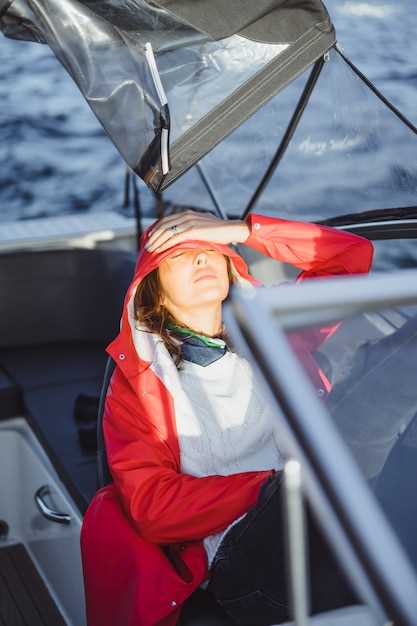
To reduce fuels and emissions, optimize sail trimming, speed, and routing by maximizing natural wind energy and minimizing engine hours. This approach relies on disciplined trim, steady speed, and weather-aware routing, bringing a measurable decrease in consumption while maintaining performance. entreprise-level decision-making can be described as raja-level: precise, calm, and deliberate, never chasing unnecessary gusts that waste energy.
Trim discipline starts with the mainsail and jib set to the apparent wind, using telltales and telltales-like cues to maintain an efficient angle. Adjust sheets and halyards for a delicate balance between power and drag, aiming for a clean, smooth flow over the sails. Those adjustments reduce turbulence, improve efficiency, and likely extend the sailing window toward future voyages. Advanced sail controls, including adjustable vang and outhaul, enable fine-tuning in varying wind shifts without relying on the engine.
Speed management centers on targeting an optimal sailing speed that yields the best fuel efficiency rather than maximum pace. Small, deliberate changes in trim, course, and rudder angle can cut drag and lower engine usage, especially when wind shifts are forecast. Consider maintaining a steady pace in moderate wind instead of accelerating into chop, which often increases fuel burn and wear on propulsion systems.
Routing decisions should follow wind and current patterns, preferring paths that sustain sailing and minimize engine hours. Use coastal or offshore weather routing when available, and consult eco-technologies and advanced agents to evaluate routes that align with forecasted conditions. When routing, weigh natural hazards and water depth to avoid unnecessary deviations that waste energy, and choose calm harbors that reduce maneuvering time on arrival and departure.
Booking a voyage with our program includes wind-aligned routing guidance, performance logging, and ongoing coaching. The service helps you implement a sustainable strategy that ends heavy fuel use while protecting the maritime environment. Our system encourages recycling and energy-efficient practices onboard, including the use of reusable equipment and avoiding single-use plastics such as cups. Dealers and organisations supporting greener sailing require fully transparent reporting and continuous improvement toward cleaner operations.
To support a future of clean, efficient sailing, integrate data collection from each voyage: trim settings, speed, course, wind, and current. Use the data to refine strategies across fleets, promote beneficial patterns, and share results with partners and customers. This approach helps bring credible improvements to market while aligning with protection goals for natural areas and coastal ecosystems. For further reading on sustainable performance, visit wwwatmosfairde and consult источник data from nautical and environmental groups to validate gains and drive ongoing innovation.
| Step | Action | Benefit | Tools |
|---|---|---|---|
| 1 | Tune sail trim with telltales; maintain apparent-wind angle | Higher lift, lower drag; reduced engine use | Tell tales, wind meter, adjustable sheets |
| 2 | Set a steady, efficient speed; avoid gust chasing | Lower fuel burn; smoother ride | Autopilot tuning, speed target in logbook |
| 3 | Plan routing with forecast wind and current | Maximized sailing time; minimized engine hours | Weather routing tools, tide/current charts |
| 4 | Log performance and adjust strategy | Continual efficiency gains across legs | Performance log, analytics software |
| 5 | Maintain onboard sustainability | Reduced waste and cleaner operations | Reusable gear, avoid detergents, cups |
Use non-toxic cleaners and eco-friendly antifouling to protect water quality
Protect water quality during travel by choosing ways that minimize pollution. By using non-toxic cleaners and eco-friendly antifouling, you provide protection for delicate ecosystems in areas within remote and limited regions. Whether you are travelling for sale, chartering, or booking a voyage with your crew, reef-safe options can reduce environmental impact while remaining effective. This approach fits the mediterranean, greece, polynesia, and other destinations, and supports a full experience for sailors, guides, and ones on board alike.
Non-toxic cleaners are usually biodegradable, phosphate-free, and designed to be disposed of with minimal runoff. They are gentler on cells and marine life, and can be used within marinas without compromising cleaning performance, being that they stay effective while protecting ecosystems. Use energy-efficient dilution practices and avoid mixing products that create harmful byproducts. Dispose of used wipes, bottles, and rags in approved containers; courtesy labels help crews follow the rules and keep water clean.
Eco-friendly antifouling options include reef-safe coatings, copper-free or silicone-based designs that shed fouling without releasing large amounts of biocides. These approaches are increasingly common in various charters, and are designed to comply with restrictions in many ports. They usually require fewer reapplications, helping to reduce the amount of maintenance cycles and emissions. Choosing such coatings supports protection of marine life around the mediterranean, greece, and polynesia while keeping hulls efficient and within acceptable budgets and environmental limits.
Practical steps include building a small bank of approved products on board, using bags to manage waste and tools, and disposing of waste in proper facilities. Avoid plastics and single-use items; prefer reusable bags and containers for cleaners and antifouling applicators. Clean hulls with minimal rinse water, and collect runoff away from sensitive areas. Follow guides and local rules, and plan cleaning during appropriate weather windows to prevent pollution and protect water quality in remote bays and marinas alike.
Booking decisions should consider environmental credentials: seek charters that provide alternatives to harsh chemicals and that comply with regional restrictions. Many marinas offer sale of reef-safe products and cooperation with local guides to promote responsible cruising. Whether you voyage in the mediterranean, polynesia, or greece, the trend toward sustainable sailing continues, and these practices remain essential for the health of coastlines. This approach includes training for crews, providing ongoing guidance for guests, and a bank of resources to help sailors travel with reduced waste, fewer emissions, and a better experience for the crew and the planet. It wont be easy at first, but the rewards are worth it for the health of ecosystems and the long-term future of booking great voyages.