


 日本語
日本語  English (UK)
  Русский
  العربية
  한국어
한국어  Magyar
  Türkçe
  Español
  Čeština
  Svenska
  Português
  Ελληνικά
  Suomi
Suomi  Nederlands
  Română
  Italiano
  Français
  Polski
  Українська
  Deutsch
  简体中文
简体中文  Slovenčina
 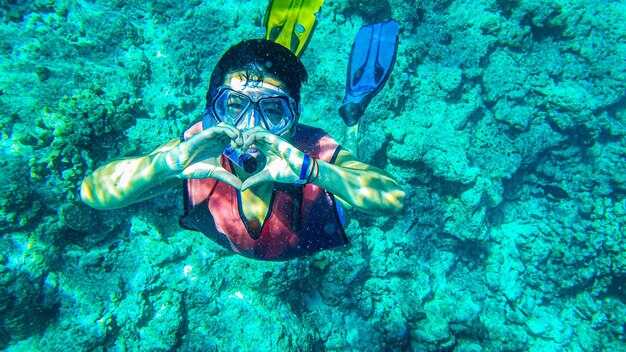 地中海トップ10ダイビングスポット – 最高のダイブスポット">

Charter a vessel in greece with a reliable fleet, allowing you to cover multiple areas on consecutive days. Their crew handles provisioning, transfer, and gear, keeping booking easy and the schedule absolutely covered. folsom memories aside, this approach keeps swimming between anchorages effortless.
Greek routes remain the anchor, with Crete, Naxos, and the Cyclades offering easy entries, sheltered bays, and massive wall experiences where visibility in summer often exceeds 20 m. From there, a hop to Malta or Cyprus reveals Zenobia wreck in Larnaca, a colossal target for advanced swimmers and those exploring via open hull sections. Corsica and Sardinia provide limestone caverns, rich macro life, and great visibility in spring and early autumn, while Sicily’s Aeolian Islands offer volcanic structures with shallow reefs suitable for both beginners and seasoned swimmers.
For logistical clarity, plan a staged itinerary with a charter, ensuring your booking includes equipment rentals, local permits, and skipper services. A well-kept plan keeps each day focused on the next location, with a backup option for rough seas. Stage the route around easy-to-access anchorages so the crew can adapt quickly when conditions shift, allowing you to maximize time in the water.
Pack light but complete: a waterproof camera housing or a machine to capture the Zenobia and other wrecks, plus a slate for notes and swimwear you can rinse quickly. remember to follow local rules, respect protected areas, and keep your gear back in the tender when not in use. The memory of massive wrecks and bomber-era hulls off Corsica keeps you motivated, while booking updates and safety briefings keep everything covered and absolutely reassuring, with the crew ready to support you along greece’s coast.
Practical Mediterranean Diving Planner
Start in sardinia as a practical base; onboard a licensed guide, target a 7‑day window with steady winds, warm surface temperatures, and shallow reefs for initial exploration.
Choose a single place on southern coast with doorstep access to reefs where corals cluster; allocate two sessions per day and a longer watery excursion during calm mornings.
Design an itinerary that balances shallow, colorful reefs with deeper ledges; black corals may be found on rocky walls, offering dramatic contrast for exploration itself.
Onboard logistics favor a guided program from ports with french-speaking crews; for shore-based plans, ensure a local guide supports progress and safety, while weather shifts demand caution; both options benefit from a clear schedule, briefings before each session, and a flexible contingency plan.
Seasonal timing matters: fall offers calmer seas, good visibility, and manageable currents; summer brings warm water but strong surface glare; winter is cold and options shrink, so plan early for a fall window or a late-spring break.
Safety and regulations: states authorities require certification; carry a signaling device; share your plan with a buddy and log routes with a friend; check weather, sea state, and currents before heading offshore; holds secure gear and a reliable backup plan.
Before departure, load gear onboard, confirm transport times, and review a planned route from santa bays to southern coves; spend time in a place that offers both colorful scenery and watery life; a great experience awaits you with careful pacing and being supported by a steady guide.
Budget snapshot: expect 60–150 EUR per day for guide and boat; liveaboard options add meals and social spaces onboard; shore-based legs save on daily rates but require more transfers between harbors.
From sardinia itself you gain a doorstep to broader Mediterranean routes, with many states offering similar conditions; you can head toward black reef walls and vibrant schools, while keeping pace with surf-friendly mornings and coral-rich soft bottoms; this approach helps you spend more time with exploration and corals in safe, structured terms.
San Clemente: Access routes, current patterns, and ideal diving windows
Recommendation: Hire a licensed operator based in San Diego or Dana Point, join a private charter, and secure Navy access permits before approaching island. Dawn departures from nearby marinas are typical; head toward an anchor deck, then transfer to a small service boat for drift sites along east-facing slopes where visibility remains high. Each site offers 1–2 daytime dives. Only during calm, light-wind windows conditions are predictable.
Current patterns around San Clemente island shift with season. Warm surface water arrives from east during summer, driving drift toward east-facing ledges; near head of stepped reefs currents intensify, creating safe drift opportunities for trained divers. Marine life concentrates along canyons and sunlit zones; corals, anemones, and yellow polyps form bright reefs in shallow zones. Bluefish and bass patrol deeper edges, while whales migrate offshore during migration seasons. Beach access points along nearby coastlines provide entry options when conditions permit; Nearly every drift reveals life along reef margins, and night sessions reveal octopuses and glowing crustaceans near deck corners of wrecks and rocky heads.
Ideal diving windows: late spring through autumn offer warm water, typically 18–24°C, with visibility often between 15–25 m on calm days. Best time for multiple dives is morning when surface remains calm; plan for 2–4 dives if winds stay light and currents cooperate. For photographers, highlight includes stepped ridge lines, deck-like ledges, and a boulevard of rock heads along east coast, near nearby islets. Bring reef-safe sunscreen, a hood for chilly dawns, and a dry bag for gear between sessions. For wildlife, expect bluefish, bass, and occasional whales along deeper zones; yellowtail appear seasonally. For reference, monterey benchmarks echo similar forest density along kelp-like ridges, while greece coast offers warmer water cues still within sight of San Clemente area. Night opportunities show dramatic life still, with anemones glowing under moonlight. Beach access for dawn or dusk arrivals yields quick glimpses of surface activity and reef life. Time of day governs current strength, so early mornings typically offer gentler conditions and longer windows for multiple dives.
Zenobia wreck, Cyprus: Depth, penetration limits, and safety tips for wreck dives
Plan to limit depth to 40 m (130 ft) for routine routes; for deeper exploration, secure technical training and a buddy with redundant air and gas planning.
Zenobia lies about 42 m deep on a sandy bottom, with outer hull reaching toward 50–52 m in some pockets; visibility can vary between 10–25 m depending on seas, current, and recent silt disruption.
Penetration limits: recreational divers should stay above 40 m. Entries into holds require technical rating, gas planning, line protocols, and a spare gas supply; many operators prohibit interior moves unless a verified program is in place.
Safety first: bring DSMB, reel, backup lights, and a pony or twin in case of gas issues; establish a clear gas-share plan with a buddy before entering any enclosed sections; never push beyond line of sight onto a platform or along a corridor.
Gear and training guidance
Training options exist for wreck reconnaissance and intermediate wreck skills; look for courses that cover buoyancy, gas management, and line procedures; a compact kit should include fins that fit you comfortably, a reliable mask, and a compact dive computer or depth gauge for real-time decisions.
Rental equipment is common in local shops near Larnaca harbor; if traveling from a different country, arrange rental in advance, and confirm size availability for your fins, mask, and lights; bring spare batteries and a backup mask for added comfort on longer hours underwater.
Site specifics you can expect
The vessel rests in blue water with a calm sandy underside; from surface, you may spot silhouettes of railings, cargo holds, and a partial bridge deck that drops into deeper corridors; look for a wide steel platform near bow that provides gradual access to upper sections without committing to full interior routes.
Having familiarity with similar wrecks, like famous sites around Catalina or Santa Cruz for comparison, helps set expectations about scale, visibility, and current patterns; local divers often report sightings of small fish schools and occasional seals along shallower ledges.
When planning with a crew traveling from Cyprus or nearby Egypt, coordinate between boats to optimize days left in your trip; some crews schedule two days with one refresher day in between to minimize fatigue and maximize safety margins.
Indoor sections and risk management
If you pursue interior exploration, only do so with a buddy who has explicit wreck-penetration training, a guideline reel, and a reliable backup gas strategy; never attempt to enter cargo holds without proper signage, lighting, and a clear exit route marked by a DSMB line onto open water.
Remember to monitor currents around platform and midship areas; silt can rapidly reduce visibility to near zero, so pause, reassess, and back away if line-of-sight to buddy becomes uncertain.
For relaxed swims along exterior hulls, maintain a conservative depth, watch for entanglements with lines or nets, and stay within comfortable contact distance from back sections of vessel to minimize risk of catching limbs on protruding structures.
| Depth range | typical 40–50 m; pockets to 60 m depending on section |
| 貫通限界 | recreational cap 40 m; interior moves require technical rating, line work, and precise gas planning |
| 推奨されるトレーニング | レック自体の知識、浮力コントロール、ガス管理、ライン操作手順。外周ルートについては中級レベル以上が望ましい。 |
| Required gear | 丈夫なフィン、マスク、浮力調整装置(BCD)、DSMB、リール、予備の器材、ライト、予備のマスク |
| ローカルアクセス | ラルナカを拠点とする事業者、港近くのレンタルショップ、営業時間は季節と天候による |
カポ・カッチャ、イタリア:洞窟のような場所での洞窟ダイビング、エントリーポイント、およびライン管理
厳密なラインプランから開始する:水面から洞窟の入り口までメイントップのメインラインを展開し、バックアップリールを取り付け、6m地点に明確なラベルのタグを配置する。専任のバディを割り当て、ラインを追跡させ、絡まりのリスクを監視させる。.
エントリーポイントは2つあります。1つはアーチから浅いエッジを通って最初の降下をするルート、もう1つはカポ・カッチャの崖近くの待機エリアまでカヤックでアクセスするルートです。入り口からは、最初のブレイクを12~18mに保ち、より深いチャンバーのために30~40mまで伸ばします。常にライン内に留まり、自由にぶら下がっているテザーは避けてください。.
ラインの管理は重要です。安全性を最大限に高めるために、2本のラインを使用します。1本は洞窟の奥へ続くメインライン、もう1本は上昇を誘導するバックアップラインです。伸縮性の低いラインを使用し、出口付近で結び目を整理し、岩棚に引っかかるのを防ぐために、エントリー時にリールをメインの頂上部にクリップで留めます。ラインの絡まりを減らし、青色を背景にガイドラインを見やすくするために、下降中は直立姿勢を保ってください。.
透明度は季節によって異なり、夏は15〜25 mほどですが、サルデーニャ付近ではさらに透明度が高くなることもあります。冬は透明度が低下します。河口付近の海流や高波は、慎重なペース配分が必要です。慌てず、ゆっくりと進んでください。隙間からはウツボ、岩棚付近にはカサゴ、そしてルビーイソギンチャクや、頭上の星明かりの中で輝く小さな生物に注意しましょう。.
エントリーとエグジットは計画的に:ラインを辿ってアーチの入り口に戻り、水深5~6mの浅い場所で安全停止を行う。バックアッププランを用意し、メインラインが引っかかった場合はバックラインに切り替え、熟知している経路で浮上する。窒素負荷を最小限に抑えるため、メインチャンバーでの滞在時間を短くする。空気残量と状況に応じて、40分以内のエグジットを計画する。.
現地のガイドからの指導的な経験、アメリカとディエゴとルディからのダイバーによる編集者のメモと報告は、カポ・カッチャを最高の洞窟システムとして示しています。アプローチは、モンテレーやエジプトからの人々によっても観察されており、彼らは強烈な青と生命を強調しています。サルデーニャの海岸には、イソギンチャク、ウツボ、フサカサゴが生息しています。距離を置き、彼らの空間を尊重してください。.
要点:計画、コントロール、そしてラインを尊重すること。適切なスキルと条件が揃えば、この環境は登攀時のリスクを最小限に抑えつつ、より容易な探求を可能にする。.
ゴゾ島、マルタ:ブルーホールとインランドシーでのダイビング—装備、潮流、およびエグジット戦略
推奨装備:SMB(シグナルフロート)、リール、予備レギュレーター、メインライト、予備マスク、スレート、コンパス、カッティングツール。水温が低い時期は5~7mmのウェットスーツまたはドライスーツを選び、グローブとブーツで保温性を高めます。可能であれば、30~40mのライン、水面シグナルブイ、リフトバッグ、予備のガス供給源も用意しましょう。サンタマリア周辺では潮流が急に変化するため、必ず潮流が緩やかな時間帯(特に風が穏やかな午前中や夕方)に計画を立てましょう。.
ブルーホールの入り口は急流になる可能性あり。内海への出口をまっすぐ進むことで、船や岸に流されるのを防ぎます。内海では、状況は比較的穏やか。一定のラインに沿って、急流が強まったらリーフフックを使用。エキジット戦略は、浅瀬で穏やかな水面まで計画的に浮上し、その後、内海の入り口まで直線的に進むこと。視界が悪くなったり、流れが変わったりした場合は、躊躇せずに合図を送り、浮上してください。.
ガリバルディは海岸線沿いの岩場を巡回し、大きな魚群を探します。浮力を安定させ、沈泥のない1〜2mの範囲で快適に過ごせるようにしてください。石の露頭の森は、サンタマリアルートに沿って出入りするための保護された車線を提供します。天候は急変しやすく、冷水は課題を追加します。フランスバンクと遠くのファラロンの形に注意してください。.
南部進入路付近のトローリング区域では注意が必要。船舶の往来がある場所の近くでは糸を避けること。濁った場所だけでなく、生命を探すこと。ルディは洞窟付近に現れることがある。そのような場所には空気や瓦礫が溜まっている可能性がある。出口のリストを保持すること。状況が落ち着けば、脱出はやりがいを感じられるかもしれない。全体的な経験は、訓練された探検家にとって素晴らしいものとなるだろう。多少のリスクを許容できるのであれば、玄関先からリーフウォールまで探検できる。.
ラ・マッダレーナ群島、サルデーニャ:ドリフトダイブ、期待される透明度、 ボートの手配
装備の整ったPADI認定ボートで、ドーン・ドリフトを予定しましょう。Perkinsは、親切な乗組員と充実したサポートサービスを提供する信頼できるオプションです。ラ・マッダレーナ港を日の出とともに出発します。時間は季節によって異なり、通常、スパルジ、ブデリ、カプレラ、サンタ・マリア周辺のドリフトゾーンに到着する60〜90分前です。遅延を避けるため、必ず乗組員にピックアップ場所と帰りの計画を確認してください。.
文脈としては、カタリナ島やアナカパ島との比較は、サルデーニャ島の独特な暖水ドリフト特性と幅広い艦隊オプションを示しており、一貫して透明度の高い海を信奉する人々が評価する清浄な水と壮大な棚を維持しています。.
- 潮流は通常1~2ノット;流し釣り時間は水深と風によって25~40分;水深は12~20メートル;花崗岩の壁、藻場、自然の目印となるドロップオフが予想されます。
- 透明度について:温暖な時期は安定して良好な透明度となり、20~35メートル程度。冬季は概ね5~15メートル程度。嵐の後は状況により変動するものの、15~25メートル程度まで改善することが多い。
- ボートのロジスティクス:2~3隻のボートが、オペレーターによってカラ・ガヴェッタまたはパラウから出航。チェックインには、ブリーフィング、最新情報、エントリーポイントの説明が含まれる。船室は暖かいことが多く、軽食のオプションや予備タンクも用意されている。スキッパーとの簡単な連携で、スムーズな引き継ぎが可能になる。
- 場所とルート:サンタマリア島、スパルジ島、ブデリ島、カプレーラ島はそれぞれ、壮大な壁や大通りを思わせる通路を提供します。岩礁や海藻の茂みが多様な景観を作り出し、コルシカ島の海岸線がサルデーニャ島に向かって狭まる場所に群島は位置しています。
正午頃、浅瀬の岩棚ではルビーのような色合いが輝き、ウミウシや小魚たちの合図となる。.
ヒント:水、日焼け止め、薄手のウェットスーツ、電子機器用の防水バッグをご持参ください。水温は季節によって15~26℃と変動し、寒い時期には厚手のネオプレンが必要です。暖かい季節には、ダイバーは1日に複数回のダイビングを快適に楽しめます。波の危険性は風によって異なり、シロッコやミストラルが強い場合は、ドリフトダイビングが中止になることがあります。
地元の捕鯨者の歴史のおかげで、入り江周辺のルートはよく整備され、安全が保たれています。保護区域を尊重し、繊細なサンゴ礁を踏まないようにしてください。信頼できる構造を求めるダイバーにとって、このダイビングスポットは世界トップクラスの透明度と安定した条件を提供し、サルデーニャはドリフト探索に有利な場所に位置しています。また、壮大なサンゴ礁地帯全体で一貫したオペレーションを提供しており、正確なナビゲーションと安定した習慣を信じる人にとっては特にやりがいがあるでしょう。もちろん、海上が荒れた場合に備えて、ラ・マッダレーナの北水路やカプレーラの入り江などの代替場所を含めたプランBを用意する必要があります。.