


 日本語
日本語  English (UK)
  Русский
  العربية
  한국어
한국어  Magyar
  Türkçe
  Español
  Čeština
  Svenska
  Português
  Ελληνικά
  Suomi
Suomi  Nederlands
  Română
  Italiano
  Français
  Polski
  Українська
  Deutsch
  简体中文
简体中文  Slovenčina
 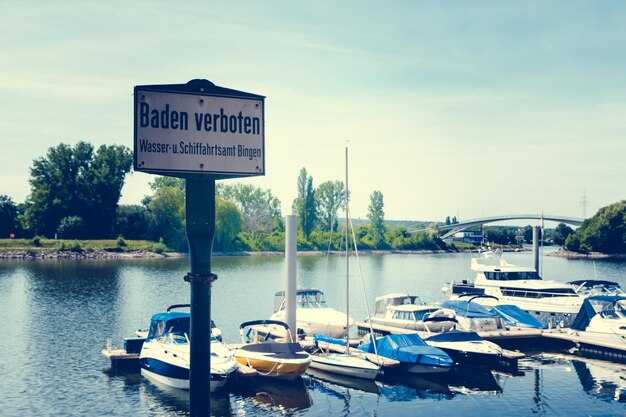 国際海域でのボート航行のヒント – 安全、法律、航海">

Always file a float plan before leaving international waters to reduce risk and inform a trusted onshore contact. Include vessel name, registration, exact route, estimated times, radio frequencies, and emergency procedures. A full plan kept on board and shared with a member on shore helps staying aligned if signals drop today.
Equip with the latest safety gear: life jackets for everyone, a working VHF radio, an EPIRB, and a 406 MHz beacon. Carry waterproof charts and a tight emergency kit, and verify your anchor setup and propeller health before every offshore leg. Regular checks are useful to keep the crew informed and calm.
Know the convention and flag-state obligations that cover your voyage. Understand basic rules of the road for international waters and how they apply near routes with heavy traffic. If you belong to a member club, use its coverage for weather alerts and rescue coordination, but verify information with official sources today.
Plan your route with official charts and the latest ENC data, and actively avoid frequented lanes during poor conditions. Confirm the forecast from national meteorological services and coastal rescue centers, and keep a full weather briefing on board. Update your plan if visibility or wind speed changes, and share updates with your shore contact to reduce surprises.
Be aware of political developments that can affect rescue coverage or safety in border zones. Monitor advisories, maintain an open line with coast guard authorities, and respect any temporary traffic separation schemes. Staying proactive and informing your crew about changes helps everyone stay safe and avoid unnecessary risk today.
Keep on-board practices safe by limiting speed near anchored vessels and frequented bays, performing prop checks, and recording a full log of events. Use route planning tools, stay informed with official coverage updates, and ensure things on board stay organized for a smooth, disciplined operation.
International Waters Boating Guide
Taking epirbs onboard and filing a float plan before venturing beyond legal limits of coastal waters sets a baseline for safety. This simple action speeds rescue and clarifies your course for responders.
Useful, practical actions cover safety, law, and navigation across nations. Use this guide to plan with confidence, and adjust accordingly as conditions change.
Even when the forecast looks calm, verify notices, restrictions, and regional guidance before departure. Across the world, boaters share practical lessons to improve safety and legal compliance.
- Equipment and readiness: include life jackets for all crew, waterproof charts, a working VHF radio, a handheld backup radio, AIS if available, and epirbs placed for quick access; carry spare batteries and a first-aid kit; tailor kits for small yachts and craft.
- Documentation and legality: legally operate by flag state rules; keep vessel registration, operator licenses, passports when crossing borders, and a crew list. Stay aware about local regulations and note restrictions that vary by country and zone, including exclusive economic zones and safety requirements for on-water activities.
- Navigation and course planning: plot a route with current, wind, and tide data; load up-to-date charts; use AIS and GPS to maintain situational awareness; set a fuel and daylight limit and plan for contingencies.
- Pirate risk and security: check current advisories before long crossings; avoid known hot spots; adjust your course with routing; never sail toward visibly suspicious waters; report incidents to naval or coast guard authorities.
- Vessel operations and crew: assign a driver and a lookout; maintain a strict watch schedule; practice man-overboard drills; keep a life raft and throwable device accessible on-water.
- Emergency planning: epirbs, distress calls on VHF 16, and satellite beacons improve response times; have a clear action plan for flooding, fire, or engine failure; have a backup plan to reach a safe harbor or near-shore assistance.
- After-action and learning: log every voyage, capture notes on restrictions encountered, and share useful findings with companions; include economic considerations such as port costs and mooring fees to plan financially when crossing nations.
Pre-Departure Safety Gear Checklist (PFDs, Flares, EPIRB, Liferaft)
Verify PFDs, Flares, EPIRB, and Liferaft are on board, accessible, and within service dates before you depart.
PFDs: Ensure every passenger has a properly sized, Coast Guard-approved life jacket. Inspect straps, buckles, seams, and reflective tape; replace any item showing wear. Keep at least one spare PFD for each known passenger in a dry, visible location near the companionway. If a buckle or strap shows deterioration, it is indicating replacement.
Flares: Check expiration dates on handheld and parachute flares and discard anything past date or damaged. Store in a sealed, labeled container in a cool, dry spot. Rotate stock so older units are used first and replace spent flares before the next voyage.
EPIRB: Verify registration is valid for the vessel and the device is up to date. Test per the manufacturer’s procedure, ensure the battery is within service life, and confirm the antenna is clear. Mount the unit for rapid activation in an emergency and log the last test date; carry a backup beacon if feasible.
Liferaft: Inspect the inflation system, painter line, sea anchor, and repair kit. Confirm the hydrostatic release unit is connected and free of corrosion; check canopy fabric for tears and confirm accessibility of the launch handle. Ensure the liferaft has been serviced within the manufacturer’s interval and record the service date; schedule annual service before longer coastal passages.
Packing and storage: Assemble gear into a compact safety kit, with each item clearly labeled and stored in its own watertight container. The kit includes a safety log and a quick-reference card for all passengers, helping you plan the boarding sequence. Taking these actions pays off in real time, and you can prep passengers in minutes. Secure all items so they do not interfere with movement, access to the cockpit, or navigation gear, with some items stored over labeled bins for easy sighting.
Documentation and reporting: Maintain a small safety log with the date of checks, any issues, and corrective actions. If you identify known issues or damage, report them to national authorities or coast guards and update your EPIRB registration records as needed. Be aware of restrictions that apply to coastal routes and international water passages, and adjust plans accordingly.
Ocean-wide practice: In global oceans, this kit is useful for protecting passengers and ecosystems. There, conditions can change quickly, so a steady rate of checks helps you catch wear early and reduces risk over the voyage, including during an encounter with distress signals. Taking these steps without delay makes the operation safer for everyone.
AIS and Monitoring: Transmission Requirements and Best Practices
Enable AIS Class A on all eligible international voyages today and verify your MMSI, vessel name, flag, call sign, vessel type, and route before departure. Accurate data improves response times for search-and-rescue and makes you easier to identify by port authorities and nearby traffic.
Designed for reliability, install AIS with a dedicated power supply and a stable GPS input, then run a full self-test. Position the antenna as high as possible with a clear line of sight to open-sky reception, and route cables away from high-EMI gear. Maintain a clean deck layout to prevent multipath signals that can mislead a navigator and potentially indicate equipment faults.
Class A is mandatory for vessels on international voyages under flag authority guidelines; Class B provides visibility for smaller boats and enhances safety in busy lanes and at anchor. Review the requirements of your flag authority and any visa or border rules that might affect your route before planning long passages with mixed traffic.
For monitoring, keep AIS on continuously and compare your own data with nearby targets on the bridge display. Use radar or VHF together with AIS to validate tracks and adjust speed or course early to avoid conflicts. If you observe an approaching vessel that’s indicating risk, reduce speed and alter course in a predictable, rule-compliant manner.
epirbs and SARTs remain essential redundancy. Ensure epirbs are registered with the flag authority and tested according to the manufacturer’s schedule; keep SART within reach and test the distress alarm. Do not rely on AIS alone in distress situations, and practice using both AIS and GMDSS procedures during drills, especially if youre operating near diving operations or boarding teams.
Special considerations apply to operations on adventurous routes: near busy harbors, in fishing grounds, or during load-ins and boarding. Keep alcohol off watch, avoid operating radios during critical maneuvers, and ensure crew understand the priority of AIS visibility in such conditions. Something should always be in place to prevent misinterpretation of data and to avoid false alarms.
Tips: test your setup before departure, validate target data with radar, and maintain a log of AIS events. Youre responsible for keeping your data accurate, up to date, and consistent with the flag authority’s records. comfortable, unmatched situational awareness helps create a smoother experience for your crew and fellow boaters when navigating open routes and coastal waters.
国際的な慣習への適合と遵守を示すことは、あなたと他の船員の経験を向上させ、海での脅威を軽減し、港への立ち寄りやビザチェックが発生した場合の当局とのコミュニケーションを円滑にします。.
| Aspect | Class A | Class B | Best Practice Notes |
|---|---|---|---|
| 動的なデータ更新 | 移動時2秒;アイドル状態約3分 | ≈30秒の移動時; 長いアイドル時 | データを最新の状態に保ち、レーダーで相互検証する。 |
| 静的データ更新 | 6分ごと、または変更時 | 6分ごと、または変更時 | 船舶名、MMSI、国旗、種類、および航路を確認する |
| 必要なデータ | MMSI、名前、国旗、コールサイン、種類、航路 | MMSI, 氏名, 国旗, タイプ | 旗の権威記録との整合性を維持する |
| Power & backup | 専用供給 + バックアップ | 推奨される専用供給 | テスト電力; 単一点故障の防止 |
| Antenna placement | 高い、クリアな視界 | 高い、クリアな視界 | 障害を避けてください。搭乗時に点検を行ってください。 |
| Monitoring integration | レーダー/ECDIS連携;継続監視 | 定期的に監視。アプリ連携 | 他のセンサーとAISターゲットを整合させて脅威を軽減する |
| 緊急機器 | 登録済みEPIRB;SART準備完了 | epirbs recommended | 登録当局にエピルブを登録する;スケジュールに従ってテストする |
Colregs 簡易参照: 先行権、灯火および信号

立向船と優先権のある船を数秒で特定し、衝突を避けるために進路を調整してください。状況が不明瞭な場合は、安全な速度まで減速し、十分に離れてください。.
交差する際に、相手の船が右舷側にある場合は進路を譲りなさい。監視を続ける船は、航行中の周囲の全ての人の可視性と予測可能性を維持するために、現在の進路と速度を維持します。.
夜間は、標準的な航海灯を表示してください。左舷側には赤色灯、右舷側には緑色灯、そして進水中であることを示す白色灯を使用します。停泊中または視界が制限されている場合は、全周白色灯を追加してください。公表されているパターンに従い、操作区域を清潔で視認性を保ってください。.
衝突の危険がある場合は、簡潔な音響信号を使用して動きを調整してください。霧や視界不良の場合は、速度を落とし、最大限の注意を払って進んでください。VHF無線機を携行し、最初の段階としてチャンネル16で緊急事態や調整の必要性を報告してください。.
お住まいの国の最新の規制を常に把握しておきましょう。お近くの水路に関する規則の公表された内容を確認し、航海ガイドに掲載されているように、現地の規則に沿って行動していることを確認してください。.
人気のあるクルージングルート周辺の混雑した水路を航行する際は、余裕を持った間隔を保ち、浮力、船、水泳者などの物事に注意してください。 チャートと位置を使用して、コースを確認し、予測可能なコースを維持しながら、急激な変更を避けてください。.
負傷者を発見した場合や救助活動が行われている場合は、救助隊と連携し、当局に報告してください。乗組員の安全を確保し、自身の安全や船上他の者の安全を危険にさらさない場合のみ支援を提供してください。.
VHF無線通信プロトコルとメーデー/パンパン手順
差し迫った危険に直面し、支援が必要な場合は、直ちにチャネル16でMAYDAYを送信してください。その後、救助を調整するために動作するチャネルに切り替えてください。. 船名、コールサイン、またはMMSI、位置、船上人数、および緊急事態の内容を含めてください。MAYDAYを3回繰り返したら、対応を迅速化させるための簡潔で実行可能な詳細を伝えてください。.
Mayday call format: MAYDAY, MAYDAY, MAYDAY. This is Sea Spirit, MMSI 987654321, position 37.7749 N, 122.4194 W, course 120°, speed 3 knots, 4 aboard, engine fire. We are under heavy weather and request immediate assistance. If you hear this, acknowledge and relay the information to the appropriate services on nearby channels. After contact, move into a working channel for coordination as directed by the leader on scene.
Pan-Pan call format: PAN-PAN, PAN-PAN, PAN-PAN. This is Sea Spirit, MMSI 987654321, position 37.7749 N, 122.4194 W, near the Golden Gate, urgent but not life-threatening. We have a mechanical issue and require assistance. Monitor Channel 16 and be prepared to patch through to coast guard or rescue services on a working channel. Acknowledge and log details for reporting.
チャンネルの規律と手順:最初の緊急通報のためにチャンネル16を空けておき、救助隊との継続的な対話のために指定された通話チャンネルに移行してください。音声が不可能な場合は、チャンネル70のDSCを使用して緊急警報を発信し、すべての送信中には常にチャンネル16を注意深くモニターしてください。重複した送信を避け、特に近くの船舶が応答する場合、電波が混雑するのを防ぐために、単純なコールカウンターを使用してください。.
作戦準備:指定されたオペレーターのライセンスと無線手順訓練を検証し、報告機能を準備し、無線機と予備バッテリーを電源に接続し、手の届く場所に置いてください。各航海にチャネルマップを計画し、16から推奨される業務チャネル(6、13、または地域相当)への明確な移行を行い、地域の沿岸警備隊サービスと連携してください。.
安全装備とオンボードでの行動:いかなる緊急時にも、静かに保ってください。 jacket オンにして、ゆっくりとそしてはっきりと話してください。位置を角度または地標で示し、次の行動を相手と確認し、重要な詳細を曖昧にする可能性のある不要な話を避けてください。状況が悪化した場合、近くの船舶に情報を伝達して協調的な対応を開始してください。.
報告と説明責任: MAYDAYまたはPan-Pan事態が発生した後、適切な当局とサービスプロバイダに報告し、時刻、位置、メッセージ、および講じた措置を記録してください。この報告は、MARPOLコンプライアンスとライセンス要件を支援し、法的責任を軽減し、計画担当者が機関間で救助資産を調整するのに役立ちます。関与した人数、安全への船の方向、および環境または医療上の考慮事項を示し、対応者が対応を調整できるようにします。.
Planning and coordination: throughout all activities at sea, establish a dedicated communications lead, keep other crew informed, and maintain a clear chain of reporting. With a coherent plan, you can avoid confusion and ensure that many rescue assets–nearby coast stations, harbor services, and rescue boats–assist in a timely manner. In practice, a well-maintained plan reduces delays by countering miscommunications and keeping all parties on the same page.
Documentation, Flag State Rules, and International Licensing for Your Route
Verify licensing and flag state requirements for every leg of your route at least six weeks before departure. Contact the flag state authorities and the port states you will visit to confirm required certificates, endorsements, and documents. Share them with the captains to keep plans aligned.
Compile a documentation package: vessel registration or proof of ownership; current radio license and MMSI; GMDSS certification; safety equipment testing results; insurance certificate; crew certificates for captains, engineers, and able crew; medical certificates; passenger manifests; and your voyage plans.
Flag State Rules: When you sail under a flag, that state governs your vessel in international waters and during entry at foreign ports. Schedule annual surveys, ensure valid tonnage and safety endorsements, and keep crew licenses current. Some flags require drills and formal record-keeping you must log.
International Licensing: Identify which licenses are recognized across jurisdictions along your route. Secure an appropriate captain’s license and any engineer or radio operator endorsements; obtain endorsements for carrying passengers if you plan to transport them; keep expiry dates visible and renew on time.
Territories and jurisdictions: Your route may touch multiple territories; each may demand different clearances. Before calling at a port, confirm local port entry and clearance procedures; maintain a cross-border log with contact details for authorities in each area; track submission dates for permits. If you want to minimize delays, pre-file forms with the relevant offices.
Practical tips for staying compliant: Maintain digital and physical copies of all documents; store in a shared drive accessible to captains and crew; review licenses annually with a seasoned leader; set reminders six months before expiry; if an injury occurs, notify the local authorities and the flag state to receive guidance; ensure transport plans and on-board procedures cover emergency response. If crew changes require flying, coordinate with authorities to confirm that licenses, medicals, and endorsements remain valid for the trip.
Benefits you gain include smoother check-ins at ports, faster clearance with authorities, enhanced protection for passengers, and better access to insurance coverage when you keep licensing and documentation up to date. Staying compliant supports responsible voyages and respects nearby ecosystems while leaders and captains keep plans on track.