


 日本語
日本語  English (UK)
  Русский
  العربية
  한국어
한국어  Magyar
  Türkçe
  Español
  Čeština
  Svenska
  Português
  Ελληνικά
  Suomi
Suomi  Nederlands
  Română
  Italiano
  Français
  Polski
  Українська
  Deutsch
  简体中文
简体中文  Slovenčina
  Texas Boating Guide – Where to Boat in Texas – Top Spots & Essential Tips">

まずは現実的な計画から始めましょう。近隣のマリーナからポンツーンボートをレンタルして、穏やかな貯水池で家族と週末を過ごすのです。. 初めての方には、日陰の座席と簡単なエントリーが付いたレンタルが安全を保ちながら、風と水流の中で練習できます。日没前の4時間の外出は、穏やかで静かなスタートを提供し、浜辺での軽食の時間も残します。.
ローン・スター・ステート(テキサス州)では、水上アドベンチャーに最適なエリアがいくつかあり、あらゆるレベルに対応できるマリーナやレンタル施設が充実しています。 都市部の近くには多くの選択肢があります。, especially ルイスビル、グレープバイン、コンローなどの湖は、穏やかな水面と容易な ドライブ 都市から離れて。手軽な週末旅行をお考えのご家族にとって、これらの選択肢は実用的で便利です。湾岸地域では、安定した風が吹く貯水池が見つかります。 sports 愛好家や広大な入り江に serene クルージング。ヒルカントリーの端では、トラビス湖と近隣の水域が sunset シルエットと hidden 光が薄れるにつれて探検できる入り江。より険しい体験を求めるなら、海岸沿いの湾がおすすめです。 sunset 家族での冒険に最適な景色と浅い砂州が広がります。.
計画時には、風の予報や水の状態を監視してください。多数存在します。 types レンタル会社で利用できる船舶の種類。初心者には、ポンツーンが安定した足場を提供し、スリルを求める人には、バウライダーがより速いスピードを提供します。ライフジャケットを用意し、安全計画を立て、水温、場所、日没時間などの重要な詳細を記録して、状況が変化した場合に調整できるようにします。. 正直に言うと, 柔軟に対応することで、最大限に活用できます。 weekend そして、軽率な決断は避けてください。. youre 初めてですか?まずは一番シンプルな構成から始めて、そこから構築していくといいでしょう。.
有名な湖の先に、穏やかな湖畔沿いの隠れた名所を探し、そこで停泊してグリルをしたり、夕日を楽しんだりできます。近隣には多くの選択肢があり、組み合わせることも可能です。 ドライブ 釣りをはじめ、チュービングやカヤックなど、水上アクティビティを楽しめるマリーナへのアクセスも容易になりました。レンタルにはギアも含まれています。 sports そして、レジャーを組み合わせて楽しむことができます。 everything 日帰り旅行に。このアプローチの魅力はバランスです。湖畔の町を拠点とし、手軽に ドライブ マリーナへ、, レース 家族連れに優しい立ち寄り場所を案内する標識、そして夕焼けを捉えた写真。 everything 水上での時間、家族、友人、そして何気ない瞬間、それこそが好きなんだ。安全のため、必ず日没前に岸に戻ること。.
テキサス州ボートガイド:テキサス州のボート遊びにおすすめの場所 – 人気スポットとヒント;ルイスビル湖
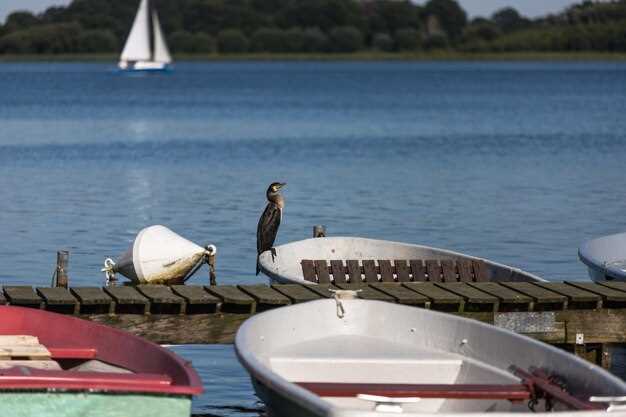
夜明けのルイスビル湖へ逃れ、穏やかな水面と理想的なウェイクボードのコンディションを楽しみ、一日の終わりは北岸沿いのサンセットクルーズで締めくくりましょう。.
水上での一日を計画する際の重要な考慮事項:
- Location and access
- 郡境の可視性:デントン郡とダラス郡の間に位置し、広大な幅と長い湖岸線を有し、これらの活動のための地域レクリエーションネットワークの一部を提供します。.
- I-35EとSH 121の近くにランプと駐車場が集まっており、春の訪問はグループや家族連れにとって便利です。.
- What to do
- 平日と週末にはウェイクボードなどの動力付きスポーツが盛んで、団体向けのレンタルオプションもあります。
- バス釣り、そして支流では時折マスも釣れる。地元の釣り人からの情報では、朝早くか夕暮れ時に最高の食いがあるとのこと。
- 穏やかな入江は、プールのような水泳やスタンドアップパドルに最適で、初心者にもおすすめです。
- 装備、計画、予算
- getmyboat ではお得な船舶や装備が見つかります。時間料金、保険、付属の安全装備を比較検討しましょう。
- 大人数でパーティーをする場合は、複数台のボートを予約して、全員が順番に乗れるようにしましょう。
- 出かける前に必ず現地の天気予報やデータをチェックし、特に春先や初夏は突風が発生しやすいため注意してください。
- グループのスケジュールを調整するために、簡単なフォームを使ってください。
- 季節ごとの時期と近隣のアトラクション
- 春の夕暮れは、暖かな空気と冷たい水をもたらすことが多く、サンセットセーリングに最適です。
- 国境の町周辺には観光スポットがあり、食事も楽しめますので、一日中楽しめます。
- 近隣のウェイコに立ち寄れば、ドライブの気分転換になり、川沿いの飲食店を探検できます。
テキサス州でのボート遊びの実践ガイド:まずはルイスビル・レイク、次に主要スポット
まず、基本.
次に、ラボン湖やレイ・ハバード湖といった近場の行楽地を目指しましょう。ラボン湖は広大な水面と入り江が混在しており、アクセスしやすい傾斜路や石灰岩の露頭に囲まれた入り江があります。地元の調査によるオオクチバスのデータによると、水深が中程度の場所にあるカバーの周りで安定したアタリがあるとのことです。地図やアプリを持参して、樹木の生え際にある有望な場所を見つけましょう。レイ・ハバード湖は見通しが良く、風の影響を受けやすいため、外洋での安定性と旋回の精度を高めることができます。流出口やダムの周辺には、岩棚や樹木の集まりがあり、慎重な水深管理が必要です。.
ダラス地域を離れると、トラビス湖は異なる気候パターンとより急な岸辺を持ち、オープンウォーターのレパートリーを広げます。トラビス湖は、春の午後の暖かさとより深い水路が特徴で、週末のリズムを形作る豊富なボートやレクリエーションイベントがあります。長めのランニングを計画している場合は、海岸線を味わうために数時間含め、入り江の入り口周辺の安全マージンを考慮してください。地元のクラブやマリーナからの情報は、レガッタ、オープンウォータースイム、釣り旅行の計画に役立ち、早めに到着し、日中の交通が混雑する前に出発できます。.
実用的なキットを組み立てる際は、シンプルなルールに従ってください。乗員全員分の信頼できるライフジャケット、投げ縄、コンパクトな救急箱、水と軽食を保存するための小型クーラーを必ず用意してください。また、現在の天候と風のパターンを確認することをお勧めします。春は気候の変動が頻繁に起こり、急に波立つ小川を避けることができます。さらに、水位、ボートランプの状態、駐車場の空き状況など、重要な事実を記録してください。これらの情報は、今後の旅行を最適化し、不要な遅延を回避するのに役立ちます。.
ルイスビル湖:主な発射スロープ、駐車のヒント、アクセスポイント
Recommendation: 東側の傾斜路から出発。広いデッキ、十分なトレーラー駐車場、明確な積み込みスペースがあります。年間を通して利用でき、穏やかなスタートと十分な日光が得られるため、迅速に到着して水上に出発し、最小限の遅延で戻ることができます。.
北岸と東岸沿いの公共スロープは、ザ・コロニー、コリンス、リトル・エルム、レイク・ダラスに対応しています。各場所には、舗装された進入路、浮き桟橋、およびステージングデッキがあります。スロープは、小型のランナバウトから大型艇まで、さまざまな種類のボートに対応できます。週末は混雑が予想されるため、早めに到着し、予備のアクセスポイントを考えておきましょう。.
Parking guidance: most public facilities offer free parking, but overflow can occur during peak times. Use designated trailer stalls, keep aisles clear, and avoid blocking loading lanes. If the main lot is full, check adjacent parks within a short walk to keep your travel schedule on track; carry a spare tie-down and lock gear when you’re away from the craft.
Access points: signage and maps from city parks departments simplify locating the ramps. Getting there is straightforward via the primary corridors serving The Colony, Corinth, Little Elm, and Lake Dallas. For known information, check the official pages before you go; adventurers often pair a lake day with a side trip to conroe or galveston for a broader kingdom of water-based exploration.
A fact: bass and catfish are common, and trout can appear in cooler months near inlets. The scenery across the water is dazzling, star viewpoints line the shore, and calm mornings provide a serene backdrop for travelers getting started with cruising and exploration. From the deck to the shoreline, boats and other forms of boating offer options for beginners and enthusiasts alike, making this place known as a huge kingdom of water recreation throughout the region for adventurers and lovers of lake life.
Dallas–Fort Worth area: best launch points and navigation tips

Begin at Lewisville Lake’s Little Elm Park ramp for fast access to a diverse waterway and quick, enjoyable cruises with a boatpontoon and other watercraft.
Across the city’s lakes, this part of the kingdom adds a premier set of options that many travelers use throughout the year. This list of launch points form a jewel-like network with miles of shoreline, offering fantastic routes for trips and excursions alike. The media often highlights these locales as exceptional spots where travelers can enjoy calm coves or open-water cruises; these options keep you moving and provide countless ways to enjoy the water throughout the day. lacee patterns on the shorelines add a visual texture as you cruise, making every mile a part of your story.
- Hours and access: most ramps operate dawn to dusk; verify current hours with the respective parks department, as some sites extend or shorten service in peak or maintenance periods.
- NAVIGATION: use official charts and on-board GPS; stay in marked channels, respect no-wake zones near inlets, and keep a lookout for known boat traffic hotspots throughout the day.
- Launch-plan: match watercraft type to terrain; pontoons suit long, relaxed cruises; sport boats excel on open bends; have a backup spot in case of crowds.
- Scheduling: build a data-driven plan with a little buffer for retrieval and weather shifts; this approach helps these trips stay on track and avoids delays.
- Safety and etiquette: carry life jackets, file a float plan, and respect nearby boaters and shore users to maintain a positive travel experience for travelers who come to enjoy the water.
- Lewisville Lake – public ramps near The Colony and Little Elm provide fast entry for morning cruises; hours typically dawn to dusk; ideal for boatpontoon trips and family outings.
- Grapevine Lake – Rockledge Park and Bob Jones Park ramps offer scenic circuits along a long shoreline; early hours provide glassy water and fewer crowds.
- Joe Pool Lake – Loyd Park ramps give straightforward access for relaxed days on the water; best for moderate winds and calm coves.
- Lake Ray Hubbard – Rowlett and Garland ramps give central access to nearby coves and the Trinity River corridor; plan parking and retrieval on busy weekends.
- Lake Arlington – Arlington city ramps provide a practical option for practice runs and urban escapes; weekends can be crowded, so arrive early.
These choices throughout the metro area enable diverse, flexible itineraries for water lovers. If you want a longer journey, explore the sequence from Lewisville to Grapevine, then to Joe Pool and Ray Hubbard for a broad spectrum of shorelines, wildlife, and city views–these trips offer a fantastic blend of scenery and accessibility. For redfish excursions, coastal options exist beyond this inland cluster, but inland routes provide a reliable option for travel and learning the craft. The data here can help you craft an exceptional plan that will become part of your personal watercraft story.
Gulf Coast access: Corpus Christi Bay and Port Aransas launches
Recommendation: Rent a motorized craft from a waterfront shop near the harbor to reach Corpus Christi Bay and Port Aransas launches quickly, especially on sunny days when events draw visitors.
Public ramps along the waterfront are open from dawn to dusk for motorized vessels. Carry a license or Boater Education Certificate and a photo ID; keep the registration data handy. Check local information and media advisories for updates on open hours, restricted zones, and seasonal closures, as winds shift and river data changes.
Avoid lone runs after dark. Corpus Christi Bay presents wide channels with deepened routes near the inlet, plus broader flats that ease cruising for beginners. Use up-to-date charts and river data to stay inside safe lanes; watch the tide and current, which matter for planning your run from the hill overlook area toward the waterfront and around the jetties. For photo opportunities, position yourself on the public seawall and capture a sunny dawn launch before crowds gather. A possum sometimes sits on the grass near the hill, adding a touch of local color to your shore stop.
Port Aransas launches span several ramps around the harbor and marina, providing straightforward cruising routes to Mustang Island and surrounding bays. If you’re visiting austins, aim for a midweek arrival to maximize water time; rent a boat for a day or two to explore wide shallows and deep channels. Until you’re confident, stay near protected waters and follow posted speeds; permit and license checks are common near the harbor.
Known patterns show weekends draw more visitors. For ongoing information, local media and city pages publish events calendars, waterway updates, and ramp conditions. These data points help plan open days and allocate spare time for visiting photo crews and families. Galveston media coverage mirrors regional alerts, so use the data and ways to stay informed. Always have a backup plan in case shore closures occur, and consider a follow-up water excursion when weather prospects look favorable.
Hill Country & West Texas: wind patterns, coves, and safety considerations
Check wind forecasts at lruddboatsettercom before taking a day on the water, and start at a sheltered spot near a waterfront marina. In the Hill Country and West region, wind often funnels through canyons, shifting quickly after midday. In march, thermals strengthen; mornings are calmer, especially for families taking casual trips.
Wind patterns run west to east, amplified by terrain and canyon mouths. In the afternoon, gusts can produce chop on open water; route through coves or along shorelines for a smoother feel. Always monitor state weather conditions and adjust plans; a lighter boat handles better around narrows and bends, and gives you more time enjoying sunny periods.
Coves around lakes offer wind shadow; enter through wider mouths and watch for current lines where water meets wind. Choose a waterfront launch with easy access to shoreline coves, and keep a list of good anchor spots. For trips with kids, pick coves with shallow water and gradual drop-offs; the surrounding scenery often provides a fantastic backdrop for photos and relaxation. The texoma line shares similar dynamics, with gusts shifting quickly around promontories, although calmer mornings are common.
Safety basics: wear life jackets for every passenger, carry a working VHF radio, and bring a whistle. Maintain moderate speeds around coves and near other craft; avoid wakes near shore, and stay clear of fisherman lines. Never drink and operate; end the run and return to shore if conditions deteriorate. A dose of caution doesnt hurt; never head out without a plan.
For travelers seeking easy, family-friendly options, a waterfront resort or a launch point near Lacee Marina offers a reliable base on the texoma line. The list of nearby attractions includes public beaches, hiking trails, and lakeside eateries–a fantastic spot for a day trip or a longer stay. Plan around calmer mornings and sunny afternoons to maximize water time and relaxing moments around the shoreline.
Launch logistics favor small, easy craft for beginners; many rental outfits along the waterfront provide short trips to sheltered coves and nearby attractions. If you want to explore both sides of a lake, Lacee area offers a solid spot with ramps and a few services; it’s a good option for a weekend getaway that doesn’t require heavy planning.
Travelers can build a practical routine: check forecast, pick a sheltered cove, and start with a waterfront app or map. With careful planning, wind patterns, coves, and safety steps create lasting memories on the region’s lakes.
Regulations and safety basics: licensing, PFDs, lights, and required gear
Always verify licensing requirements before you launch; many states require proof of competency or completion of an approved safety course to operate a motorized craft. This keeps people safe during drives on sunny spring weekends along the coast and lakes.
Wear a U.S. Coast Guard–approved PFD for each person, and keep them accessible; children under 13 often must wear while underway in many jurisdictions. This simple rule saves lives when conditions change on busy waterways near the galveston coast and inland lakes such as conroe reservoirs and travis-area waters. lacee including this reminder helps stay consistent across voyages, and this list provides a practical baseline for boating safety until you review local rules.
Navigation lights must be used from sunset to sunrise or when visibility is reduced; inspect bulbs and batteries, ensure proper mounting, and replace worn parts. Having functioning lights improves visibility to other craft on the wide coast and diverse inland routes, which attracts more families to enjoy boating in different seasons–sunny days, spring breezes, and cooler evenings alike.
Gear minimum includes a sound signaling device, visual distress signals as required, a fire extinguisher, a throwable device, an anchor with line, a bilge pump or bailer, a whistle or horn, and displayed registration numbers. Keep this on board and refresh it during spring sales; this approach helps those boating across states stay compliant and prepared, including journeys near galveston, conroe, and travis-area waters. posssum note: lacee style checklists can appear in media, but this practical list stays focused on safety and legality, providing broad coverage for many venues. until rules change, use this as your baseline to stay ready on the water.
| Item | Requirement |
|---|---|
| Licensing/competency | Proof of competency or completion of a safety course may be required; carry documentation on board; rules vary by vessel size and location. |
| PFDs | One U.S. Coast Guard–approved life jacket per person; wear them underway or while towed; ensure proper fit and accessibility. |
| Lights | Navigation lights required from sunset to sunrise or during reduced visibility; check polarity, batteries, and mounting; ensure visibility to other craft. |
| 音響信号 | Whistle or horn; required for many vessels; keep within easy reach and test periodically. |
| 視覚上の緊急信号 | Flares or electronic signals as mandated; replace expired devices; inland vs coastal requirements may differ. |
| Fire extinguisher | Appropriate class for the vessel’s space; verify charge and accessibility; commonly required for enclosed compartments. |
| Throwable device | One Type IV device within reach; store where it can be grabbed quickly. |
| Registration/identification | Display numbers on hull as required; keep proof of ownership on board and renew when needed. |
| Additional gear | Anchor with line, bilge pump or bailer, spare parts, and basic toolkit; consider weather-appropriate gear for lake and coast operations. |