


 日本語
日本語  English (UK)
  Русский
  العربية
  한국어
한국어  Magyar
  Türkçe
  Español
  Čeština
  Svenska
  Português
  Ελληνικά
  Suomi
Suomi  Nederlands
  Română
  Italiano
  Français
  Polski
  Українська
  Deutsch
  简体中文
简体中文  Slovenčina
  Surf’s Up – The Ultimate Guide to Surfing for Beginners">

Start on an 8’0″ to 9’0″ soft-top longboard at a gentle, sandy-bottom beach with small, manageable sets. Practice the pop-up on your sofa to build muscle memory, because this motion translates directly to the water. This plan is based on proven tips for beginners who want steady gains, not tricks. If youre new here, start with 20-minute sessions and progress to 40 minutes as you build confidence, then add a short paddling routine for more balance work.
Focus on paddling and popping up together: take long, smooth strokes with elbows tucked, then push up in a single motion. Catch waves within a broad range where you can stand up easily; your stance should be comfortable, with feet shoulder-width apart and weight evenly distributed. Practice both paddling and pops in one block: ten paddles, five pops, repeat twice to lock the rhythm and see better faster progress, plus more confidence on every wave.
Read the ocean to spot where it breaks; if a set looks massive, move to an inside peak and turn your board to ride the shoulder. Keep your heart steady by breathing long, slow breaths and by quieting the lizard brain with calm, deliberate moves. Respect others by staying in your lane and exiting or entering the line with clear communication; youre learning, so progress together with a friend to share feedback and stay motivated.
Gear and travel notes: start with a soft-top longboard around 8’–9′, add a 6–7 ft leash, and use wax or traction for grip. spending time in the water beats shortcuts, so aim 60–90 minute sessions, 3–4 times weekly. If youre planning a trip, sumatra offers warm water and forgiving reef breaks during the shoulder seasons; you can mix this with cruises or a cruise-style itinerary for a relaxed vibe. Bring souvenirs from each session, log what worked, and everything will feel easier when you ride together with friends and compare notes.
South Pacific Surfing on a Driftwood Superyacht: Practical Starter Guide
Book a 7-day driftwoods‑styled superyacht charter in the South Pacific, with a dedicated surfing host, and target beginner-friendly reef breaks near island destinations. The driftwoods aesthetic on the deck adds character as you pursue adventure, and youre ready to progress with experienced coaches aboard. The ship offers privacy, you can spend mornings on boards and afternoons relaxing in the jacuzzi, while still enjoying luxury on deck.
On deck you get directly access to a variety of breaks as the yacht moves between anchorages. Since many breaks are close to island destinations, you can read the forecast and adjust plans before lunch. You can move forward between reefs and lagoons, and if a session doesn’t click, try again the next dawn. Every move is designed to maximize water time and spending on learning, since youre here to grow your surfing skills and explore new coastlines.
Gear for confidence: two boards cover you for plan A and backup plan B. Bring a 7’6″ soft-top and a 7’0″ hybrid, plus a spare smaller board. In addition, wax, a leash, fins, booties, rash guards, sunscreen, and a compact pump. Pack a lightweight dry bag with valuables and a couple of water toys for downtime on calm days. And dont skip safety checks before each paddle.
Starter itinerary
| Day | Location | Focus | 備考 |
| 1 | Port to sheltered anchorage near Island A | Safety briefing, pop-ups, paddling | Calm 2–3 ft seas |
| 2 | Island A reef break | Stance, timing | Gentle green waves |
| 3 | Island B lagoon and nearby reef | First sessions on boards | Observe currents |
| 4 | Between Island A and B | Video review, corrections | Notes to apply |
| 5 | Island C or another destination | Multiple breaks | Try different lines |
| 6 | Day at sea | Light practice, deck yoga | Recovery and forecast refresh |
| 7 | Return to port | Rundown and debrief | Pack and reflect |
Safety and etiquette: Wear a leash on all breaks, follow local rules, and keep clear of others’ lineups. Protect coral and marine life, stay hydrated, and check weather windows each morning with the captain. Since you spent years chasing bigger waves, keep ego in check on unfamiliar reef setups and stay conservative in the first days. This approach minimizes risk and keeps the adventure rewarding.
With this starter plan, youre ready to tailor the experience to yourself, manage spending, and explore destinations across the South Pacific. Read the forecast, adjust as you go over the week, and savor the variety of island breaks, the luxury of a sailing charters lifestyle, and the driftwoods vibe that makes every session feel like a small expedition.
Choosing Your First Surfboard and Gear for a Driftwood Charter
Start with an 8’6″ to 9’0″ soft-top foam board for your first sessions. This size offers stable buoyancy and forgiving paddling, making it easy to pop up and ride evenings when the water is calmer. For most adults, a 9’0″ baseline works well; lighter riders can opt for 8’6″ and heavier riders up to 9’6″ for extra flotation. Aim for a width of 23-25 inches and a thickness of 2.75-3.5 inches to balance stability and maneuverability. A flat rocker helps you catch small surfs and keep momentum without stalling.
Gear matters as much as the board. Start with a 6-7 ft leash, wax or a traction pad, and a thruster fin setup for stability. If you go with used boards, inspect the deck and fins for cracks and delamination before loading on tenders. Include a spare leash, a small repair kit, and a waterproof bag to keep tools and spare wax within reach while on deck.
Based on your weight and the shore conditions, pick the size accordingly. For riders under 120 lb: 8’0″-8’6″ boards offer buoyancy; for 120-180 lb: 8’6″-9’0″; for 190-230 lb: 9’0″-9’6″ with thicker rails. A thruster is fine for most, but a single fin helps you learn balance while you are still refining your technique. With proper stance, you’ll be able to catch small surfs and stand up smoothly. Keep your line toward the horizon and move forward when you gain speed.
On driftwood charters along the southern coast, evenings often bring calmer surfs near sheltered coves. Pack a second compact board as a backup for windy days. When you need to hop into a tender or be ferried to shore, the crew helps move gear safely. The deck gardens offer shade to rest between sessions, and a gourmet meal after surfs gives you something to look forward to during the voyage.
Time and preparation: plan sessions around tide windows and wind, check your wax and leash before departure. The guide says your expertise grows with consistent practice; coaches tailor tips on stance, paddling, and catching waves. Based on your progress, you’ll move from gentle glides to longer surfs along the southern coastline; the more you practice, the more stable your forward stance becomes. Still, stay mindful of others and stay within your comfort zone while learning this skill.
Vacations on a driftwood charter blend learning with relaxation. You can still train during evenings or sunset when crowds thin; keep equipment tidy, and use your touch to maintain smooth rides. Toys such as balance disks or foam paddles can help you build core stability on shore while waiting for the next surfs. Within this setup, boards and gear match your time and goals, turning a first-timer session into a memorable sailing adventure.
Beginner Drills: Paddling, Pop-Ups, and Balance
Begin with a 5-minute paddling warm-up to lock in the catch, build rhythm, and set a safe, manageable range on the water. Focus on clean reach, square shoulders, and a vertical paddle entry. Keep your hips quiet and your core engaged as you stroke at a comfortable cadence of 40–60 strokes per minute, adjusting to board length and current. Practice near driftwood markers or buoys to gauge your tracking and maintain a straight path.
Grip your board with hands about shoulder-width apart, then rotate the torso to drive the pull. Reach forward, catch the water with a flat blade, pull through to the hip, and exit near the knee. Maintain a relaxed grip and a smooth, continuous tempo; don’t lock your elbows. Always keep a soft grip and chase a clean line to help them stay balanced by keeping the lower body quiet to prevent wobble, especially around driftwood cues along shore.
Pop-up drill: place hands under shoulders, press up, then plant the front foot between your hands and stand tall with knees slightly bent. Keep your back straight, chest up, and look forward. On land or alfresco, practice 10–15 reps per set, alternating lead foot to foster balance. If you fail, drop back to a kneeling position, reset, and bring your stance closer to center to improve stability. Try using a luxury foam board to feel the difference in balance.
Balance-focused work builds confidence for real waves. Stand with feet hip-width, knees soft, weight centered over the midline. Hold for 15–20 seconds, then add a small turn of the upper body to simulate tracking along a line. Breathe slowly to stabilize the core. Practice near driftwood obstacles on the lower shoreline to test stability and adjust stance. As you progress, refine your talent and expertise so you can stay centered longer and move with more control from the water.
Sequence and progression: Paddle a length, pop up, and glide a few strokes before disembarkation for a quick shore break. Do this together with a buddy or crewed instructor to share expertise from the water and keeping you motivated. Bring water, sunscreen, and a dining mat for alfresco rest on the beach. Use a motorless cadence in flat water to build confidence, then extend your range and chase a cleaner line as you gain more control. The treasure here is steady progress and the matter of safety you carry into every session.
Where to Surf: Ribbon Reef 3, Coral Gardens, Escape Reef–Breaks for Beginners
Begin at Coral Gardens this morning: the shallow, sandy bottom yields knee- to chest-height waves that are forgiving. Bring a 7 ft foam board for adults and a smaller board for children; keep keeping your stance light and your paddling short, and stay well away from the coral edges. This family-friendly option lets them ride together on calm faces, and you can build confidence before moving to longer paddles. If youre unsure, dont hesitate to hire a local guide who can position you on inside peaks and show you how to read the break.
Across Ribbon Reef 3 and Escape Reef you’ll find a natural progression that helps beginners grow skills without pushing into heavy conditions. Whilst you build balance at Coral Gardens, you’ll notice the range of waves increases slightly at Ribbon Reef 3, giving you longer rides and a touch more pace. On clean mornings, the wave faces run well and you can practice popping up with smoother timing; if youre with family, plan a two-hour session, then swap to snorkel or a reef cruise to stretch the day.
- Coral Gardens – The easiest entry with a soft sand bottom and gentle takeoffs. Best on light winds and a clear reef edge; keep to the inside zone to avoid contact with corals. Many families start here because the paddle-out is short; it’s easy for them to practice pops. If you want extra security, pair with a guided lesson on a virgin reef you’ll share with others. After your session, enjoy a quick break on the shore and snack on amels or fruit while you watch the yachts glide by.
- Ribbon Reef 3 – A step up, yet still approachable. The range of wave heights is modest, with long, rolling lines that reward a steady rhythm. Entry from the sand patch is straightforward, but currents can shift; dont go alone if you’re new to paddling parallel to a reef. A morning charter with charterworld or a small cruise allows you to combine surfing with a reef cruise and a safety net of guides. Youre likely to see massive schools of trevally and a few sea turtles as you rotate turns along the edge.
- Escape Reef – Slightly more exposed, but approachable if you catch the right window. On calm mornings it offers clean, predictable faces; on bigger swells it can move fast, so beginners should go with a coach. This break sits near the island complex that hosts Lizard Island, and you can reach it by a short cruise from the mainland or as part of a multi-day cruise from nearby bases. For families, this is a good practice step after Coral Gardens and Ribbon Reef 3; you’ll keep together and pace yourselves, learning how to read wind shifts and current lines. Watch for a lizard on the rock and the reef’s edge, and remember that virgin corals require respect. The cruise atmosphere makes it easy to share the day with their friends and to learn while you watch massive reef life from the deck.
Gear and safety tips
- Boards: adults typically 6’6″–7’6″, kids 5’6″–6’6″. Foam boards offer buoyancy for pop-ups; choose a board that matches your weight and comfort, and consider a longboard for extra stability on slower sets. The right gear helps you move from one break to another with confidence and keeps the family experience together.
- Protection: leash, reef-safe sunscreen, water shoes, and a hat for shade on the boat. If you’re out on a cruise, bring a small bag with snacks and a bottle of water; some operators stock snacks like amels on long mornings.
- Technique: keep your shoulders square to the shoreline, stay low during paddling, and pop up in a straight line. If youre feeling off-balance, ride a few whitewater sections to rebuild confidence instead of chasing bigger sets.
- Safety: stay within the designated zones and respect other surfers; dont cut across the peak; ensure a buddy system, especially with children and beginners. While you learn, use a slower pace and focus on keeping control over your board and your line.
- Logistics: consider a reef cruise or island-based trip; charterworld offers guided tours and family-friendly itineraries that include snorkeling and diving in virgin reefs, often with stops at Lizard Island or other nearby isles. Yachts and cruisers can anchor off-island for quick sessions, making it easy to combine multiple breaks in one day. From the boat you can watch them glide past and plan the next leg of your morning together.
- Additional note: diving options are often available nearby for once you’ve built baseline skills, giving you a chance to explore corals and sea life between surfs.
Plan for your visit
- Spring air and calm mornings are ideal for beginners; schedule two hours per break and adjust as you gain confidence.
- Check the wind forecast the night before; light trades improve the form of Coral Gardens and Ribbon Reef 3.
- Book a guided lesson or a family-friendly charter if you’re new to reef breaks; guides help keep you safe and accelerate your learning curve.
Onboard Logistics: Packing, Storage, and Equipment Access
Pack a grab-and-go kit in a waterproof pouch near the hatch: wax, spare fins, multiple leashes, a repair patch, basic tools, a small first-aid kit, sunscreen, and a compact hand pump. Keep a radio and a waterproof phone bag in the same place so you can read signals from the bridge and stay in touch with the crew while you move between the boards and the reef.
Organize by zones on the yacht: lower deck lockers for wax, fins, leashes, and repair parts; padded board bags in dedicated racks; and a spill-free bin for cords and patches. On superyachts, reserve a surf trunk within reach of the saloon so boards stand upright and away from sofas; on smaller vessels, a wall-mounted rack plus under-bunk bins works just as well. This approach reduces wax spread, keeps lots of gear within reach, and speeds setup between sessions.
Access flow hinges on a simple guide and clear labeling: every spot should list what lives there–boards, wax, fins, leashes, and the radio–and how to retrieve it. The crew should be able to move items in less than time it takes to cross a deck, especially during changing conditions. Based on a laminated map, maintain a color system and readouts for quick checks; this makes it easier to organize during busy passages through Sumatra or other archipelagos, where away legs demand secure packing and fast access. Across the worlds of cruising, a standardized layout speeds transitions between yachts and keeps the operation predictable.
Security, maintenance, and etiquette matter: inspect boards for nicks after each voyage and use reef-safe wax to minimize residue on equipment. Keep boards away from heat sources and sun exposure to prevent delamination and wax melt; spread risk by keeping backups in a separate bag or locker. When you’re on a yacht with lots of crew, a short daily check in a guide-like routine helps everyone know where to go for supplies, and the whole operation stays smooth within the tight margins of time, so you can ride the next set without delay.
Safety, Etiquette, and Managing Wipeouts on a Charter
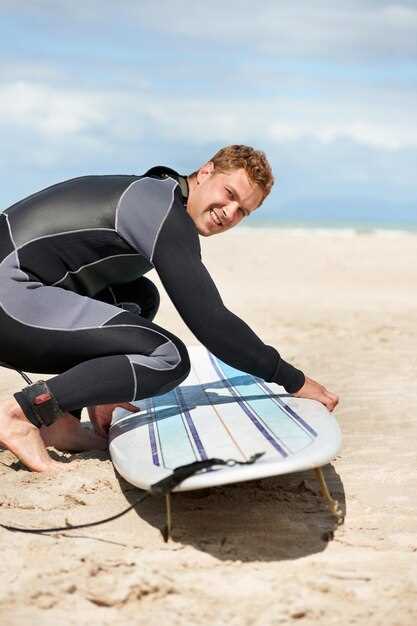
Start every session with a 5‑minute safety briefing and a buddy system on board. Assign a lead for the day, confirm a quick signal language, and review reef awareness, rescue steps, and where to go if someone is crewing a wipeout. This keeps both guests and crew focused during changing conditions and helps you handle any situation on a remote marine island stretch.
Equip each surfer with a leash, a bootie if water is cool, and a reef‑safe sunscreen. On reef breaks, consider a lightweight impact vest and a helmet for younger or less experienced surfers. Have a portable first‑aid kit, a long‑reach bilge pump, and a whistle or signaling device ready at hand. Check the board wax, fins, and leash before every session, and keep a spare board nearby in case one gets damaged during a wipeout near corals or a reef edge.
Etiquette starts with space and respect. Between Sessions, group surfers by ability, and assign closer supervision for children または young riders. In crowded conditions, yield to the surfer who is farther out or more confident, and avoid dropping in on someone else’s wave. If you’re on a charter with a mix of locals and guests across 島々 or a range of variety breaks, keep the lineup clear and friendly, so everyone has a fair chance to ride and recover quickly after a wipeout. Remind guests to keep hands and feet away from corals and to stay off the reef to protect the underwater habitat you came to enjoy.
Managing wipeouts safely requires a calm plan. If you wipe out, protect your head with your forearms, roll away from the board, and then surface with the leash line taut to locate your board without tangling. If you’re caught in a tight current or near a reef edge, time your ascent to a current‑safe zone and signal the crew with a whistle or tapping the board. In a crewed charter, a guide or captain coordinates a quick regroup on the remote side of the line, so either experienced or first‑timers have space to breathe and reassess. Do not attempt to stand up into a ripple of fins; rather, drift until you can swim calmly to the safer zone between waves.
Wipeouts near coral and corals demand extra care. Never step on or grab live coral, and avoid grabbing onto rocks or the reef crest to pop back up. If you’re carrying a board, steer clear of others’ lines to prevent blade contact. After a rough wipeout, slowly move toward the sand or a sandy patch if visible, then rejoin the group only when you’re ready and stable. On evenings aboard a charter, use the time to check equipment, dry your gear on deck, and store boards securely so anyone can move without tripping over used toys or gear left around sofas.
Communication saves lives. Use simple hand signals for “are you okay?” and “need help?” Keep a designated spotter on the bow or stern when conditions are changing, especially when you’re near a reef or deeper channel. If someone is injured or clearly unable to continue, do not delay. The crew should call for medical help if symptoms persist or a head impact is suspected, then relocate the rider to a safe zone on the 島 side of the boat while you continue the session with the remaining guests. Remember that a changing swell, wind shift, or a passing tide can alter safety margins in a hurry, so stay vigilant during every evenings as you plan the next wave ride.
Respect for the marine environment remains central. Keep your hands off corals, avoid standing on the reef, and clean up all wrappers and bottles before moving to a new break. If you use a camera or buoy gear, secure it so it won’t snag a line or injure someone during a wipeout. For families with children, create simple, repeatable routines so both adults and kids understand how to respond when someone falls or the line of boards gets tangled. This keeps the experience enjoyable for everyone and protects the fragile マリン life on each 島 you visit.
Finally, after every session, review what went well and what could be improved. Adjust board sizes, leash lengths, and the choice of surf zones to fit the group’s time and skill level. A thoughtful, cooperative approach between guests and crew makes wipeouts less stressful and the voyage between breaks more enjoyable. Whether you’re riding near a reef or cruising a sheltered pass, the goal remains the same: stay mindful, keep the vibe friendly, and treat the water and wildlife with care as you chase the next ride on your charter.