


 日本語
日本語  English (UK)
  Русский
  العربية
  한국어
한국어  Magyar
  Türkçe
  Español
  Čeština
  Svenska
  Português
  Ελληνικά
  Suomi
Suomi  Nederlands
  Română
  Italiano
  Français
  Polski
  Українська
  Deutsch
  简体中文
简体中文  Slovenčina
  South Pacific Island Sailing Holiday from Tahiti to Hawaii – Ultimate Island Hopping Adventure">

Plan to board Tahiti-based catamarans and begin with a 7–9 day loop into the Society Islands before a longer crossing toward Hawaii. In Tahiti you stay within sheltered lagoons, navigate shallow passes, and tailor daily legs to wind patterns. A charter with an experienced crew keeps the voyage safe and friendly for participants そして friends.
From Tahiti, you visit Moorea, Tahaa, Raiatea, Huahine, and Bora Bora, then push toward the Tuamotus when weather windows open and finally head northwest toward Hawaii. The route offers mesmerizing scenery, famous reef systems, and atolls where snorkeling becomes daily ritual. Whether you travel with family or a group of friends, catamarans provide stable handling in shallow lagoons, while some yachts offer extra speed for longer hops. Plan daily legs of 15–25 nautical miles in light trades and 25–40 nm when fronts align, with careful rest days to explore motus and reef passes.
To optimize safety and comfort, arrange with a reputable operator who provides two crew, snorkel gear, and safety equipment for offshore hops between atolls. They arrange visits to Rangiroa’s famous reef systems, Fakarava’s channels, and the pass at Bora Bora. Onboard meals capitalize on fresh tropical fruit and poisson cru, while the tahitian crew shares cultural insights during evening sails. Daily provisioning and flexible anchorages keep you within constant access to shore facilities and local markets.
Season selection matters: May–September brings steady 15–25 knot trades and calmer seas; avoid cyclone season from November to April. The crossing to Hawaii typically takes two weeks of sailing with occasional layovers to explore additional islands; plan a staged itinerary with 6–8 hops averaging 18–30 nautical miles per day to build a comfortable pace. The equator remains well south of the track, but you’ll monitor currents and weather technologies to optimize timing and route choices.
Tahiti-to-Hawaii Sailing Plan: Practical Steps for a Dream Island Hopping Route
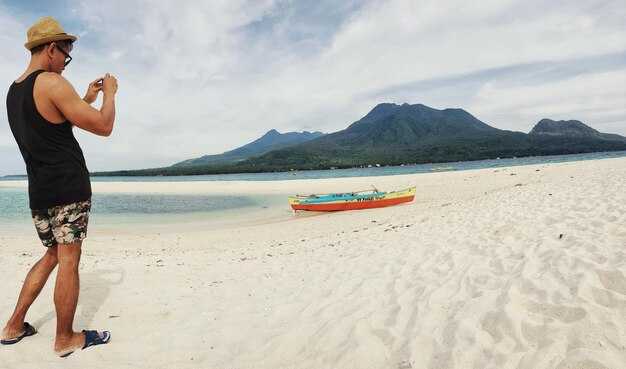
Plan a 3–4 week Tahiti-to-Hawaii itinerary with 6–8 island hops, keeping daily legs around 40–60 nautical miles to match tradewind windows and avoid rough weather. Build in buffer days after long hops to rest crew and calibrate sails, and keep an active pace that allows you to look ashore, explore markets, and immerse in island life.
Vessel selection and provisioning: Choose a 40–50 ft yacht or pair of yachts with ample deck space, a reliable engine, and comfortable cabins for 4–6. Ensure a robust galley for grilled meals, ample ice, and generous water storage. Reserve shore power sockets at marinas when possible, and stock a two- to three-week supply of non-perishables, fresh produce, and backup fuel for the dinghy and spares for common systems. Include a technical log, key tools, and a spare part kit so every onboard task stays within reach of an experienced crew member.
Route planning and legs: Start in Tahiti (Papeete) and hop to Huahine, Raiatea, Taha’a, and Bora Bora, with Maupiti as a potential add-on for a true island-paradise feel. After the Society Islands, decide between a Marquesas segment (Nuku Hiva, Ua Pou, Hiva Oa) or a longer offshore hop toward Hawaii. The Marquesas offer raw nature and fewer crowds but demand careful weather forecasting and on-deck vigilance. A longer leg from the Marquesas to Hawaii runs roughly 2,000–2,600 nautical miles and should align with a favorable window and rested crew.
Navigation and technical readiness: Load a solid mix of paper charts and digital plots, and keep an active log onboard. Mark prominent markers and navigation buoys, and corroborate GPS data with a backup compass. Carry spare sockets, fuses, and essential repair materials, plus a simple rigging and sail repair kit. Assign clear roles so each crew member handles distinct tasks; a guide you trust, jerome, suggests a concise checklist for weather, sails, fuel, and safety to anticipate change well before it becomes urgent.
Onboard life, culture, and experiences: Schedule morning sails, midday snorkeling, and evening photo sessions to build a vivid travel log. Visit village markets to sample local cuisine and grilled specialties, and plan hotel nights on larger islands to reset hours and recharge. Use ample time ashore to explore nature, learn island crafts, and connect with residents for hospitality tips. This pace keeps the travel experience immersive and feels like paradise while maintaining comfort aboard.
Safety, questions, and mindset: Compile questions before each leg about fuel, weather reliability, mooring options, and shelter when squalls approach. Run regular safety drills, verify life jackets and PFDs, and maintain a clear onboard communication plan. Keep the crew involved and informed; note changes in conditions with a simple marker in the logbook. Maintain flexibility and a calm approach–which helps you enjoy the islands and adjust plans as needed, still delivering a great island-hopping adventure.
Timeline and Sailing Cadence: how long this leg will take
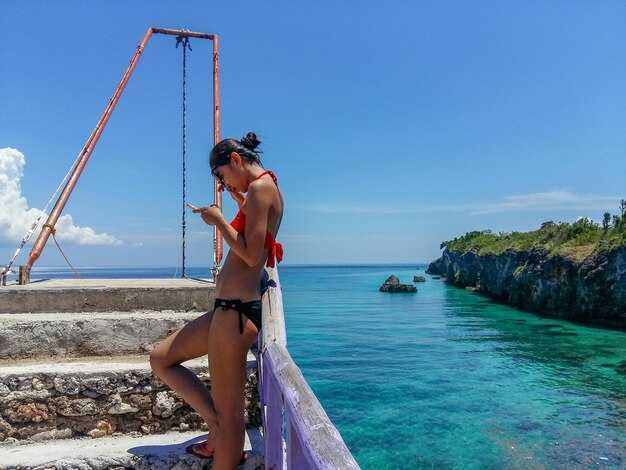
Plan for 4–6 weeks to complete Tahiti to Hawaii, with 3 sea legs and 5–8 island visits to keep a perfect cadence.
From Tahiti the westward transition heads toward the tuomotu atolls. Typical leg distances are 320–360 nautical miles to Rangiroa, yielding 2–3 days of open-water sailing on catamarans under steady trades. youll pause 1–2 days in Rangiroa for visiting marae and snorkelling, then move on when a favorable weather window appears. Watch the forecasts daily, as watching weather and sea-state determines when to press on. Pack light but practical gear, including pants for cooler nights, and plan grilled meals with local produce to stay fueled on long crossings. Keep a master or qualified skipper on board, assign a place for each participant, and maintain a calm course so the crew remains focused during the transition to the next leg. Also, arrange shower facilities and water for comfort between open-water runs, so travellers stay fresh during long passages.
Across the Tuamotu chain you’ll cover several short hops, staying aboard to save time and keep the rhythm steady. The overall segment length is 800–1,000 nautical miles, with 4–7 days at sea depending on wind and currents. Youll stick to a predictable schedule, using daylight for sails and night watches for safety. Visitors and travellers alike appreciate time ashore at atolls where locals share stories, food, and a chance to replenish provisions. Onboard routines remain simple: check gear, top up water, and enjoy grilled fare while the crew rests between shifts. For long crossings, a reserved place on deck for each person helps maintain discipline; a compact kitchen plan, some quiet time, and a basic shower setup on island stops keep morale high during this phase.
The final stretch from the Marquesas toward Hawaii covers roughly 1,900–2,100 nautical miles. Plan 11–15 days at sea under favorable trades, with interim stops only if weather or fatigue requires. During this leg you’ll rely on a well-prepared crew, including a master or qualified navigator, and youll run two-person or three-person watch rotations to maintain alertness. Expect occasional squalls or variable winds, so keep a flexible stance and be ready to adjust course to optimize speed without compromising safety. Travellers who stay aboard will benefit from consistent daily routines, briefings at dawn, and time for quiet observations that enhance watching stars and currents. Maintain a steady pace, stay hydrated, and use shore visits as needed to reset before the next push west toward Hawaii.
| Segment | Route | Distance (nm) | Days at sea (range) | Key stops / notes |
|---|---|---|---|---|
| Leg 1 | Tahiti to Rangiroa (tuomotu) | 320–360 | 2–3 | Rangiroa stop; marae visiting; 1–2 days ashore; catamarans common |
| Leg 2 | Rangiroa through Tuamotu chain to next Marquesas entry | 800–1,000 | 4–7 | 2–4 hops; keep a steady cadence; visiting travellers; grilled meals; onboard tasks |
| Leg 3 | Marquesas to Hawaii | 1,900–2,100 | 11–15 | long open-water push; limited shore time; watch rotations; keep path west toward Hawaii |
| Total | – | 4–6 weeks overall with buffer days for weather and rest | ||
Weather Windows: identifying the best months for each stop
Begin in May to take advantage of the Pacific dry-season pattern, when steady easterly trades and calmer seas provide reliable days for the first hops from Tahiti.
Tahiti and its close companions: May through October offer the most predictable weather for short hops between Papeete and nearby atolls. Expect lighter rain, clearer skies, and smoother passages across passages into sheltered anchorages along the reef. Plan extra time for shore visits andmarket stops on the western coast to restock without rushing the schedule.
Bora Bora shines when conditions are stable from May to October. May–June and September–October often bring the gentlest winds and the least swell, easing transitions into the lagoon and around the motu. A June calm also lets you enjoy long, quiet afternoons on deck with a simple lunch and a view of the main crater.
Raiatea and Tahaa follow the same window, May–October, with reliable trade winds that keep daily cruising comfortable. This period helps you move between anchorages with predictable sail lengths, allowing extra time to explore narrow channels and shallow passes without rushing the schedule.
Rangiroa, in the Tuamotu Archipelago, performs best May–October when seas stay manageable and visibility remains good for snorkel-friendly swims at the passes. The longer crossings between islets stay friendly, and the larger motu offers protected spots during occasional squalls.
Fakarava also fits May–October, with early autumn offering clear skies and steadier days for a relaxed circuit between the north and south passes. During these months, anchorages stay comfortable, allowing easy day trips to small islands and reefs for a quick lunch or a fresh catch from a local fisherman.
Crossing toward Hawaii benefits from a late spring to mid-summer window: late May through August delivers steady easterlies, steady seas, and fewer storm risks as you head west across the central Pacific. Plan for practical, spaced daily legs that let you rest in the cockpit, study the charts, and adjust to shifting conditions as you approach the trade-wind belt.
Practical layout for this leg involves a well‑organised boat setup: a simple cabin plan with a clean bathroom, a compact galley, and secure stowage for essentials. Keep the deck tidy for easy wash-downs after beach visits, and maintain a regular routine that includes time for short snips to shore for fresh supplies and quick repairs if needed.
At each stop, use local markets to restock staples and fresh items, keeping meals light and varied as you move along. This keeps daily routines comfortable and flexible, so you can adapt to weather shifts or a quick hop to a nearby island if the forecast changes.
With careful timing, this route delivers calm anchorages, clear skies, and dependable winds at each stop, making the overall experience smooth and memorable for an experienced crew sailing a well‑prepared boat along a classic island‑hopping itinerary.
Boat Choices: crewed charter, skipper-assisted bareboat, and readiness requirements
For Tahiti-to-Hawaii trips, a crewed charter is the easiest entry, delivering a seasoned captain, a deckhand, and a planned itinerary that keeps days anchored to reliable routes while you enjoy the stars and access to must-visit atolls in the tuomotu. Whilst crewed options ease planning, they also offer opportunities for social adventures on board with fellow travelers.
Skipper-assisted bareboat suits sailors who want hands-on control but still rely on local know-how to navigate tricky passages, weather checks, and port calls. You handle the wheel for part of the day, while the skipper coordinates watches, provisioning, and safety, making adventures on the water more approachable for a cautious crew or a friend who wants to take the helm alone for a leg.
Fully bareboat demands solid experience, strong technical and weather-reading skills, and the ability to handle lines, anchors, and routine engine checks without hesitation. Expect to work the chart table, study the porthole views, and manage overwater passages with confidence, especially when you move between motu stops in the tuomotu and beyond.
Readiness checklist: whether you sail crewed or bareboat, confirm enough days on the schedule, a clear safety briefing, waterproof gear, life jackets, a reliable VHF, and a charged battery for electronic devices. Pack waterproof bags, spare parts, a multi-tool, and a backup charger. If you plan drinks on board, coordinate provisioning and keep an eye on the shore side options. If you have twin engines, plan for quicker hops between anchorages; otherwise, monitor fuel and maintenance so the boat stays balanced. Consider access to permanent moorings, porthole views, and overwater deck space when weather shifts.
Booking tips: use the site to compare offers, read the policies, andor connect with a friend who has done similar trips. Define your preferences for crew, skippers, andor a bareboat option, and map must-visit routes in the tuomotu and surrounding islands. Ask what is included in the charter, how charges are structured for fuel, provisioning, and marinas, and whether the vessel can accommodate your party with sufficient space for gear and personal items. A well-planned plan reduces stress and keeps your adventures on track, whether you sail with a captain or take the helm yourself.
Packing and Provisions: what to bring and what to provision onboard
Pack into clearly labeled bins and a compact provisioning kit that covers meals, safety, and hydration. Store perishables in a small fridge or cooler and keep dry goods in cosy, modular bags to maintain a steady, usable process on deck.
This plan splits two tracks: what to bring for personal comfort and what to provision for the boat’s needs, with a focus on a smooth experience while you cruise around atolls and island stops from Tahaa to Hawaii.
What to bring (personal gear)
- Lightweight, quick-dry clothing for tropical days plus a couple of warm layers for night watches; include a sun hat, sunglasses, and reef-safe sunscreen. Pack 5–7 tops, 2 long sleeves, 2 swimsuits, 1 windbreaker, and cosy socks for evenings.
- Non-slip footwear for deck, reef-friendly sandals for the marina, and a pair of reef booties if you plan snorkeling around anchor sites.
- Sleepwear, underwear, and a compact toiletry kit stored in leak-proof bags. Wear comfortable, breathable fabrics during long passages.
- Personal safety and first aid: a compact first-aid kit, seasickness remedies, prescription meds, antiseptic wipes, blister care, and insect repellent.
- Electronics and documents: passport and copies, waterproof bag for essentials, spare batteries, chargers, and a compact solar charger or power bank for long passages.
- Hydration and food prep: reusable water bottles, purification tablets or a small portable filter, and a lightweight mug for coffee or tea during calm mornings.
- Tools and gear: multitool, knife, spare fuses, duct tape, rope, headlamp with extra batteries, and a sturdy dry bag for gear that must stay dry.
- Safety gear: PFDs for everyone, tethers or harnesses for rough seas, a whistle, and an emergency signaling device; have a simple, functional plan for quick use if needed.
- Personal touches: a small cosy blanket for cooler nights, your favorite snacks, and a compact book or music player for downtime on a crystal-clear lagoon afternoon.
What to provision onboard (food and supplies)
- Fresh produce: plan a cycle of 4–6 days per person for greens, citrus, carrots, onions, garlic, tomatoes, cucumbers, and herbs; store leafy greens in the crisper and use citrus early to prevent spoilage.
- Dairy and alternatives: butter, hard cheese, powdered milk or plant-based substitutes; eggs can last a few weeks if kept cool and away from direct sun.
- Proteins: canned tuna, salmon, beans, lentils, chickpeas, and occasional fresh fish when you’re anchored in calm waters; consider jerky or shelf-stable proteins for longer legs.
- Grains and carbohydrates: rice, pasta, oats, tortillas, and flour for versatile meals; keep a few ready-made meal bases and soups for quick dinners.
- Cooking fats and seasonings: oil (olive or neutral), salt, sugar, pepper, bouillon, dried herbs, curry powder, soy sauce, hot sauce–choose a compact set to cover broad flavours.
- Beverages: coffee and tea, cocoa, drinking chocolate, and fruit juice concentrates; limit bottled drinks by relying on filtered water from tanks and the fridge.
- Preserves and snacks: canned fruit, tomatoes, tomato sauce, peanut butter, honey, crackers, nuts, and hard candies for long passages.
- Water storage: plan for 2–3 liters per person per day for drinking and cooking plus extra for emergencies; stock 40–60 liters in tanks or large jugs plus a smaller, easy-access supply on deck.
- Storage gear: airtight containers, vacuum-seal bags if possible, and plenty of zip-lock bags to keep items tidy and protected from salt spray and dust around the island stops.
- Backup options: freeze-dried or dehydrated meals for wet passages; dried soup mixes and cup noodles are handy when you’re pressed for time or weather demands.
- Local provisioning and contacts: when you’re in Tahaa or at a marina, connect with jerome to explore fresh fruit, seafood, and village markets; an alternative supply plan can reduce waste and keep your boat fresh between island visits (andor backup options help when markets are light).
Storage and provisioning workflow
- Use clear bins and labeled shelves to keep pantry and fresh items organized; group items by usage area–galley, cockpit, and storage, with every bin down to its label.
- Rotate stocks daily: move items with the shortest shelf life to the front, and use a simple whats list to track empties and reorders.
- Keep a dedicated space for fresh produce in the fridge or cooler, and wrap greens in damp paper towels to extend freshness; check ice supply and replace as needed to maintain a steady cool zone.
- Plan meals around your anchor schedule; on calmer days, batch-cook to reduce daily prep, then reheat with minimal fuss, keeping the kitchen comfortable and the crew involved.
- Record a short provisioning process at each stop: what you bought, what’s left, and what you want more of–this down-to-earth routine helps you avoid waste and maintain a nice balance of flavours for the experience.
Local touch and practicality
- Coordinate with jerome at Tahaa marina for fresh fruit, bread, and fish before heading toward atolls; this can cut travel time and keep your boat’s vibe nice and relaxed.
- Use island markets to refresh supplies, picking up citrus, greens, and seafood as you go; have an alternative plan if a market is closed or light on stock.
- Keep anchor swing and light winds in mind: distribute heavy items low and center to maintain a steady point of gravity and a cosy balance around the deck.
Quick reminders
- Always pack into compact, functional kits that fit your boat’s small galley and storage spaces.
- Label every reserve and rotation item to keep the process simple and your time on deck focused on enjoying the beauty around you.
- 穏やかな夜、穏やかな風、そして長距離航海にも、タハアやその他の熱帯の島での景色の良い日にも適した安定した食事を計画して、快適さを維持してください。.
- プロビジョニングのすべての段階に関わっているような感覚になるでしょう。最初のコーヒーから最後の軽食まで、セーリング休暇を有意義でリラックスした体験にします。.
オンボードルーチンと海岸クエスト:日々のリズム、安全、そして遠足の計画
日の出から日没まで、セーリング、探索、休息のバランスを取るために、一定の毎日のリズムを設定します。このリズムは参加者の集中力を維持し、疲労を軽減し、陸上でのクエストを予測可能にします。.
船員は、各3時間のツインウォッチシフトを実施し、乗組員掲示板に明確なスケジュールを表示し、明確なハンドシグナルを使用します。勤務中は、常にリグの動きとデッキの安全に注意を払い続ける必要があります。.
毎朝、安全点検ではハーネスライン、ライフジャケット、そして滑り止め靴下を確認します。気象情報と風の警告には注意してください。グループ向けの簡潔なブリーフィングを行い、誰でも摩耗したギアや擦り切れたラインを報告するように念を押してください。.
タハアやその他のポリネシアの立ち寄り地への到着前に、利用可能なオファーを確認してください。多くのオファーには限定された枠があります。ブッキングを使用して岸上観光を予約し、船長と計画を確認してください。.
太陽光を利用してデバイスを充電できる場合はそうする; 予備のバッテリーを保管し、充電時間を制限して、ナビゲーションツールやチャートに必要な電力を節約する。.
陸上では、参加者は積極的に行動するオプションを選ぶべきです。ボラスガイドと一緒に自然を探検したり、青いラグーンや沿岸部の市場を訪れたり、正方形の地図の印を使って進捗状況を追跡し、引き返すのを避けてください。.
7月の風がスケジュールを形作り、夕暮れ時に輝く金星が、夕方の海岸訪問を導きます。タハアでは、フランスの影響を受けたポリネシアの味が広がり、乗組員は究極の体験のために記録帳に現地の習慣を記録します。.
予約確認書と航海詳細は常に手元に置いておきましょう。限られた枠の中で可能なオファーを検討し、天候が変化したら計画を調整してください。オフラインマップのためにデバイスを使用し、陸上での出来事をグループと共有して、全員を連携させましょう。.
食事が中心的な役割を果たし続ける:タハアの郷土料理やフランスの影響を受けた料理を味わい、参加者とゲストの食事制限を把握し、ギャレーを清潔に保ち、青水航海に備えてすべての食材を安全に取り扱う。.