


 日本語
日本語  English (UK)
  Русский
  العربية
  한국어
한국어  Magyar
  Türkçe
  Español
  Čeština
  Svenska
  Português
  Ελληνικά
  Suomi
Suomi  Nederlands
  Română
  Italiano
  Français
  Polski
  Українська
  Deutsch
  简体中文
简体中文  Slovenčina
 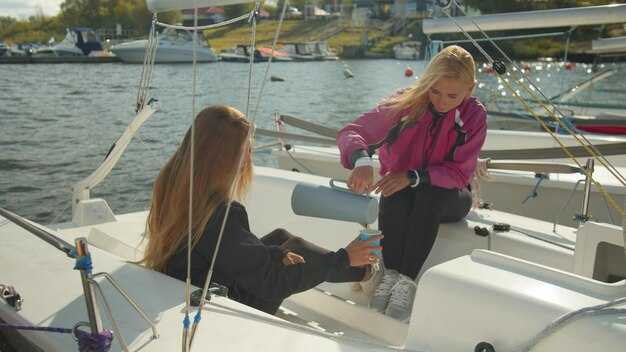 Single-Handing a Cruising Boat – Part 1 – Essential Tips for Beginners">

Start with a simple, one-person plan you can repeat every time you sail. Before you depart from the ramp, verify your safety gear, lines, fenders, and engine kill switch. In port you can think through maneuvers and practice handling the helm, ensuring you are competent if conditions shift. Use devices to scan AIS and weather apps to spot wind shifts and nearby boats, then set a clear course for the next leg. This prep makes single-handed sailing calmer and safer, especially when youre dealing with crowded docks and moving boats.
Keep the sail plan simple: in windy conditions, reef early and use a single sheet to trim the jib while the main stays manageable. Practice tacks and gybes with smooth, controlled angles so you cant lose control; keep the arch and deck clear of lines to prevent tangles. If you need extra help, rely on the autopilot or a strong, deliberate hand on the wheel to react to boat traffic.
Before approaching a ramp or a busy port, run a quick checklist and think through contingencies. question: what could go wrong in this maneuver? What would you do if a boat closes in or wind shifts? Use your devices to monitor wind speed and AIS, scan for erratic movement, and be ready to adjust course or slow down. A clear plan lets you prevent collisions and keep everyone safe on deck.
When you reach the dock, approach slowly from the protected side, aim to berth on the port side, and use spring lines to prevent shifting. If you have a partner on board, assign tasks; if youre solo, pre-tie a line to a bow cleat and release it at the right moment to avoid swinging into the ramp. This setup can allow you to keep lines ready and stay in control while the boat settles.
Practice in calm water first, then gradually increase complexity some times; every session builds competence. Use winds and currents to plan your course, and scan for devices like radar and GPS that help you stay aware of traffic. Always prefer short, deliberate moves to long, uncertain maneuvers, and keep a habit of asking: what could go wrong, and how would I react?
Single-Handing a Cruising Boat: Part 1 – Tips for Beginners
Put on your jacket, clip in a tether, and keep one hand on the rail while you verify lines and settings before you move.
In case of sudden gusts, keep your body centered, hips squared to the centerline, and execute reefing or sheet adjustments with smooth, deliberate movements. Maintain a strong stance to absorb loads. The most safe approach is to stay clipped in, with the other hand ready to grab a line if needed, and to communicate clearly with everyone on deck.
For a short excursion or practice session, use a managed program of steps: Treat the self-steering as a reliable tool, engage the self-steering or tiller pilot, set a steady course, and keep the cockpit tidy so you can reach the main sheet and jib sheet without crowding the occupant’s space. Maintaining a clean cockpit helps you react quickly. The programmed system should remain working, and it keeps you capable even if you must release one line.
When you started training, build a simple routine you can repeat: run a quick weather check, verify rig tension, test the steering system, and confirm that lines are accessible from the cockpit. Have a spare line, a knife, and a whistle within reach, and test your ability to restore control if a line jams or a canvas wraps a winch. Shield yourself with a life jacket and keep your own balance steady while you practice.
Talking through each move helps, and you should keep others informed as you adjust course or trim sails. If you are alone, set up a regular check-in with a mate or coastal station so someone knows your setting and can raise help if you do not respond.
| Tip | Details |
|---|---|
| Pre-start checks | Inspect harness, jacket, lines, rail fittings, winches, and steering. Confirm workspace is clear and that a reliable alert system is ready. |
| Personal safety | Wear a PFD, clip in, and keep one hand on a rail or jackline when moving. Maintain three points of contact between body, boat, and line. |
| Sail handling | Trim sails with smooth adjustments. Use gentle reefing in gusts and keep sheets within reach from the cockpit to avoid overreach. |
| Line management | Coil and secure lines when not in use. Keep a spare line coiled near the winch and ensure the cleat is accessible from the helm. |
| コミュニケーション | Describe moves aloud, call out when you adjust course, and keep others informed. If solo, set a check-in routine with a contact. |
| 緊急時への備え | Know how to restore control quickly, have a knife, a whistle, and a spare tether accessible, and practice a quick man-overboard drill under safe conditions. |
Pre-Departure Checklist: Lines, Sails, and Safety Gear

Inspect all lines and halyards for wear and replace frayed sections before casting off. Verify cleats, clutches, winches, and bights are clean and functional. Coil each line neatly and store in a dry bag; keep a spare length of 5–8 m for quick repairs, dash, this keeps handling simple during a busy harbor departure. Label lines so you know which control each one serves, review their interaction during a practice run, and keep loops tidy to prevent snagging during movement; maintain order so you can handle more passages even in a gust.
Lines and rigging detail: check sheets and halyards for sun damage and wear, replace any worn cores, and keep two spare lines of 6–12 m within reach of the helm. Inspect for breakages in hardware and swaged fittings, and replace any suspect parts. Ensure the telltales, stopper knots, and reefing points are intact; test reefing so you can cast a reef without losing control. Keep a langer line as a backup for jury tasks, stored in a waterproof bag, and ensure it is within easy reach during setup. More, verify alignment with the gooseneck and clevis pins to avoid mis-casts, and note any questions that arise before you cast off.
Sails: inspect main and jib for tears around luff seams, worn batten pockets or sagging luff rope; verify that reefing points function smoothly; confirm sail covers are dry and secure; hoist the sails in a test in calm water to confirm trim and halyard tension; ensure the sheets are set so one-handed trimming is possible; store all sails in waterproof bags and cast covers when not in use.
Safety gear: confirm PFDs fit properly, are within expiry, and have reflective tape; test handheld VHF and spare battery; have a waterproof handheld flashlight; tether lines and jack lines installed; keep a throw bag, a compact fire extinguisher, a first-aid kit, and a bilge pump with a manual backup; verify the bilge is dry after each test and that the emergency beacon (PLB or EPIRB) is within reach and charged. Include a spare anchor with chain and rode rated for your vessel, stored in a dedicated locker within arm’s reach for quick cast in harbor or when moored. In england, check local harbor rules and signaling requirements so your vessel meets the cast-off standards for every passage.
Sail Plan and Rig Setup for Solo Handling
Set the mainsail with a reef and lead sheets to the cockpit winch to simplify trim while going solo. Choose a self-tacking jib if possible, or a headsail that can be trimmed from the helm. Mark anchorages on your chart for planned stops and rehearse the routine with a friend so you know what to expect if conditions shift.
Rig setup details: Run sheets and halyards to the cockpit, secure the main halyard and jib halyards with quick-release blocks, install lazy jacks or a sail bag to keep the sail along the boom, and add a preventer to the boom to stop unwanted jibes. Keep jacklines along the deck and clip in before moving, and place required tools and spares in an accessible pocket along the companionway. If cant reach a line, use the backup halyard to relieve the load.
Safety posture: Wearing a PFD and a harness, clip to jacklines during any deck movement; keep feet planted and stay aware of your body’s balance. A person should be ready to lend a hand if needed, and practice steps with a friend on calm days to build confidence with solo maneuvers on a sailboat.
During approach to anchorages or docking, use visual references from buoys and shoreline, and follow the chart for tides and depth. Set a steady pace, use a bow or stern line as appropriate, and coordinate with a friend on the bow if available. If the wind shifts, set the course at an angle that minimizes drift and have a backup line ready for the final approach.
Boat organization and contingency: Keep room in the cockpit for movement, store lines and fenders along the coaming and centerline, and keep flotation gear within reach. If weather looks rough, have a plan to restore control by easing sails and securing lines, and keep a phone as a backup for weather updates rather than relying on it alone. Stay mindful of floating gear and safety equipment to ensure readiness for anchorages and docking during challenging conditions.
Helming Techniques: Steering and Trim with a Single Hand

Keep the helm in a steady, comfortable grip with one hand and use the other to trim or tweak lines; this keeps your course steady while you learn the boat’s feel. In light winds, both hands can lighten the load, but a single-handed setup trains you to read the helm and stay in control. That thing to remember is steady feedback from the helm.
Stand tall, engage your core, and let small, moderate turns do the work instead of big lurches; the main idea is control rather than speed, keeping your body centered on the center to feel the boat’s balance.
Trim strategy: on a single-handed helm, set a steady, tuned balance between sail shape and helm effort; if you fly a canvas sail, keep the sheet tuned and the balance within reach so reflexes stay quick.
Wind gusts or a sharp blow require quick, deliberate course changes of a few degrees; avoid overcorrection, drop the sheet a touch when required, and keep the center of effort balanced so the boat responds smoothly. If a moment feels off, skip the reckless move and reset to a slow, deliberate turn.
If distress hits, stay calm and give yourself time to read the water; use your radio if needed and coordinate with those on deck, even during busy moments, keeping everyone aligned during the maneuver.
Questions arise when you start; where to look, how to time the trim, and whether your line is snagged lead to hesitation; in case of confusion, practice simple drills during a short trip to build confidence and habit.
Handle drops in wind with a lightweight touch: keep your elbow close to your side, let the wrist stay flexible, and use your core to steer; this protects against a fall and keeps the boat on the intended course.
The core routine ends with a gentle recap: check center, keep main aligned, and give the boat time to respond; the little adjustments add up and make single-handed helming feel natural for everyone.
Deck Management: Securing Gear and Maintaining Access to Key Controls
Secure all deck gear with reinforced rope lashings and a dedicated canvas bag for loose items, then verify that the helm, VHF, and other key controls remain reachable to maneuver the boat confidently.
Mark anchorages and storage spots; lash lines to cleats and to sturdy deck arches where possible, keep a spare rope coiled for quick releases, and store sails or small gear in waterproof bags. Don’t cant gear toward the rail; keep lines aligned with the deck.
Keep forward access clear to the navigation station and cockpit; avoid stowing gear where a heading change or course correction would require reaching over hard edges. This will mean more predictable handling.
Use lightweight, floatable containers for essential equipment so flotation is maintained if items are dropped; label and color-code to speed retrieval.
Create a simple labeling system to reflect needs during an outing, and mark what must stay accessible versus what can be stowed; this prevents clutter and confusion.
Test security with a quick pull test: after stowing, tug each major item to prove it cannot shift; this provides proof that the fix holds.
Assign a dedicated crew member to supervise gear; anyone can perform checks during each change of course; this spreads responsibility and prevents neglect.
During hard turns or when seas rise, keep lines steady, avoid tangling with the arch or railing, and monitor the channels for traffic or shipping movements. The risk increases when gear is unsecured.
This approach conservatively protects access to controls, increases safety, and makes every outing worth more by reducing the risk of gear snag and loss. Over time, this can help the boat become second nature to handling the deck.
Decision Points: Weather, Fatigue, and Saying Not Today
Stop and reassess if forecast shows gusts to 25 knots or seas to 2.5 meters; push is very risky for single-handed sailing and increases risk. If conditions worsen or doubt rises, head for safe harbor rather than pressing forward.
- Weather reality check
- Read a reliable forecast and compare with observed wind and swell; if forecast shows a front, gusts to 25–30 knots, or seas beyond 2–3 meters, choose to postpone or return to shelter.
- Use cockpit electronics to monitor wind speed, barometer, and storm alerts; ensure the devices are programmed to alert you automatically; keep a handheld VHF within reach for fresh updates; maintain a clear side path for movement around the cockpit.
- Maintain a clear room around the helm; clip lines, stow gear, and keep a tether attached when you move; place a throwable device in a reachable position; carry proof of your plan and a backup route in case you need shelter.
- Fatigue awareness
- Monitor reaction time and judgment; if you yawn every few minutes, feel foggy, or misjudge distances, pause in a sheltered area and rest before continuing.
- Limit continuous helm work to 60–90 minutes; take a 15–20 minute nap when safe, then resume with a fresh focus.
- During rest, secure the cabin and keep electronics accessible; ensure you have a tether if you need to move and a plan to return to the cockpit when awake.
- Saying Not Today
- Adopt a simple rule: push the plan only if all factors meet your safety margin; otherwise choose to stay put or seek protected water.
- Triggers include strong gusts, low visibility, equipment issues, fatigue, or a drop in confidence during the watch; if any occur, stop, notify a shore contact, and secure lines and hatches.
- Talking with a helper on shore before moving keeps you aligned with a safe plan and documents your decision; log the reasoning and plan the return or next leg with a clear anchor point.