


 日本語
日本語  English (UK)
  Русский
  العربية
  한국어
한국어  Magyar
  Türkçe
  Español
  Čeština
  Svenska
  Português
  Ελληνικά
  Suomi
Suomi  Nederlands
  Română
  Italiano
  Français
  Polski
  Українська
  Deutsch
  简体中文
简体中文  Slovenčina
 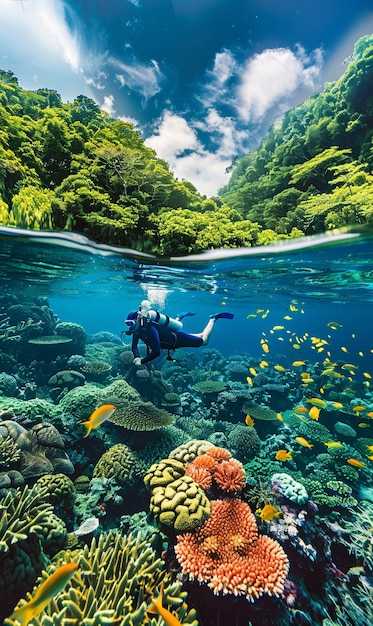 Scuba Diving in Tahiti – The Best Spots Across the Islands">

タヒチ最高のスキューバアドベンチャーのアンカーとしてチプタを選び、これらの島々を囲むパスへの迅速なボートアクセスが可能なホテルを予約してください。チプタを選べば、強い流れ、カラフルな生物、そして24時間いつでも素晴らしい水中瞬間を捉えるチャンスがアンロックされます。.
これらの目的地において、, popular ボラボラ島、モーレア島、そしてランギロアのティプタ・パス周辺に点在するサイト。初心者向けの穏やかなラグーンでは十分な余裕があります。 strong channels 経験豊富なダイバーを招待し、浮力とタイミングをテストします。地元のホストは信頼できるボートの乗組員を運営し、多く hotel パッケージには、安全に関する明確な説明付きのガイド付き水中遠足が含まれます。.
Tiputaのドリフトゾーンは、サメ、マンタ、フゼルヤーズの群れとの遭遇で際立っており、多色のサンゴ礁は日の出時に見事であります。これらのスポットの周りの隠れた入り江や水路は、アラビバのようで、サンゴ礁の後ろに隠れており、これらのサンゴ礁の上でマクロ生物や大型の遠洋魚を撮影する機会を提供します。多様性を求めるダイバーのために、ミニ日程がうまく機能します。1日に3つのサイトを訪れることで、移動時間とサンゴ礁の見学バランスを取り、セッション間のホテルでの十分な休息を取ることができます。.
時間を最大限に活用するために、安全に関する明確な説明と装備品が用意されているオペレーターを選びましょう。これら hosts 日々の流れ、潮の満ち引き、天気に応じて調整することで、快適さと集中力を維持することができます。選び抜かれた hotel あなたをボートに簡単にアクセスできる場所に置き、長時間の乗り換えなしに複数の体験を詰め込むことができます。.
結論から言うと、タヒチの島々は、水中生息地、フレンドリーなクルー、ホテルを拠点としたアクセスの容易さを兼ね備えた目的地を提供します。初めての訪問の場合は、まずはティプタから始めて、その後、近くのアトールや小さな海峡に拡大することで、素晴らしい記憶のポートフォリオを築くことができます。 these リーフは本当にダイバーにとって特別なものです。.
タヒチ ダイビング:島々を巡る:人気ダイビングスポット、ベストシーズン、トリップガイド
熟練ダイバーと初心者旅行者双方にとって、最高の視界と安定したドリフト遭遇を実現するには、まずはランギローアから始めるのが最適です。この環礁群は、外洋魚類、サメ、庭園状のサンゴ、写真映えするパスなど、ダイナミックな生態系を誇り、1日ツアーや複数日間のイテラネリのオプションも柔軟に対応します。.
季節ごとのアドバイス:乾季(おおよそ5月から10月)は水が澄み、穏やかな夜が訪れます。一方、雨季(11月から4月)は水温が上昇し、より豊かな野生動物を引き寄せますが、潮流は変動します。素晴らしいバランスを求めるなら、費用を抑えつつ、視界も良好な5月または9月を狙うのがおすすめです。.
様々なランギローアにおいて、隣接する島々との組み合わせで、あなたのレベルに合った旅程を構築してください。まずは、ドリフト体験のために Tiputa Pass と Avatoru Pass 周辺で2日間過ごし、次に、サメの群れを観察するために Fakarava の South Pass と North Pass で2日間過ごし、最後に、Moorea の珊瑚礁庭園と Bora Bora のラグーンで、カラフルなサンゴ礁との出会いを終えましょう。写真家は、早朝の光とバラ色の夕日を活かすことができます。夕方のセッションは比較的穏やかで、浅瀬に素晴らしい色彩をもたらし、夕日の写真を撮るための豊富な機会が得られます。.
ランチはしばしばスポット間で提供され、ペースを維持し、太陽光とともに変化する海洋環境を読む時間を与えてくれます。初心者の方はガイド付きの少人数グループツアーを選ぶことができ、経験豊富なダイバーは、訪問するサイトの数値を最大化するためにプライベートチャーターを選択することができます。.
コストに関する注意: コストはオペレーター、シーズン、およびプライベートボートを予約するかどうかによって異なります。予約を事前に行うと、特にランギロア、ファカラヴァ、ムーレア、またはボラボラを網羅する4~5日間の旅程の場合、より良いレートが得られます。.
| Site | Island | Best Season | Depth (m) | Highlights | アクティビティの種類 |
|---|---|---|---|---|---|
| Tiputa Pass | Rangiroa | May–Oct | 6–25 | サメ、マンタ、強いドリフト | スキューバ体験 |
| Avatoru Pass | Rangiroa | May–Oct | 5–20 | Clear channels, pelagics | スキューバ体験 |
| South Pass | Fakarava | 8月–10月 | 8–25 | Schooling sharks, vibrant reefs | スキューバ体験 |
| North Pass | Fakarava | May–Oct | 6–20 | マクロライフ、珊瑚礁ガーデン | スキューバ体験 |
| Coral Garden | ボラボラ | May–Oct | 2–15 | カラフルな庭園、光線、カメ | スキューバ体験 |
タヒチ・ヌイとタヒチ・イティでの初心者向けダイビングスポット
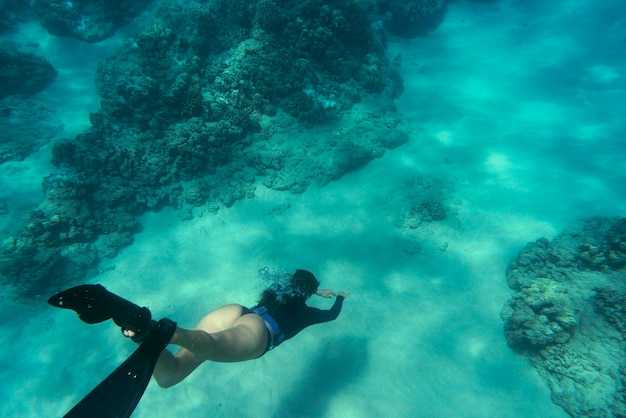
タヒチ・ヌイの西海岸から始まる浅瀬のラグーンセッション:水深6~12m、良い日には視界15~25m、そして、力を入れなくても体を動かし続ける、おだやかな流れ。この環境はトラウrasseや庭の住人をはじめとする多くの海洋生物を提供し、理想的な場所にする。 beginners who want an idyllic 初の混雑しない体験。海岸からの穏やかなアクセスを見逃せません。周りを見回すとすぐに自信が湧いてくるでしょう。.
タヒチ・ヌイでは、際立った2つのオプションが、より良い選択肢として証明されています。 trip. .水族館のような garden 西海岸沖に位置し、保護されたラグーン内にあり、水深6〜12m、岸からの容易なアクセス、そして多様なサンゴ礁の生物がいます–カラフルな魚がたくさん、トラウrasse(虎 wrasse)、カカウオ(parrotfish)、ウミガメなど。短くリラックスしたセッションに最適なタプナラグーンは、浅瀬の通路、容易な水泳、そして観察と探索のためのクリアな視界を提供します。.
タヒチ・イティは、より穏やかな選択肢を提供します。. Tumakohua, Iti 海岸の保護された礁は、6〜10mの浅い傾斜を持ち、 beginners 小さな魚の群れや庭のようなサンゴを観察できます。通常、セッションは25〜40分続き、多くのお店では、短い水中探検と組み合わせています。 hiking option up to a lookout. A local host can tailor the times to tides, helping you spend less energy and relax more.
Practical tips: pack a 3-4 mm wetsuit, plan two experiences on a Tahiti Nui trip–one in the morning for calm light and one in the early afternoon if winds ease–check tides and currents, and book with a local host to ensure the best times. Keep spending in check by choosing concise sessions that fit your rhythm and comfort, then return to shore ready to relax.
Overall, this approach offers a diverse, easy pathway for beginners への 探索 tahitian waters, observe idyllic lagoons, and build confidence on a memorable trip. The combination of gentle lagoons, a garden of life, and a friendly host creates a quick progression: you look forward to the next times and then return to shore smiling, with time expanding rather than shrinking. Dragonflies hover by the shore as you wrap up, and the sense that time flies only adds to the charm of Tahiti’s beginner-friendly adventures.
Manta, shark, and ray sites around Bora Bora, Moorea, and Tetiaroa
Plan an offshore plongee itinerary around Bora Bora, Moorea, and Tetiaroa to meet manta, tiger sharks, and hammerheads across wide reef walls and offshore channels. The chance to swim with these species is real when the right tides align, and guides with local knowledge ensure safe, direct interactions. Snorkel sessions along shallow flats complement the deeper experiences, letting you stay above the action while pelagic life moves past the drop-offs.
ボラボラ sits at the heart of the route, with wide passes that funnel currents toward the lagoon. Here tiger sharks and hammerheads often cruise along the outer shelf, and mantas drift in to feed on plankton blooms at the channel mouths. For the best results, book a morning plongee with a licensed operator and follow the guide’s direct instructions about distance and safety.
Moorea offers steady manta and ray action along reef edges, with hammerheads occasionally joining the deeper offshore zones. A short snorkel reveals graceful silhouettes above the sand, while a longer plongee explores the drop-offs where pelagic life concentrates. If conditions permit, there are garuae passes where currents concentrate life and provide memorable sightings.
Tetiaroa presents calmer conditions and a high chance of manta and reef rays near the channels. Offshore flats to the south and east form wide, blue seas where mantas glide above the sand. A single plongee around the atoll’s passes yields a direct encounter, then finish with a relaxed snorkel on the shallows above the reef crest.
To broaden the experience, add a stop on Rurutu for an archaeological day on land, then return to the water world. This archaeological angle adds variety to your voyage and can be paired with a final plunge to see manta, tiger sharks, and other species–an exceptional sighting spread that appeals to wildlife lovers and culture enthusiasts alike.
Seasonal visibility, currents, and water temperature by island
Go Rangiroa in March for the clearest window, warm water, and direct currents. youll notice conditions shift with the lunar cycle and trade winds, but this month offers a balanced forecast for three standout spots across atolls and throughout Tahiti’s archipelago, with easy travel between villages.
- Tahiti and Moorea
- Visibility tends to be 15–25 m in the dry season (April–October); it can dip to 10–18 m in wetter months, with more color in the afternoon light.
- Water temperature sits around 26–28°C year‑round, rising slightly in March–April.
- Currents remain gentle in sheltered bays but outer channels show moderate flows when tradewinds pick up.
- Seasonal pattern shifts throughout the year; from May to July you’ll notice clear windows near coastlines and in lagoons, while coastal villages offer colorful settings for travel photography.
- Spot highlights:浅 reef edges near villages provide easy access for exploring, while nearby passes attract a range of pelagics; plan a few trips to sample both shore and deeper spots.
- ボラボラ
- Visibility around 20–30 m in lagoon edges; 15–25 m in deeper passes.
- Water temperature ~26–29°C, warmest in March–April.
- Currents are calm inside the lagoon and stronger in outer passes, especially when winds rise.
- Best months for comfortable travel: May–October; you can book dives from the main resort area and easily reach colorful reef spots.
- Spot notes: the motu ring creates vivid backdrops; you’ll find dives that are filled with schools of reef fish and graceful sharks; some trips migrate between nearby islets for varied experiences.
- Rangiroa
- Visibility: 25–40 m in the main passes; 15–25 m nearshore during wetter periods.
- Water temperature: 27–29°C in March; cooler 25–27°C in late winter.
- Currents: strong through the passes; plan direct routes and use forecasted current levels to time drift opportunities.
- Best months: March–May and August–October; three top spots include the Tiputa and Avatoru passes and the surrounding lagoons.
- Notes: this atoll attracts manta and reef sharks; book ahead for guided dives and excursions that come with expert local hosts; driving between villages provides a window into Tahitian life and culture.
- Fakarava
- Visibility: 20–35 m in north and south passes; lagoon edges calmer.
- 水温: 25–28℃、3月~4月にピーク。.
- 潮流:南側は回遊期に強い;予報で穏やかな海面が示されるとき、ドリフトベースの旅行を計画してください。.
- 最適な月: 予測可能な気候と両方の峠への信頼性の高いアクセス条件のため、5月~10月。.
- 備考:環礁での生活は多様な遠洋魚類を引き付けます。壁や水路を探検すると、村やその外から旅行者を惹きつける、カラフルでアクション満載の体験が得られます。.
- Rurutu
- 視界:浅い海域では12~22m。穏やかな時期には、開放水域で25mに達する場所もある。.
- 水温: 23–26°C、南部の冬は涼しい。.
- 潮流:保護された湾では一般的に穏やか。外洋の礁では風が強まると中程度の流れを示す。.
- 最適な月: 水が澄んでいて海の状態が安定している5月~7月。.
- 備考:村での文化的立ち寄りポイントは旅の体験を豊かにします。国内線や船での移動は、カラフルな市場やタヒチアンのおもてなしがある複数の場所を探求することを可能にします。.
奥行き、座標、および主要な特徴を持つトップサイト
ボラボラのマンタポイントから始めましょう。それは素晴らしく、初心者にも優しい、フランス領ポリネシアでの最初のシュノーケリングセッションに最適な選択肢です。タヒチをよく知る人は、しばしば数島を巡る旅行の前にウォームアップのためにここから始めることが多いです。.
-
ボラボラ – マナポイント
深度:6–12 m • 座標: -16.50°, -151.74° • 穏やかなスロープから水面上昇。水面視界が最高の10月が最適。.
- 主な特徴:クリーニングステーションでのマンタ、透き通った水、浅い水路、あらゆる年齢層が楽しめる簡単なシュノーケリング。.
-
ムーアレア – コラルガーデン (テマエ近)
Depth: 3–8 m • Coordinates: -17.53°, -149.87° • 短い休憩のために砂地帯に脱出してください。.
- 主な特徴:鮮やかなハードコーラル、イソギンチャク、ウミガメ、時折見られるサンゴサメ;家族連れや初めての方に最適;リラックスしたシュノーケリングに最適。.
-
タヒチ – ラグーンリアム (パペーテ近郊)
Depth: 2–8 m • Coordinates: -17.57°, -149.60° • 水中停止後、木のデッキに出ます。子供たちに便利です。.
- 主な特徴:複数のラグーンを備えた厳選されたプール、多様な魚、簡単なルート、そして水面探査の開始保護;シュノーケルルートは明確に標示されています。.
-
Raiatea / Tahaa – Coral Garden drift (Motu Onéa area)
Depth: 4–12 m • Coordinates: -16.89°, -151.20° • ビーチの道に出て、洗い流してリフレッシュしてください。.
- 主な特徴:カラフルなサンゴ礁の庭園、フズリエの群れ、時折現れるサメ;多島嶼旅行の一部;10月またはその他の穏やかな時期に、穏やかなラグーンの端を発見してください;ガルーウェ風が時々表面を吹き抜け、塩味の香りを添えます。.
-
Rangiroa – Tiputa Pass
Depth: 8–20 m • Coordinates: -14.95°, -141.00° • セッションを終えるには、保護された浅瀬に向かって出てください。.
- 主な特徴:強い潮流、豊富なサメやエイ、沖魚;非常に活発な水、穏やかな朝が最適;この地域のシュノーケリング体験は比類なきものがあります。.
旅行計画:日帰り旅行とライブアボード、ギア、および安全点検
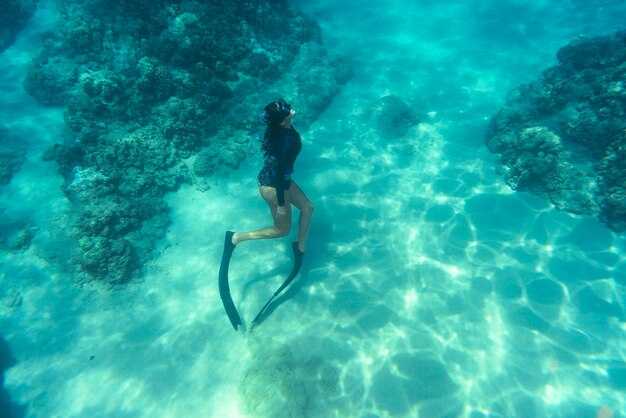
多島ホッピングのライブアボードを選択すると、水上での時間とロジスティクスの容易さの最適なバランスが得られます。タヒチの諸島を3つのゾーンでカバーし、毎日のホテル移動をスキップし、ティプータ・パスのような象徴的な場所に安定的にアクセスできます。フランシスコは、現在の状況と水面状況を理解するのに役立ち、その瞬間への集中を可能にして、安全に関する綿密なブリーフィングを実施しています。穏やかな水での朝、外洋の礁をパトロールするサメ、そしてスイーピングするイタチウオをお楽しみいただけます。このアプローチは、通常は良好な視界を提供する12月に予測可能性を求める旅行者にとって真に素晴らしいものです。.
もし物事をシンプルに保つことにした場合、パペーテやボラボラなどの中心地からの日帰り旅行はうまく機能します。1日に2〜3回の外出を行い、セッション間の休憩を設けます。拠点の近くでは、町で食料品を買い出し、長時間の移動を最小限に抑えることができます。クイックハイキングの時間がもしあれば、海のセッションの間に陸上遠足を含めて、足を伸ばし、島の景色を堪能してください。.
ギアチェックリストは、マスクとフィンの両方のオプションをカバーしています。しっかりと密閉できるマスクとフィン、シュノーケル、12月の暖かさのために3〜5mmのウェットスーツまたはラッシュガード、涼しい朝のための手袋、長めのリールを備えた浮力のある浮揚マーカーブイ(SMB)、予備の浮揚シグナルデバイス、リーフセーフの日焼け止め、夜間の観察用のコンパクトな水中懐中電灯。ドライバッグ、スペアのOリング、メモ用のカメラまたはスレートを詰めてください。小さなハイドレーションパックと、乗り物酔い止めタブ入りの基本的な応急処置キットを持参してください。.
外出前の安全確認には、乗組員と現在の状況、風、視界を確認し、エントリーとエキジットの計画を再確認することが含まれます。バディシステム、明確な表面信号、およびtiputa周辺のドリフトルールの遵守を徹底してください。状況が変化した場合は、スケジュールを変更して代替サイトに移行し、遅滞なく船長またはガイドに通知してください。サメはこれらの海域のエコシステムの一部です。常に意識を払い、彼らの空間を尊重してください。.
Decemberはしばしば暖かい水と快適な空気をもたらし、ラグーンでは素晴らしい視界となることがあります。大型の種を見つける最良のチャンスを掴むには、午前中のセッションをスケジュールし、多島間ルート全体で柔軟な計画を立てておくことが重要です。 Tiputaの通過地点やその近くのリーフゾーン付近で2日目または3日目の滞在を増やすと、チャンスが広がります。特定の浅瀬エリアでは、水族館のような透明度を楽しむ機会がたくさんあります。もし非常に計画的なスケジュールをご希望であれば、このアプローチはそれを提供します。.