


 日本語
日本語  English (UK)
  Русский
  العربية
  한국어
한국어  Magyar
  Türkçe
  Español
  Čeština
  Svenska
  Português
  Ελληνικά
  Suomi
Suomi  Nederlands
  Română
  Italiano
  Français
  Polski
  Українська
  Deutsch
  简体中文
简体中文  Slovenčina
 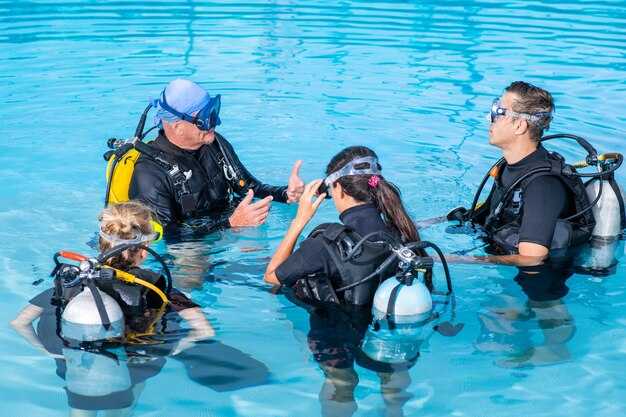 Scuba Diving in Antigua – What to Expect – A Practical Guide">

グランデアンティグアの浅瀬沿いで、海流が穏やかで透明度の高い早朝のスキューバダイビングを予約しましょう。3~5mmのウェットスーツ、リーフセーフの日焼け止め、曇り止め付きのマスク、水面 сигнальное устройствоをご用意ください。水中での最初の一瞬の静けさに備えましょう。.
水温は年間を通して26〜29°C前後で、風や海流によって異なりますが、視界は20〜30 mになることがよくあります。水深は、沿岸の場所で約6〜12 m、穏やかなリーフで18〜25 mで、ほとんどの場所で流れは良好です。早めの出発で、穏やかな水面と海岸線のよりクリアな景色を最大限に楽しむことができます。.
アンティグアには数多くの礁があり、あらゆる人の目に素晴らしい景色を見せてくれます。 kinds 探索者:珊瑚礁の庭園、色とりどりの魚の群れ、そして時折見かけるエイ。 fans 水生生物なら、見つかります。 adventures 穏やかな傾斜から優雅な壁まで、あなたのレベルに合わせた地形が用意されています。もしあなたが someone 海中散歩初心者です。主な内容を網羅したガイド付きセッションを希望します。 sights 自信を深めるのに役立つ、もう一度見直したい箇所です。.
実用的なヒントを参考に、持ち物とスケジュールを計画しましょう。リーフセーフの日焼け止め、小型のタオル、ドライバッグ、防水のカメラケースをご持参ください。 suited ウェットスーツと顔にフィットするマスクを用意し、礁の近くでの冒険に最適なアプローチについて、オペレーターに相談してください。セッションの後は、近くの restaurant 食事と休息のために。もしあなたが~と旅行するなら someone スポーツ初心者ですか? 再訪したい観光地を巡るガイド付きオプションをお尋ねください。.
アンティグアの海岸では、穏やかなラグーンから、バディとの探検に最適な浅瀬の優美なリーフまで、さまざまな水中体験ができます。西海岸沿いの大きなリーフでは、大きな群れや劇的なドロップオフを見ることができ、準備万端の旅行者に適しています。グランデ・アンティグアの海岸線は、安定した透明度、親切なオペレーター、そして非専門的なガイダンスのわかりやすいプログラムを提供し、次のような方々に適しています。 early 開始と adventures ご自身のペースや興味に合わせて調整できます。.
ハーフムーンベイにおける典型的な水深、透明度、潮流パターン
乾季の午前中にセッションを計画して、視界を最大限に確保しましょう。海岸近くでは、水深は約5〜12mで、初心者がリーフを探索し、生物を観察しやすくなっています。リーフの沖合では、15〜25mとなり、壁やドロップオフが現れ、経験豊富な観察者にとってはよりクリアな視界が広がります。ボートの係留場所を利用してスムーズに乗船し、もし不安なことがあれば、リーフの端に近い場所に留まってください。.
-
深さ: 沿岸から5–12 m、礁縁のすぐ外側では15–25 m。既知のパターンでは、海岸線から壁に向かって一定の傾斜が見られ、礁の向こう側にはより起伏と構造が見られる。.
-
Visibility: カリブ海の乾季(おおよそ11月~4月)には通常20~30m、雨季には平均12~20mですが、大雨や強風の後には5~10mに低下することもあります。.
-
現在のパターン: 表層の流れは通常穏やかから中程度で、北東の貿易風によるものです。リーフの内側は流れが穏やかですが、外側、特に河口付近や壁沿いでは、より強い流れに遭遇する可能性があります。潮汐と月の位相により、流れが約0.5~1.5ノット反転することがあります。生物を観察したり撮影したりする場合は、慎重にアプローチする計画を立ててください。.
-
人生と出会いのチャンス: ロブスターは水深5~15mの割れ目に隠れており、トビエイなどの大型種は外縁部やドロップオフ付近に出現しやすいです。また、リーフ構造や景色の間の溝には、ブダイ、フエダイ、ゴマウツボなども見られます。.
-
よりスムーズなセッションのための実践的な注意点: 安全な入港のために係留索を利用し、水路の入り口では穏やかに操船し、初心者の方は安全な浅瀬に留まりましょう。ボードの場合は、水深の変化を緩やかにし、視界を悪くする可能性のある堆積物を巻き上げないようにゆっくりと移動してください。.
-
持ち物と注意点: 少量の日焼け止め(水に溶け出さないもの)、顔にフィットするマスク、カメラまたはシュノーケル用具。既知の条件下では、生物を見つけやすいのは、6〜15mの間を移動し、リラックスしたペースを保つ場合です。.
アンティグアでのダイビングに最適な潮汐、時間帯、海況
まずは具体的なアドバイスから。潮流が弱まり、透明度が最大になるように、港湾エリアの干満差が少ない時間帯、現地の午前10時~11時30分頃に最初の水中セッションを計画しましょう。カリブ海の穏やかさを満喫してください。最高のコンディションの日には、20~30mの透明度に達し、岩や岩礁が際立ち、多様な生物との出会いを誘います。孤立した岩の形はまるで彫刻のようです。ダイバーやゲストのために、午前中は日照時間が長く、風も穏やかですが、午後の遅い時間帯には、外洋のポイントで海流が穏やかになることがよくあります。日によっては、ボートの往来が激しいこともあります。人混みが少なくなる港の端に近いルートを選べば、水中世界の宝をじっくりと鑑賞する時間が増えます。必ずプロのガイドに確認してください。この簡単な確認作業が、より安全な計画につながり、周囲の状況と目標を一致させるのに役立ちます。時間、光、海流のバランスを味方につけ、柔軟なスケジュールを立てることで、荒れた場所で無駄なエネルギーを消費することを避けられます。.
タイミングウィンドウと時間帯
カーライル湾と周辺の岩礁では、潮流が満ち潮から引き潮に変わる頃に流れが緩やかになります。午前9時45分~11時15分頃、午後15時00分~16時45分頃に開始する計画を立ててください。ネルソンズ・ドックヤード近くの港への進入路では、海が穏やかになりやすく、視界が良好な11時15分~12時30分、または16時00分~17時30分を目標にしてください。ロング湾のような外側の露出した場所では、正午には多少の波が立つことが予想されます。通常、午前10時30分前、午後16時00分以降は、風、うねり、透明度のバランスが最も安全です。状況は急変することがありますので、当日は必ずプロのクルーに潮流と視界を確認してください。わずかな潮の変化でも、水流が岩礁や巨岩の周りでどのように変化するかが変わるからです。満月に近い場合は、潮流が強くなる時間帯もあるので、それに応じて計画を立て、必要に応じて調整できるように準備してください。.
サイトのヒントと実用的な情報
港からの短いトリップを選ぶと、周辺のリーフや水中の宝物を探検する時間を増やせます。ルートによっては長くなることもありますが、ダイバーは手つかずの自然や多様な生物との出会いを楽しむことができます。潮流が許せば、水中スクーターでより広範囲をカバーできますし、ガイドは初心者から経験豊富なダイバーまで、それぞれのレベルに合わせたルートを案内してくれます。風が強くなったら、穏やかな水面と低いサージの、より穏やかな場所に変更して、快適なセッションを維持しましょう。常に漁師や往来の激しい航路を尊重し、距離を保ち、現地の合図に従ってください。どのツアーでも、小さな甲殻類から大きなエイまで、様々な宝物に出会えます。プロのクルーとのツアーは、体験を最大限に引き出し、港の近くでのリラックスしたドリフトと、次回の訪問計画で締めくくられます。.
アンティグア周辺のリーフ&レックダイブ用ギアチェックリスト
薄型マスクを選んでください バランスの取れたレギュレーターを使用し、深場でのセッションに臨む前に、浅瀬でシールのテストを行い、通常通り呼吸をしてください。ただし、曇りやストラップの故障に備えて、予備のマスクをバッグに入れておきましょう。.
3〜5mmのウェットスーツを着用してください。 ブーティ着用推奨。アンティグアの水温は通常26~29℃ですが、風や海流によって変動することがあります。貿易風が強い時期には、5mmのウェットスーツがあると長時間のダイビングでも快適です。寒さが好きな方は、水深が深い場所にある沈船の内部を探検する際に備えて、フードやグローブをご用意ください。.
丈夫なBCD(ウェイトポケット付き)、冗長ガス源(オクトパス)、信頼性の高いファーストステージ、耐久性のあるリールとライン、明るいSMB、薄暗い内部用のコンパクトな水中ライトを準備してください。船体や岩の周りを移動する際に引っかかりを防ぐためのナイフまたはラインカッターも忘れずに。 ディキンソン そして フリーマンズ sites. Explore リーフの柱や沈船の間を移動する際は、珊瑚を保護し、ラインが引っかからないように注意してください。.
質の高いギアに最初に投資すれば、後でその価値がわかるでしょう。レンタルする場合は、ホース、レギュレーター、タンクのサービス日を確認してください。; used ギアは価値を提供できるが、契約する前にサービス履歴を確認すること。 賢明な 比較することを選択 offeringいくつかのお店で返品規約を確認し、旅行中にギアを交換する必要が生じた場合に備えて確認しておきましょう。.
Learn buoyancy with a buddy in calm shallows, then practice efficient finning so you touch nothing you shouldn’t and keep currents from pushing you toward wrecks or coral; creole-speaking crews at local shops often tailor routes to the Diverse Caribbeans coast, including sites by name such as south coast reefs and nearby channels. Arrive with a 賢明な plan and like-minded partners to maximize your adventure.
Adding a compact touch-light or small LED for interiors helps capture images; a diminutive SMB with line gives you surface control when visibility changes; bring an extra battery and spare O-ring for your regulator and camera housing. For exploration around wrecks, check the site briefings and follow the guide’s local rules to protect fragile structures and nearby life.
To wrap, keep your kit simple, smart, and loving the sea: a well-fitting mask, a reliable regulator, a warm yet flexible exposure suit, a bright light, and a spool with SMB. This setup supports reef and wreck explorations around Antigua and offers a smooth experience for adventure-seekers heading to ディキンソン そして フリーマンズ sites this season.
Safety routines: buddy checks, emergency signals, and standard procedures
Always perform a full buddy check at the jetty before entering the water. Verify mask seal, regulator airflow, BCD inflation, weights, and confirm your buddy’s gear is secure; ensure signals are known and agreed, and set a simple ascent plan that both understand.
For snorkelling and ocean travel, keep the plan tight: stay within arm’s reach, monitor air and depth, and move with a graceful rhythm along the surrounding coasts and harbour approaches. If you see hazards, pause and discuss a safe path; if a barracuda is spotted, slow your movements, maintain distance, and communicate before changing course. Moonlight or bright sun can help signals be seen, so keep your lights handy and eyes on your buddy. In harbour areas, a distant galleon or boat may be seen, but it remains background while you stay focused on your group.
Before descent: gear, signals, and travel plan
Pair with a trusted buddy or sailors partner on the boat or at the jetty; check air pressure, SPG readability, buoyancy control device status, hoses, and masks. Agree on universal signals, confirm contact points, and outline a travel plan that keeps you within sight of the harbour and jetty links. If anything looks off, pause and fix it before entering the water.
Emergency signals and standard procedures
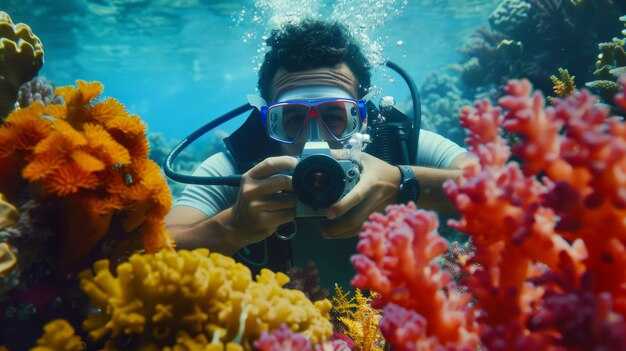
Agree on underwater and surface signals: a clear signal for OK, a distinct cue for low on air or out of air, and a plan for ascent. Practice the drill on the surface and at shallow depth; maintain contact, and adjust pace to the slower buddy. In night sessions, use a light so signals are seen under the moon. If danger is seen or currents change, stop, reassess, then execute the plan calmly and gracefully. The ultimate aim is a calm, safe ascent and surfacing. After surfacing, complete a quick debrief, secure gear, and enjoy a pineapple while linking the experience to the next travel.
Entry points, boat vs. shore approaches, and planning a Half Moon Bay day
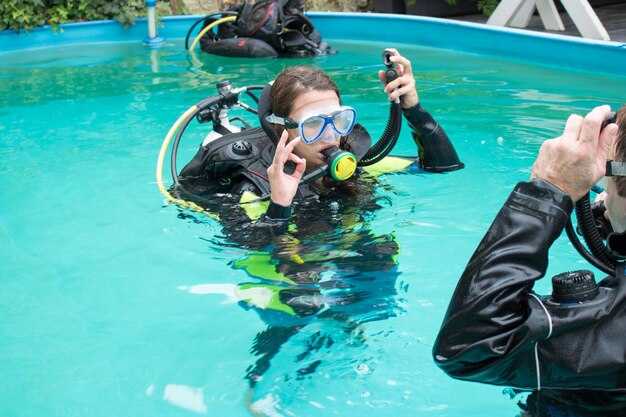
youre ready for a practical Half Moon Bay day: plan a morning shore entry to wake up the kit and get the first sights, then switch to a boat hop for deeper depths and teeming life.
Entry points: the sandy beach at the main stretch offers a serene, easy access with a gradual slope, while the west side provides a rugged line where you can reach reefs alongside black coral and flounders along the sand. If you prefer a boat start, certified operators meet you offshore and ferry you to the deeper ledges in minutes, with calmer surface, sound of waves, and an abundance of sights.
Boat vs shore strategy: shore entries minimize gear time and suit when wind and swell allow, while a boat transfer opens depths beyond the reef, offering sights like bigger fish and rays. In november mornings, the sea is often flatter, making the shift between modes smoother. Some visitors combine both, exploring lesser-known spots alongside the main reef and sometimes spotting flounders in the sand patches.
Planning a Half Moon Bay day: allocate about 60-75 minutes for shore time, including mask, fins, and a short swim to the edge, then schedule a 30-45 minute boat leg to reach depths around 12-18 meters. Bring certified gear, sunscreen, and a shop for any last-minute equipment; consider a few minutes to check currents and plan the return, using links from your operator for tide windows and safety notes. If someone asks what to look for, tell them to explore coral, schools of fish, and serene ledges where a calm sound fills the surface. After the outing, head back along the beach and unwind, with the memory of an abundance of sights and a safe, well-planned day.