


 日本語
日本語  English (UK)
  Русский
  العربية
  한국어
한국어  Magyar
  Türkçe
  Español
  Čeština
  Svenska
  Português
  Ελληνικά
  Suomi
Suomi  Nederlands
  Română
  Italiano
  Français
  Polski
  Українська
  Deutsch
  简体中文
简体中文  Slovenčina
 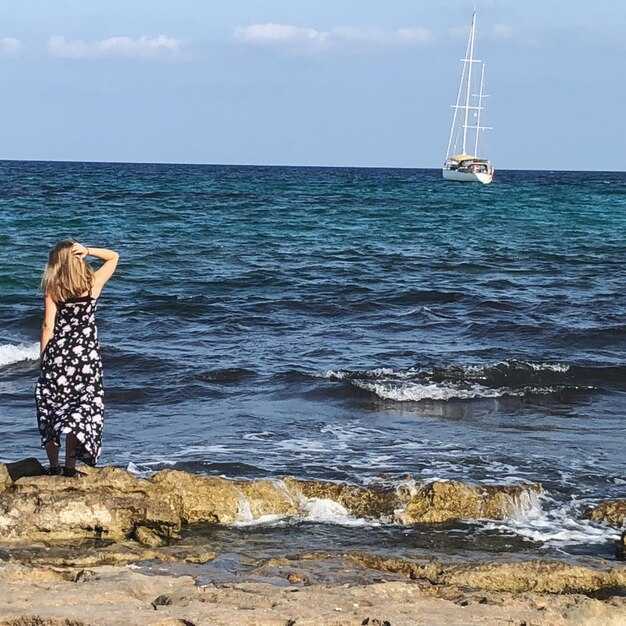 スペインでのセーリング – 海愛好家にとって理想的な避難場所">

Start with a round coastal loop from the Basque coast to Galicia, then arc south into the Balearics for a balance of rugged beauties and sheltered harbors. This approach keeps passages practical and lets you compare northern winds with southern calms, setting a steady pace for your voyage.
Along the northern coast you meet a variety of towns, from large port cities to smaller fishing villages. They each reveal coastal life with distinct flavors, and the scenery shifts from cliff-backed shores to sheltered estuaries, offering comfortable anchorages and the option to shorten legs if you prefer a shorter night at sea.
From palmas on Gran Canaria to the mainland, you’ll feel the year-round pulse of the sea. Each year, sailors return for reliable winds and predictable harbors. In busy ports you’ll pay higher cost per night, while in smaller harbors you’ll find more intimate moorings for about 40–70 EUR nightly. After sunset, many bays invite night swimming and a fresh breeze to wake your senses before bed as you drift toward the next anchor.
Head toward Galicia for the unique coastal beauties and a culture-rich land where you can plan a day ashore to explore santiago, then return to the boat for a sunset sail. This inland detour complements the maritime pace with culture and architecture, enriching the trip with unique experiences and coastal beauties.
For a practical frame, plan a final leg to Toro’s wine country after your coastal circuit, or combine a short inland loop to taste the best of Spain’s countryside. The route offers a variety of bays, coves, and lagoons where you can swim, fish, or simply drink in the fresh air and watch the sun dip behind rugged headlands, all while keeping the costs manageable and the pace comfortable.
Guide to Sailing in Spain
Fly into Malaga and book a sailing charter via Boataround for weekly trips along the Costa del Sol, then plan a Tenerife leg for a diverse holiday.
That blend of beaches and open-water passages lets you reset each day with a fresh horizon. Stay flexible to mix sheltered hops with longer sails.
The best windows are late spring and early autumn when steady winds shape easy days; the swells around Tenerife add exciting options for the crew seeking variety.
Main hubs and access: Malaga is the main gateway to southern Spain, while Tenerife anchors the Canary route; both have airports with frequent services and boats available for centre-based charters.
Beaches and havens along the coast invite flexible plans where you can anchor near protected coves, a haven for rest, after long hops and still reach lively towns.
Boataround connects you to a wide range of main routes and trips, with weekly options for bareboat or skipper-led formats, routes which suit your pace.
Practical tips: verify weather forecasts, check port fees, and confirm licenses; plan around ports in the Malaga centre or the Tenerife base if you want a longer-scale voyage.
Best Atlantic routes from Galicia to Basque Country: choosing a starting point and season
Start from A Coruña in Galicia, the recommended starting point, in May or September for the best balance of winds and seas. This keeps the level of risk approachable for a capable crew, while nearby ports provide provisioning and marinas with reliable wi-fi, and harbor protection. The wide, pristine coastline allows a flexible itinerary toward the Basque Country, with asturias as a natural nearby leg for a gentle first hop. If you prefer a shorter intro, Ferrol or Luarca offer nearby options with similar protection and a strong nautico vibe. Definitely plan the first leg to Santander at roughly 180–210 NM, then continue 60–90 NM to Bilbao, adjusting for forecast and currents.
Seasonal window and winds: late spring (May–June) and early autumn (September–October) deliver mostly steady conditions, with winds from the west-northwest averaging 15–25 knots and manageable seas. Winter adds stronger Atlantic lows, increasing risk; though experienced crews can handle it, you should rely on protected harbors and shorter hops. To navigate confidently, hire an expert skipper or pair up with a crew that has solid nautico credentials. If you crave a longer voyage, you can link this northward route with canaries or menorca extensions during milder months, always returning to a southern detour before rejoining the Basque coast. For enthusiasts, this setup works well as a stepping stone to longer, more ambitious itineraries.
Route structure and practical stops: begin A Coruña, hop to Luarca or Gijón for rest and provisioning, then press to Santander and finish in Bilbao. Distances fit well on multi-day passages: A Coruña–Santander about 180–210 NM; Santander–Bilbao about 60–90 NM. Along the way you’ll discover famous towns, protected harbors, and occasional pimpi bars where you can enjoy local wine and a quick wind check. For a more offshore feel, a direct Bilbao leg is possible in stable weather, but that demands careful planning and a ready crew. If you want a southern detour, malaga, churriana, and cabopino offer warm-water breaks, and you can loop to canaries or menorca later on for a longer, more ambitious voyage; you’ll also enjoy less crowded anchorages in sheltered bays depending on the season.
License, permits, and experience thresholds for Spain’s Atlantic coast
Get the right skipper certificate and ensure your vessel papers are current before you sail Spain’s Atlantic coast. Verify vessel registration and insurance, carry a valid VHF radio license, and have an EPIRB on board. Keep maintenance records up to date and perform a thorough pre-departure check; these things help when winds shift or fog rolls in. If you plan to enter protected zones, consult Capitanía Marítima well in advance for required permits; parc authorities along the coast may restrict anchoring or landing within designated areas. In galicias, plan for several checks with local authorities, and map your route to avoid restricted zones where needed.
What you need to document and obtain adds up to a practical list: vessel registration, proof of insurance, crew certificates for the skipper and any onboard trained members, a radio license for VHF use, and safety gear up to maintenance standards. For entries into Parc zones, you may encounter landing or anchoring limits that require a specific parc permit. Always verify current rules before you depart, especially if your plan crosses into the Las Islas Atlánticas de Galicia or other protected zones.
In parc zones along the Atlantic coast, you will find that permissions can change with the seasons and nesting periods. Factor in the delta area near the Guadalquivir for seasonal restrictions and designated moorings; this significant area demands careful scheduling and respect for wildlife rules. While you chart your course, keep in mind that several anchorages near galicias offer reliable shelter, but you must respect local regulations and avoid restricted basins during sensitive periods.
- Galicias coastal itineraries: start from A Coruña or Ferrol, sail through the rías, and progress toward Vigo and Baiona. Keep daily legs modest (20–40 nautical miles when possible) and choose daytime passages during summer trade winds. This approach builds experience while maintaining safety.
- Atlantic ring routes to the Guadalquivir delta: if you extend your voyage south, plan a conservative pace with backup anchorages near Cala de la Isla or Puerto de Santa María, and verify mooring options before entering the delta region. Keep a close eye on currents and wind shifts.
- Canaries addition: arguineguín serves as a reliable provisioning and maintenance hub when heading farther offshore; use it as a milestone for longer ocean passages, especially in winter when tradewinds are favorable for west-to-east legs along the Canaries and back toward the mainland.
When it comes to onshore stops, you’ll find delicious options, including wines and seafood in galcias ports. In vilanova and nearby towns, several restaurants serve authentic regional dishes that pair well with local wines; plan evenings for entertainment and informal maintenance checks in harbors that feel welcoming after a day at sea. Also, if you crave a change of scenery, consider Málaga as a cultural detour to contrast Atlantic sailing with Mediterranean energy, though keep in mind the sailing conditions and required permits if your route crosses into different maritime zones. Winds along the coast can shift quickly, so always have a backup plan and safe, short-day itineraries ready to serve your crew’s safety and comfort. The ultimate goal is a well-prepared voyage that balances adventurous sailing with practical constraints, delicious stops, and responsible boating across Spain’s remarkable Atlantic coast.
Weather, tides, and currents to plan safe passages along the Spanish Atlantic
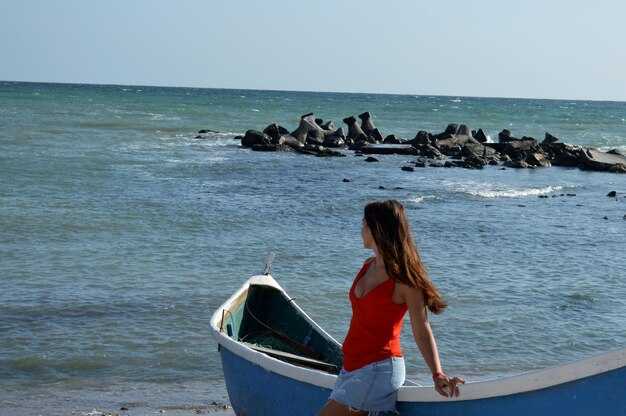
Plan long Atlantic hops in late spring or early autumn when NW winds stay steady and mornings are calmer, typically 12–18 knots with lighter chop. This window lets you ride a smooth, breathtaking ride along the coast and makes visiting marinas like Vigo, A Coruña, and Santander a pleasure. Make sure your certification is current and that rental terms cover safety gear; confirm crew needs and any assist options with your charter provider before departure.
Wind patterns vary by coast, so tailor each leg. From March to October the NW sector dominates the Atlantic near Galicia and Cantabria, with fronts bringing gusts that can spike to 25–30 knots in squalls. Choose legs that fit your level: 15–20 knot days for steady progress from A Coruña toward Ferrol or from Vigo toward Baiona, with a contingency for wind shifts. When the sea state tightens, slow down and enjoy the scenery–beautiful delta-like estuaries unfold to the east, while the next sheltered stretch offers calmer sailing. While you’re ashore, the buzzing restaurant scene near marinas keeps your crew entertained during visiting days and shore-side explorations.
Tides on the Atlantic coast swing with the moon, and Galicia’s Rías Baixas show tidal ranges of roughly 3–6 meters at spring tides, with other estuaries around 3–4 meters. In Cantabria and the Basque coast, expect 3–4 meter ranges. Plan passages to ride through narrows near high water for easier currents, and use tidal charts to time your approach to sheltered harbors. High-water entries shorten approach times into busy ports and help you manage marina slots during peak visiting seasons.
Currents run shallow along most open coasts, but in narrow channels and estuaries you can see 1–2 knots of ebb or flood. Expect cross-currents near headlands and around bends in the Rías Baixas delta. Bring up-to-date current tables and plot slack-water windows to keep your course true and minimize drift. If you sail during less favorable currents, adjust speed and heading gradually and communicate with the crew to keep everyone aligned and safe.
For planning efficiency, map your route with a couple of practical stops: from A Coruña south toward Vigo, then along the cantabrian towns of Gijón and Santander, finishing in Bilbao or San Sebastián if you add a longer leg. When you’re ready for shore days, you’ll find delicious options ashore and a resilient supply chain for Rentals and rentals–food markets, botanical gardens, and charming local markets enhance your route. If you’re considering a broader itinerary, you can also mix in Alcúdia to taste a different cuisine and a breezy, sun-drenched pause, or ride to Vilanova for a calm coastal vibe and a different harbor feel; Portmany can come later as a contrasting experience with a buzzing nightlife and a strong restaurant scene that highlights local products. Love the variety, and plan with safety in mind so each passage feels as calm as it is beautiful.
| Aspect | Typical values for the Spanish Atlantic | Planning tips |
|---|---|---|
| Wind | NW/ W winds commonly 12–22 knots; fronts can push gusts to 25–30+ knots | Target 2–4 day windows with 12–18 knot days; monitor forecasts from AEMET or trusted apps; choose legs with easier ranges; have contingencies for stronger fronts |
| 潮汐 | Spring ranges 3–6 meters in Rías Baixas; 3–4 meters in Cantabria/Basque estuaries | Plan passages around high water through narrow channels when possible; use tidal charts for shelter and marina access |
| Currents | Shallow coast currents; 1–2 knots in ebb/flow within channels; variable near headlands | Consult current tables; time entry for slack water; adjust course to counter drift |
| Best seasons | Late spring and early autumn offer moderate winds and calmer seas | Prefer May–June and September–October for long hops; use July–August for shore-time in marinas |
| 危険性 | Atlantic fronts, fog in Cantabria, rolling seas in open bays during storms | Keep a robust forecast and have a contingency plan for shelter in Vigo, A Coruña, Santander |
Ports, marinas, and provisioning stops on popular itineraries

パルマ・デ・マヨルカを補給拠点として始め、毎週の物資や水を積み込み、燃料を補給してから、フォルメンテラ島とイビサ島へ向かいましょう。.
バレアリックループでは、ホップを短く、ペースを快適に保つために、時計回りのシーケンスを計画してください。パルマからスタートし、アルクディアのマリーナへ向かい、イビサ・タウンまたはカラ・デ・サン・アントニオへ進み、フォルメンテラ(ラ・サビナ)に立ち寄ってアークを締めくくり、その後マジョルカへ戻りましょう。各立ち寄り地には、完全なサービス、船具店、そしてパブや水辺の散歩など、リラックスした休暇のリズムに合った都市生活のオプションが用意されています。この構成は、家族やクルー初心者にとって、海岸沿いの海、暖かさ、そして歴史を楽しむことをより容易にします。.
半島北部は、アストゥリアスが異なる風味を提供します。ジホンとアビレスは、しっかりとしたマリーナ、効率的な補給、そして長距離航海後に補給を再建するのに役立つ毎週開催の市場を特徴としています。その立地は、主要な港と比較して混雑が少なく、さらに海岸沿いのハイキング、文化的な観光スポット、そして休暇を豊かにする海洋の歴史の感覚へのアクセスを提供します。.
長旅の場合は、カナリアン・ルートが信頼性の高い風と開けた空気を約束します。ラス・パルマスとサンタ・クルス・デ・テネリフェは、スーパーマーケット、船具店、修理施設を備えた主要な補給拠点として立っています。変化を求めるなら、ラ・パルマやラ・ゴメラを短い立ち寄りとして追加し、多様な景観と穏やかなアンカー地を楽しみましょう。この道は、一年を通して温暖な気候の中で常に前進を続け、それ以上の目的地と、港町のパブで交流する機会を数多く提供します。.
どちらの方向を選ぶにしても、新鮮な農産物、水、燃料、スペアパーツといった基本的なものに焦点を当てた調達計画を準備してください。最良の方法は、毎週のリズムと柔軟な航海区間を組み合わせることで、天候や乗組員のエネルギーに合わせて適応できるようにすることです。その結果、スペインの海岸線は、カナリー諸島の風、アストゥリアスの崖、フォメントエラの穏やかな入り江を追いかけて、年間を通してセーリングのリズムを楽しめる、多様なサービス、多様な目的地、そして複数の冒険が組み合わさった究極のセーリングホリデーの拠点となります。.
乗組員の準備、安全装備、およびスペイン大西洋航路のための甲板スキル
出発時刻の48時間前に乗組員全員を対象に安全ブリーフィングを実施し、初心者向けに役割をローテーションしながら20分間の甲板上の訓練を行い、全員が救命ボートの展開、ロープの渡し、および船外への転落者の救助ができるようにする。.
チャーターに必要な安全装備:人数分の救命胴衣プラス予備のジャケット2着、6人用の救命艇、GPS搭載のEPIRB、チャンネル16のVHFラジオ、消火器2台、船上救急キット、そして地図、信号装置、水やり分を詰めた遭難バッグ。すべての機器を点検し、また、出発の24時間前にすべての乗組員にチェックリストのコピーをメールで送ってください。.
デッキでの訓練でより良いコントロールを:風の弱い時にメインセイルをリーフし、シートとハヤルドを操作し、人( overboard )を救助し、クリーンなコックピットを維持しながら、コントロールされた MOB ドリルを監視中に練習します。 シフトごとに、デッキの塩分や油分の残留物を除去するために、迅速な清掃を実施し、滑り止め面を乾燥させてください。.
航海と気象規律:4時間ごとの見張りのローテーションを設定し、継続的な航海日誌を記録し、救命浮環とペインターを使用してMOB救助訓練を行います。 15~25ノットの風の変化と、1~3メートルの波を予想し、バースト時にはより大きな突風が発生する可能性があります。荒天時には慎重な操船アプローチを使用し、追風を避けるために速度を調整してください。.
スペインの北大西洋海岸沿いを旅行を計画する際、より本格的で美食体験を促進する、小さな港とハイライト停留所を組み合わせるようにしてください。補給や船上食のためにベニドームやマルベーリャへの立ち寄りを計画し、マホンやメノルカのサンタ・クルーズなど、バレアレス諸島へさらに深く進んで、本場のシーフードを味わい、地元のレストランを訪ねてください。航行の合間には、新鮮な魚介類を堪能し、地方の特産品を味わい、素晴らしい景色と文化的な魅力がスケジュールを導くようにしてください。.
初心者の方は、タイトなトレーニングスケジュールを維持し、ルートと安全上の注意点をクルーと共有するためにメールを使用してください。典型的なチャーターでは、ウォッチキーピング、ドッキング、プロビジョニング、およびリーフィングのための明確な役割を割り当て、経験豊富なメイトを船上に乗務させるか、チャーター会社から待機させてください。このアプローチは混乱を防ぎ、学習しながら日々の生産性を維持します。.
最終確認後、安全な海域へ針路を定め、入港許可時間をPort authoritiesに確認します。各区間の日数を記録し、穏やかな日や荒れた海に応じてスケジュールを調整してください。この旅行はセーリングと美食、そして本場のローカルカルチャーを組み合わせたもので、スペインの海岸線と、同国の海洋史を最大限に活かしています。.