


 日本語
日本語  English (UK)
  Русский
  العربية
  한국어
한국어  Magyar
  Türkçe
  Español
  Čeština
  Svenska
  Português
  Ελληνικά
  Suomi
Suomi  Nederlands
  Română
  Italiano
  Français
  Polski
  Українська
  Deutsch
  简体中文
简体中文  Slovenčina
 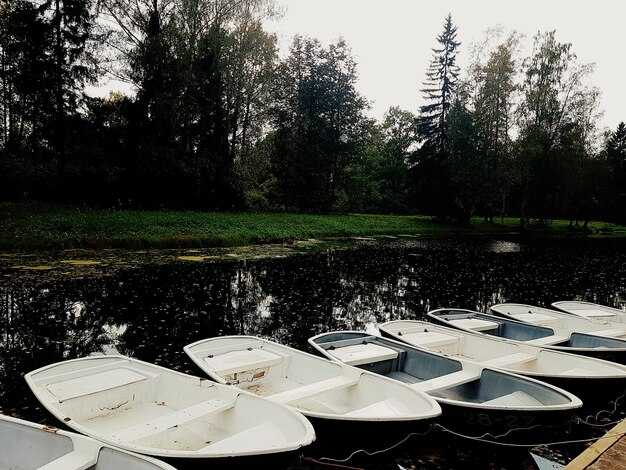 湖上パーティー – 忘れられない湖上パーティーのためのボートレンタル">

Rent a 60ft pontoon with a built‑in cooler for your lake party, delivering enough space for your crew and your drinks. This option brings luxury right onto the water, and it works well for that kind of gathering. Launch near the east shoreline to catch sunset colors that linger, and choose a boat located near beaches there for quick shore access.
Plan activities that keep momentum without chaos: wakeboarding and other sports are popular, so pick a pontoon with a stable platform and room for gear. Bring a cooler with ice, water, and snacks, and ensure there is ample seating so guests can mingle while the boat cruises along the shoreline, which keeps the flow natural.
Safety is strong with life jackets, first‑aid gear, and a required safety briefing from the operator. The captain coordinates docking, speed, and shore access so that your group can focus on fun rather than logistics.
For pacing, pick a rental located near the east side with access to quiet beaches and a reliable wakeboarding zone. Book mid‑week if possible, when the water is calmer and permits are easier to secure. That choice frequently saves hours of wait time and makes your day flow more smoothly.
On the water, your crew enjoys a very relaxed vibe, smooth transitions between songs, games, and swimming. Plan a rhythm that fits your group, from midday dip to sunset toast, and keep the energy aligned with the water’s pace along the shoreline for glowing moments. There, memories are made that last long after the party ends.
Choosing the Right Rental Boat for Your Lake Party
Choose a pontoon boat for most lake parties. It offers ample space for a group, a stable wake, and a social layout that makes the day feel comfortable as a key part of your lake party toward sunset.
Look for wraparound seating, a shaded area from a bimini, and the option of twin outboards for smooth, predictable handling around choppier water. These features keep conversations flowing, let guests reach snacks easily, and support exploration of the shoreline without crowding.
Consider these common types: pontoon, deck boat, and cabin-style bowrider. Pontoon boats maximize space and ease of movement; deck boats balance room with performance; cabin models shelter guests from sun or wind as evening cools. Choose type based on group size, feel you want, and activities you plan to explore.
Check capacity and minimum rental hours, then review rates. For a 6–12 person group, a 20–24 foot pontoon fits well; rates generally range from $200 to $450 per hour, depending on season and included gear. Absolutely confirm what’s included–fuel, life jackets, anchors–and what you must bring yourself to avoid surprises, and note any extra fees for cleaning or fuel. Care is key for a smooth rental experience.
Plan parking and access before the day: map the road to the dock, verify parking options, and share steps with your crew. Be sure to pack a lightweight bag with snacks, water, sunscreen, towels, and a few extra chargers; keep under-seat storage organized so there’s space for everyone. After booking, coordinate a brief safety and communication briefing to ensure a smooth wake and a memorable lake party.
Read reviews to gauge cleanliness, engine reliability, and crew responsiveness. These insights help you choose a boat that matches what your group wanted and the vibe you want to create around the lake. Compare with other boats and maintain clear communication with the rental team, designating a part of the plan to one organizer to keep things on track.
Determining Capacity, Wake Type, and Layout for MOOMBA-style Surfing, Kneeboarding, and Tubing
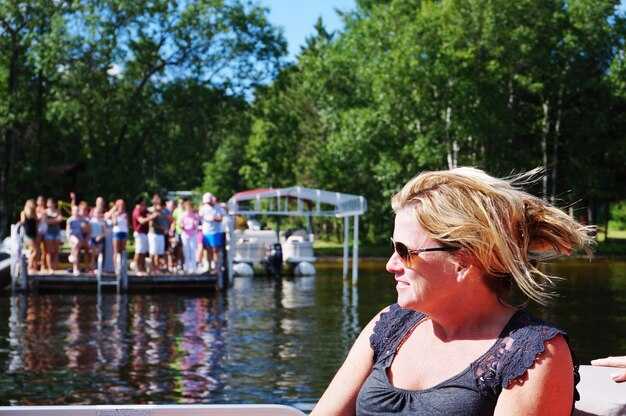
Recommendation: cap MOOMBA-style sessions at 10 riders on a 24–26 ft pontoon with 2 crew and 1 operator, and reserve space for 4–6 friends. Confirm counts online before each hour aboard a nearby yacht or lakefront dock, and keep morning slots for warm light and calmer winds.
Wake type specifics: for surfing, load ballast to about 1,200–1,800 lb to generate a 2–3 ft wave behind the boat at 10–12 mph; for kneeboarding, reduce ballast to 1,000–1,400 lb and run at 9–11 mph to keep the line stable; for tubing, use 1,400–2,000 lb ballast and speeds of 15–25 mph. Use a ramp at the stern for quick entry, and keep a shade canopy over the forward area to reduce glare during long sessions.
Layout plan: create dedicated zones along the port rail for surfing, along the starboard side for kneeboarding, and a tubing lane just off the wake area. Place picnic spots near the bow to give friends a view of all action, and keep a clear path along the centerline for loading and unloading equipment. Ensure the ramp area remains unobstructed, and position shade near the ramp to help new riders feel comfortable as they climb aboard.
Operational steps: the operator should confirm capacity and wake settings before each run, adjusting ballast and speed as needed while driving the plan with the crew. Keep the on-site crew close to the online schedule, monitor time windows by the hour, and communicate options to guests in advance so they can choose activities they’ll enjoy with their group. Maintain safety checks, and remind guests to bring water, sunscreen, and a light workout routine if they want a quick warm-up before riding.
Rig and safety checklist: near each activity zone, mark clear boundaries and post a quick list of required gear–life jackets, throw bags, and a first-aid kit. Maintain a steady flow of energy with a social vibe, and confirm that all spots are filled with people who understand the plan. If weather or wake quality changes, switch to a nearby east-facing lane or adjust ballast to keep everything stable; share the plan online so every guest can see the updated options and timing before the boat leaves shore.
Safety Gear, Insurance, and Pre-Launch Briefing Guidelines
Wear Coast Guard–approved life jackets for every passenger from the moment you board, and keep them fastened until you reach shore. The operator provides PFDs in multiple sizes; verify fit with staff on arrival. Keep a whistle or horn within reach, a waterproof flashlight, and a compact first-aid kit on deck. Place a throwable flotation device and a fire extinguisher in accessible spots. Do not exceed the capacity plaque on the console; overload reduces stability. Store valuables in a dry bag or locker as you prepare for departure.
Insurance terms: confirm that liability protection is included and learn what medical expenses or vessel damage coverage covers. If guests may consume alcohol, ask about restrictions and required IDs or guest lists. Some operators offer hull coverage or optional add-ons; check if an advance hold is required and what would trigger a refund.
Pre-launch briefing: attend a 15-minute briefing with crew prior to launch. Review the planned route, identify hazards, and note speed limits and wake zones. Run through engine start and stop procedures, signaling, and boarding/disembarkation order. Confirm anchor points, how to navigate shallow channels, and steps for engine failure or man overboard. Identify where safety gear is stored and practice using the horn and the onboard radio if present. End with a plan for waste disposal and compliance with harbor rules and quiet hours.
Weather contingency: check wind conditions and visibility before departure. If gusts exceed 20 mph or chop rises above 2–3 ft, return to harbor or adjust the plan. Remain with the group and follow captain instructions in any changing conditions. After returning, review any gear used and ensure all items are secured and accounted for.
Equipment Setup: Tubes, Kneeboards, Surf Mats, and Storage
Recommendation: secure equipment on a dedicated rack and run a 5-minute pre-session check. You must use marine-grade straps with cam buckles and keep a compact repair kit on board. This setup keeps gear organized, speeds loading, and ensures the party stays on schedule all summer.
Plan by party size and activity type, then use color-coded tags to speed transitions between activities. Regularly inspect valves, seams, and patches after each trip to avoid last-minute failures when the crowds grow.
In variable winds or rising temperatures, adjust your plan: deflate and secure inflatable gear during strong gusts, and shade storage to protect material and reduce stress on seams. Store under deck bunks or a shaded locker to minimize heat damage and prolong gear life.
For transport, use a ramp or dock edge that fits your boat’s layout and choose straps rated for marine use. Always secure gear during road travel and at rest to prevent shifting, especially when a mega group boards or disembarks after a long ride.
-
Tubes:
- Recommended count: 4 tubes for a 6–12 person party; add 2 more only if deck space allows. Have 2 adult-sized and 2 kids-sized tubes where possible.
- Inflation: 7–12 psi depending on tube design; avoid overinflation to prevent seams from failing under load.
- Storage: deflate completely and store in a dry bag under a bench or in a dry locker to save space and reduce pressure changes from sun exposure.
- Use: assign a dedicated spot on deck for immediate grabbing; label with color codes to match riders’ skill and comfort level.
-
Kneeboards:
- Count: 2–3 boards for a mid-size party; ensure each board has a leash and quick-release strap.
- Setup: mount toward the stern or a stable center rail; keep lines tidy to prevent tangling.
- Safety: require a properly fitted life jacket, especially for younger kids, and brief riders on stance and fall technique before entering the water.
-
Surf Mats:
- Count: 2 mats are sufficient for most groups; add a third only if space and storage allow.
- Specs: choose mats around 2.5–3 cm thick for buoyancy and stability; inspect seams after each use.
- Storage: roll or lay flat in a dry bag or locker; avoid heavy stacking that could crease material.
-
Storage and organization:
- 保管方法:安全なルーフラックやデッキに取り付けるロッカーをドックサイドで使用する。パドル、リーシュ、修理キットはラベル付きの容器に保管する。.
- スロープとアクセス:機材は速やかに積み込めるようスロープの近くに置き、通路やボート発着場をふさがないようにしてください。.
- 乾燥した場所に保管:防水バッグを使用して雨からギアを保護し、色と柔軟性を保つために日陰に置いてください。.
- 年間を通してのお手入れ:湖や海水で使用後はすすぎ、完全に乾燥させ、換気の良い場所で、コードや紐につまずく可能性のあるペットや子供の手の届かないところに保管してください。.
-
一般的な設定のヒント:
- 出航前にすべての装備を固定してください。緩んだ物は、航行中にボートを損傷したり、乗客を傷つけたりする可能性があります。.
- ピーク時の混雑によるボトルネックを避けるため、入場制限を実施します。セッション時間をずらすことで、よりスムーズな流れを促します。.
- 予備のバルブ、修理テープ、そして迅速な修理のための携帯ポンプを搭載した適切なサイズのキットを常備すること。.
- ホストからのレビューでは、道路の交通状況、人混み、その日の風に対応できる柔軟な計画の重要性が強調されることが多いです。.
- ヨットや大型ランチの場合、ゲストへの干渉を最小限に抑え、通路に物が置かれるのを防ぐため、船尾デッキに専用のギアステーションを設けてください。.
適切なセットアップは、安全なスロープ、整理された収納、明確な積み込み手順を組み合わせ、楽しさを途切れさせません。親密な週末でも、大規模な休日の集まりでも、実用的な機器計画は遅延を最小限に抑え、子供やペットの安全を守りながら、快適に水を楽しめます。.
予約、配送、返品:タイムラインとチェックリスト
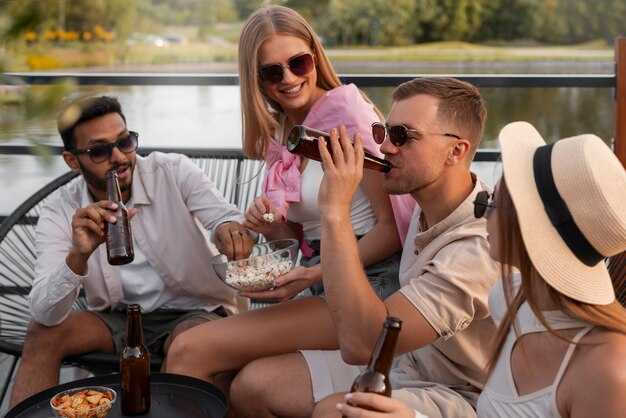
スムーズな湖上パーティー体験のために、お好みのボート、配達時間、スロープの時間を確保するには、4~6週間前に予約してください。.
予約段階:地元のパートナープラットフォームでオプションを閲覧し、西岸のおすすめを比較して、グループの人数に合ったパッケージを選択します。強くお勧めするのは、配達保証と明確な受け取りプランが設定されたパッケージを選ぶことです。場所を確認し、ドックチームと連携して、ボートの適切な側面がランプでアクセス可能であることを確認してください。.
配達時間:夕陽の計画に合わせて配達時間を調整してください。夕焼け時の光の下での利用を希望する場合は、ゲスト到着の60分前に到着するように手配してください。乗組員が食品、道具、ゲームを降ろせるように準備しておいてください。子供用のライフジャケット、日焼け止め、タオル、小型の救急箱を持参してください。釣り愛好家や収納のニーズがある場合は、岸に一番近い側にドックサイドのセットアップをリクエストしてください。サーフボードが含まれている場合は、すぐにアクセスできるように左舷側に固定してください。.
返却時間:明確な終了時間を設定してください。終了30分前からゴミの収集、ギアの洗浄、ケアチームへの損傷箇所の記録を行います。返却物は、ドライバーが引き取りに来るスロープエリアに戻してください。スムーズな返却は、地域との良好な関係を維持し、レビューを良好に保ち、次回の予約オプションを確保します。.
教育と計画:この記事では、安全の基本、ドッキングのエチケット、初心者のための簡単なチェックリストを紹介します。地元の家族や釣り愛好家のレビューを読み、オプションを比較し、出発前に船長と協力して水上での教育を受けましょう。十分に準備された乗組員は、スナックの持ち込みから、食べ物、ゲーム、そして夕日の瞬間を中心としたアクティビティの長いリストの調整まで、イベント全体をより容易にします。.
| Phase | Timeframe | Action | 備考 |
|---|---|---|---|
| Booking | 4–6 weeks before | オプションを選択し、ボート、配送期間、ランプを確定します。 | レビューを読む、西のロケーションを検討する、グループと調整する |
| 納品前 | 1~2週間前 | 住所を確認、座標を共有、食料と装備を最終決定 | 日没時間の計画;スロープアクセスの確認 |
| 配達日 | イベント当日 | ボートを受け取り、船体検査を行い、道具を積み込み、右舷側からのアクセスを確認する。 | ライフジャケット、水、日焼け止め、タオルを持参してください。 |
| イベント開催中 | レンタル期間中 | 安全に作業する。子供たちを見守る。船長と連携する。 | 食料の流れ、サーフィン/アクティビティ、釣り具 |
| Return | レンタルの終了 | ギアをすすぎ、点検し、ランプに戻し、回収を確認。 | ケアノート;事後処理の詳細を最終決定 |
水上でのエチケットと天候の変化に対応するための緊急時対応計画
出発前に、オペレーターと各グループとで緊急時対応計画を確認し、万が一の際の対策と合図を全員が理解していることを確認してください。.
湖上でのエチケット
- 他のボートや遊泳者とは安全な距離を保ち、水中の人に道を譲り、特に東側や浅瀬などの混雑したエリア付近では減速してください。.
- 乗客全員に米国沿岸警備隊承認のライフジャケットを装備させ、しっかりと装着されていることを確認し、すぐに使用できるよう予備をボード上のアクセスしやすい場所に置いてください。.
- 遊泳区域と明確な乗船側を指定し、ペットは必ずリードで繋ぎ、プロペラの水流や高温になるエンジン部分に近づけないようにしてください。.
- 緩みやすい物やスナック類はクーラーボックスや専用の容器にしっかり保管してください。波でさらわれる可能性があるため、スナックや貴重品を端に置かないでください。.
- グループ間の間隔を保ち、快適性と視認性を確保しましょう。キャスター付きの椅子や柔軟なレイアウトは、全員が安全に景色を楽しめるように役立ちます。.
- 騒音規制を守り、他のボートや野生生物を妨げる可能性のある大音量の音楽は避け、アクティビティの合間には会話や休憩のための静かな場所を提供してください。.
- オペレーターのガイドラインに従い、許可されているアクティビティと機器を使用してください。許可されていないことや、危険だと感じる場合は、すぐに安全なオプションに切り替えてください。.
気象に関する緊急時対応計画
- 旅行当日の朝にオンラインで天気予報を確認し、変更があれば運行業者に確認を取ってください。希望する代替日を設定し、ホストグループのために柔軟なスケジュールを維持してください。.
- 風が最大閾値(例えば、時速20マイル)に向かって強くなる場合、または波が高くなる場合は、速度を落とし、入江やドックなど、安全な場所に移動してください。予測できない引き波が発生するサーフゾーンやビーチブレイクは避けてください。.
- 雷や雷雨の場合は、直ちに岸に戻り、活動を再開するか、パーティーの一部を再スケジュールする前に、30分間の待機時間を設けてください。.
- 雨が強くなってきた場合は、陸地の屋根のある場所や、日中の代替屋内施設に移動してください。パーティーがどうしても水上を希望する場合は、翌日の午前中に天候が回復してから再度行うようにしてください。.
- 日陰のある場所や、おやつやボードゲームのために屋内施設のある海岸沿いの会場に移動するなど、バックアッププランを用意しておくと、柔軟な計画を望むグループにとって、全体的な体験が非常に楽しいものになります。.
- 全員が仲間意識を持ち、安心できるよう、グループにはっきりと伝え、更新のたびにオンラインチャットやテキストで確認してください。.
装備、安全、即応態勢
- 防水バッグ、基本的な救急セット、日焼け止め、帽子、水を入れた持ち運び可能な安全キットを用意し、ペットやゲストが快適に過ごせるようデッキから離れた場所に保管してください。.
- 乗船、ペットの管理、サーフィンやパドリングなどのウォータースポーツ活動を監督する乗組員を割り当ててください。この担当者は、運営の安全と効率を維持するのに役立ちます。.
- 午前中から午後遅くまで使えるように、氷、水、軽食を入れた予備のクーラーボックスを船内に用意しておき、在庫を安定させ、食品の腐敗を防ぐため定期的に入れ替えましょう。.
- 乗務員に、何が船内で許可されており、何が陸上に置いておく必要があるかを確認し、すべての機器、ボート、および用具が最低限の安全基準を満たしていることを確認してください。.
- 出かける前と天候が変化した後に、グループと簡単なチェックインを行い、全員が安心して情報を受け取れるようにしてください。.
Practical tips for a smooth experience
- 状況に合わせて柔軟に対応できるよう、準備万端で臨みましょう。状況が変わっても、柔軟な計画があればパーティーは楽しく続けられます。.
- ドックまたはボードに青いマーカーを使用して、推奨されるピックアップエリアを指定し、大きな波が立つ最も深い水域から離れてください。.
- ペットや子供のために、船上に涼しく日陰のある場所を指定し、軽食や飲み物が取り出しやすいクーラーの近くにしましょう。.
- 可能であれば、出発は穏やかな状況に合わせて朝に行うように努めてください。ただし、その日のうちに予報が変わった場合に備えて、調整できるよう準備しておいてください。.
- 出発前に、実施したいことはすべてオペレーターに確認し、安全性と快適性のための最低限の要件が満たされていることを確認してください。.