


 日本語
日本語  English (UK)
  Русский
  العربية
  한국어
한국어  Magyar
  Türkçe
  Español
  Čeština
  Svenska
  Português
  Ελληνικά
  Suomi
Suomi  Nederlands
  Română
  Italiano
  Français
  Polski
  Українська
  Deutsch
  简体中文
简体中文  Slovenčina
  航空における翼のフラップとその重要な機能について">

What Wing Flaps Do and Why They Matter
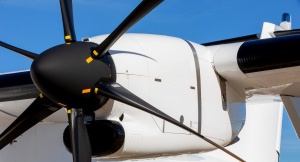
Wing flaps are movable aerodynamic surfaces attached to the trailing edge of airplane wings, deployed primarily during takeoff and landing. Whether the aircraft is a jet or turboprop, flaps are integral to controlling lift and drag, allowing pilots to manage lower speeds safely during these critical phases.
Operated from the cockpit, flaps enhance the wing’s camber and increase surface area. This boosts lift so the plane can perform well at slower speeds, which is essential for approaching or leaving the runway without compromising stability.
At slower speeds, deploying the flaps changes the angle of attack—the angle where air hits the wing—creating more lift. However, this also increases drag, effectively slowing the aircraft. This balancing act between lift and drag is crucial for safe takeoff and landing procedures.
Flaps and Regional Aviation
Wing flaps are especially valuable for turboprop aircraft that often operate on shorter runways found at regional airports. By improving short-field performance, flaps allow these planes to connect smaller, less accessible destinations more efficiently, reinforcing regional connectivity and expanding travel options.
Types of Wing Flaps and Their Characteristics
Various flap designs exist, each created with a goal to optimize lift enhancement while managing drag and aerodynamic efficiency.
| Type of Flap | 説明 | Key Advantages | Considerations |
|---|---|---|---|
| Plain Flaps | Simple hinged surfaces on the wing’s trailing edge that angle downward. | Robust, mechanically reliable, effective in increasing lift. | Increased drag that can complicate takeoff. |
| Split Flaps | Mounted under the wing’s trailing edge; create significant drag when deployed. | Smoother wing lines, excellent drag for slowing down. | Rarely used today; mostly found on vintage aircraft. |
| Slotted Flaps | Trails the wing and incorporates slots or gaps that allow airflow through. | Boost lift similar to plain flaps but with reduced drag, can be deployed at sharper angles. | More mechanically complex than plain flaps. |
| Fowler Flaps | Slides backward on rails before folding downward, increasing wing area and lift. | Significantly improves lift with less drag due to the slot formed between flap and wing. | Complex deployment mechanism. |
How Flaps Shape Flight Performance
By altering the wing’s shape and area, flaps enable pilots to customize flight characteristics for different scenarios. At takeoff, the aim is to maximize lift while keeping drag manageable for acceleration. Conversely, during landing, increased drag helps slow the plane safely, while extra lift supports a gentle descent and controlled touchdown.
Historical Context of Aerodynamic Control Devices
The evolution of wing flaps is part of the broader story of aircraft aerodynamic innovations. Early fixed-wing aircraft designs lacked many modern control surfaces, but over time, the integration of movable flaps, slats, and slots has transformed wing capabilities.
Modern aircraft wings can shift from sleek streamlined shapes during cruise to almost semicircular shapes during landing thanks to lift- and drag-inducing devices. This dynamic transformation is a testament to ongoing advances in design and technology.
Historically, early flap designs like plain and split flaps set the foundation for today’s more sophisticated options such as slotted and Fowler flaps, which offer enhanced aerodynamic efficiency. These improvements have been crucial in enabling airplanes to safely operate in varied conditions and at shorter runways, expanding possibilities for global and regional air travel.
Forecasting the Future Role of Wing Flaps in Aviation and Travel
As aviation continues to evolve, wing flaps and similar control surfaces will retain their critical place in aircraft design. Their role in improving short-field performance is likely to support increases in regional air connectivity, which in turn may influence patterns of international travel.
Enhanced access to smaller airports could facilitate new travel destinations, many of which are located near coastal or lake regions ideal for boating and sailing enthusiasts. Consequently, these developments in aviation contribute indirectly to the broader tourism industry, where activities such as yacht chartering and boat rental thrive around accessible, yet less crowded, marine destinations.
Wing Flaps and Boating Destinations
Regions with airports that support efficient short take-offs and landings can attract visitors eager for water-based recreation. This synergy between air transport and marine leisure is especially relevant in areas with well-equipped marinas, clear waters, and popular yachting activities. Thus, improvements in aircraft wing mechanics resonate beyond aviation, enhancing tourist access to desirable boating and sailing locations.
Summary and Closing Thoughts
Wing flaps are essential aerodynamic components that enhance safety and performance during aircraft takeoff and landing by boosting lift and managing drag. Different flap designs, such as plain, split, slotted, and Fowler flaps, offer a balance between increased lift and drag to suit specific flight needs. Historically, the development of flaps marks an important chapter in the advancement of aviation technology, directly impacting the capability of planes to operate from smaller and regional airports.
Looking forward, these innovations not only benefit aviation but also create ripple effects across travel industries, especially those tied to coastal and marine destinations. For travelers interested in yacht charters, boat rentals, or sailing vacations, the accessibility brought by such aviation advancements enhances opportunities to explore new waters and marinas with ease.
For those keen to combine air travel with maritime adventures, ゲットボート・ドットコム offers an international marketplace for renting sailing boats and yachts, providing options to suit all tastes and budgets, bringing the ocean, lake, and gulf destinations right to your fingertips.