


 日本語
日本語  English (UK)
  Русский
  العربية
  한국어
한국어  Magyar
  Türkçe
  Español
  Čeština
  Svenska
  Português
  Ελληνικά
  Suomi
Suomi  Nederlands
  Română
  Italiano
  Français
  Polski
  Українська
  Deutsch
  简体中文
简体中文  Slovenčina
 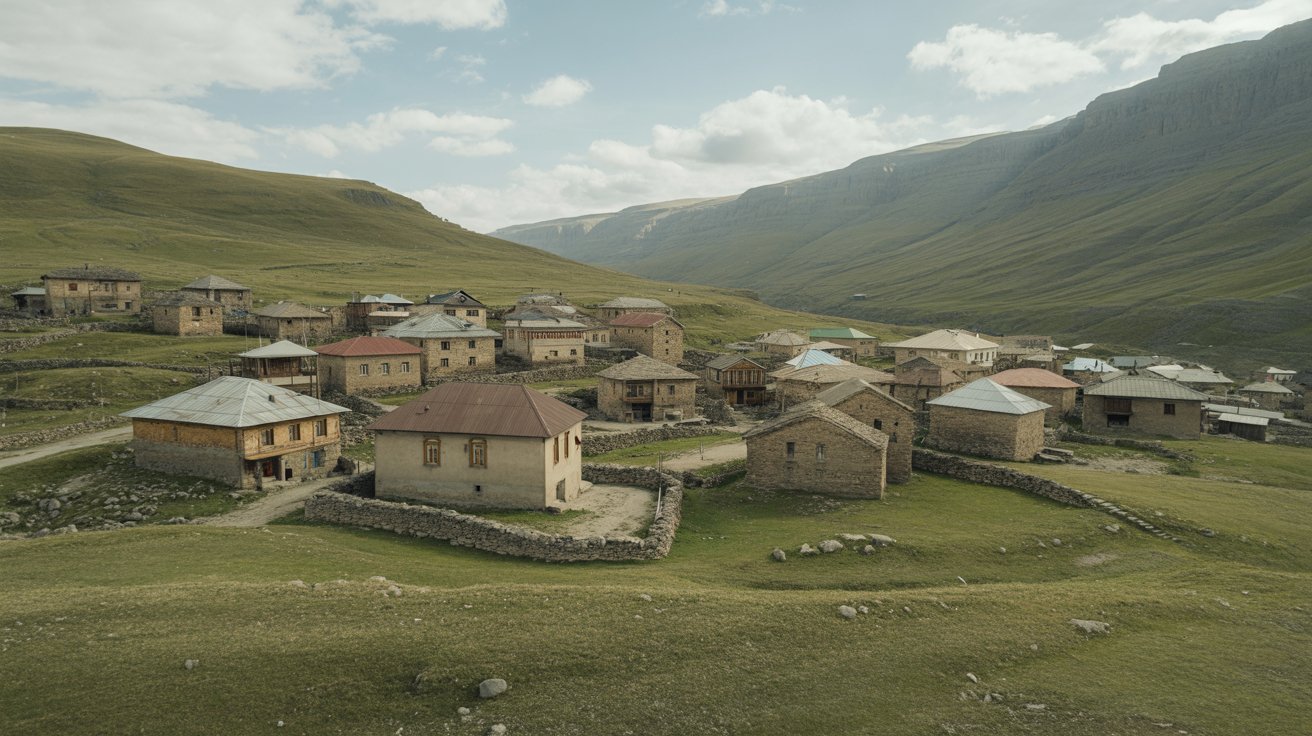 ツァダ村:ダゲスタンの文化的中心地であり、ラスール・ガムザトフの生誕地">

Exploring Tsada Village: A Cultural Gem of Dagestan
Tsada Village holds a special place as the birthplace of the celebrated poet Rasul Gamzatov and stands as a vibrant cultural heartland within Dagestan. This destination weaves together history, art, and traditions that resonate deeply with the region’s rich cultural tapestry.
Tsada Village’s Cultural Significance
Nestled in the rugged terrains of Dagestan, Tsada Village attracts those eager to immerse themselves in a location marked by literary pride and ethnic heritage. It is renowned not only for its connection to Rasul Gamzatov but also as a repository of the traditions and lifestyles that have shaped Dagestan’s identity over centuries.
Recent Tourism Developments
In recent years, Tsada Village has seen a gradual increase in visitors intrigued by its cultural offerings and natural beauty. Although the area remains authentic and relatively untouched by mass tourism, initiatives aimed at sustainable tourism are emerging to balance preservation with growing interest. These efforts aim to protect the village’s environment, cultural assets, and the traditional ways of life that define it.
観光における課題と機会
While Tsada offers a unique escape for cultural tourists, challenges include ensuring infrastructure development does not disrupt the village’s charm and managing visitor impact to prevent cultural dilution. Opportunities arise in promoting community-based tourism, offering authentic local experiences, and promoting Tsada as part of broader Dagestan travel itineraries.
A Brief Historical Context of Tsada and Dagestan
The historical roots of Tsada Village run deep in the cultural and social fabric of Dagestan, a region characterized by its ethnic diversity and centuries-old traditions. Dagestan itself occupies a strategic crossroads where various civilizations have intersected, enriching its cultural heritage.
Rasul Gamzatov and Literary Heritage
Rasul Gamzatov, a towering figure in Dagestani literature, was born in Tsada. His work has profoundly shaped the understanding and pride in local culture, inspiring both residents and visitors alike. Gamzatov’s poetry not only reflects the everyday lives of Dagestan’s peoples but also weaves the universal themes of identity, tradition, and homeland.
Dagestan’s Cultural Mosaic
Dagestan’s cultural landscape is remarkably diverse, home to dozens of ethnic groups and languages. This cultural mosaic is reflected in the crafts, music, culinary arts, and rituals that visitors encounter in villages like Tsada. The preservation of these traditions is vital for maintaining the region’s identity amidst the pressures of modernization.
Preserving Authenticity
Efforts to maintain the authenticity of villages such as Tsada are crucial. These include safeguarding traditional architecture, supporting local artisans, and fostering a tourism model that respects the environment and cultural heritage. This approach aligns with broader principles of sustainable tourism, which seek to support communities while providing meaningful experiences for visitors.
The Future of Tsada Tourism in a Regional Context
As global interest in cultural tourism grows, Tsada Village is poised to benefit from increased attention. The village’s rich heritage and connection to a famed poet provide a compelling narrative for travelers seeking depth beyond typical attractions.
Potential Growth in Sustainable Tourism
Given its cultural assets and scenic surroundings, Tsada has the potential to develop as a niche destination for literary tourism, cultural exploration, and eco-tourism. Developing careful tourism infrastructure and promoting authentic experiences can stimulate local economies while guarding against negative impacts.
Connecting Tsada to Broader Travel Interests
The village could also integrate into wider touring circuits around Dagestan and the Caucasus, appealing to travelers interested in history, mountains, and traditional lifestyles. Such integration would enhance visitor flow and offer diverse activities including hiking, cultural tours, and local culinary events.
| Key Aspects | Details |
|---|---|
| Location | Tsada Village, Dagestan, Russia |
| Cultural Highlight | Birthplace of Rasul Gamzatov, rich tradition of crafts and music |
| Tourism Type | Cultural tourism, literary tourism, eco-tourism potential |
| Main Opportunities | Community-based tourism, heritage preservation, sustainable development |
| Challenges | Infrastructure needs, visitor management, maintaining authenticity |
結論
Tsada Village represents more than just a location on the map; it is a cultural beacon illuminating the rich traditions of Dagestan and the legacy of one of its most revered poets, Rasul Gamzatov. While the village remains a relatively undiscovered gem, the careful development of tourism here carries promise for boosting local livelihoods and offering travelers meaningful engagement with the region’s heritage.
For those interested in experiencing destinations that combine historical depth, cultural richness, and natural beauty, Tsada offers a unique charm that should be preserved through mindful tourism practices.
For enthusiasts looking to explore destinations where sailing and boating complement the cultural experience, Dagestan’s access to the Caspian Sea provides further options. This region’s unique blend of inland culture and maritime opportunities creates exciting avenues for yacht charter and leisurely boating along the coastline.
To discover more about chartering yachts, renting boats, and exploring spectacular maritime destinations near vibrant cultural centers like Tsada, check out ゲットボート・ドットコム — an international marketplace offering a variety of sailing boats and yachts that suit every taste and budget for unforgettable sea adventures.