


 日本語
日本語  English (UK)
  Русский
  العربية
  한국어
한국어  Magyar
  Türkçe
  Español
  Čeština
  Svenska
  Português
  Ελληνικά
  Suomi
Suomi  Nederlands
  Română
  Italiano
  Français
  Polski
  Українська
  Deutsch
  简体中文
简体中文  Slovenčina
  世界中のスラム観光の論争と影響を紐解く">

Understanding Slum Tourism: Exploring Realities Amid Questions
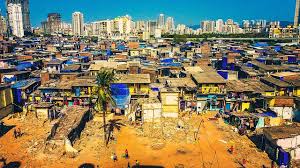
Slum tourism is a growing phenomenon where travelers seek to experience life in impoverished urban neighborhoods, often referred to as slums or marginalized areas. This trend raises significant ethical questions about whether such tourism exploits the vulnerable populations it showcases or if, conversely, it provides economic opportunities and raises global awareness of poverty.
Defined by the United Nations, slum areas typically suffer from insecure residential status, lack of formal property rights, insufficient access to basic services like water and sanitation, and overcrowded housing conditions. Tourists are sometimes drawn to these areas motivated by a desire for authentic cultural experiences or social awareness, though the implications for local communities are complex and under debate.
The Roots and Evolution of Slum Tourism
Slum tourism is not a new concept. It began in the 19th century when wealthy Londoners ventured into poorer neighborhoods, particularly in the East End, to observe social disparities firsthand. These excursions, dubbed “slumming,” highlighted the stark divide between social classes in the rapidly industrializing city.
This form of tourism soon spread internationally, with American cities adopting similar practices by the late 1800s. Fast forward to the modern era, and slum tourism has evolved into a well-established, sometimes professionalized business, particularly in parts of Asia, including India. The 2008 film “Slumdog Millionaire” notably spotlighted the Dharavi slum in Mumbai, one of the world’s largest, sparking increased tourist interest and new tour operations in marginalized districts.
Table: Milestones in Slum Tourism Development
| Century | Location | Significance |
|---|---|---|
| 19世紀 | ロンドン | Beginnings of slum tourism as social explorations within the city |
| Late 19th | USA | Adoption of “slumming” tours in cities like New York |
| Early 2000s | India (Mumbai) | Growth due to media exposure, e.g., “Slumdog Millionaire” |
The Double-Edged Sword: Controversy Around Slum Tourism
Critics argue that slum tourism often crosses into voyeurism, stripping residents of their dignity by turning poverty into a spectacle for entertainment—a phenomenon sometimes called “poverty porn.” For communities, the experience can feel invasive, akin to outsiders peering through windows and invading private lives, sometimes photographed without consent.
On the flip side, proponents believe slum tourism can bring much-needed economic benefits. It can foster small-scale local entrepreneurship, provide jobs, and in some cases, involve residents directly in organizing and guiding tours. Such participation potentially empowers them by giving a voice in how their neighborhoods are presented to outsiders.
Economic Impacts and Distribution
Economic benefits linked to slum tourism vary widely. While local operators and small businesses sometimes receive a share of tourism income, a large portion often flows to external tour companies or government agencies, especially in developing countries where tourism infrastructure is dominated by foreign investment.
The world’s urban population includes vast numbers living in slums under extreme poverty, with limited economic alternatives. In some areas, tourism represents one of the few economic activities providing any income. However, the uneven distribution of profits can reinforce existing inequalities, with local communities frequently left with only a small fraction of the fiscal gains.
List: Key Economic Considerations in Slum Tourism
- Profit Sharing: The extent local residents benefit financially depends on tour operators and government policies.
- Local Employment: Opportunities often limited to low-wage, seasonal jobs.
- Infrastructure Investment: Increase in tourism can prompt some improvements in local services benefiting residents.
- Economic Dependency: Reliance on tourism markets can leave communities vulnerable to economic fluctuations.
Raising Awareness While Respecting Residents
Beyond economics, slum tourism’s potential to educate tourists about global poverty is often cited as a positive outcome. When conducted ethically, such tourism can foster greater empathy and motivate support for poverty alleviation initiatives.
Some organizations have emerged that aim to address ethical concerns by ensuring tours are resident-led, profits are redistributed fairly, and photography restrictions respect the privacy and dignity of inhabitants. Examples include NGOs that commit all or most of their earnings to community programs, often receiving positive traveler reviews emphasizing meaningful exchanges over spectacle.
Ethical Tourism Practices in Slum Areas
To avoid exploitation and make a genuine impact, responsible slum tourism should include:
- Active involvement of local residents in tour design and delivery;
- Transparency about where the proceeds go;
- Restriction of intrusive photography;
- Education focused on local perspectives, showing development efforts rather than just poverty;
- Small group sizes to minimize disruption to daily life.
Looking Ahead: Slum Tourism’s Place in Global Travel
The future of slum tourism hinges on reconciling its ethical dilemmas with its economic and educational potential. Global connectivity has made remote marginalized areas more accessible to adventurous travelers, increasing the footprint of such tours worldwide.
Whether slum tourism evolves to become a driver of sustainable development and social empowerment or remains a controversial practice of voyeuristic consumption depends on policy frameworks, proactive community involvement, and the continued scrutiny of operators’ ethics.
Brief Historical Recap and Outlook
From its London origins as a form of social curiosity in the 19th century to its globalization in places like Mumbai, Rio de Janeiro, and Cape Town, slum tourism reflects broader social and economic divides. It continues to spark debate over how to balance tourist curiosity with respect and support for marginalized hosts.
In the context of international tourism, slum tourism exemplifies how travel trends expose complex inequalities but can also open pathways for economic and social improvement when managed responsibly.
Summary and Final Thoughts
Slum tourism navigates a fine line between exploration and exploitation, with its impact deeply tied to how well local communities are involved and benefit economically and socially. While it can raise valuable awareness and foster grassroots business opportunities, the risk of commodifying human poverty is ever-present.
For travelers interested in ethically engaging with impoverished yet culturally rich urban areas, thorough research into tour operators and their practices is vital. Prioritizing tours that empower locals and focus on sustainable development helps ensure that the experience is respectful and beneficial.
As international tourism continues to evolve, regions with vibrant water bodies and coastal lines often attract yachting, sailing, and boating enthusiasts who seek not just beaches and sun but authentic cultural interactions. For such travelers, combining marine adventures with community-based tourism provides a richer travel experience.
For those curious about exploring destinations where sea, ocean, lakes, and marinas create incredible opportunities for sailing and boating, the international marketplace ゲットボート・ドットコム offers a diverse range of yachts and sailing boat charters to suit many tastes and budgets, perfect for discovering hidden corners and vibrant local cultures responsibly.