


 日本語
日本語  English (UK)
  Русский
  العربية
  한국어
한국어  Magyar
  Türkçe
  Español
  Čeština
  Svenska
  Português
  Ελληνικά
  Suomi
Suomi  Nederlands
  Română
  Italiano
  Français
  Polski
  Українська
  Deutsch
  简体中文
简体中文  Slovenčina
 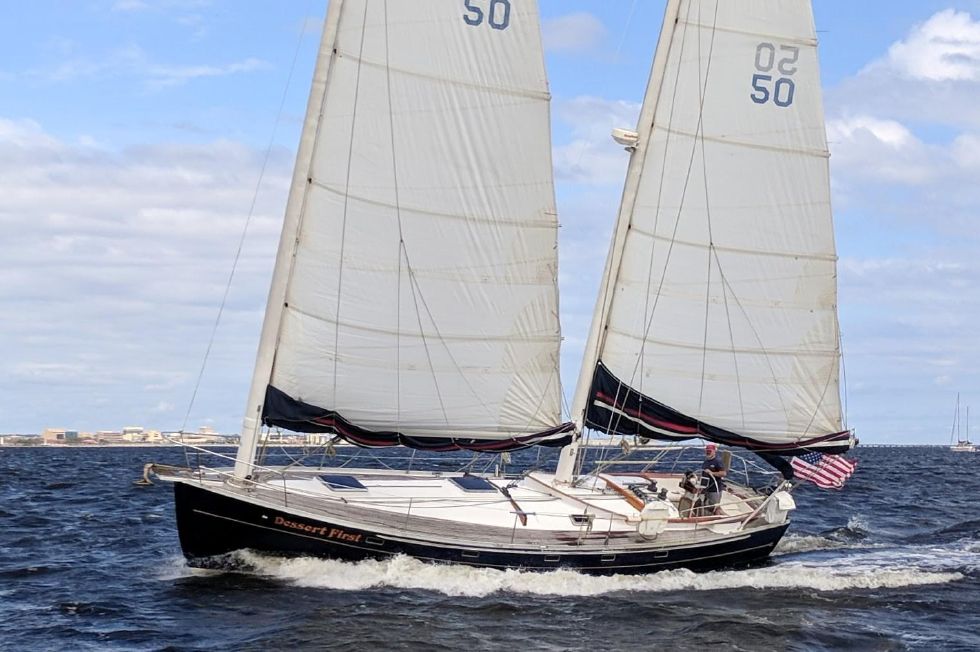 Choosing the Right Rigging Material for Sailboats">

In a Nutshell…
セールボートのリギング材料の選択は、性能と安全に大きく影響するため、通常はステンレスワイヤー、ロッドリギング、そして最新の合成材料という3つの主要な選択肢に絞られます。それぞれのタイプは独自の利点と欠点を提供し、さまざまな種類のセーラーや用途に対応します。.
Decoding Standing Rigging: What’s it all About? Standing rigging is a critical part of a sailing vessel's structure. It’s the set of ropes, wires, and rods that hold the mast(s) upright and provide the framework for supporting the sails. Understanding standing rigging is essential for safe sailing and proper vessel maintenance. **Types of Standing Rigging** There are several key components to standing rigging: * **Stays:** These run from the mast to the hull and resist fore-and-aft forces. * _Forestay:_ Runs from the bow to the mast; bears a significant load when sailing to windward. * _Backstay:_ Runs from the stern to the mast; complements the forestay. * _Side Stay (or Batten):_ Runs from the hull to the mast along the side of the vessel. * **Rounds:** These run from the mast to the hull at an angle and provide lateral support. * **Vangs:** These are diagonal wires that provide support to the lower mast. **Materials Used** Standing rigging historically used to be entirely made of rope (e.g., manila). Today, it's far more common for standing rigging to be constructed from: * **Steel Wire:** Strong and relatively lightweight, but susceptible to corrosion if not properly protected. * **Stainless Steel Wire:** More corrosion-resistant than galvanized steel. * **Composite Fibers (e.g., Kevlar, Vectran):** Very strong and lightweight, but can be more expensive and require specialized termination techniques. **Turnbuckles** Turnbuckles are mechanical devices used to adjust the tension in standing rigging. They consist of a threaded stud with two threaded ends. By rotating the body of the turnbuckle, you can lengthen or shorten the stud, thereby tightening or loosening the rigging. **Swaging & Terminations** The ends of wire rigging are typically terminated using swaging or fittings. Swaging involves mechanically compressing a fitting (such as a wire terminal or a jaw) onto the end of the wire. Alternatively, fittings can be attached using mechanical terminations using devices like Norseman or Sta-Lok fittings. *** **Checking Your Standing Rigging** Regular inspection is crucial. Look for: * Corrosion on wire * Wear or damage to fittings * Slackness in the rigging - if a stay or round feels loose, have it inspected by a professional. * Any signs of deformation Ignoring issues with standing rigging can lead to catastrophic failures at sea.
Standing rigging(スタンディング・リギング)とは、セイルボートの mast(マスト)を支え、さまざまなセーリング条件下で垂直を保ち、適切に tension(張力)を維持するためのワイヤーまたはロッドのシステムを指します。セールを操作するための rope(ロープ)や line(ライン)を伴う running rigging(ランニング・リギング)とは対照的に、スタンディング・リギングは固定されています。これはセーリングの重要な側面であり、スタンディング・リギングの integrity(完全性)は、安全とマストの寿命に直接影響します。.
ステンレス鋼ワイヤーリギング:最適な選択
スタンディング・リガーに使用される最も一般的な材料はステンレス鋼線であり、通常は1×19の撚り構造で構成されています。これは19本のワイヤーが撚り合わされたものです。この選択肢は、その柔軟性と手頃な価格から、レクリエーションセーラーの間で定番となっています。.
| Pros | Cons |
|---|---|
| 費用対効果 | Less Aerodynamic |
| 柔軟で寛容 | 少しだけ伸ばす |
| 入手と保守が容易 | 割れ Corrosion 感受性 |
| すぐに利用可能 | 短い寿命 |
| Familiar Technology |
主な仕様と考慮事項
- Construction: 1×19 Strandは、スタニングリギングの標準です。.
- 材料: 316ステンレス鋼は、耐食性のために好まれています。.
- 寿命: 一般的に、使用状況や点検状況に応じて、10~15年ごとに交換することをお勧めします。.
- 費用: 通常、これが最も経済的な選択肢であり、ロッドや合成材料のオプションよりも大幅に安価です。.
Rod Rigging: 高性能オプション
ロッドリギングは、特に高性能レースヨットにとって、プレミアムな選択肢として際立っています。従来のワイヤーとは異なり、ロッドリギングは高強度ステンレス鋼のソリッドロッドを使用し、強化された強度と縮小された直径を実現します。.
| Pros | Cons |
|---|---|
| 卓越した強さ | Higher Initial Cost |
| Less Stretch | 専門的な設置が必要です。 |
| More Aerodynamic | Metal Fatigue Risk |
| Longer Lifespan | 間違いに対する寛容性が低い |
| Lower Weight Aloft | 亀裂の検査が難しい |
主な仕様と考慮事項
- 建設: 特定のリグ設計に合わせて調整された固体ロッドで作られています。.
- 素材:一般的に、より高品質のステンレス鋼合金で作られています。.
- 寿命:定期検査を行えば、15〜20年持続する可能性があります。.
- 費用: 材料と設置の両面において、ワイヤールギングよりも著しく高価。.
Synthetic Rigging: 軽量でモダンなオプション
Recent innovation in sailing materials has seen synthetic fibres emerge as a comprehensive option for standing rigging, particularly in competitive racing and top-tier cruising environments. Dyneema, a high-modulus polyethylene fibre, is frequently used for its impressive strength-to-weight ratio.
| Pros | Cons |
|---|---|
| 非常に軽量 | ワイヤーよりも初期費用が高い |
| 鋼鉄に匹敵する強度 | Chafe & UV Degradation Vulnerability |
| Corrosion-Free | クリープ現象(荷重下での延伸) |
| 検査に最適 | 専門的な終端処理が必要です |
| 簡単に修理可能 |
主な仕様と考慮事項
- 構造:通常、単に編まれたロープで、保護カバーが付いていることが多いです。.
- 素材: Dyneema (UHMWPE) は標準であり、様々なグレードで入手可能です。.
- 寿命:長期間の使用が見込まれますが、使用状況や目に見える摩耗に基づいて交換することをお勧めします。.
- 費用: 通常、ステンレス鋼線よりも高価ですが、ロッドリギングとの比較では価格は様々です。.
Standing Rigging: A Direct Comparison
| Feature | ステンレス鋼線 | Rod Rigging | Synthetic Rigging |
|---|---|---|---|
| Material | 捻回し1×19ストランド | Solid Rods | HMPE (例:ダイニーマ) |
| Flexibility | Flexible | Stiff | 柔軟性、最小限の伸び |
| Cost | Lower | Higher | High |
| 寿命 | 10-15年 | 15-20+ years | 様々で、注意深く記述すれば長くなる可能性があります。 |
| Aerodynamics | Less Efficient | More Efficient | 非常に効率的 |
| ストレッチ | Some Stretch | Minimal Stretch | 最小限のストレッチ/クリープ |
| Suitability | クルーザー、デイセーラー | レーサー、ハイパフォーマンスヨット | Racers, Performance Cruisers |
この比較分析は、船乗りにとって貴重なリソースとなります。ただし、セーリングボートのリギングのすべての側面を包括的に理解するには、より詳細なリギングガイドを参照することをお勧めします。.
結論:選択をする
適切なリギングの選択は、個々のセーリングの目標に左右されます。多くのレクリエーションセーラーにとって、ステンレス鋼製のワイヤーリギングは、その手頃な価格と信頼性から依然として最良の選択肢です。しかし、レース愛好家やパフォーマンス重視のセーラーにとっては、ロッドリギングや合成リギングの方が、ストレッチの低さと重量最適化を通じて明確な利点をもたらす可能性があります。また、遠洋航海に挑戦する人は、合成リギングが提供する検査と修理の容易さも考慮する必要があります。.
海の物語
結局、リギングを理解することは、文化、自然、地域差という複雑なダンスを包含する多次元の旅です。馴染みのある海域を航海するのも、未知の海路を traverser するのも、次の海の冒険にはボートのレンタルをご検討ください。各ラグーン、湾、入り江は、地元の習慣、料理、方言のように、それぞれの物語を伝えます。あらゆる予算と欲求に対応するオプションについては、 ゲットボート・ドットコム.
結論
結論として、適切なリギング素材の選択は、セーलबートの性能、安全性、寿命に大きく影響します。ステンレス鋼線からロッドや合成リギングまで、各オプションは独自の利点と課題を提示します。GetBoat.com で、忘れられない水上の体験のために、適切な情報と選択肢にアクセスできるよう、セーリングアドベンチャーの信頼できるパートナーとともに、理想のリギングを発見してください。.