


 日本語
日本語  English (UK)
  Русский
  العربية
  한국어
한국어  Magyar
  Türkçe
  Español
  Čeština
  Svenska
  Português
  Ελληνικά
  Suomi
Suomi  Nederlands
  Română
  Italiano
  Français
  Polski
  Українська
  Deutsch
  简体中文
简体中文  Slovenčina
  Solomon Islands Secures 2026 Pacific Tourism Ministers Meeting">

Solomon Islands Selected to Host 2026 Council of Tourism Ministers Meeting
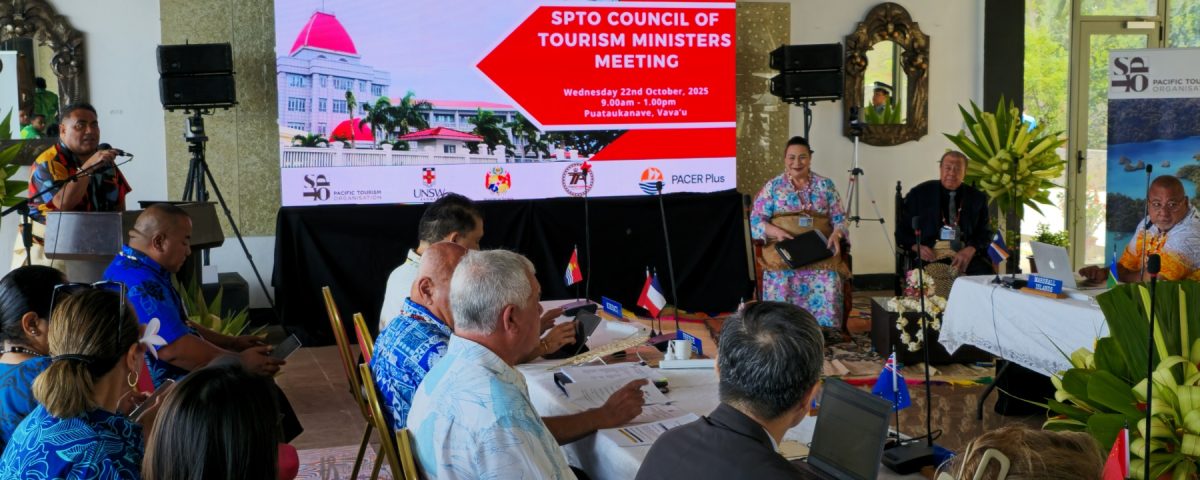
The Solomon Islands have been chosen to host the prestigious 2026 Council of Tourism Ministers Meeting, a decision finalized at the 34th meeting held in the island group of Vava’u, Tonga. This win reflects a strong regional focus on steering Pacific tourism toward sustainability, with frameworks in place to guide the sector through 2030.
During this notable gathering, departing leadership was acknowledged, and new initiatives laid out to strengthen tourism and aviation connections across the Pacific. The incoming Chair, Minister Mo’ale Finau of Tonga, underscored strategic priorities, including enhancing connectivity through the “Connecting Tourism and Aviation” initiative, fostering regional cooperation, and promoting inclusive partnerships that embrace all stakeholders.
Key Resolutions and Frameworks Endorsed
The meeting’s attendees endorsed the South Pacific Tourism Organization (SPTO) Pacific Tourism and Aviation Strategy for 2026–2030. This strategy aims to bolster the resilience and connectivity of Pacific tourism, critical for an industry heavily reliant on air travel amid a geographically dispersed region. The Council also approved governance reforms, opting for a Pacific-led inclusive model to steer future developments.
In addition, the assembly welcomed the results from the 3rd Pacific Sustainable Tourism Leadership Summit and the Pacific Youth Forum, highlighting a commitment to youth inclusion and sustainable tourism policies. These measures serve as a blueprint for aligning tourism growth with environmental stewardship and community empowerment.
A Brief History of Pacific Tourism Collaboration
Pacific island nations have long recognized tourism as a vital economic pillar, balancing growth with the protection of fragile ecosystems and rich cultural heritages. Historically, collaboration through forums such as the Council of Tourism Ministers has provided a platform for joint strategy development addressing connectivity challenges and sustainable practices.
Air transport plays a pivotal role in the region’s tourism dynamics, often seen as both an enabler and a challenge given high operating costs and vulnerabilities to airline network fluctuations. Initiatives like the “Connecting Tourism and Aviation” program aim to mitigate these issues, enhancing direct access between key markets and island destinations.
Over time, the SPTO and related bodies have championed sustainable tourism development, introducing governance reforms and engaging with youth to ensure that future growth reflects both economic needs and environmental responsibilities. This evolution underscores a collective regional commitment to a balanced and inclusive tourism sector.
Challenges and Opportunities in Pacific Island Tourism
- Geographical Isolation: Dispersed island groups face high transport costs and limited market access.
- Environmental Sensitivity: Fragile ecosystems require protective measures and sustainable practices.
- Cultural Diplomacy: Tourism serves as a bridge between cultures, promoting understanding and regional pride.
- Infrastructure Development: Investments in airports, seaports, and communication systems are essential.
- Youth Engagement: Young people are increasingly involved in sustainable tourism leadership and innovation.
The Pacific Tourism and Aviation Strategy 2026–2030
| Strategic Focus | Objectives | Outcomes Expected |
|---|---|---|
| Connectivity Enhancement | Improve air and sea transport links among islands and external markets | Reduced travel costs, increased visitor arrivals, better regional integration |
| Sustainability Practices | Adopt eco-friendly policies and community-inclusive tourism development | Preserved natural environments and empowered local communities |
| Governance Reform | Implement a Pacific-led inclusive governance model for SPTO | Enhanced regional cooperation and transparent decision-making |
| Youth and Community Engagement | Incorporate youth voices and foster local partnerships in tourism planning | Innovative tourism products and increased social inclusion |
Implications for Sailing and Boating Tourism
Given the Solomon Islands’ and neighboring Pacific nations’ maritime geography, developments in sustainable tourism and enhanced connectivity offer substantial opportunities for sailing, boating, and yacht charters. Marinas and sheltered anchorages, especially in groups like Vava’u, have long attracted sailing enthusiasts. The SPTO’s strategic focus indirectly supports marine tourism by improving infrastructure and promoting environmental stewardship, key to protecting clear waters and vibrant marine ecosystems cherished by sailors and charter guests alike.
For recreational boating and sailing activities, improved regional aviation and tourism governance could mean better access to Pacific island destinations, encouraging more diverse marine tourism products, such as fishing trips, whale watching, and island-hopping sailing tours.
Looking Ahead: The Role of Sustainable Tourism in Pacific Islands
Tourism in the Pacific is at a crossroads where sustainable development is not just desirable but necessary to safeguard the unique island environments and cultures. The future will likely see continued emphasis on local engagement, environmental conservation, and diversified tourism activities to reduce dependencies and vulnerabilities.
Enhanced policies like those endorsed by the Council aim to boost resilience against climate change and global economic fluctuations. The balance between protecting pristine beaches and reefs while promoting economic benefits through tourism remains a delicate dance.
Forecast Table: Potential Trends in Pacific Tourism by 2030
| Trend | 説明 | Impact on Marine Tourism |
|---|---|---|
| Increased Air Route Connectivity | New and frequent flights to remote islands | Greater access for yacht charters, sailing tours, and marine-related activities |
| Sustainable Tourism Policies | Adoption of eco-certifications and responsible tourism codes | Improved preservation of marine environments, ensuring quality experiences |
| Youth and Community Involvement | Programs engaging young locals in tourism innovation | Creation of authentic cultural sailing experiences and local-led tours |
| Climate Change Adaptation | Strategies to mitigate environmental risks | Protection of coastal and marine infrastructure critical for boating |
結論
The Solomon Islands’ successful bid to host the 2026 Council of Tourism Ministers Meeting heralds a significant milestone for Pacific tourism. This gathering reaffirms the collective vision of sustainable growth, enhanced aviation connectivity, and inclusive regional cooperation. With strategic leadership steering the SPTO towards robust governance and youth engagement, the foundations are set to nurture resilience and innovation across the tourism spectrum.
For sailing and boating enthusiasts, such developments promise enriched marine destinations characterized by well-managed anchorages, pristine waters, and vibrant cultural experiences. The presence of strategic frameworks highlights a commitment to not only expanding tourism but also protecting the fragile ecosystems that make Pacific island destinations so alluring.
For those interested in exploring the waters and islands of this region, ゲットボート・ドットコム offers an international marketplace to rent yachts and sailboats, catering to every taste and budget and complementing the evolving landscape of Pacific tourism with practical opportunities for adventure on the sea.