


 日本語
日本語  English (UK)
  Русский
  العربية
  한국어
한국어  Magyar
  Türkçe
  Español
  Čeština
  Svenska
  Português
  Ελληνικά
  Suomi
Suomi  Nederlands
  Română
  Italiano
  Français
  Polski
  Українська
  Deutsch
  简体中文
简体中文  Slovenčina
 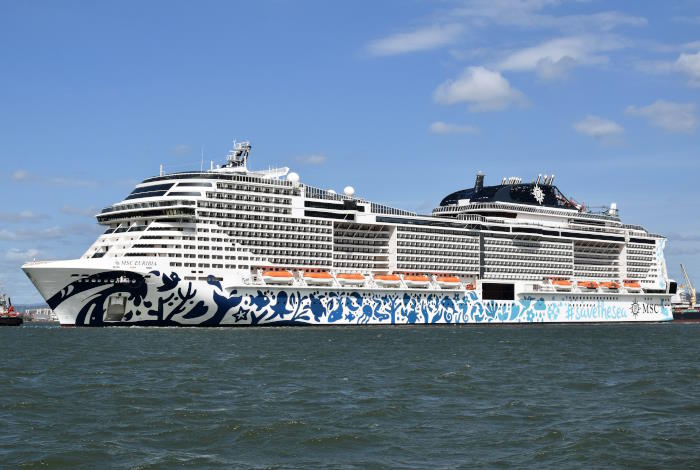 MSC Euribia’s African Voyage Opens New Pathways for Middle East Cruises and Port Alliances">

MSC Euribia、大胆な新たな航海
について MSC Euribia, MSCクルーズの艦隊の中でも最も技術的に進んだ船の一つであるMSCクルーズは、今シーズン、ユニークな航海に乗り出し、従来紅海を経由するのではなく、アフリカの海岸線に沿ってアラビア湾に向かう航路をとっています。紅海における継続的な安全上の懸念から、この戦略的なルート変更は、世界のクルーズ航路に大きな変化をもたらし、アフリカの海上ゲートウェイにスポットライトを当て、地域港湾協力の強化を促進します。.
迂回した旅路:ヨーロッパからアラビア湾へ
当初、MSC Euribiaは北ヨーロッパからドバイへ、スエズ運河と紅海を経由する予定でした。このルートは、その歴史的な重要性と効率性で知られています。しかし、セキュリティ上の課題が深刻化したため、計画は劇的に変更されました。同船は10月中旬に北ヨーロッパを出発し、ラスパルマス・デ・グラン・カナリア島で短い技術的な寄港を行った後、南アフリカのダーバンに寄港し、アフリカの東海岸沿いを北上しました。この延長された、しかしより安全なルートは、アラブ首長国連邦で最終地点を迎え、11月8日からドバイで2025/26年冬季シーズンを開始します。.
アフリカの港湾の戦略的重要性
今回のルート変更は、単なる物流の域を超え、グローバルなクルーズ運航における重要な拠点としての、アフリカの台頭を強調するものです。ダーバンが有能な寄港地としての役割を果たすことは、都市のインフラが、4,888人の乗客を収容し、環境に優しい液化天然ガス(LNG)技術を動力とするMSC Euribiaのような、最先端の船舶をサポートするまでに成長したことを示しています。今回の配備は、より持続可能なクルーズ体験への、業界の強い方向転換を示唆しています。.
中東シーズンの見どころと旅程
MSC Euribiaはアラビア湾に到着後、ドバイ、アブダビ、シルバニヤス島、ドーハ、バーレーンのハリファ・ビン・サルマンといった人気スポットを結ぶ7泊のクルーズを提供します。昨冬の初の湾岸シーズンが成功を収めたことを受け、今回の2回目の展開は、この地域を人気の冬のクルーズ目的地としての地位をさらに高め、ますます多様な国際的な人々を魅了します。.
業界全体の変化と地域的課題
紅海を迂回するという決定は、業界全体のより広範な課題を反映しています。コスタ・クルーズやAIDAクルーズのような主要なクルーズ会社は、根強い安全保障上のリスクを理由に、中東シーズンのキャンセルを選択しました。セレステャル・クルーズのような会社は、乗客を早めに下船させ、その後代替ルートで進むように旅程を調整しました。一方、MSCクルーズやTUIクルーズは、船を完全にアフリカ周りに迂回させ、旅の間ずっと乗客を乗せて航行することを選択しました。.
アフリカの港:機会と成長への玄関口
アフリカの港、特に南アフリカの港は、新たな戦略的価値を獲得しつつあります。ダーバンでのMSC Euribiaの成功したサービスは、この地域が国際クルーズ物流に統合できる能力を証明し、インフラ投資の潜在的な急増を示唆しています。しかし、現在の施設では、世界最大の船舶を快適に収容するにはまだ不十分な場合があり、この勢いを活用するためには、継続的なアップグレードと地域的な協力が急務であることを示しています。.
アラビア湾のクルーズ人気、世界的な高まり
湾岸諸国はクルーズ船のインフラに多額の投資を行い、ターミナルの拡張や寄港地の多様なアクティビティを提供することで、訪問者にとって魅力的な体験を創出しています。港湾間の連携、旅客サービスの向上、安全とエンターテイメントへの注力などを通じて、この地域は他地域における不確実性にもかかわらず、回復力があり魅力的な冬のクルーズ拠点としての地位を確立しています。.
公海における環境イノベーション
MSCエウリビアは、クルーズ業界におけるグリーンテクノロジーへの移行を象徴しています。2023年に竣工したこのLNG燃料船は、排出量を最小限に抑えるように設計された最先端のエネルギー効率システムを組み込んでいます。アフリカの港湾にとっては、このような環境に配慮した船舶に対応するため、燃料補給能力や関連するサポートへの投資が必要となり、課題と持続可能な成長の機会の両方が生まれます。.
今後の展望:年次リポジショニングパターン
MSC Euribiaは、湾岸地域でのシーズンを終えた後、アフリカ周遊航路を再びたどり、ヨーロッパに戻り、夏のノルウェー・フィヨルド地域への配備に備えます。地政学的な要因に影響を受け、安全性と運営上の俊敏性を重視したこの再配置パターンは、クルーズの旅程の未来を形作っています。アフリカの旅行および海運部門は岐路に立っており、的を絞った投資とパートナーシップの強化を通じて、グローバルなクルーズネットワークにおいて不可欠な存在へと進化する有望な見通しがあります。.
アフリカの海洋観光に関する歴史的視点
アフリカは、世界の海上旅行において、長い間、重要な役割を果たしてきましたが、その発展は遅れていました。観光インフラは大陸全体で大きく異なりますが、ダーバン、カサブランカ、モンバサなどの主要港は、歴史的に重要な海運拠点として機能してきました。国際的なイベントに関連した投資や、地域協力の拡大により、これらの施設は変容を遂げ始めており、アフリカの多様な旅行体験に対する世界的な関心の高まりに対応しています。.
アフリカの観光ポテンシャルの拡大
国際および地域機関は、ビザの円滑化とインフラ整備を通じて観光客の移動性向上を提唱しており、アフリカの港を大陸間および地域観光を拡大するためのゲートウェイとして構想しています。進化する状況は、経済成長だけでなく、海上クルージングを含むグローバルな旅行ネットワークへのより深い統合を約束しています。.
| Aspect | Current Status | Opportunities | Challenges |
|---|---|---|---|
| 港湾インフラ | 機能的だが、巨大船向けにはアップグレードが必要 | 大型船舶をサポートするための施設および技術への投資 | 容量制限と近代化の必要性 |
| Environmental Sustainability | LNG燃料船への新たな焦点 | グリーン燃料供給と支援サービスの開発 | 高い初期費用とインフラの適応 |
| 地域連携 | 港湾と政府間の協力強化 | クルーズ旅程およびマーケティングの共同計画 | 異なる法域における調整の複雑性 |
| 観光客の移動性 | ビザと輸送の改善、継続中 | アフリカ域内旅行を促進するための簡素化された手続き | ロジスティクス上のボトルネックおよび規制上のハードル |
クルーズの未来にとって、これは何を意味するのか
MSC Euribiaのアフリカ周回は、安全、革新、そして戦略的協調によって形作られる、進化する海洋観光産業を意味します。重要なのは、アフリカと中東の海運拠点間の相互作用の増加を示唆しており、今後数年間、冬のクルーズ市場と航路を再定義する可能性があります。.
要点
- MSC Euribiaの航路変更は、グローバルなクルーズネットワークにおけるアフリカの役割を強化します。.
- ダーバンをはじめとするアフリカの港湾が重要な技術寄港地として台頭し、インフラ整備の成長を促進している。.
- 中東の港、特にドバイとアブダビは、冬のクルーズ目的地としての地位を強化し続けています。.
- 環境の持続可能性は、MSCユーリビアのようなLNG燃料船を通して存在感を増している。.
- アフリカの海洋観光は課題に直面していますが、地域協力と投資によってもたらされる計り知れない可能性を秘めています。.
ヨットチャーター、セーリングアドベンチャーに魅了されている方、あるいは活気ある海岸沿いでボートをレンタルしたいと考えている方にとって、このような開発は、エキサイティングな新しいクルーズ航路と海洋探査の機会を強調するものです。湾岸地域およびアフリカ全域における港湾施設の成長と高度化は、船乗りやボート愛好家が、手入れの行き届いたマリーナや太陽が降り注ぐビーチ沿いの、見事な新しい目的地を発見するための扉を開く可能性があります。.
With the MSC Euribia’s journey illustrating this rise in cross-continental navigation and sustainable cruising, it reflects wider trends set to shape the ocean and yachting industries globally. Africa’s strategic position and burgeoning port infrastructure offer promising avenues for expanding the scope of boating activities and luxury yachting experiences, attracting captains and travelers eager for fresh waterborne adventures across seas and gulfs.
As the cruise lines adapt to shifting global circumstances, the maritime tourism sector must continue responding with innovation, collaboration, and infrastructure readiness. Enhanced connectivity between African and Middle Eastern ports will surely enrich destinations and widen choices for yachting holidays, fishing expeditions, and seaside explorations.
In summary, the MSC Euribia’s African reroute is more than a detour; it marks a transformative chapter in international cruising. This evolution reflects a dynamic and resilient industry moving toward sustainability and smarter routing that embraces Africa’s maritime potential and the Arabian Gulf’s refined winter cruising appeal.
Explore these unfolding maritime trends and plan your next yacht charter or boat rental with insights from ゲットボート・ドットコム—an international marketplace offering a diverse range of sailing boats and yachts tailored to every preference and budget, ideal for those seeking to navigate the sea’s ever-changing tapestry.