


 日本語
日本語  English (UK)
  Русский
  العربية
  한국어
한국어  Magyar
  Türkçe
  Español
  Čeština
  Svenska
  Português
  Ελληνικά
  Suomi
Suomi  Nederlands
  Română
  Italiano
  Français
  Polski
  Українська
  Deutsch
  简体中文
简体中文  Slovenčina
 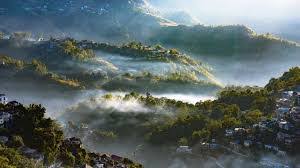 ミゾラム州、観光主導の成長を目指し、大規模投資">

この記事では、ミゾラム州における最近の観光客急増、395.04億ルピーのインフラ整備計画、そして同州の経済再構築におけるイベントやスポーツの役割について検証する。.
Rapid rise in arrivals and what triggered it
Mizoram has recorded an exceptional uptick in visitor numbers, posting a 145.54% growth in tourist arrivals between 2023 and 2024. The state’s upward trajectory is tied directly to enhanced connectivity and a concentrated public investment programme that targets experiential travel and community-led tourism. The inauguration of the Bairabi–Sairang railway line in September 2025 has been singled out as a game changer, making Aizawl and surrounding destinations far more accessible to domestic travellers.
| Indicator | Figure | Immediate impact |
|---|---|---|
| Tourist growth (2023–24) | 145.54% | Stronger market momentum and higher seasonality smoothing |
| Infrastructure pipeline | Rs 395.04 crore | Projects across eco-resorts, ropeways and homestays |
| AIHM participation target (2026) | ~5,000 runners | Boost to sports tourism and hospitality demand |
| Rural homestays planned | 100 units | Community income generation and longer stays |
Events, festivals and sports as demand generators
A central plank of the strategy is turning events into sustained demand drivers. The Mizoram Tourism Events & Festival Calendar 2026 curates the state’s flagship festivals—Chapchar Kut, the Anthurium Festival, Mizoram Travel Fest and winter celebrations—across seasons so travellers can plan longer visits rather than short stopovers. Officials view these events as “strategic tourism magnets” designed to benefit local businesses and create opportunities for year-round activity.
Sporting events are receiving particular emphasis. The Aizawl International Half Marathon (AIHM) 2026, scheduled for February 14, 2026 at the Rajiv Gandhi Stadium, aims to build on its 2025 debut and scale from 1,500 to an estimated 5,000 national and international participants. With an AFI accreditation and a prize pool of over Rs 15 lakh, the marathon is structured as a destination event intended to generate hotel nights, food and transport spend, and wider visibility for the state.
Community-first entrepreneurship and the Bana Kaih Scheme
Alongside hard infrastructure, the state is investing in human capital. The Bana Kaih (Handholding) Scheme focuses on training and enabling micro-entrepreneurs in homestays, transport, catering, handicrafts and travel services. A special package seeks to develop 100 rural homestays over the next two years, placing communities at the centre of future tourism income and ensuring that benefits remain local.
- Skill development: hospitality, local guiding and souvenir production.
- Market linkages: support for branding, digital listings and event tie-ins.
- Local retention: infrastructure designed to keep spend within villages and towns.
Infrastructure portfolio and flagship initiatives
Public funding and externally aided schemes are financing a diverse set of projects aimed at elevating the visitor experience and unlocking remote circuits. Key elements include:
- Eco-resorts to attract nature-focused travellers and create rural employment.
- Ropeways to improve access to hilltop viewpoints and pilgrimage sites.
- Heritage centres and cultural hubs to showcase Mizo arts and crafts.
- Pilgrimage circuits and convention infrastructure to diversify demand.
- Farm tourism roads to link agricultural experiences with visitor routes.
Who benefits and how
The integrated approach—combining accessibility, events and enterprise support—is designed to catalyse multiple local industries. Expected benefits include:
- Increased employment for youth in hospitality and event services.
- Higher earnings for artisans and small food businesses during festival seasons.
- Extended visitor length-of-stay through curated itineraries and homestays.
- Resilience through diversified tourism products rather than single-season reliance.
A brief history of tourism development in Mizoram
Mizoram’s tourism story has long been anchored in its natural beauty, distinctive Mizo culture and traditional festivals such as Chapchar Kut. Historically, remoteness and limited surface connectivity constrained large-scale visitation. Over the past two decades, state policy shifted from episodic promotion to a more strategic focus on community-based and eco-tourism, with road improvements and targeted marketing gradually expanding awareness among Indian travellers.
Earlier efforts emphasized sustainable stays, homestays and village-based experiences; these foundations have now been paired with larger infrastructure investments to move from niche to higher-volume, quality arrivals while retaining authenticity.
Outlook: national and international implications
Improved rail connectivity, a robust events calendar and funded infrastructure projects create a credible pathway for Mizoram to increase its share of national and, cautiously, regional international tourism. In the short to medium term, the state is likely to capture more domestic leisure and sports travellers, special-interest groups (eco and cultural tourism), and adventure seekers looking for offbeat destinations.
Constraints remain: Mizoram is a landlocked, mountainous state with limited mass-market resort potential, so growth will lean on high-value, low-footprint experiences rather than scale-driven beach or marine tourism. If executed conscientiously, the model could serve as a template for how connectivity plus community-first programming elevates remote destinations.
Snapshot: Events Calendar 2026 (selected)
| Event | Season | Primary draw |
|---|---|---|
| Chapchar Kut | 春 | Cultural performances and Mizo traditions |
| Anthurium Festival | Monsoon | Floriculture and agro-tourism |
| Mizoram Travel Fest | Various | Destination showcases, travel trade |
| Aizawl International Half Marathon | 2026年2月 | Sports tourism and athlete outreach |
For travel businesses, the priorities are clear: align product offerings with event calendars, invest in digital marketing and partner with local communities to deliver authentic experiences. Policymakers must ensure infrastructure rolls out in ways that protect local ecosystems and cultural heritage while enabling reliable access.
GetBoat is always keeping an eye on the latest tourism news and developments; follow updates at ゲットボート・ドットコム. In summary, Mizoram’s combined emphasis on connectivity, a Rs 395.04 crore development pipeline, community-led homestays and a year-round events calendar positions the state to broaden its destination appeal. While not a marine or yacht-focused market, the state’s renewed momentum will influence national leisure trends and create fresh opportunities across destinations, activities, local sale opportunities and outdoor pursuits such as fishing and lake visits for travelers seeking authentic regional experiences.