


 日本語
日本語  English (UK)
  Русский
  العربية
  한국어
한국어  Magyar
  Türkçe
  Español
  Čeština
  Svenska
  Português
  Ελληνικά
  Suomi
Suomi  Nederlands
  Română
  Italiano
  Français
  Polski
  Українська
  Deutsch
  简体中文
简体中文  Slovenčina
 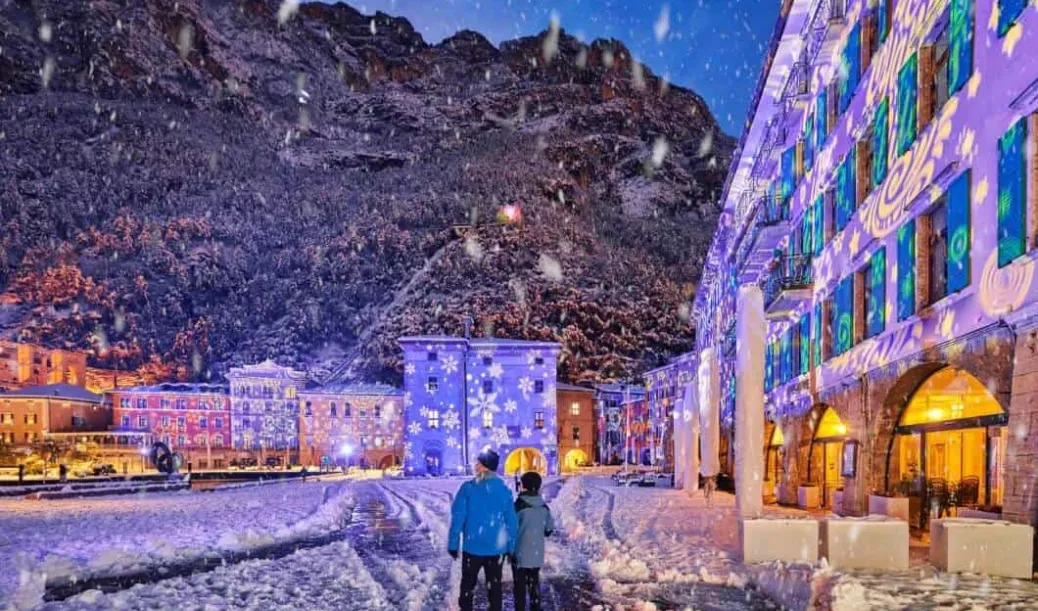 Positive Outlook for Italy’s Winter Tourism Season 2025/2026">

イタリアの冬のリゾート、有望なシーズンへ
今冬、イタリアの山岳地帯は、著しく良好な観光シーズンに向けて準備を進めています。爆発的な成長は見込めないものの、予測では2025/2026年にかけて約3.8%の安定した観光客増加が見込まれており、その主な要因は海外からの旅行者です。対照的に、国内からの旅行者や日帰り客は若干減少すると予想されており、経済および環境的な課題の中で旅行形態が変化していることを示唆しています。.
海外からの訪問者が市場を牽引
この上昇傾向の鍵となるのは、8~8.8%増加すると推定される海外からの観光客の急増です。これらの旅行者は滞在期間が長くなる傾向があり、1回の旅行あたり平均約6.2泊するため、国内旅行よりも一貫して地元の山岳経済を支えています。この増加を牽引する主な国は、ポーランド (+29.61%)、英国 (+15.91%)、チェコ共和国 (+8.21%) などです。多くは家族連れや冒険好きで、本格的なスキー ツアーから穏やかなクロスカントリー ウォークまで、イタリアの壮大な斜面でのアクティビティに魅力を感じています。.
一方、イタリア人観光客は、スノーシューイングや平日の短い旅行など、より多様で費用対効果の高い体験を求めるように習慣を変えており、約39%が費用管理や天候の不確実性に対応するために事前に旅行を予約しています。.
冬期の経済ハイライト
| Category | 予想収益(10億ユーロ) | 成長率 |
|---|---|---|
| ホテルとシャレー | 5.9 | 3.6% |
| スポーツ&ファシリティサービス(リフト、レンタル) | 4.78 | 3.6% |
| フード、小売&エンターテイメント | 1.42 | 3.6% |
業界の総収入は120億ユーロを超えると予測されており、ホテルは依然として山岳ホスピタリティの要です。リフト券やレンタルなどのスポーツサービスが重要な貢献者としてそれに続き、食品やエンターテイメントは冬の観光経済に貴重な地元の風味を加えています。.
費用の増加がホリデー予算に影響を与える
今シーズン、訪問者は平均5.8%の値上げを予想する必要があります。ホテルとスキーウィークがこの影響を最も受け、特に週末やピーク時には6.3~9.7%程度の値上げが見込まれます。付帯サービスも同様に値上げされ、スキー学校(+4.9%)、スキーパス(+4.1%)、飲食(+5.5%)などが値上がりします。参考までに、大人の1週間のスキー休暇の平均費用は現在1,545ユーロで、3人家族の場合は4,000ユーロを超える支出が予想され、これは過去数年間からの段階的な増加を反映しています。.
イタリアの冬季観光における歴史的・文化的背景
イタリアの山岳観光は、地理と文化に根ざした深い歴史を持っています。イタリアアルプスやドロミーティは、そのドラマチックな景観と独特の石灰岩の山頂で、旅行者を魅了し続けてきました。そこではスキーだけでなく、温暖な時期には広範囲にわたるハイキングも楽しめます。最近「スキー・デスティネーション・オブ・ザ・イヤー」の栄誉に輝いたコルティナ・ダンペッツォのような場所は、自然の美しさと洗練されたアルプス文化が融合した典型例と言えるでしょう。.
- コルティナ・ダンペッツォ – ハイセンスな魅力と、2026年冬季オリンピックの開催地として注目されています。.
- マドンナ・ディ・カンピリオ – 家族連れにも優しく、やりがいのある斜面と充実したアメニティが揃っています。.
- リヴィーニョ – 環境に配慮した、強力な免税ゾーン。.
- モエナ – アクセシビリティが認められています。.
- クールマイヨール – 卓越した宿泊施設とモンブランへの近さで有名。.
歴史的に、リゾートインフラの開発は、質素な山村から世界クラスの目的地へと進化し、伝統と革新のバランスをとってきました。この地域の長年にわたる文化遺産とウィンタースポーツへの熱意は、常に観光客を惹きつけ、小規模なコミュニティとより大規模な観光経済の両方を支えてきました。.
イノベーションとサステナビリティが未来を牽引する
2030年以降を見据え、サステナビリティとイノベーションがイタリアの冬期観光の見通しを形作る最前線に立っています。山岳リゾートは、次のようなソリューションをますます採用しています。 太陽光発電式リフト, カーボンニュートラルな輸送そして ゼロ・ウェイスト・ダイニング 気候変動や環境問題への取り組みも行われています。また、変化する気象パターンにもかかわらず、スノーメイキング技術がスキーシーズンを延長する役割も果たしています。.
これらの取り組みは、より広範な業界の変革を明確に示すもので、単にスキーの興奮を追求するだけでなく、生態系の保全と調和した質の高い体験を育むことに重点が移っています。観光客の行動もこの傾向を反映しており、ピーク時を避けた旅行を予約したり、単なる贅沢ではなく、有意義な没入感を求めるようになっています。.
概要表:主な課題とイノベーション
| Challenges | 革新的なソリューション |
|---|---|
| より短い冬季 | 高度な造雪技術 |
| 価格上昇 | 早期予約特典、多様なオファー |
| 環境への影響 | 太陽光発電インフラ、廃棄物ゼロイニシアチブ |
| 観光客の行動様式の変化 | 柔軟な予約、スノーシューなどのニッチな体験 |
世界の旅行におけるイタリアの冬の観光の重要性を予測する
イタリアの आगामी 冬 シーズン は 、 国際 的 な 山岳 観光 全体 に 見 られる 大きな パターン を 示 し て い ます 。持続 可能性 と 適応 性 が 重要 です 。 旅行 の 好み が 、 より 意識 的 な 消費 と 没入 型 の 文化 体験 へ と 移行 する につれて 、 伝統 的 な 冬 の リゾート 地 は 課題 と 機会 の 両方 に 直面 し て い ます 。 イタリア の 歩み は 、 アルプス の デスティネーション が 、 自然 の 壮観 さ と 環境 へ の 配慮 、 そして 経済 的 な レジリエンス を いかに 融合 さ せる か を 示す リーダー と なる 未来 を 示唆 し て い ます 。.
この慎重な楽観主義は世界の冬期観光地域全体で同様に見られ、そこでは競争力は単なる規模の大きさよりも、むしろ革新性、真正性、そして環境への配慮にかかっている。このような重点化は、海外からの旅行者がこれらの価値観を支持する目的地に合わせて旅行を計画し、より長期滞在し、より深く関わることを促す可能性がある。.
結論:イタリアの山々は、冒険的で持続可能な冬の舞台となる
2025/2026年のイタリアの冬の観光の見通しは、特に中央および北ヨーロッパからの国際的な関心の高まりと、価値と経験を重視する国内のトレンドの変化を取り入れています。 収益の伸びは緩やかであるものの、価格上昇や気候変動といった現代的な課題と伝統のバランスを取りながら、回復力のあるセクターを示しています。.
Leading resort areas like Cortina d’Ampezzo, Madonna di Campiglio, and Livigno continue to shine, supported by innovative sustainability measures that safeguard both the environment and visitor experience for years to come. This level-headed approach reflects global trends toward quality over quantity in tourism development, setting Italy’s alpine destinations on a promising course.
For those keen on exploring Italy’s captivating winter landscape — from exhilarating ski descents to serene mountain lakes — the combination of proven destination appeal and forward-thinking sustainability creates a compelling invitation. To dive deeper into yacht charters, sailing opportunities, and boating adventures across Italy’s stunning marinas and coastal regions, ゲットボート・ドットコム remains the premier international platform offering a range of rentals to match every interest and budget.