


 日本語
日本語  English (UK)
  Русский
  العربية
  한국어
한국어  Magyar
  Türkçe
  Español
  Čeština
  Svenska
  Português
  Ελληνικά
  Suomi
Suomi  Nederlands
  Română
  Italiano
  Français
  Polski
  Українська
  Deutsch
  简体中文
简体中文  Slovenčina
 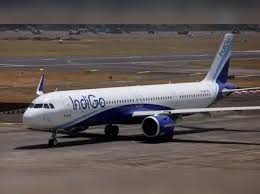 IndiGo 大規模運航キャンセルを受けインド国内航空運賃が高騰">

Widespread Flight Cancellations Shake Indian Aviation
Recent extensive cancellations by IndiGo, India’s leading low-cost airline, caused a dramatic surge in airfares across major domestic routes. This sudden operational setback triggered widespread passenger disruptions and significant price hikes, especially around Delhi Airport where all domestic departures by IndiGo were halted until midnight on a critical day.
Delhi Airport confirmed the suspension of IndiGo’s domestic flights scheduled on that date, which immediately led to a sharp shortage of available seats. While other airlines’ operations continued as normal, the sudden removal of IndiGo’s flights pushed last-minute ticket prices through the roof in numerous city pairs.
Sharp Increases in Airfare Prices on Popular Routes
The rapid seat scarcity caused airfare spikes rivalling peak travel seasons. For instance, one-stop flights from Delhi to Bengaluru on Air India soared to nearly 102,000 INR, while Akasa Air offered fares around 39,000 INR for similar travel. Other routes demonstrated comparable price jumps:
| Route | Airline | Peak Fare (INR) |
|---|---|---|
| Delhi – Mumbai | Air India | 60,000 |
| Chennai – Delhi | Air India Express | 41,000 |
| Chennai – Delhi | SpiceJet | 69,000 |
| Hyderabad – Delhi | Air India (one-stop) | 87,000 |
| Hyderabad – Mumbai | Various Airlines | 76,500 |
| Hyderabad – Bengaluru | Air India | 41,400 |
| Hyderabad – Bengaluru | Air India Express | 36,100 |
This extreme price inflation reflected the market’s scramble for available seats after more than 220 IndiGo flights were cancelled in Delhi alone. Other major aviation hubs such as Bengaluru and Hyderabad saw over 100 and nearly 90 cancellations respectively, impacting thousands of travelers and creating chaos at multiple airports.
Root Causes: Operational Challenges and New Regulations
The root of these disruptions ties back to new government-mandated Flight Duty Time Limitation (FDTL) rules. These laws are designed to protect pilot welfare by limiting their working hours to prevent fatigue, enhancing safety for all passengers. However, IndiGo struggled with scheduling under these norms, leading to severe crew shortages that cascaded into widespread cancellations.
IndiGo has acknowledged underestimating the staffing requirements needed to comply with the new FDTL system. The airline’s disruption has not been isolated to a single day; November alone saw over 1,200 cancellations across its network. Just prior to the widespread December cancellations, over 500 flights were grounded nationwide in what was one of the most serious operational breakdowns the carrier has faced in years.
Airline Industry Volatility and Passenger Impact
The cascading effect of crew shortages and cancellations sparked frustration among travelers who faced long queues, extended delays, and uncertainty over onward connections. With the aviation industry in India soaring through rapid growth fueled by a rising middle class and affordable private airlines, such interruptions underscore vulnerabilities inherent in fast-evolving markets.
India’s Growing Aviation and Tourism Context
India’s tourism sector has burgeoned alongside expanding air connectivity. The rapid increase in disposable income among the country’s middle class combined with competitive airlines like IndiGo, SpiceJet, and Jet Airways has pushed growth substantially. Between 2000 and 2011, tourism’s contribution to the Indian GDP expanded by 229%, while domestic and international passenger traffic continues on an upward trajectory.
The country supports a dense network of airports facilitating both business and leisure travel. While airline infrastructure continues updating to manage volume, unexpected operational hurdles such as sudden regulatory changes impose strains on the entire system. Given India’s vast size and diversity, air travel remains crucial for accessing both urban and remote destinations.
Historical Perspective on Indian Aviation Growth
- Since the late 20th century, liberalization has fostered the entry of private airlines, breaking government monopolies and lowering fares.
- Low-cost airlines have propelled domestic travel volume by offering affordable fares, connecting tier-2 and tier-3 cities.
- Passenger air traffic rose consistently in the 2000s, with both international and domestic flights increasing year after year.
- Recent capacity expansions have been coupled with new bilaterals allowing Indian carriers to extend global reach.
Such advances have supported a booming tourism economy, but they rely heavily on stable airline operations and regulatory foresight.
Forecasting the Impact of Flight Disruptions on Tourism
Continued operational challenges in India’s airlines can affect traveler confidence both domestically and internationally. Sudden airfare spikes and cancellations disrupt carefully planned itineraries, potentially discouraging tourism participation or pushing passengers towards alternate routes or transport modes.
However, Indian tourism’s fundamentals—rich cultural heritage, diverse landscapes, and a growing pool of leisure travelers with economic means—should sustain long-term demand. Proactive crisis management and clearer planning by airlines and regulators will be vital to restore market equilibrium and avoid erosion of trust in air travel reliability.
Key Industry Trends to Watch
- Implementation phases of regulatory changes with transparent crew scheduling tools to avoid future shortages.
- Development of contingency plans by airlines to minimize passenger disruption during periods of stress.
- Potential growth in alternate regional transport, including rail and boating for certain tourist corridors.
- Incremental recovery marketing initiatives to regain traveler confidence post-disruption.
Conclusion: Navigating Challenges and Opportunities in Indian Travel
India’s domestic aviation sector recently faced major turbulence as IndiGo’s large-scale flight cancellations triggered soaring airfares and travel disruptions, especially out of key hubs like Delhi. These issues stem from new pilot duty time regulation compliances and highlight underlying structural pressures in a rapidly growing market. The incident serves as a wake-up call for enhanced industry crisis planning and operational resilience to protect passenger experience.
Despite the setbacks, India’s robust tourism sector is poised for continued growth fueled by rising incomes and expanding air connectivity. Lessons from such crises can guide better future preparedness, ensuring the seamless flow of tourists to iconic destinations—from bustling cities to serene beaches and peaceful lakes. For travelers eager to explore Indian waters or coastal retreats by yacht or sailing craft, stable transport connectivity will remain a critical enabler of memorable experiences on both sea and land.
For those looking to enjoy the ocean, beach, and boating adventures in India’s popular coastal hubs, the ゲットボート・ドットコム marketplace offers an excellent platform. It connects travelers with a wide range of sailing boats and yachts for rent, providing options to suit various tastes and budgets, making it easier than ever to add a touch of maritime adventure to any trip.