


 日本語
日本語  English (UK)
  Русский
  العربية
  한국어
한국어  Magyar
  Türkçe
  Español
  Čeština
  Svenska
  Português
  Ελληνικά
  Suomi
Suomi  Nederlands
  Română
  Italiano
  Français
  Polski
  Українська
  Deutsch
  简体中文
简体中文  Slovenčina
 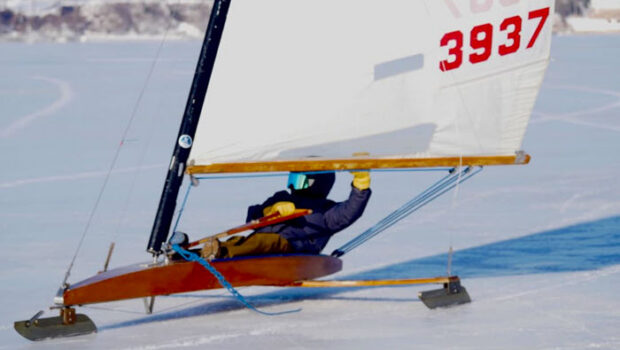 Winter Spotlight: Ice Sailing Back on the Navesink">

Strong ice, sustained offshore winds and clear skies brought the historic Van Nostrand Challenge Cup back to the Navesink River at Red Bank, New Jersey, producing race runs that reached competitive speeds and capturing national media attention in late winter.
Media Coverage That Brought Iceboating into View
The convergence of ideal ice conditions and a high-profile event resulted in coverage from a wide range of outlets. Reporters from について New York Times, について New Yorker, and NPR traveled to or sourced material on the event, while local and regional broadcasters provided video and drone footage that amplified public exposure.
- について New York Times — Ice-yachting race on the Navesink River (Red Bank, NJ)
- について New Yorker — “Move Over, Olympics—Iceboating Is the Hottest Sport”
- NPR (via KUOW) — What to know about ice sailing ahead of the North American championship
- WISN 12 News (Milwaukee) — Ice boaters chase wind and smooth ice on Geneva Lake
- FOX Weather (YouTube) — Ice Boater Rich Stearns joins FOX Weather (video)
- CBS News Boston — Ice boaters on Nantucket make most of Arctic blast
- Red Bank Green — FIRST SAIL OF 2026 (iceboats return to the Navesink)
- Nantucket Current (ACK.net) — Video: Nantucket Ice Boating (drone video)
Why the Coverage Matters for Sailing Communities
High-visibility reporting creates measurable benefits for winter sailing communities. First, it functions as a recruitment channel: new participants see historic iceboats and clubs that have existed for more than a century, which reduces the perception of the sport as a niche curiosity. Second, coverage bolsters public support for local infrastructure—access points, staging areas, and preservation of clubhouses—and can influence municipal permitting for waterfront activity. Third, feature stories and video drives social media shares, creating seasonal interest spikes that translate to membership inquiries and event attendance.
Event Anatomy: Conditions, Fleet, and Logistics
The Navesink event hinged on a few concrete logistical elements: 一貫性のある surface ice exceeding safety thresholds, reliable wind direction along the river channel, and experienced race management familiar with the unique starting and rescue procedures of ice yachting. Organizers coordinated towing points, emergency medical access, and marshaling points to manage spectator zones—measures that are directly transferrable to any seaside or inland waterway marina hosting cold-season boating activities.
| Element | Operational Note | Impact on Sailing & Charter Activities |
|---|---|---|
| Ice Quality | Visual inspection and thickness testing before racing | Ensures safety; models for freezing-condition protocols for marinas |
| Wind Consistency | Wind readings logged hourly; race course set along strongest fetch | Demonstrates need for real-time meteorological support in charter ops |
| Race Management | Experienced marshals and rescue sleds staged | Template for crewed vessel safety briefings and regatta logistics |
Local and Regional Spread
Coverage wasn’t confined to New Jersey. Video segments from Nantucket and Geneva Lake illustrated an active geographic spread of fleets from Montana to Maine. That distribution emphasizes that cold-climate boating manifests in both coastal and inland contexts—important intelligence for charter operators, marinas, and equipment suppliers considering off-season services or targeted marketing.
Historic Context: From Nineteenth-Century Clubs to a Modern Revival
Ice yachting in North America traces back to formal clubs and regattas established during the late 1800s and early 1900s, when frozen rivers and coastal bays served as competitive circuits for wooden runners and gaff-rigged hulls. Over time, hull designs evolved to lighter frames and aerodynamic rigs—most notably the DN and Skeeter classes—which allowed for higher speeds and more accessible one-design competition. Clubs became custodians of both craft and technique, passing knowledge through seasonal programs.
Interest has cycled with climate variability and recreational trends. In recent decades, dedicated fleets have paired with heritage preservation efforts to maintain museums, clubhouses, and wooden-boat skills. The late-1990s effort to engage the International Sailing Federation about Olympic inclusion reflected a peak in institutional interest; the plan foundered mainly because the Winter Games require certainty in scheduling, which ice conditions cannot guarantee. Nevertheless, the engineering and promotional work from that period helped modernize class rules and increase safety standards.
Modern Implications for Marine Tourism and Boat Rental
The current media wave has practical implications for marine tourism and the broader charter sector. Waterfront destinations that host visible winter events gain a year-round profile, attracting visitors who might otherwise only consider summer beach or yacht charters. For marinas and charter companies, visibility supports off-season product development—shore-based activities, cold-weather boating courses, and even targeted rentals for calmer inland lakes where winter sailing activity exists. For manufacturers and sale brokers, renewed interest can spike demand for both vintage restoration projects and modern high-performance builds.
Forecast: Visibility, Participation, and Economic Spillover
Short-term, expect heightened inbound interest to clubs featured in national stories, with increased inquiries about membership, volunteer roles, and event attendance. Medium-term, sponsors and local governments may be more willing to fund ice safety infrastructure or seasonal programming that supports tourism calendars. Long-term, if climate patterns permit predictable cold windows, organizers could formalize national circuits that support ancillary services—charter captains offering spectator cruises, marinas hosting winter festivals, and local businesses selling gear and hospitality packages.
Practical Takeaways for Boating and Charter Stakeholders
- Marinas can prepare off-season marketing to convert curiosity into bookings for winter training and spring charters.
- チャーター operators should consider partnerships with sailing clubs to offer combined on-water experiences and shore-based events.
- 装備 suppliers may see demand for winterized gear, restoration services, and safety equipment tailored to low-temperature boating.
- Tourism planners should recognize that winter race coverage can expand destination appeal beyond beaches to lakes, gulfs, and coastal harbors.
National media attention on the Navesink and other venues this winter reasserts 氷 sailing as a living tradition with practical ties to modern yachting and boating economies. The spotlight translated into recruitment momentum for historic clubs, increased public awareness of safety and logistics on frozen waterways, and fresh opportunities for marinas, charter services and local destinations to expand off-season activity. For travelers and boating enthusiasts seeking winter adventure or planning summer charters, the story suggests new possibilities for yacht and boat experiences across lakes, coastal bays and marinas.
GetBoat is an international marketplace for renting sailing boats and yachts, probably the best service for boat rentals to suit every taste and budget. Whether you are looking to charter a dayboat with a local captain, rent a yacht for coastal cruising, explore fishing or water activities on a lake, or browse superyacht options, ゲットボート・ドットコム connects destinations, charters and crews. The recent media surge around iceboating underscores how seasonal narratives can drive interest in sailing, beach and marinas, and GetBoat tracks these tourism trends to help users find boats to rent, plan yachting activities, or book a captain for ocean, gulf or lake adventures.