


 日本語
日本語  English (UK)
  Русский
  العربية
  한국어
한국어  Magyar
  Türkçe
  Español
  Čeština
  Svenska
  Português
  Ελληνικά
  Suomi
Suomi  Nederlands
  Română
  Italiano
  Français
  Polski
  Українська
  Deutsch
  简体中文
简体中文  Slovenčina
  Global Travel Accommodation Market Set for Robust Growth Through 2035">

旅行宿泊施設市場、大幅な拡大へ
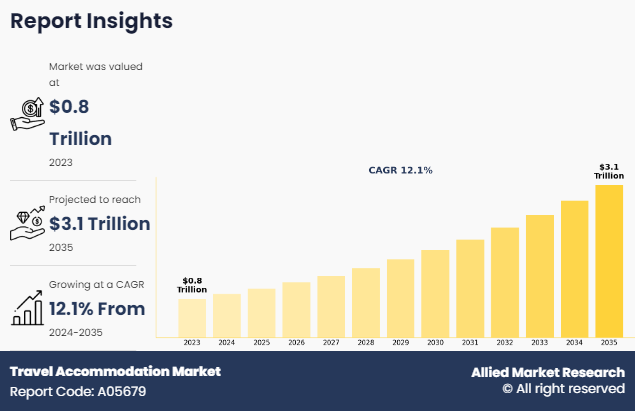
世界の旅行宿泊施設市場は目覚ましい成長の可能性を示しており、2023年の7977億ドルから2035年までに3兆1447億ドルへと成長すると予測されています。この急速な拡大は、年平均成長率(CAGR)12.1%に相当し、旅行者の多様な宿泊体験に対する世界的な需要の高まりを反映しています。.
市場セグメンテーションと主な推進要因
旅行宿泊施設の範囲は、ホテル、モーテル、リゾート、バケーションレンタル、ホステル、ベッド&ブレックファースト、キャンプ場、その他の短期滞在施設に及びます。旅行者はレジャー、仕事、またはその他の目的でこれらの施設を利用し、宿泊施設提供者はさまざまな予算や好みに合わせた幅広いアメニティを提供しています。現在、ミドルレンジの価格帯が最大のシェアを占めており、価値と快適さを求める幅広い層に対応しています。.
消費者の習慣の変化により、商品を購入することから体験に投資することへ移行が見られます。この傾向から、旅行者は、本物らしさや文化的なつながりを提供する、ブティックホテルやテーマのある滞在など、ユニークで没入感のある宿泊施設を好むようになっています。プロバイダーは、厳選された体験や地域に根ざしたアクティビティを含むように提供内容を革新することで、市場の魅力を高めています。.
宿泊市場における課題
成長にもかかわらず、このセクターは、オンライン詐欺や偽のリスティングといった不正リスクの増加といった障害に直面しています。このような活動は、潜在的なゲストの信頼を損ない、オンライン予約を躊躇させ、より安全または認証されたチャネルを選ぶように促す可能性があります。この課題は、信頼を低下させ、収益を減少させる可能性があり、正当な宿泊施設提供者に影響を与えます。.
ソロ旅行者向け宿泊施設の台頭
一人旅の増加は、新たな機会を切り開きました。宿泊施設は現在、個室、コリビングスペース、プライバシーと交流を両立するプライベートホステルポッドなど、一人旅の旅行者向けに設計された、より多くの選択肢を提供しています。この層は市場を豊かにし、独立した冒険家への魅力を高めます。.
市場セグメントと地域の分析
旅行宿泊施設市場は、タイプ別、価格帯別、予約方法別、利用目的別、および地理的地域別に分類されます。
| Segment | Key Highlights |
|---|---|
| 製品タイプ | ホテルは、ブランド力、ロイヤリティプログラム、およびインフラストラクチャにより市場をリードしている。バケーションレンタルなどの代替宿泊施設は成長しているが、ホテルを覆い隠すほどではない。. |
| 申請 | 余暇旅行が主流であり、可処分所得の増加と、特に若い世代の間でレクリエーション体験への欲求が高まっていることが背景にある。. |
| 価格帯 | エコノミーおよびミッドレンジの宿泊施設が最大の顧客層を惹きつけ、ホステルやシェアリングエコノミーにおける低予算レンタルなどの手頃な価格帯のオプションがそれを支えています。. |
| 予約モード | オンライン旅行代理店(OTA)は、競争力のある価格設定、割引、そして使いやすいデジタルプラットフォームのおかげで、依然として好ましい予約チャネルとなっています。. |
| Region | 北米は、国内旅行の力強いトレンド、技術革新、高い消費者購買力に支えられ、最大の市場シェアを誇っています。. |
北米の優位性と新たなグローバル・トレンド
北米の宿泊施設市場は、高度に発達したインフラ、消費者の「ステイケーション」への親近感、およびホスピタリティにおける継続的なデジタルトランスフォーメーションの恩恵を受けています。ヨーロッパやアジア太平洋などの他の地域も、国際的なレジャーおよびビジネス旅行の増加を反映して、力強い成長を遂げています。.
旅行宿泊産業の歴史的背景
旅行宿泊施設の進化は、何世紀にもわたる社会および経済の変化によって形作られてきました。商人や巡礼者のための初期の宿屋やゲストハウスから、19世紀のホテルの台頭まで、宿泊施設は旅行者のニーズに絶えず適応してきました。第二次世界大戦後の観光ブームとインターネットなどの技術進歩により、宿泊施設の予約へのアクセスが革命的に変化し、バケーションレンタルやホームシェアリングプラットフォームなどの代替モデルの成長が可能になりました。.
近年では、シェアリングエコノミーとデジタル化が宿泊施設の状況を劇的に変貌させています。旅行者は宿泊場所だけでなく、地元の文化やコミュニティとつながる体験を求めるようになっています。ブティックホテル、環境に優しいリゾート、ニッチ市場向けの特殊な宿泊施設の普及は、この変化を具体的に表しています。.
予測:グローバル観光における市場の役割
旅行宿泊部門は観光産業の要であり続けると予測されています。一人旅、体験型宿泊、デジタル予約の利便性に対応するイノベーションは、アクセシビリティと魅力を高め続けるでしょう。消費者の嗜好の変化や技術的な混乱の中でのこの部門の回復力は、将来にわたって持続的な成長を示唆しています。.
グローバルな観光が拡大するにつれて、宿泊施設は、進化する需要を捉え、旅行者の信頼を維持するために、技術革新、セキュリティへの懸念、そしてパーソナライズされたサービスとのバランスを取る必要に迫られるでしょう。.
市場インサイトの概要
- 市場価値の成長: 旅行宿泊施設の価値が2023年から2035年の間に3倍になる。.
- 消費者トレンド: 体験型旅行が、ユニークな宿泊施設への需要を押し上げる。.
- 予約設定: デジタルプラットフォームとオンライン旅行代理店が予約を独占しています。.
- 課題だ: 不正リスクの高まりを受け、信頼できる宿泊施設プロバイダーへの需要が増加。.
- 新セグメント: 一人旅向け宿泊施設は、成長の可能性を秘めている。.
宿泊産業の関係者
大手ホテル企業とオルタナティブ宿泊プラットフォームが、進化し続ける業界の構図を形作っています。ロイヤリティプログラムと幅広いサービスを提供する国際的な大手チェーンから、革新的なホームシェアリングモデルまで、競争は品質、価格、ユーザーエクスペリエンス、そして信頼性の高い予約システムを中心に展開されています。.
セーリングとボートレンタルの目的地への影響
宿泊施設の成長は主に陸上の宿泊施設に集中しているものの、レジャー旅行セグメントの拡大は、特に海洋および沿岸地域において、ボート、セーリング、ヨットチャーターなどの関連アクティビティに本質的な恩恵をもたらします。可処分所得の増加とユニークな体験への嗜好の高まりが、ホテル滞在と水上アクティビティを組み合わせた統合パッケージの需要を押し上げています。.
沿岸および湖畔のリゾート地、マリーナ、そしてセーリングの中心地は、従来の宿泊施設とセーリング、ヨット、釣り、その他の海洋体験を組み合わせたい旅行者の増加によって恩恵を受けます。体験型旅行への重点は、ボートレンタルが持つ魅力とよく一致しており、観光客が地域の海に浸るための多様な方法を提供します。.
Summary and Conclusion
要するに、世界の旅行宿泊市場はダイナミックな上昇軌道にあり、堅調な年平均成長率12.11%で、2035年までに3兆1,447億ドルに達すると予測されています。この傾向は、ホテルの優位性、レジャー旅行の拡大(特にエコノミーおよびミッドレンジセグメント)、およびオンライン詐欺などの課題にもかかわらず、オンライン予約代理店への信頼の高まりによって牽引されています。増加する一人旅の宿泊施設のオプションと体験型滞在は、進化する旅行者の好みを反映しています。.
北米の強力な市場ポジションは、技術革新と国内観光の成長力を示しており、世界的なトレンドは、継続的な多様化と専門化を示唆しています。陸上宿泊施設と、セーリングやヨットチャーターを含む海洋レジャー活動との相互作用は、沿岸地域における潜在的な相乗効果を示しています。.
活気ある旅行市場でヨット、セーリング、ボートのレンタルオプションに関心のある方は、国際的なマーケットプレイスをご利用ください。 ゲットボート・ドットコム さまざまな好みや予算に合わせて設計されたチャーター船やボートを幅広く取り揃えており、宿泊施設とともに忘れられない水上体験を旅行者にお届けします。.