


 日本語
日本語  English (UK)
  Русский
  العربية
  한국어
한국어  Magyar
  Türkçe
  Español
  Čeština
  Svenska
  Português
  Ελληνικά
  Suomi
Suomi  Nederlands
  Română
  Italiano
  Français
  Polski
  Українська
  Deutsch
  简体中文
简体中文  Slovenčina
 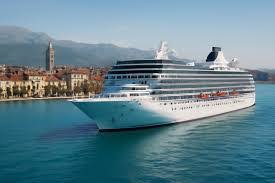 フランス、沿岸地域保護のためクルーズ船乗客に13ポンドの料金を課す">

New £13 Tourist Tax Targeting Cruise Passengers in France
A fresh tax initiative has been approved in France that will impose a £13 (€15) fee on each cruise passenger arriving at French ports. This measure responds to increasing concerns about the environmental impact of cruise tourism and the growing pressure on coastal regions.
France’s Senate endorsed this new charge as part of an effort to address overtourism and its consequences on delicate ecosystems. The revenue generated — anticipated to reach as much as €75 million annually — aims to support conservation and environmental protection efforts along the nation’s coastlines.
The move follows a notable increase in cruise arrivals, with over 3.8 million cruise passengers expected to visit France in 2023, confirming the country’s ongoing popularity as a major maritime destination.
Understanding the “Polluter Pays” Principle
This tax is grounded in the principle that those contributing to pollution should help cover the costs of managing and preventing environmental damage, often referred to as the “polluter pays” model. Cruise ships, which emit significant amounts of CO2, are identified as contributors to marine pollution. Estimates indicate that cruise ships are responsible for seven million tonnes of CO2 emissions annually across Europe.
The introduction of this fee marks a significant step towards holding the cruise sector accountable for its ecological footprint, while balancing the economic benefits brought by tourism.
Nationwide Cruise Control Measures
Several French coastal cities are actively introducing rules to limit the influx of large cruise ships. Cannes, for instance, will ban vessels carrying over 1,000 passengers starting January of next year. Similarly, Nice has capped its annual cruise ship arrivals to 65, aiming to reduce overcrowding and preserve local quality of life.
Despite support in the Senate, the tax still requires approval by France’s lower parliamentary house. Discussions focus on potential challenges, such as differentiating cruise ships from ferries, and the government has expressed reservations about implementing the fee.
Similar Efforts Across Europe
France’s policy shift is part of a broader European trend addressing the environmental impact of cruise tourism. Countries such as Greece have introduced fees tied to climate resilience — for example, passengers to heavily visited islands like Mykonos and Santorini pay €20, while visitors to other Greek ports pay €5.
With cruise tourism booming globally—especially across the Mediterranean—a growing awareness of sustainability and pressure to protect marine environments is reshaping policy landscapes.
Cruise Tourism: A Brief Historical Insight
The cruising industry has evolved dramatically over the last century, with ocean liners transitioning to floating resorts equipped with a myriad of leisure amenities. From the early steam-driven ships to today’s mega cruise liners accommodating thousands, the sector has consistently tapped into the allure of maritime travel for leisure.
Initially dominated by transatlantic travel, cruise tourism has expanded into regional hubs such as the Caribbean, Mediterranean, and Northern Europe, with emerging markets in Asia-Pacific. Passenger numbers have soared, growing approximately 7.5% annually, with current estimates approaching 21 million passengers worldwide before the pandemic disruptions.
The industry’s continuous growth, however, comes with escalating environmental challenges, including waste management, air emissions, and local ecosystem disturbances at popular ports of call.
Environmental and Social Impacts of Cruise Tourism
While cruise tourism injects substantial spending into local economies through passenger expenditures on excursions, dining, and shopping, it also generates concerns. Notably, pollution from exhaust emissions, wastewater discharge, and noise have raised alarms among environmentalists and local communities alike.
Moreover, the social dynamics of cruise ship arrivals can strain infrastructure and quality of life in smaller coastal towns, prompting calls for more sustainable visitation strategies.
| Impact Area | Details |
|---|---|
| Environmental | CO2 emissions, wastewater disposal, marine pollution, disturbance to wildlife |
| Economic | Passenger spending on excursions, local services, port fees |
| ソーシャル | Congestion at ports, resource strain, community resentment |
The Future of Cruise Tourism and Coastal Preservation
The increasing adoption of environmental levies like France’s £13 tax suggests a shift towards balancing tourism growth with conservation goals. The challenge lies in sustaining the cruise sector’s economic benefits while minimizing its ecological footprint.
Advancing technologies and improved regulations may facilitate greener cruising, including cleaner fuels, better waste treatment, and port infrastructure upgrades that reduce emissions while docked.
As European destinations grapple with these dual objectives, sustainable tourism strategies will likely become a central theme in maritime leisure sectors.
Connection to Sailing and Boat Rental Experiences
While large cruise ships dominate mass maritime tourism, many travelers increasingly seek more intimate, sustainable boating experiences. The rise of yacht charters, sailing boats, and personalized captained tours offers alternatives that align with current environmental consciousness. These options allow visitors to enjoy coastal waters without the scale of impact associated with mega-ships, fostering deeper connections with nature and local cultures.
結論
France’s implementation of a £13 tourist fee on cruise ship passengers reflects a growing recognition of the environmental costs tied to marine tourism activities. This fee, inspired by the “polluter pays” principle, aims to channel funds toward protecting France’s vulnerable coastal zones while managing overtourism pressures.
The policy aligns with similar measures across Europe, signaling an era in which cruise tourism must evolve to meet sustainability demands.
For travelers seeking to explore stunning marine destinations without the heavy footprint of large cruise ships, ゲットボート・ドットコム provides a comprehensive marketplace for renting sailing yachts and boats. It offers a unique way to experience the sea, whether through serene sailing adventures, fishing excursions, or lively marine activities, all while supporting responsible tourism practices.