


 日本語
日本語  English (UK)
  Русский
  العربية
  한국어
한국어  Magyar
  Türkçe
  Español
  Čeština
  Svenska
  Português
  Ελληνικά
  Suomi
Suomi  Nederlands
  Română
  Italiano
  Français
  Polski
  Українська
  Deutsch
  简体中文
简体中文  Slovenčina
 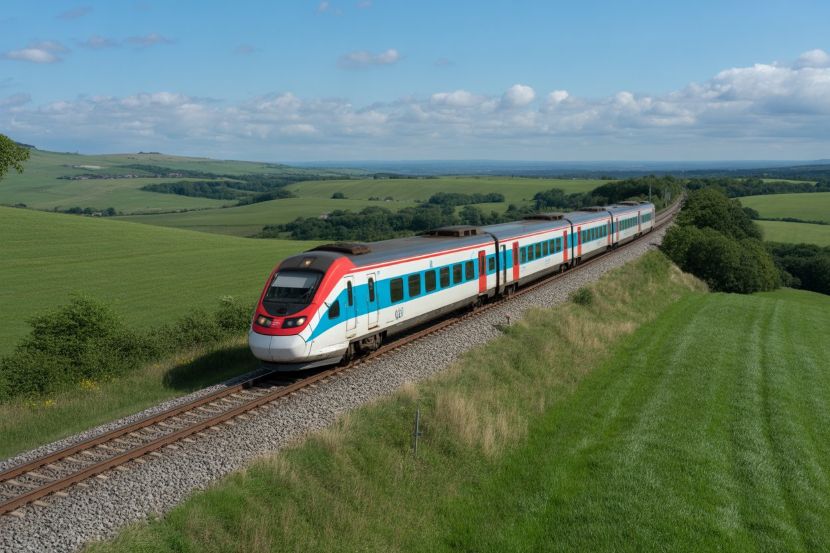 ヨーロッパの鉄道ルネッサンス:高速鉄道網で旅行革命へ">

The Emerging Rail Transformation in Europe
Europe is undergoing a significant transformation in rail travel, focused on expanding high-speed rail networks that promise to reshape the way people move across the continent. This modernization is not just about faster journeys, but also about creating new opportunities for tourism, reducing environmental impact, and sparking a renewed interest in sustainable travel options.
Why High-Speed Rail is Gaining Momentum
The push toward high-speed rail is driven by multiple factors. Environmental concerns play a crucial role, as trains generally produce less pollution compared to cars and airplanes. Coupled with increasing congestion on roads and airspace, many travelers and governments alike are seeing rail as a greener, more efficient alternative. Additionally, technological advances like magnetic levitation trains, capable of reaching speeds of up to 500 kilometers per hour, are turning rail travel into a futuristic mode of transport that competes strongly with short-haul flights and car journeys.
Innovations Boosting Rail’s Appeal
Modern rail networks boast dedicated tracks, enabling the addition or removal of carriages to adjust capacity smoothly. Scenic routes often feature special rolling stock with amenities like dining and viewing cars, enhancing the travel experience itself as a part of the destination. The Channel Tunnel linking England and France exemplifies the integration of nations through rail, supporting business and leisure travel alike via services such as Eurostar. This connectivity underpins the growth of rail-based tourism products that cater to both the casual traveler and the luxury market.
Historical Context: Rail Travel’s Rich Legacy in Europe
The development of railways in Europe traces back to the 19th century, a period when rail networks revolutionized transport by enabling inexpensive long-distance travel. The introduction of luxury train cars, like the Pullman, established rail journeys as not only practical but also a comfortable experience. Iconic routes such as the Orient Express became synonymous with elegance and adventure, forging a cultural legacy tied to rail tourism. Despite facing competition from airlines and private cars post-World War II, European countries like France leveraged government investments to develop high-speed trains such as the TGV, cementing rail’s ongoing relevance.
Rail Travel and the Rise of Tourism
Rail has long been intertwined with tourism, opening access to both urban centers and remote regions. The nostalgic allure of steam trains remains popular with heritage railway journeys attracting enthusiasts and tourists seeking a connection to the past. Moreover, established rail lines in mountainous regions, especially in Switzerland, provide not only transportation but also scenic sightseeing experiences that complement winter and summer tourism activities.
Projected Impact on European Tourism
The expansion of high-speed rail networks is set to significantly influence tourism patterns. With journeys of up to 500 kilometers becoming quicker and more accessible, destinations previously considered out of reach for short breaks will see a rise in visitor numbers. This can lead to the diversification of tourism offerings, with an emphasis on environmentally conscious travel and a reduction in short-haul flights. New rail connections will facilitate more integrated tour packages, combining transport, accommodation, and activities, particularly benefiting regions with direct access to the rail grid.
Challenges Ahead
Despite the promising outlook, the rail sector faces hurdles such as high fixed infrastructure costs and ensuring efficient utilization of tracks and trains to maintain cost-effectiveness. Environmental debates continue to shape the deployment of new lines amidst concerns about potential habitat disruption. Furthermore, the heritage railways depend heavily on volunteer efforts and fundraising, exemplifying the balance between preservation and modernization in rail tourism.
Table: Benefits and Drawbacks of High-Speed Rail Development
| Benefits | Drawbacks |
|---|---|
| Reduced travel times fostering regional connectivity | High infrastructure and maintenance costs |
| Lower carbon footprint compared to air and road travel | Environmental concerns related to construction |
| Stimulates both leisure and business tourism | Requires extensive planning and private-public partnerships |
| Supports economic growth through tourism diversification | Niche market competition from other transport modes |
Future Trends and Innovations
Looking ahead, technological advances such as magnetic levitation trains and improved signaling systems will continue to enhance the rail travel experience. Urban rapid transit systems are increasing, especially in Asia, pointing toward a global trend of integrating rail as a primary urban mobility solution. The evolution of rail tourism also includes a growing interest in slow travel and sustainable tourism practices, merging ecological awareness with the adventure of discovery. This points to new niche markets that combine nostalgia, heritage, and luxury alongside modern convenience.
How This Rail Revolution Ties Into Sailing and Boat Rentals
With increasing connectivity across major coastal cities and inland destinations, rail travel complements marine tourism perfectly. Travelers who reach a seaside city via high-speed train are more likely to explore local yachting and boating activities. Efficient train links encourage short breaks to waterside destinations, boosting demand for boat charters and yacht rentals in marinas nearby. This intermodal synergy can invigorate the water-based leisure economy, enabling seamless travel from rail stations to beachside decks, lakeside harbors, or bustling boating gulfs.
Conclusion: A New Era of Travel on the Horizon
The push for high-speed rail across Europe represents a pivotal change in the continent’s mobility and tourism landscape. Faster, greener, and more integrated rail networks promise to revolutionize how people travel for business and leisure. Balancing heritage with innovation, and cost-related challenges with environmental benefits, the railway renaissance sounds an optimistic note for sustainable tourism development.
For sailing enthusiasts and travelers seeking coastal or lakeside adventures, these improvements in rail infrastructure open doors to new yacht charter opportunities and boating experiences. Whether arriving at a bustling marina or a serene lakeside retreat, enhanced rail access will smooth the journey from train station to captain’s deck.
Keep up with the latest in travel and tourism as Europe races into this high-speed future. For those inspired to combine the thrill of yachting, sailing, and boat rentals with easy-to-reach destinations, ゲットボート・ドットコム stands ready as an international marketplace delivering a wide range of charter options to suit every taste and budget.