


 日本語
日本語  English (UK)
  Русский
  العربية
  한국어
한국어  Magyar
  Türkçe
  Español
  Čeština
  Svenska
  Português
  Ελληνικά
  Suomi
Suomi  Nederlands
  Română
  Italiano
  Français
  Polski
  Українська
  Deutsch
  简体中文
简体中文  Slovenčina
 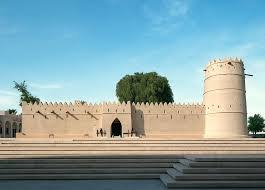 The Renovated Al Ain Museum: Preserving Over 8,000 Years of Emirati Heritage">

アル・アイン博物館:新たに再開発された文化的至宝
アラブ首長国連邦初の博物館として知られるアル・アイン博物館が、大規模な再開発を経て再オープンしました。Dabbagh Architectsが設計した今回の拡張により、博物館は8,000平方メートルを超える広さとなり、現代的なアメニティを提供しながら、元の建築様式を維持した魅力的な空間が生まれました。歴史的なスルタン要塞とアル・アイン・オアシスの端に位置するこの博物館は、8,000年にも及ぶ人類の歴史を網羅する出土品を保存・展示する活気ある拠点であり、エミレーツ文化の発祥地としてのアル・アインの重要性を確立しています。.
拡張と建築のハイライト
再開発では、博物館の元の構造要素が保存され、新しいデザインに思慮深く統合されました。この新旧のバランスにより、訪問者は物理的な遺産と、そこに含まれる物語の両方につながることができます。敷地内には、博物館のオープンな物語の一部として展示されている、新たに発掘された考古学的エリアが含まれており、過去を鮮やかに蘇らせています。インタラクティブな学習環境、研究施設、ワークショップ、教育プログラムが追加されたことで、文化交流と考古学研究のための活発なセンターとなっています。.
展覧会と文化的意義
広大なコレクションは、古代から現代に至るまでの考古学的遺物、伝統工芸品、そして日用品を展示し、この地域の社会と文化の進化を物語っています。特に注目すべき展示は、古代の アフラジ灌漑システム, 、ユネスコに認められた独創的な水路システムです。この古代の革新技術により、過酷な砂漠気候での持続的な定住が可能になり、忍耐と創意工夫の象徴であり続けています。.
Visitor Experience and Facilities
- あらゆる世代のためのインタラクティブな学習空間
- ワークショップと教育イベント
- 継続的な研究を支援する専門研究センター
- 地元の工芸品を扱う博物館のカフェと売店
- 巡回展示用の臨時展示エリア
アル・アイン博物館の歴史的背景
故シェイク・ザイード・ビン・スルタン・アル・ナヒヤーン(アラブ首長国連邦建国の父)によって1969年に設立されたこの博物館は、地域の遺産の守護者として、また国のルーツについて将来の世代を教育する灯台として構想されました。アル・アイン自体は世界で最も古くから継続的に人が居住している場所の一つであり、考古学的発見は、多くの現代文明に先立つ深い歴史を明らかにしています。.
何十年にもわたり、この博物館はアイン地方の物語を語る上で極めて重要な役割を果たしてきました。この地域には、古代の要塞、オアシス、墓など、重要な遺産が多く、それらが一体となって独特の文化的景観を描き出しています。博物館の役割は常に、住民と訪問者の両方がこの歴史を理解し、感謝するための入り口として機能し、初期の住民がどのように環境に適応し、繁栄したかを強調することでした。.
灌漑用水路(Aflaj)の重要性
アフラジのシステムは、砂漠のエンジニアリングにおける古代の驚異を代表するものであり、この物語に不可欠なものです。地下水を水路のネットワークを通して導くことで、アル・アインとその周辺地域のコミュニティは農業を耕作し、恒久的な集落を確立することができました。これは、湾岸の乾燥した気候での生活の可能性を再構築する偉業でした。.
今後の展望:観光と文化におけるアル・アイン博物館の役割
博物館の再開は、単なる保存活動にとどまらず、UAEの文化観光を促進するための将来を見据えたイニシアチブです。博物館や史跡は、歴史、考古学、本格的な文化体験に関心のある観光客を惹きつける上で、しばしば重要な柱となります。グローバルな旅行者が、より有意義な方法で目的地と関わろうとする中、アール・アイン博物館のような施設は、過去への豊かで没入感のあるアクセスを提供します。.
自然と歴史が交わる地域では、このような文化的豊かさが観光客の旅程に深みを加え、その地域の魅力をより幅広い層の観光客に広げる可能性があります。このような遺産地と、海洋アクティビティ、ビーチ、ヨットなどを組み合わせることで、旅行者に多様で多次元的な体験を提供することができます。海岸や湖畔の観光地では、考古学的な遺跡や博物館の見学を加えることで、アトラクションの幅が広がり、長期滞在とより深い理解を促進することができます。.
観光影響予測
| Aspect | 観光業への潜在的影響 |
|---|---|
| ビジターエンゲージメント | インタラクティブな展示と文化への没入による、来場者の満足度向上 |
| Economic Boost | 文化観光支出の増加が地域経済を支援 |
| Educational Opportunities | 学術・研究観光の成長 |
| 旅行先の多様化 | ビーチやレクリエーションのアトラクション以外にも観光の魅力を拡大 |
より広い文化景観における美術館の立ち位置
アイン博物館の再開は、自然の美しさとオアシスで知られる地域に、魅力的な文化的側面を加えています。考古学的な宝物、伝統工芸、歴史的な創意工夫に光を当てることで、現代的な活気と歴史的な深さを兼ね備えた国としてますます認識されているUAEの文化的構造を豊かにします。.
博物館の拡張された施設と思索を誘う展示は、来館者に歴史を称賛させるだけでなく、この土地に結びついた絶え間ない人間の物語を理解させるように促します。このような施設は、文化的な誇りとグローバルな文化対話を育み、地元の遺産をより広い世界と結びつけます。.
主な機能の概要
- 創業以来最大の規模、8,000平方メートル超
- 8000年の歴史を網羅する大規模なコレクション
- 独創的な建築と革新的なデザインの融合
- 重要な考古学的発見を訪問者の体験に統合すること
- 教育プログラムと一般参加に焦点を当てる
歴史と活気に満ちた文化が交わる場所を求める旅人にとって、アール・アイン博物館は高い水準を示しています。単独の文化体験として、またはアラビア湾でのセーリング、ビーチ訪問、ヨットなどのより広範な旅行の一部として利用する場合でも、この地域の人間創造性の永続的な遺産を垣間見ることができます。.
UAEの歴史的な地域と、その美しい沿岸海域を探求する人々にとって、次のようなプラットフォームは、 ゲットボート・ドットコム この地域を満喫するためのセーリングヨットやボートのレンタルは、実に素晴らしい機会です。アル・アイン博物館のような文化的なランドマークへの訪問と、海での冒険やマリーナでのんびりとした日々を組み合わせることで、あらゆる旅行者の要望を満たす多様な旅程が実現します。博物館が考古学、コミュニティ、教育を結びつけるように、GetBoat.comは、湾岸地域で最も魅力的な目的地での親密なチャーターからスーパーヨットのレンタルまで、幅広い選択肢を提供することで、訪問者の旅を豊かにし、補完的なマリン体験をサポートします。.