


 日本語
日本語  English (UK)
  Русский
  العربية
  한국어
한국어  Magyar
  Türkçe
  Español
  Čeština
  Svenska
  Português
  Ελληνικά
  Suomi
Suomi  Nederlands
  Română
  Italiano
  Français
  Polski
  Українська
  Deutsch
  简体中文
简体中文  Slovenčina
 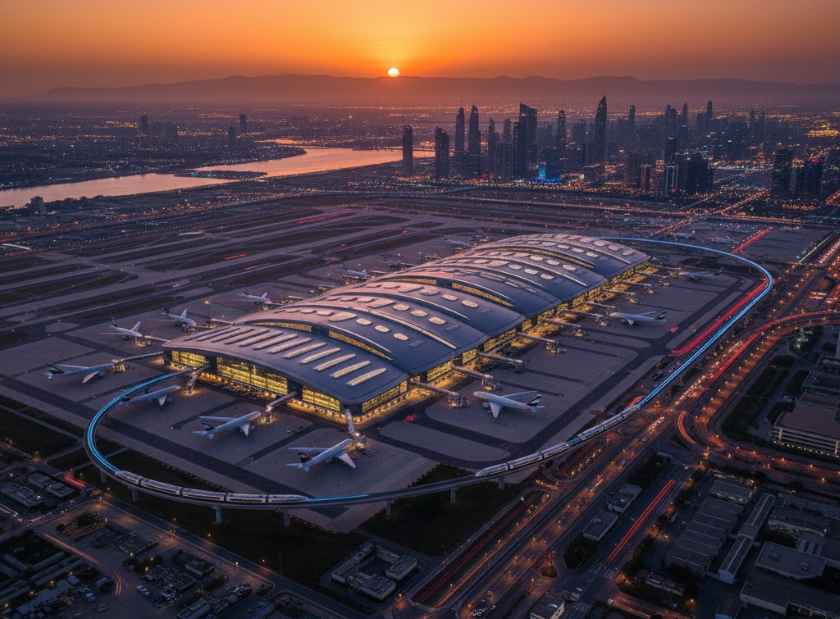 新たな航空路線がアフリカの観光の可能性をどのように開いているか">

Expanding Horizons: Africa’s Aviation and Tourism Link
Africa is experiencing a wave of new airline routes, poised to significantly enhance both regional connectivity and global access. These developments promise to stimulate tourism, amplifying the continent’s allure for travelers from near and far and opening doors to exciting adventures on and around Africa’s pristine waters, lakes, and coastal havens.
Key Developments in Africa’s Aviation Scene
Recent expansions in airline routes across Africa have linked major cities and emerging destinations, addressing one of the traditional barriers to tourism growth: accessibility. With improved air connectivity, travelers find it easier to reach Africa’s diverse landscapes, from bustling urban centers to tranquil beach retreats and vibrant lakeside spots.
Table 1: Main Entry Points and Regional Focus
| Region | Main Entry Airports | Tourism Highlights |
|---|---|---|
| Southern Africa | Johannesburg, Cape Town | Safari parks, winelands, coastal beaches |
| East Africa | Nairobi, Addis Ababa | Wildlife safaris, Mount Kilimanjaro, lakes |
| North Africa | Cairo, Casablanca, Tunis | Historical sites, Mediterranean beaches, desert tours |
| West Africa | Lagos, Accra, Dakar | Cultural tourism, beaches, eco-tourism parks |
How Improved Connectivity Encourages Regional and Global Travel
The improved airline routes not only make inter-African travel more feasible but also foster international tourism by shortening travel times and offering more direct connections. The development of efficient air links means that a traveler from Europe or Asia can now reach parts of Africa with fewer layovers, encouraging a surge in leisure travel, business visits, and cultural exchanges.
Historical Context: Aviation’s Role in Africa’s Tourism Growth
Air travel has long been critical in shaping tourism in Africa, serving as the lifeline connecting remote natural wonders and vibrant cities. Following independence in several countries during the mid-20th century, tourism was embraced as a catalyst for economic growth. Early investments focused on expanding airport infrastructure in key regions such as South Africa, East Africa, and the Mediterranean coast, eventually attracting global visitors intrigued by safaris and exotic landscapes.
Despite these efforts, road and rail networks often remain insufficient for seamless travel across countries, underscoring the continuing importance of air routes. International events, such as sports tournaments, have also spurred infrastructure investment, particularly in South Africa. Nonetheless, challenges remain in evenly distributing tourism benefits, as major hubs like Johannesburg and Casablanca tend to dominate arrivals.
Milestones in Air Connectivity and Tourism Development
- 1950s-60s: Post-independence focus on leveraging tourism for economic upliftment.
- 1990s: Rapid growth in South African tourism with improvements in airport facilities.
- Early 2000s: Expansion of regional airlines and introduction of budget carriers.
- 2010s and beyond: Implementation of new international routes increasing both intra-continental and intercontinental travel options.
The Future Outlook for Africa’s Tourism via Enhanced Airlines
Looking ahead, accelerated visa processing, cross-border tourism cooperation, and community engagement are expected to complement aviation growth, making travel to and within Africa more convenient and sustainable. The rise of a burgeoning middle class across African economies further anchors strong prospects for both inter-African travel and international visitor influx.
Continued advances in aviation technology will likely reduce costs and expand route availability. Complementary investments in quality service training are vital to ensure that the expanding number of tourists receives authentic and memorable experiences—be it scenic sailing along the coast, lake fishing retreats, or charter yacht adventures in sun-drenched gulfs.
Connecting the Dots: The Role of Aviation in Marine Tourism Growth
Africa’s improving air transport corridors greatly bolster opportunities for marine tourism. Coastal destinations equipped with modern marinas and clear waters are becoming increasingly accessible, allowing tourists to indulge in yachting, sailing, and boating activities. Enhanced flight availability facilitates not only the arrival of leisure seekers but also the movement of charter captains and service providers, vital for the growth of the yachting industry.
List: Tourism Activities Empowered by Better Flights
- Sailing along turquoise coastlines
- Superyacht charters exploring secluded beaches
- Fishing expeditions in abundant lakes and bays
- Boating excursions to marine reserves and islands
- Water sports and sunseeker experiences on the open ocean
Summary and Conclusion
The introduction of new airline routes across Africa marks a turning point for the continent’s tourism industry. By bridging distances, these enhanced flight connections open doors for more diverse travel experiences, fostering regional integration and global arrivals. The historical evolution of African aviation underscores aviation’s pivotal role in cultivating tourism hubs, while future strategies focus on sustainable growth and community involvement.
For those eager to explore Africa’s spectacular destinations—be it vibrant beaches, remote lakes, or legendary safari landscapes—the sailing and boating opportunities have never been more accessible. The combination of comprehensive airline networks and thriving maritime tourism infrastructure is set to redefine how travelers experience Africa’s waters and shores.
For travelers seeking to embrace Africa’s sailing and yacht charter possibilities or to find the perfect boat for their next aquatic adventure, the international marketplace for renting sailing boats and yachts is invaluable. ゲットボート・ドットコム offers a diverse range of vessels for every taste and budget, helping to unlock the continent’s breathtaking gulfs, marinas, and idyllic water destinations.