


 日本語
日本語  English (UK)
  Русский
  العربية
  한국어
한국어  Magyar
  Türkçe
  Español
  Čeština
  Svenska
  Português
  Ελληνικά
  Suomi
Suomi  Nederlands
  Română
  Italiano
  Français
  Polski
  Українська
  Deutsch
  简体中文
简体中文  Slovenčina
 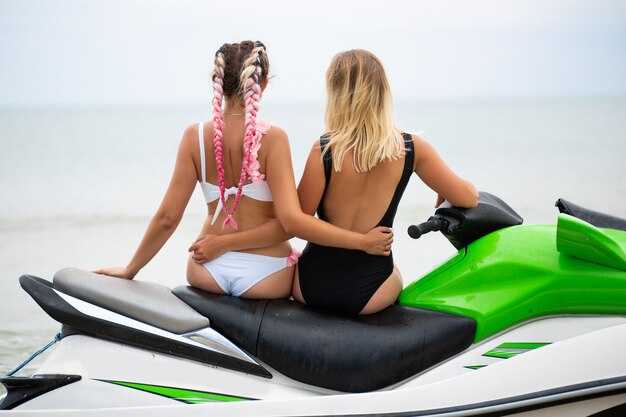 Myrtle Beach Watersports – Best Parasailing, Jet Skis &">

Recommendation: Book a dawn parasailing ride with a licensed operator for calmer seas, because the coastal light at first light is crystal clear and you can enjoy long, uninterrupted views riding above the water. Local guides said the best windows are 8-11am.
What you can expect: parasail flights run 8-12 minutes at altitudes around 400-800 feet, offering a broad view of the coastal shore with a tidalwave of spray below. Mornings tend to have smoother winds; evenings add golden light for photos. For a family outing, options include two or three riders per line, or solo flights if you’re new to this. Off the water, some operators offer tube rides or banana boats for extra fun after the parasail.
Jet ski sessions run 30-60 minutes along Myrtle Beach’s coast, with guided routes past the boardwalk and marshes. For families, choose tandem machines or two boats side by side; safety gear is provided and a brief safety talk covers throttle control and no-wake zones. This setup includes having a calm operator and a life jacket as standard, so you can ride with confidence.
Which option fits your group? For newcomers, start with an 8-12 minute parasail and a 20-30 minute jet ski tour, then add another activity if you’re having a blast. When you share photos with friends, you’ll recall the moment you felt the salty breeze, and you can tell yourself you’ll plan again next season. For myself, the sunrise ride remains the highlight, simply because the light marked the coast in a way that no other activity does.
Seen by travelers from around the world, these activities attract families and thrill-seekers alike. Tips to maximize value: book bundles with a single operator to save time and avoid crowds; bring a waterproof camera so you can enjoy capturing the moment, then share with friends who ask what you did. This coastal stretch places Myrtle Beach among the global attractions, including championship-level golf and family-friendly thrills; golfers can pair a quick coast ride with a nearby course–Myrtle Beach has a championship scene, and you can say you rode before you tee off, which makes the day more memorable. Simply plan a few hours to mix activities, and you’ll return with stories to tell.
Myrtle Beach Watersports Guide
Book a sunrise parasailing session along the coastal fringe for calmer water, clear skies, and dramatic views over the myrtle coast, from the pier to open Atlantic horizons, and start your day by doing something awesome.
Parasailing options include single and tandem rides. Each session runs about 8–12 minutes, with heights typically between 600 and 1000 feet, weather permitting. Operators use Coast Guard-certified gear, life vests, and a thorough preflight safety briefing, so you know what to expect before you lift off. Weight limits vary, from roughly 400 to 450 pounds for two riders.
Jet-ski rental fleets offer 30–60 minutes of riding along the open coastal water. Tandem models let you share the thrill, while a guided ride helps you practice turns and stay in control. Look for packages that include a quick safety lesson and a buoyant life jacket for every rider, so your whole group feels safe.
State-licensed operators follow strict safety standards, with well-maintained vessels and trained guides. Operators made safety a priority, with routine checks and strict gear requirements. A quick check of the weather, wind, and water conditions happens each morning, and rides cancel if storms approach or conditions turn rough. Expect to see updated safety briefings at each kiosk.
Open hours vary by shop, but mornings are usually quieter and winds calmer, making those times ideal for first-timers down the coast. By midday the beaches fill with people, which means more options but tighter slots–plan ahead to lock in your preferred times.
Your rental may include a dry bag, waterproof case, whistle, and basic first-aid kit, plus radios for on-water communication. Features like guided tours or combo packs with multiple activities add convenience and save money.
When you’re in town, the coastal region pairs well with golf; plenty of courses cluster near the beachfront so you can switch from driving range to splashes in a single day. Many guests enjoy easy access to both sports, with resorts offering bundled visits for guests.
Prices vary by activity and season, but you can expect parasailing to start around 60–85 per person, jet-ski rentals around 75–120 per hour, and some rental outfits offering group discounts. You might be surprised by how accessible it is, and many travelers enjoy a couple of activities in one day–you want to maximize the coastal time and keep the pace relaxed.
laterbut, plan to reserve well in advance to secure slots and avoid missing the best times. When you book, you’ll make memories and enjoy rides that leave you feeling awesome. I myself feel the rush when the wind pulled spray across my face, and you may want to do the same with family or friends while doing more coastal activities later in the day.
Myrtle Beach Watersports Overview: Parasailing, Jet Skis, Wakeboarding & Tubing
Start with a first-rate parasailing session using a certified operator who provides a full safety briefing and clear instructions. Guests should arrive 15 minutes early for check-in and weather review, and book morning slots when the coastal breeze is most predictable. The whole experience includes launch, ascent, flight, and landing, and lasts about 8-12 minutes aloft, delivering sweeping views of Myrtle Beach’s coastline and the Atlantic beyond.
Jet skis offer quick, controllable fun along the coast. Rentals run 15-60 minutes, with options for single or double riders. Expect a safety briefing, life jackets, and basic training on throttle control, turning, and staying within designated zones. Most operators require riders to be 18+ or 16+ with a guardian. If you’re with friends, you can share a 60-minute session or ride back-to-back, and some guests went for two rounds in one afternoon. Operators offer a range of packages, and first-timers said it surprised them how approachable riding a jet ski can be.
Wakeboarding and tubing fill a different thrill. Wakeboarders carve smooth arcs or launch small jumps, while tubing offers a high-energy, giggly ride behind a speedboat. If this is your first wakeboard experience, instructors tailor guidance to your pace. Wakeboarding lessons start with dry-land drills and a few on-water runs; waterskiing coaching may be available for those who want a broader range of tricks. Tubing rides typically last 10-15 minutes per rider, and a half-day package can combine wakeboarding with parasailing for a fuller experience. Wakeboarders from wilmington and locals often share the lake, swapping tips and celebrating each new trick as a small victory. The broader world of water sports around here includes vivid options that surprise many guests with how approachable the sport can be.
Training and safety come first, and you’ll find gear sized for kids and adults, including life jackets and helmets for tubing. Instructors are geared toward beginners and first-timers, offering step-by-step coaching before you venture into the water. Once you learn the basics, you can progress to more advanced tricks and longer rides. Guests and their friends appreciate seeing photos and videos after the session, which helps extend the memories beyond the lake.
To maximize your day, check tides and wind forecasts, and look for clear time-frame options and package details. If you’re visiting from wilmington or staying coastal, a bundled offer often streamlines check-in and reduces hassle. laterbut for a slower pace, you can choose a first parasailing slot or a half-day combo with jetski, then extend to a whole day if you’re hooked. The goal is simple: ride, learn, and simply enjoy time with your friends on the lake or along the coast. You can find gear and instructors at every site.
Parasailing in Myrtle Beach: Top Operators, Routes, and Booking Tips
Book a morning trip with a seasoned operator to catch calm winds, smooth takeoffs, and the best light for photos. Having time to chat with the crew after your flight keeps everyone relaxed, and the goal is safety, comfort, and a memorable experience for the whole family. If you’re surprised by how calm the ascent feels, once you’re up you’ll see why those riders keep coming back for more. Listen closely to the briefing, because listening helps you stay safe and get the most from the ride. If you want more thrill, you can add a second ride. If you’re traveling with golfers, you can schedule a late-morning ride and still hit a local course afterward. After the flight, you may want to compare notes with friends or plan a second run.
Top operators in Myrtle Beach emphasize features like certified captains, well-maintained gear, and real-time weather checks. Those who publish a concise preflight training and a clear safety briefing win trust, while seasoned crews simply keep the ride smooth from start to finish. The captain said safety comes first, and riders said they felt confident because the equipment was in good condition. If you want a gnar moment, ask about higher flight paths; those sessions are for experienced riders and should be approached with training and care. Parasailing is a sport that blends balance, wind, and teamwork, so paying attention to the briefing matters.
Routes typically run along the Myrtle Beach coastline, with launches from boardwalks or marinas and flights lasting about 8–12 minutes. Riders rise roughly 600–900 feet, offering sweeping views of the ocean, dunes, and distant skyline. If you want variety, ask about routes that swing over tidalwave zones or lakeside channels to mix sea scenery with shore life. Once you pick a route, you’ll see why those who try parasailing say it blends thrill with scenery, and the whole family can share the moment together.
Booking tips: reserve ahead during peak season; midweek slots may be cheaper and less busy. Compare packages that include photos or a short boat ride, and check if the price covers gear, briefing, and the ride itself. Confirm weight limits and whether you’ll need a quick training session; seasoned operators run briefs that cover the basics in under five minutes. Review the cancellation policy and weather guarantees–if conditions shift, a good operator will offer a reschedule. After you book, note the meeting point, parking, and what to bring–sunscreen, hat, towel, and water. источник safety guidelines should be reviewed on-site or via the operator’s site so you know what to expect from the source. This experience suits everyone visiting myrtle, from families to solo travelers, and it’s a great way to create memories together.
Jet Ski Rentals: Where to Ride, Typical Rates, and Safety Checklist
Book your jet ski ride with a licensed operator in myrtle Beach for a safe, smooth start to the day. Those operators offer briefing, clean equipment, life jackets for every rider, and friendly crews to help you enjoy the water with family and friends. Doing a quick practice run helps you get comfortable with the throttle; myself, I recommend a short 30-minute session to start, then you can extend if you’re having fun.
-
Where to Ride
There are several state-licensed rental spots along the Grand Strand: marinas, inlets, and designated waterway parks around Myrtle Beach and North Myrtle Beach. Seasoned guides chart safe routes that balance speed with visibility. For a casual half-hour lap, you’ll stay in sheltered channels; for more adventure, longer routes expose you to gentle turns and a mild current. Kara, a local guide, says those family outings after golf or park visits create easy, relaxed experiences for parent and kids alike. If you want a little friendly competition, you can book tandem rentals for a quick mini championship on the water with guests and friends. After the briefing, you’ll get a coast map and clear rules so you can keep everyone comfortable the whole time. There’s also a nearby park where you can unwind with the family after you’re done.
-
Typical Rates
Expect around 65–85 for 30 minutes, 95–130 for a full hour, and 180–240 for a half-day session. Full-day options commonly range from 260–400 depending on peak season and location. Some operators offer discounts for multiple jets, students, or family groups, and note that taxes or fuel surcharges may apply. If you’re booking with friends or as a family, look for multi-rider packages that keep everyone on the water with minimal waiting between turns.
-
Safety Checklist
- Wear a properly fitted life jacket for every rider; ensure it’s USCG-approved and adjusted for size.
- Attend the pre-ride briefing and follow local rules, including no-wake zones and designated riding areas.
- Adults should supervise minors; the minimum age varies by operator, typically 16–18 with a guardian.
- Attach the kill switch lanyard to your wrist or life jacket; never operate without it.
- Stay in permitted channels, observe posted speed limits, and keep a safe distance from swimmers and other vessels.
- Check weather and water conditions; avoid known tidalwave advisories and rough currents; pause if lightning or strong winds appear.
- Carry a valid ID and have a plan in case of equipment issues–most operators replace gear quickly.
- Hydrate, apply sunscreen, and wear water shoes or secure sandals for traction on deck.
- After the ride, return gear on time, refuel if required, and follow operator rinse guidance.
- If you’re doing waterskiing or planned activities, coordinate with staff for appropriate attachments and seating options.
Wakeboarding and Water Skiing: Lessons, Levels, and Gear You’ll Need
Choose a beginner-friendly lesson package with a certified instructor that combines wakeboarding and water skiing for your first season.
In each session you’ll build stance, balance, and edging, then add controlled turns and speed changes. Beginners start with dry-land drills, then progress to the water with a short tow rope and gentle angles. The goal is to feel confident being pulled up and to hold a stable position within a few sessions.
Levels move from fundamentals to smoother transitions and carving. Half the fun is noticing small wins after each run. After several weeks of training, most wakeboarders report better balance, longer rides, and cleaner edging. For families, plan short, fun sessions that let everyone progress at their own pace and keep the day moving.
Kyle, a local coach, said that beginners often overthink the first lift, but theyre learning by doing and will improve with simple reps. With time and steady practice, theyre able to ride comfortably on both wakeboards and skis. Rope length for beginners typically 50–60 ft; as skills grow you can extend to 60–75 ft for water skiing and 70–90 ft for wakeboarding on larger lakes. Cable systems at parks provide consistent tension and easy speed control, letting you stack more reps in a session.
What you’ll bring or rent: a snug life jacket, a helmet if required, wakeboard or skis that fit, bindings that secure, a tow rope suitable to the system (boat or cable), and water-ready footwear. For cable parks, a handle with an ergonomic grip helps control early pulls. Hydration and sun protection are valuable for long days on the water, and schedule breaks to keep energy high for more runs. Simply put, the right gear and a smart plan make the learning curve smoother.
Gear you’ll need (overview):
| Item | Why it matters | Tips |
|---|---|---|
| Wakeboard | Stable platform for early rides; helps you learn balance | Start with a wider board if you’re new; move to a longer board as you gain control |
| Water skis (pair) | Two-ski setup offers symmetrical balance | Begin with flat bindings; keep knees soft and ankles flexible |
| ライフジャケット | Primary buoyancy and visibility | Ensure snug fit; fasten all straps securely |
| Helmet | Head protection around obstacles or docks | Choose the right size; adjust chin strap |
| Tow rope | Defines the pull distance; rope condition matters | Inspect for wear; replace if fibers show fraying |
| Bindings/boots | Key for control and comfort | Break in gradually; match to board or skis |
| Impact vest | Extra float and chest protection | Use alongside a life jacket; not a substitute |
| Cable handles or tow bar | Ergonomic grip reduces fatigue | Test grip before you start; check for wear |
Tubing Adventures: Popular Trips, Age Guidelines, and Packing Advice
Begin with a 15–20 minute beginner tubing session on a calm open-water lake behind a trainer-run boat, with a properly fitted life vest and a 50–60 ft tow rope. This setup minimizes risk and helps everyone build confidence, from first-timers to those who’ve been on the water before. If you want a smooth start, this is the best way to ease into tubing and set everyone up for a successful day of sports on the water.
Popular trips you’ll find around the coast and nearby lakes–each tailored for different ages and comfort levels–give families and solo riders alike a chance to discover tubing’s thrill without unnecessary risk. You can find options that keep the action open water-friendly and easy to coordinate with a schedule that fits your group.
- Lakefront Gentle Start – 15–20 minutes, 8–12 mph; ideal for families, those with young riders, and first-timers. Open-water scenery keeps everyone relaxed, with calm conditions near Wilmington’s lakes.
- Coastal Open-Water Dash – 25–30 minutes, 14–20 mph; for riders who want a bit more zing while staying in relatively safe, open-water zones. Always choose a sheltered bay if winds pick up.
- gnar park Loop – 20–25 minutes behind a tow boat on a sheltered park lake with light chop; suited for wakeboarders and guests seeking a playful challenge without heavy waves.
- kara’s Sunset Ride – 20–25 minutes along a calm inlet, guided by kara, ideal for family gatherings and first-timers who want a memorable open-water moment.
- Wilmington Harbor Mini-Tour – 15–25 minutes on open water with a steady breeze; great for groups, including guests visiting for a championship weekend or world-class sports events, as the rope is pulled taut for consistent hops.
Age guidelines
- Children aged 6 and up can ride with direct adult supervision; younger kids may ride as passengers on larger tubes in sheltered zones.
- Teens 12 and older can handle higher speeds and modest chop if they complete a quick safety briefing and stay seated during the pull.
- Everyone must wear a life vest; non-swimmers should be paired with an experienced rider if the trip uses faster speeds.
- If theyre nervous, start with the Gentle Start trip and gradually move to longer sessions as confidence grows.
Packing advice
- Bring sunscreen, a hat with a strap, and sunglasses to protect from glare off the water; pack a spare shirt for after you’ve been pulled from the ride.
- Carry a reusable water bottle, snacks, and a towel; plan for 15–30 minutes of riding plus rest between runs.
- Water shoes or sandals with a snug strap prevent slips on boats and docks.
- Use a waterproof phone pouch or a dry bag for keys, wallet, and phone; label bags with contact info in case any items get misplaced.
- Check the weather and wind forecasts before you go; when conditions change, operators may pause rides for safety.
- источник of safety tips: listen to staff training and follow instructions; the crew monitors riders and is geared to assist quickly.
Tidal Wave Water Sports: Location, Address, Hours, and How to Reserve
Traveling to Myrtle Beach? Reserve online ahead of your visit to secure a slot for parasailing, jet skis, or other watersports. The experience is smoother when you simply pick your activity, preferred time, and number of guests; the confirmation acts as your источник for arrival and check-in. For a full day, travelers often pair water activities with a round of golf at nearby courses.
Location and address: Tidal Wave Water Sports operates on the Myrtle Beach waterfront near the Boardwalk and Pier there. Main dock check-in is at 1 Ocean Blvd, Myrtle Beach, SC 29577, with parking options from the park and street lots nearby.
Hours: Open daily 9:00 AM–5:00 PM; peak season may extend hours until 6:00 PM. Last rides may go down to 5:30 PM; check times in advance when you reserve, as some experiences run only on certain days or weather-permitting windows.
How to reserve: Visit the official site, select your riding option (parasailing, jet skis, or boat rides), choose a date and time, enter guest count, and complete payment. You’ll receive a confirmation email that lists your time, meeting point, and what to bring. If you can’t find the option, reach out to support. If you need help, kara can assist by phone or chat and guide you through any special arrangements for kids or beginners.
Tips for beginners and seasoned guests: Most first-timers start with a half-hour or 15-minute ride to learn the basics during a short training briefing; most experiences are suitable for everyone, including families with kids. The main goal is safety and fun, so listen to instructors, follow instructions, and enjoy the whole experience near the lakefront or oceanfront depending on the day. Every ride is a small victory for most guests. If you’re traveling with non-swimmers or guests who want to observe, there are nearby parks and viewing areas to cheer the action.
ピークタイムはすぐに満杯になるため、早めに予約し、ライド開始の30分前には到着するようにしてください。これにより、ギアのフィッティングや安全ブリーフィングのための時間があり、初心者の方が乗車前に自信を持てるようになり、グループ全体にとってスムーズな体験を保証します。再度、天候の変化に備えて、前日までに予約を確認してください。.
水上での1日に持っていくもの:衣類、日焼け止め、軽食、そして収納
速乾性の服を着てください。吸湿発散性の短パンや水着、UPFシャツ、ウォーターシューズなどを用意します。軽量でパッカブルなジャケットと小さな防水バッグも追加して、マートルビーチのアクティビティを通じて太陽から水しぶきへと移り変わる際に快適に過ごせるようにしましょう。.
日焼け止め戦略:耐水性のあるSPF 30以上を使用し、乗船前に塗り、2時間おきに、また水に濡れた後にも塗り直してください。ライドの合間に素早く塗り直せるよう、乾燥したバッグの中のアクセスしやすいポケットにボトルを保管してください。.
軽食と水分補給: ナッツ、ドライフルーツ、トレイルミックス、またはグラノーラバーを個包装で用意しましょう。リフィルできるボトルまたは電解質飲料を持参して、長時間のセッション中は水分補給を保ちましょう。コンパクトクーラーがあれば、水上での友達との時間をより楽しめます。.
収納と貴重品: 電話、鍵、財布を防水ドライバッグまたはポーチに入れてください。バッグをベルトや座席エリアにクリップで留めて、流れないようにしてください。ギアを友人と共有する際は、アイテムにラベルを付けて、整理整頓しておきましょう。источник
ギアと小物: 太陽、水飛沫、そして変化に対応できるよう、つば広の帽子(ストラップ付き)、偏光サングラス、ラッシュガード、そして携帯電話またはアクションカメラ用の小型防水ケース。ウェイクボーダーは、次のアクティビティに備えて、予備のTシャツを評価します。乗組員の安全に関する簡単な説明を聞くことは、準備を維持するのに役立ちます。津波の日や沿岸旅行は、しばしば驚きをもたらし、これは素晴らしい経験に加わります。トレーニングの日には、ホイッスルまたは小さなノートブックを含めて、簡単なデブリーフを記録します。ケーブルやパラセーリングの瞬間を計画している場合は、電子機器を乾燥バッグに入れて、安全とスムーズな移行のために船のルールを尊重してください。後で、しかし、このキットがあれば、友人との快適な一日に備えることができます。.