


 日本語
日本語  English (UK)
  Русский
  العربية
  한국어
한국어  Magyar
  Türkçe
  Español
  Čeština
  Svenska
  Português
  Ελληνικά
  Suomi
Suomi  Nederlands
  Română
  Italiano
  Français
  Polski
  Українська
  Deutsch
  简体中文
简体中文  Slovenčina
  船上での安全性を高めるために、船に持って行かない方が良いもの – 船上持ち込み禁止物
ボートでの航海は、美しい景色と爽やかな風を感じられる素晴らしい体験ですが、安全に楽しむためには、何を持っていくべきか、そして何を持って行かないべきかを理解することが重要です。ここでは、船上で安全を脅かす可能性のある、あるいは不要なアイテムについて解説します。
**危険な道具**
* **金属製の道具:** ナイフ、フォーク、スプーンなどの金属製の道具は、雷に当たった際に感電する危険性があります。特に、オープンボートでは注意が必要です。
* **ガラス瓶:** ガラス瓶は割れやすく、破片が怪我の原因となる可能性があります。また、波に当たって転倒した場合も危険です。
* **ろうそく、アロマキャンドル:** 船上での火気厳禁です。火災の原因となるだけでなく、可燃性のガスや液体も危険です。
* **花火:** 花火は、船上だけでなく、周囲の船や人々に危険を及ぼす可能性があります。
**不要なアイテム**
* **高価な装飾品:** 海上でのアクティビティには向いていません。紛失したり、破損したりするリスクがあります。
* **かさばる荷物:** ボートのスペースは限られています。本当に必要なものだけを持ち運びましょう。
* **ハイヒール:** ボートの甲板は滑りやすく、ハイヒールを履いていると転倒しやすくなります。
* **大きなバッグ:** 動き回る際に邪魔になる可能性があります。
**代用品の活用**
* **金属製の道具の代わりに:** プラスチック製の道具を使用しましょう。
* **ガラス瓶の代わりに:** プラスチック製の容器を使用しましょう。
* **ろうそく、アロマキャンドルの代わりに:** LEDライトを使用しましょう。
安全なボート旅行のために、これらの持ち込み禁止物を参考に、計画的に荷物を準備しましょう。">
船上での安全性を高めるために、船に持って行かない方が良いもの – 船上持ち込み禁止物
ボートでの航海は、美しい景色と爽やかな風を感じられる素晴らしい体験ですが、安全に楽しむためには、何を持っていくべきか、そして何を持って行かないべきかを理解することが重要です。ここでは、船上で安全を脅かす可能性のある、あるいは不要なアイテムについて解説します。
**危険な道具**
* **金属製の道具:** ナイフ、フォーク、スプーンなどの金属製の道具は、雷に当たった際に感電する危険性があります。特に、オープンボートでは注意が必要です。
* **ガラス瓶:** ガラス瓶は割れやすく、破片が怪我の原因となる可能性があります。また、波に当たって転倒した場合も危険です。
* **ろうそく、アロマキャンドル:** 船上での火気厳禁です。火災の原因となるだけでなく、可燃性のガスや液体も危険です。
* **花火:** 花火は、船上だけでなく、周囲の船や人々に危険を及ぼす可能性があります。
**不要なアイテム**
* **高価な装飾品:** 海上でのアクティビティには向いていません。紛失したり、破損したりするリスクがあります。
* **かさばる荷物:** ボートのスペースは限られています。本当に必要なものだけを持ち運びましょう。
* **ハイヒール:** ボートの甲板は滑りやすく、ハイヒールを履いていると転倒しやすくなります。
* **大きなバッグ:** 動き回る際に邪魔になる可能性があります。
**代用品の活用**
* **金属製の道具の代わりに:** プラスチック製の道具を使用しましょう。
* **ガラス瓶の代わりに:** プラスチック製の容器を使用しましょう。
* **ろうそく、アロマキャンドルの代わりに:** LEDライトを使用しましょう。
安全なボート旅行のために、これらの持ち込み禁止物を参考に、計画的に荷物を準備しましょう。">

Leave It at Home は、より安全なボートへの近道です。. いずれか。 trip, あなた might face a scenario 甲板上の散らかさはリスクに繋がる。当社のソリューションは、その判断をお手伝いします。 持ち込まないでください so you have everything あなたが必要なもの, space 動くため、そして easy 安全装備へのアクセス。このアプローチはあなたを維持します。 here and ready for summer 冒険と vacations on the water.
What not to bring ボートに乗っているということは、保護すること。 front of the boat, the 地張り, 、そしてあなたの乗組員。あなた。 might regret carrying items that wont survive humidity or a splash of wind. Keep the electronic ギアを最小限に、避ける glass bottles, and don’t carry everything どこか危険な場所。 scenario creates risk for accessories, rope 絡み合い、そして遮断されている space. . によって choosing a 光 kit, you’ll have room for essential items, and you’ll keep the front deck 無償で安全点検とスムーズな ride. また、燃料やエンジン付近での使用は避けてください。催涙スプレーの使用も禁止します。.
How the Leave It at Home kit works here on every vacations 冒険。The following steps help anyone choose 何を残すべきか、そして何を carry aboard. 私たち look at people and their board ルーチン; 私たち even consider 底 そして 履物 for safe deck grip. You’ll pack light, grab のみ useful items、そして甲板の天候が変化した場合にいつでも移動できるよう準備しておいてください。 space さまよい、そして balance the ride.
実感できるメリット are focus 安全よりもごちゃごちゃしていなくて、ギアの取り扱いが簡単で、より穏やかな ride in wind or spray. With a 光 パック, youll つまずくリスクを軽減する rope, 損傷を避ける 地張り, 、そしてあなたの保護してください。 comfort そして life on board. Those reasons なぜそれが賢明であるかを示す invest in a simple system that makes packing feel easy, のように following a proven scenario. そして、 drinks, glassそして snacks, 、おそれがあるときの方法を避けることができます。 things spill. If you want より多くの制御, choose その Leave It at Home アプローチを維持し続ける front deck clear so everyone 安全に楽しむことができます。, around ボート、の中に summer heat or dark nights, like 穏やかな港。. Youre planning a trip?これは次なる航海に非常に役立つでしょう。, even 穏やかな日の、 boats そっと揺れながら、あなたはそれを見る。 people 彼らとの安らぎ。 snacks.
試してみる準備ができました。 その Leave It at Home approach? Here is how to invest in safer boating today: choose the kit that fits your family または group. あなたは滞在します。 ready, easy 使用し、 光 オン space. もし、今まで、持ち物を取りすぎたり、何かを見逃してしまったことを後悔したことがあるなら、 drinks そして snacks 転がり回る, youve 解決策を見つけました。. バック ashore, you’ll know the reasons より安全なボートのために, consider your next trip, そして、安全を優先してください。 life モットー–beginning 今日, youre planning an incredibly summer voyage with 履物 そして accessories きれいに整理されて carried only what’s essential.
リスクを生み出す貨物を残していくための項目別ガイド
甲板上のリスクとなる貨物を把握することで、計画を立てやすくなります。 より安全な航海. 揺れる船上では、わずかな物でも、荒れた海や急な操縦の際に、ずれたり、こぼれたり、投射物になったりする可能性があります。かさばるもの、壊れやすいもの、または不安定なものは特定し、出航する前に置いていくことを決定してください。.
まず、計画を確認し、必需品を選びましょう。. 安全、ナビゲーション、基本的な快適さのために必要なものを簡潔にリストアップします。もし何かが安全のため、必須のメンテナンス、または緊急時を本当に必要としない場合は、忘れてください。積みを軽くすることで、コースの取り扱いが容易になり、機動中のリスクを軽減できます。.
かさばり、大型の貨物は、スペースと取り扱い上の課題を生じさせます。. 大型の荷物はずれやすく、ロープや収納コンパートメントに引っかかったり、詰まったりすることがあります。ロッカーや下面に安全に収納できない場合は、滑って落下し、甲板上の乗組員にとって危険な状況を引き起こす可能性があります。可能な限り、かさばる荷物をコンパクトな代替品に置き換えてください。.
Fragile items such as glass and fragile paper are high-risk. Glass can break and cause sharp shards; paper can absorb moisture and become slippery or moldy. Never leave such items loose on deck or in seating areas. Use proper stowage below or remove them if they are not truly needed for the voyage.
Toilet and hygiene items should be minimal and well-secured. Keep toilet paper, wipes, and cleaning supplies in sealed containers and stored in a dedicated locker. Avoid liquids that can spill and create slippery surfaces. If there is a compact option that fits your plan, choose it; otherwise, leave nonessential items ashore.
Flammable substances and vapors require strict handling. Do not bring solvents, fuels, or aerosols unless they are essential for operation or safety. Vapors can accumulate in enclosed spaces and threaten ventilation and safety. Store such items away from heat and ensure they are properly sealed; in most cases, leaving them behind is the wiser choice.
Perishables and spices should be kept to a minimum. Strong odors from perishables can linger and attract pests; heavy jars and liquids can spill and cause slipping. Pepper and other spices should be kept in secure, sealed containers or left behind if not essential for cooking aboard. Consume what you have before departure or plan to acquire fresh supplies ashore.
Electronics and communication gear must be kept to essentials. A single phone in a waterproof case with offline maps is often enough. Keep cables tidy and secured; losing or forgetting a device can disrupt navigation. Use a pre-planned route and save charts or electronic backups to avoid needing extra devices during rough weather.
Tools, safety gear, and water-handling equipment require secure storage. Use hooks, straps, and lanyards to prevent items from shifting during a slip. Only bring tools you will truly use for handling lines, anchors, or emergencies. If you need a lifestraw or similar filtration device, keep it in a dedicated bag and secure it; otherwise, prefer integrated onboard systems to reduce clutter.
Waste, packaging, and space management. Remove packaging and unnecessary wrappers before departure. Keep paper usage low and avoid loose bags that can blow around in gusts. Dispose of waste ashore when possible to keep space clear for essentials behind the helm and on deck.
Use a soft-shell bag to keep gear dry and organized
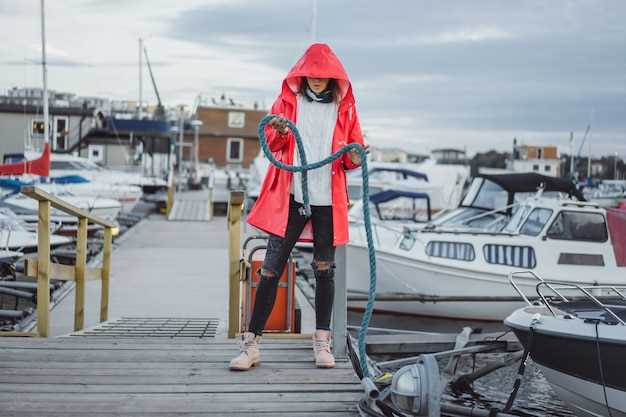
On the water move efficiently and stay prepared. This approach enhances preparedness, ensuring focus on safety while heading out, whether you are a boater, angler, or traveling for vacations. For Olivia and others, invest in a soft-shell bag that creates a safer, more enjoyable life on deck by keeping gear dry and organized–like a dry bag that helps you move around with confidence, especially for the angler and the boater.
The following tips help you stay organized on a boat.
- Bag selection and labeling
- Choose a soft-shell bag with a roll-down top, durable exterior, multiple compartments to separate items, and a dry pocket for electronics.
- Include a microfiber cloth to wipe surfaces and prevent condensation or vapors from affecting gear.
- Attach a paper label with the owner’s name–maybe “olivia”–to avoid mix-ups behind others.
- We recommend a simple checklist to check what you packed and what remains, so you don’t forget anything.
- Packing zones and contents
- Electronics: phone in a waterproof case, charger, and a small power bank for extended trips.
- Dry clothes and comfort items: towels, spare socks, and footwear to stay warm and comfortable on any ride outside.
- Snacks, salt, and pepper: snacks with salt may be part of travel plans, and pepper sachets help keep meals enjoyable during vacations.
- Safety and tools: whistle, first aid kit, multitool, and any miscellaneous items that might matter for safety.
- Miscellaneous items: spare cords, tape, microfiber cloths, and extra paper or notes that you may need to reference.
- Accessibility, organization, and safety
- Keep items you need during heading out or at anchor in the top compartments for open, easy access; lets you move around quickly if conditions change.
- Let the bag stay behind seating or at the center of the boat to avoid blocking movement around the deck.
- Focus on keeping the gear balanced to avoid tipping when the water is choppy, which supports safer riding and travel.
- Check the bag before leaving the hotel or marina to ensure all plans are ready and nothing is forgotten, else you miss something important.
- Labeling, reminders, and safety culture
- Label the bag with owner information and contact if needed, so others know what it contains and who it belongs to.
- Include a quick reminder about not leaving anything behind–anything important–so you won’t regret it later.
- Additionally, consider marking the bag’s location during travel to avoid misplacement during trips or while traveling with a crew of anglers and boaters.
- Maintenance, safety cautions, and life on the water
- Inspect moisture levels and use microfiber towels to dry gear before storing, helping to enhance life on saltwater voyages.
- Do not store flames, matches, or fireworks in the bag; store vapors and flammable items in a separate, ventilated container to reduce risk.
- Remember the reasons for this system: safer travel, a more enjoyable ride, and easier creation of plans for what’s ahead, regardless of weather or location, including hotel stays after a day of angling.
- The following steps protect you, your gear, and others when you travel, making life on the water safer and more comfortable.
Following these tips can enhance safety, comfort, and readiness for every voyage–whether you’re heading out to a saltwater ride or staying in a hotel after a long angler trip with friends and family.
Leave glassware and fragile items off deck to prevent shattering
Most breakages occur when glassware or fragile items are left on deck during rough seas, spray, and sudden movements. Humidity makes surfaces slippery, and a slip can ignite a shattering scenario. There, the course is clear: take fragile items below deck or into a waterproof storage location. You know this matters for safety and comfort of everyone on board. This choice pays off with calmer, safer voyages.
Use the most useful, durable alternatives: unbreakable plastic or stainless steel cups, bowls, and plates. These are easy to clean, and when used daily they remain reliable and unlikely to crack, keeping meals going safely. For comfort during meals, avoid glassware on deck; instead, pack these items in a secure locker or below deck. A smart choice is to keep some everyday dishes handy in a dedicated, closed container to be used while underway. Also consider waterproof pouches to protect smaller items and reduce clutter.
Location matters: place the waterproof, padded container in a bottom locker or cabin, not in the usual path. Lets keep the deck calm during movement to reduce the chance of injury. Keep it accessible but out of the main spaces where feet or fishing gear move. This approach supports keeping the deck free of hazards like slips and dropped glass, while still letting you access needed items when planning the day.
Boater tips: during any trip, always pack essential items in a way that reduces risk; the boat will feel safer and more comfortable. For anyone who must drink water, use lifestraw-equipped bottles or unbreakable cups; this is a safer practice. Also store small items like pepper away from the edges, so they won’t roll off during a rough sea.
Adventure scenarios: whether you are fishing, cruising, or at anchor, keep the deck clear by design. If you have fireworks on board for a celebration, store all glassware away from windows and deck to prevent shattering in a dark scenario where lights are low and spaces are tight. Lead by example and let the crew know the plan to stay safe.
Practical steps: plan ahead, pack, and cover containers. Keep the toilet area tidy and easy to access, and store bars of soap and other essentials in a closed, water-resistant location. This simple routine enhances safety and makes adventures more exhilarating while you stay focused on the waters rather than fragile items slipping loose.
Ditch unnecessary electronics and spare batteries to reduce hazards
On a boat, such packing decisions matter for safety and ease of movement. To reduce hazards, ditch unnecessary electronics and spare batteries. This is possible on any trip and is part of smart preparedness. Packing everything you actually need around planning for weather and sea state helps you stay ready for whatever comes. Glass containers should be replaced with impact‑resistant, waterproof options, and both lifestyle and crew will benefit from keeping the deck clear. Planning ahead, including a weather scenario, keeps you on course and reduces risk when lighting is dark. Humidity can attack electronics, so waterproof covers and dry bags help keep everything safe. The angler in the crew will appreciate a simple approach that’s focused on essentials, knowing that fewer devices lowers challenges and keeps the board free for movement. A smart choice is to pack compact gear that wont weigh you down, enabling great adventures without clutter and keeping you safe while at sea, whether you’re heading out for a quick trip or a longer voyage.
Tips for packing: define a compact kit that supports staying through the day without dependence on portable gadgets. Include basic navigation like a map and compass, a whistle, and a small LED light with fresh batteries, rather than a full array of electronics. Heading through rough weather, there’s no need to rely on every gadget; prioritize self-catering tools, foods, grocery items, towels, and sturdy shoes that will perform in wet conditions. Store items in dry bags and waterproof covers, and keep cooking gear with spices such as pepper in sealed containers. Aren’t you glad to avoid clutter? By staying minimalist, you handle weather, humidity, and rough seas with higher calm and confidence. There’s also a safety benefit: leaving electronics at home makes planning simpler, keeping you in control of the scenario and choice you make as a crew.
| Item | Hazard/Reason | Smart Alternative |
|---|---|---|
| Glass containers | Breakage on board can cause cuts and spills | Stainless steel or sealed BPA-free containers |
| Spare batteries/chargers | Exposure to humidity and heat can lead to leakage or venting | Rely on non-electronic backups or devices with long life |
| Unnecessary electronics | Short circuits, distraction, weight | Map, compass, whistle, waterproof notebook |
| Matches | Fire hazard on a moving vessel | LED lanterns or chemical light sticks |
| Oversized devices | Takes space and creates clutter | Compact, essential gear only |
Seal food and drinks in leak-proof containers to prevent spills
On most boat trips, sealing food and drinks in leak-proof containers is the usual approach to staying comfortable and avoiding spills. For someone staying on board, the simplest choice is to invest in sturdy, non-slip, airtight containers that keep liquids from leaking and protect belongings from humidity. This following habit can seem very straightforward and makes every voyage enjoyable, especially without extra mess. There are alternatives, but this method minimizes risk. This contributes to comfort on board. I think this approach works for most boats. This should also help during a fall in waves.
Pack essentials and snacks in airtight jars or bottles, including pepper or other seasonings, in separate, leak-proof containers. Label them and place them in a dedicated bag with a non-slip liner. This reduces the chance of spills when the boat rocks and helps keep deck clean, making voyages more enjoyable for many on board. This approach is maybe easier for daily trips and has great benefits for long or short outings. This helps others on board.
Where storage is limited, choose compact, stackable containers to maximize space without crowding the floor. Additionally, ensure all containers close tightly to avoid leaks that slip and cause damage to toilet area and belongings. If olivia is onboard, wearing non-slip soles helps everyone stay comfortable by limiting movement of small containers.
Planning ahead is essential for both experienced captains and beginners. If you’re heading for fishing trips or vacations, seal everything before you go to avoid last-minute spills. Open bags and loose items on deck should be avoided; using dedicated waterproof containers ensures you are not exposing electronic devices or other belongings to humidity. Knowing what to carry helps you make the most of every voyage; the extra effort pays. This should prevent most spills. To take these precautions further, prepare a simple checklist.
Focus on choosing the right containers, carry them in a stable position, and avoid overfilling. Do not overload; overloading can cause leaks. Keep items off the rail; do not place containers over the edge. Invest in reliable lids and consider using paper towels or absorbent pads under containers to catch any minor leaks that could cause damage. This approach is not only practical but rather effective for keeping your boat tidy. By taking these steps, you create an exhilarating and comfortable boating experience where everyone can enjoy snacks and fish safely, with limited risks.
Pack away trash and single-use plastics to minimize mess and wildlife temptation
these simple practices would improve handling of waste on board, free space for essentials, and reduce vapors from spoiled items. Anyone enjoying the trip benefits from a cleaner boat and a safer environment.
Follow these tips to pack away trash and avoid single-use plastics:
- Store trash in a closed, non-slip bin or bag that is securely fastened to a sturdy point; this prevents movement and keeps space free for essentials.
- Limit single-use plastics by using reusable bottles, cups, and containers for drinks and meals, reducing bulky waste and wildlife temptation.
- Contain batteries in a dedicated, ventilated container and keep matches and lighters away from them; this prevents dangerous situations and reduces clutter.
- Stow bulky items out of the open deck area, under seats or in lockers; better balance and a tidier boat improve comfort and safety in weather or rough seas.
- Before leaving, check outside for stray items and ensure all waste is secured; leaving items on rails or cushions invites trouble and potential loss.
- Keep a simple routine and secure waste whenever handling meals or snacks; this allows a smooth trip with less distraction for everyone aboard.
- Boater tip: keep a small trash pouch for drinks and pepper packets within easy reach to prevent spills and maintain order.
- Open compartments should be used wisely; only place approved trash in the bin to avoid creating a mess that could strand you in a scenario you didn’t expect.
By staying proactive about packing away trash and avoiding single-use plastics, boats stay cleaner, calmer, and better prepared for whatever weather or wind comes their way, helping everyone focus on the essentials and the best parts of the journey.