


 日本語
日本語  English (UK)
  Русский
  العربية
  한국어
한국어  Magyar
  Türkçe
  Español
  Čeština
  Svenska
  Português
  Ελληνικά
  Suomi
Suomi  Nederlands
  Română
  Italiano
  Français
  Polski
  Українська
  Deutsch
  简体中文
简体中文  Slovenčina
  Kneeboarding for Beginners – The Ultimate Guide to Riding Waves with Confidence">

Stand tall with knees bent, hips over the board, and eyes on the horizon; this stance immediately improves balance, which helps you understand weight transfer under the hips and gain better control of direction.
Choose a kneeboard suitable for your weight and leg length; a compact profile with a soft deck reduces fatigue, and a stable platform makes boarder sessions easier as you begin.
Between sessions, focus on a subtle slash of the torso to steer, keep your legs engaged, and maintain a steady engine of your core; this sequence helps you play with balance and translates into better wake control.
Safety priority: swimming skills, a driver supervising, and a safety line on shore keep you afloat while kneeboarders nearby share wake-focused tips and encouragement against mishaps.
Warm up thoroughly before water work; a 5-minute shoulder drill, 3-minute hip mobility, and a light swim to enjoy buoyancy prep your body for sustained sessions, and this routine offers steady gain in balance and feel.
As kneeboarders advance, pivot your priority toward consistency: this pivotal focus helps practice pop-up timing, keep the board between your knees on a calm surface, and remember that enjoying each small milestone serves as fuel to improve.
Kneeboarding for Beginners: Practical Guide to Wave Riding Confidence and Safety
Begin by selecting a board sized to weight and height. A snug deck sits close to chest when kneeling and floats easily when rising, improving balance. As a rule of thumb, length roughly equals rider height minus 6 to 12 inches; lighter riders choose shorter profiles, heavier riders longer ones. Test in calm, warm water with a spotter on shore and a steady rope around 60 feet; adjust stance until weight rests evenly on hips.
Safety basics: wear a PFD suitable for adults and kids; keep a safe distance from wake created by boat; have a spotter watch line end; rope length should let rise without tugging. Secure strap snug around thighs; keep nose slightly up to prevent diving underwater.
Skill progression: start on flat water, then move toward gentle chop. Learn to steer with hips, not arms; practice slow turns, then add small rotations to improve rotational control. Mind stays relaxed; eyes scan ahead to anticipate splash and wind shifts.
Gear choices: select a board with a wide nose and soft rocker for easier planing; a curved nose helps float, reduces nose dive. Choose a size that feels balanced on thighs; a snug strap aids control. In warmer californian lakes, adults and kids can start earlier; begin with warm-up stretches to build comfort.
Performance habits: respect others on lakes; understand ahead where traffic forms and how to avoid entanglement. A sudden gust gives a jolt; respond by raising knees and staying afloat. Rope management stays tidy; once back near shore, pause, stretch, hydrate.
Choose the Right Kneeboard: Size, Rocker, and Buoyancy
Size matters. Pick a board roughly your height with enough length to stay balanced on surface. Typical range 36–40 inches in lakes with light winds; heavier riders move up to 40–42 inches. A board too short slants the nose left and makes control harder. Use this base to establish a comfortable setup immediately; learn and keep skills at a steady level. Sizes vary by rider, so test a couple to find your sweet spot.
Rocker choice helps keep you moving. A flat or low nose rocker keeps surface flat, making pulling across wake easier; it reduces spray and slash when accelerating. Deeper nose rocker powers through deep chop and rough water, but adds drag on calm days. A mid-range rocker works across lakes and parks where you play sports.
Buoyancy matters. Higher buoyancy keeps you floating high on surface, making starts immediate and keeping you comfortable as you learn. Medium density foam provides enough lift across sizes; heavier riders can push to higher buoyancy to keep nose from sinking. When towing or cruising, adjust buoyancy until balance feels natural; theyre stability improves as you dial in your setup.
Test plan: start with a mid-size board, then explore sizes until you find balance. Another path exists to progress. In calm parks and lakes, you keep pushing skills and level up faster. With towing or casual sessions, surface stays steady and nose remains calm. Your choice makes progress easier; you’ll feel a thrill as you gain control.
Master the Pop-Up: A Safe, Repeatable Start
Plan splits pop-up into four steps on a calm lake near a dock. jobe equipment offers reliable grip and comfort; performance rises through gradual, controlled motion. Tailored drills adapt to your level. Practice slowly, focusing on traction, materials, your balance during each repeatable start.
Key cue: maintain a steady handle grip during transitions.
- Positioning: Sit with board parallel to shore, chest over deck, hands on handles at chest height, eyes forward. A steady breath supports balanced starts.
- Grip and traction: Inspect surface; ensure grip on handles remains relaxed yet secure. Use legs to transfer weight gradually against water motion.
- Pop sequence: Push with arms, lift chest, slide knees toward hips, then center weight onto feet to establish a balanced stance. Keep heels slightly back, toes forward, and breathe slowly.
- Recovery: If wobble occurs, return to sitting, reset stance, repeat; aim toward 6–8 second cycles, then progress toward longer starts.
- Equipment notes: a jobe board made from durable materials; padded grip improves comfort; traction texture offers security on wet surfaces; joints stay safe when starts are made safely.
- Progression tip: Paramount goal remains lead in competitions; prioritize safety, gradually build experience; use techniques learned by experienced riders near a dock.
- Longer term: Made by quality teams, boards resist abuse, aiding against making bad choices; practice in calm water during each session to reduce risk.
Positioning and Stance: Balance for Early Rides
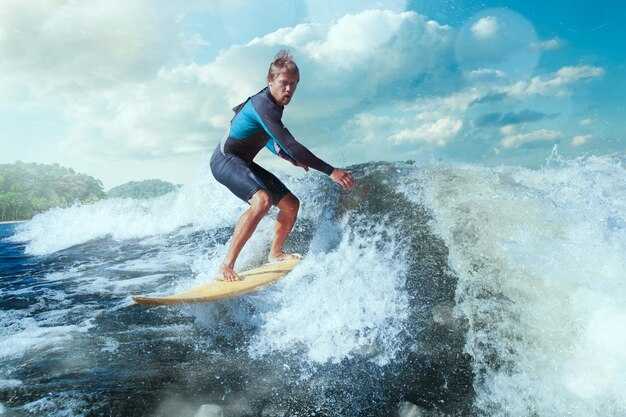
Center weight over surfboard midline; shoulders squared to the travel axis; hips over the knee on top of the board. Maintain a balanced feel by distributing weight evenly between front and rear contact points. Usually, stance width should be about shoulder width, helping the center of gravity stay aligned with the board. In the early stage, this posture builds an excellent base for higher performance, especially as skills develop and confidence grows. Engine of balance relies on subtle micro-adjustments from the driver within you. Getting warm in calm water aids repetition; keep gaze miles ahead, shoulders relaxed, and elbows soft. In choppier water, small shifts raise or lower your center and help lift the board toward smoother turns. In watersports, this stance translates to steadier handling. Boarder feels improved balance with this approach.
| Aspect | How to set | Why it matters |
|---|---|---|
| Body alignment | Shoulders squared to travel axis; hips over the board’s midline; weight centered | Prevents drift; improves balance and control |
| Stance width | Usually about shoulder width; adjust by feel during warmups | Maintains stable CG; supports higher performance |
| Gaze and head | Look miles ahead; head level; chin neutral | Prepares reaction to early changes in watercraft movement |
| Arm position | Elbows soft; hands resting on thighs or lightly on board | Reduces tension; aids subtle balance shifts |
| Weight transfer | Shift weight slightly forward during lift; back during settle | Controls lift, planing, and speed stability |
| Water texture adaptation | 荒れた水面では:微調整で姿勢を整え、中心を保つ。 | 持ち上げと安定性を維持 |
| 段階進行 | 初期段階では整合性に焦点を当て、スキルが向上するにつれて調整します。 | ウォータースポーツのパフォーマンスの着実な向上をサポートします |
| After-ride note | 硬さと柔軟性を記録する。股関節と肩のストレッチの計画を立てる。 | 進捗の指導と怪我の予防 |
ライド後、柔軟性を維持し、肩や股関節のこわばりを軽減するために、軽いストレッチをしてください。.
リーディングウェーブとエントリーのタイミング:適切な波に乗る方法
ピークの理想的な場所を選び、きれいなショルダーを持つものを選びましょう。優先順位は、クレストが近づく際に持ち上げるタイミングを合わせ、表面の上でしっかりとセンターを維持することです。.
ニーボードの位置をキープし、体重を均等に分散させ、バランスを助けるために手を体の横に保ちます。反復練習によって能力が向上します。.
波の表面に目を合わせ、集中を保つことで、リップの上がり下がりを予測し、立ち位置を定めることができます。.
唇の持ち上げでは、エネルギーと一致するように小さな回転運動を開始し、動きは制御下に保ちます。.
胸を上げ、脊柱をまっすぐにし、表面とのしっかりとした接触を維持しなさい。移動中も、中心を膝板の上方に保ちなさい。.
入室時、バランスを維持することを優先し、速度が低下した場合は調整し、別の方法を試してください。.
ドリル:セッションあたり6回、3セット。リップコンタクトからボードまでの時間を4秒未満にすることを目標に練習する。.
コアコンディショニングはパフォーマンスを向上させます。練習を続けることで能力が向上し、バランスをとるのがより簡単になります。.
腰を使って持ち上げ、腕は使わない。動きは直線的で、表面は平らに保ち、脊柱をまっすぐにすることで安定性を高める。.
ピアとのスペースを共有するには敬意が必要です。合図に手を使い、混雑を避けてください。冷静さを保つことは安全を維持するのに役立ちます。.
進捗を楽むことは魅力を高め、もう一つの小さな勝利は優先順位を再確認し、中心を強固にします。.
穏やかな状況下では、パフォーマンスを維持しながら容量を拡張できます。.
水上安全プロトコル: ギア、信号、およびバディシステム
推奨事項:認定を受けたPFDを着用し、水に入る前にクイックリリース リーシュをボードに取り付けてください。合図ホイッスルと予備の浮力式信号装置を携帯し、中央と各隅に浮子を配置して開始エリアに印を付けてください。.
信号とバディシステム:陸上または船上に専任の監視人を割り当てます。全員が可聴範囲内で浮遊したまま、別のライダーがそこにいることを確認し、各セグメント後にチェックインします。明確な行動を伝えるために、手首の信号または手信号を使用します。開始のために腕を上げ、一時停止のために手のひらを伸ばし、何かがおかしいと感じたら、緊急事態の場所を指します。.
ギアチェック:PFDの耐久性とストラップの完全性を検査する;クイックリリースラインをボードに取り付ける;重心にわたる重量分布を確認する;ラインと継手には摩耗がなく、機動テスト中の回転応力を耐えられないものがないことを確認する。.
ドリルの開始: まず静止状態から始め、次にフラットウォーターを進みます。バランスを確認するために、1回の試行で15〜20秒間浮上させます。脚を曲げ、姿勢を中央に保ち、回転を制御します。よりスムーズなマヌーバのために、中央、側面、角を監視します。.
リスク管理:乗船者全員のプロファイルをレビューする;混雑したエリアを避ける;リスクを軽減するために間隔を計画する;海岸の監視員は動きを監視し、範囲外に漂流した場合は警告する;水上の相棒がハンドシグナルで安全な監視を続ける。.
装備の考慮事項: フィットしたPFD、必要なヘルメット、丈夫なロープ、およびインボードクラフトのハードウェアに投資した費用は、より長時間の航海セッションを通じて回収されます。ロープのサイズと取り付けポイントを確認し、予備の救命浮環をすぐに展開できるように手の届く範囲に保管してください。.