


 日本語
日本語  English (UK)
  Русский
  العربية
  한국어
한국어  Magyar
  Türkçe
  Español
  Čeština
  Svenska
  Português
  Ελληνικά
  Suomi
Suomi  Nederlands
  Română
  Italiano
  Français
  Polski
  Українська
  Deutsch
  简体中文
简体中文  Slovenčina
  Jon Boat Buying Guide – Best Lightweight Aluminum Fishing Boats">

Choose the best lightweight jon boat: a 12-14 ft aluminum model with a split hull and a double-hull option designed for stability. This model is built by a respected company, offers straightforward maintenance, and keeps the bones lightweight for easy car-topping. Boaters who need efficiency find that the main benefits are stability and fuel performance. Therefore, this option already delivers solid performance on lakes and calm rivers.
Focus on a hull that balances weight and stiffness: a split hull or double-hull design improves stability and reduces drag, therefore boosting performance and fuel efficiency. A compact overall height helps with portability and handling during launches and navigation across shallow ramps. Look for boats that are デザイン with durable riveted or welded seams, and that keep deck height accessible for standing or sitting while casting.
Choose models from a company that offers solid warranty coverage and parts availability beyond the initial sale. For boaters, inspect the main seating layout, deck rigidity, and the transom height, as these things influence balance and mounting options for a small motor. Ensure the boat is designed to perform reliably in your typical waterway, and confirm the dealer network can support updates to navigation and routine service.
Bottom line: pick a model with highly portable design, proven performance, and a dealer network you can rely on for parts and service. Revisit your list against payload needs, navigation ease, and height constraints before you sign. If you start with three best options, you can validate real-world stability, fuel consumption under load, and steering feel during a quick pond test with your gear.
Assessing the Lowe 1648M: core specs for practical fishing use
Get the Lowe 1648M if you want a nimble, practical platform for fishing on lakes and calm rivers. At about 16 ft long and 48 in wide, the all-aluminum hull keeps weight manageable while delivering a large cockpit. It shows built-in storage compartments and bench seats, with pedestal mounts that let you switch to a solo or family setup quickly. With a single outboard, getting under way is simple, and the total package always stays easy to trailer. In a recent review, owners note stable navigation on rocks and in shallow water, making it a reliable lake companion. Decide here if durability, space, and straightforward maintenance fit your needs, and you’ll see why many buyers rate its value highly.
Core specs you’ll count on include a roughly 16 ft length, a 48 in beam, and all-aluminum welded construction shown in the factory sheets. The cockpit offers a large, open deck with a majority of seats in a two-bench arrangement and optional pedestal seats for a flexible fishing or family setup. The design provides built-in storage pockets under the bow and behind the stern, plus a large total dry area for tackle, line, and personal items. It’s designed for a single outboard, keeping balance and response predictable when navigating shallow lakes or river shoals.
Practical fishing uses come down to layout and flexibility. For duck season or quiet backwater hunts, the flat deck and shallow draft let you move light gear without a lot of ballast. The bench seats can be removed to create room for a duck blind or a small gear rack, and pedestal mounts let you swap to elevated seating when you need better line of sight. For a family outing, the seating and built-in storage keep tackle, snacks, and rain gear tidy, so you switch from rods to refreshments quickly and maintain a stable payload. If you carry backup gear, the ample pocketing still keeps everything within reach. Navigation remains straightforward, even when you veer toward shoreline rocks or wind shifts.
Whether you’re after a family day on the lake or a dedicated duck-boat for backwater settings, the Lowe 1648M delivers solid value. The majority of owners report a smooth ride and straightforward maintenance, while the rating tends to be favorable for its simplicity and resale value. Before you pull the trigger, check your typical loadout and lanes you’ll run; if you keep gear light and plan to use pedestal seats for different setups, you’ll maximize storage and performance without sacrificing maneuverability.
In short, the Lowe 1648M is a versatile, lightweight option for lake and backwater fishing, with built-in features that support practical gear management and flexible seating. It shows a strong balance of price, performance, and durability, making it a reliable choice when you need something you can trust day after day across seasons.
Weight, capacity, and payload limits for the 1648M
Keep total payload under the transom plate limit; target 750–900 pounds total to preserve stability and efficiency on flat-bottom handling with this hull.
- Dry hull weight: 110–140 pounds, depending on gauge and added accessories.
- Max load rating: 900–1,100 pounds listed on typical 1648M plates; always read the exact specification on your vessel’s transom plate.
- Motor weight: add 90–180 pounds for a common 20–40 HP outboard plus mounting hardware; larger power adds more weight and changes balance.
- Fuel: 6–12 gallons; at about 6 pounds per gallon that adds 36–72 pounds of fuel on board.
- Gear and gear boxes: plan 100–250 pounds for typical fishing or hunting setups; hunters often bring decoys, traps, and extra clothing as part of the load.
- Trailer and towing: consider trailer weight in the total when selecting a tow vehicle; ensure the axle rating and hitch can handle the combined vessel, motor, fuel, and gear.
- Conditions and distribution: place heavier items toward the center of the vessel and keep weight low; wide, even distribution helps edge stability and handling in moderate chop.
- Limits vs. needs: customized setups (additional seats, racks, or storage) can push the payload toward the upper end; assess those changes against the plate rating and trailer capacity.
Examples illustrate typical scenarios for those balancing comfort and performance.
In an example with two adults (about 340 pounds total) plus gear (100 pounds) and 8 gallons of fuel (48 pounds), the load is around 528 pounds, leaving ample margin on a 900–1,100 pound rating. For those planning trips with three adults (around 510 pounds), extra gear (150 pounds), and 8 gallons of fuel (48 pounds), the load approaches 708 pounds, still within safe margins. An extreme case with four adults (roughly 640 pounds), plus heavy gear (180 pounds) and 12 gallons of fuel (72 pounds) lands around 892 pounds, which remains under many ratings but leaves less reserve for changes in gear or fuel. If you add more than this, the hull becomes limited in performance and handling.
Edge stability depends on proper weight distribution; a wider beam helps balance loads, but always respect the rated capacity. For those who plan longer runs or frequent use with heavy gear, consider a larger model or lighter gear selection to maintain suitable handling. Rights and warranties stay aligned with the manufacturer’s limits, so sales literature and the plate should guide every loading decision. Those who are new to this vessel should build a loading plan that accounts for gear, fuel, and occupants, then test in calm water to confirm stability under your typical conditions.
Stability and handling: evaluating hull shape, beam, and planing
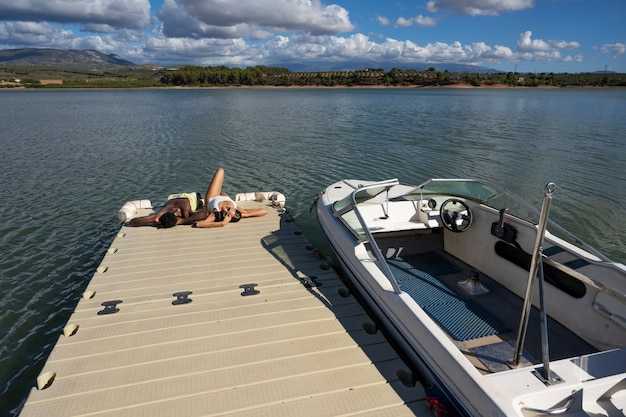
Choose a wide-beam hull (about 4.5–5.5 feet) for stable handling. The majority of stability comes from the beam, so aim for a footprint of 54–66 inches to reduce wobble when you move between decks or seats. This width provides plenty of margin for two adults plus gear, and it helps you stay upright when youre loading gear and moving to fishing spots on ponds.
Hull shape matters most when you’re moving. Flat-bottom designs feel stable at rest but pound in tough chop, while shallow-V and rounded profiles cut through waves more smoothly and track between them. Among the options, a shallow-V with a small deadrise (roughly 3–6 degrees) balances stability and handling. Lund models often show a slightly beveled bottom that tightens tracking without sacrificing deck space; between those and others, pick the one that keeps you planted as you reach shorelines. Whatever you choose, the shown specs should indicate the deadrise and chine design; this doesnt wander in chop.
Planing performance matters. For light 12–16 ft jon boats, planing typically starts around 12–15 mph when lightly loaded; at capacity, you’ll need 15–20 mph, depending on weight and prop. Once on plane, tracking becomes steadier and spray is reduced, which helps on adventures and long runs. To keep stability on plane, maintain a simple weight-distribution system: place the jack, batteries, and heavy storage boxes across the main centerline, roughly halfway between the bow and stern. A balanced load yields a stable feel that doesn’t require constant correction from you.
Practical checks: inspect the beam width shown on the spec sheet, then confirm the actual sizes in feet and inches and compare between models from Lund and others. Check decks and seats for solid mounting and dry storage compartments; ensure there’s space for plenty of gear. Verify the capacity rating matches your planned crew and that you can accommodate life jackets and tackle without crowding. Do a test ride on ponds or calm water; note how the hull behaves in a light chop and in small waves. Use the источник for data and keep your choice simple and easy to compare, then pick the best fit for your local conditions and adventures. Just remember: stability comes from a solid base, the right beam, and a hull shape that aligns with your plans.
Material durability: aluminum grade, corrosion resistance, and finish
Recommendation: Choose marine-grade aluminum in the 5xxx-series (5052-H32 or 5083-H116) for the hull to ensure excellent corrosion resistance, consistent ductility, and solid fatigue strength. This alloy forms the bones of your boat and performs best in open water, whether you run a flat-bottom or tri-hull layout, where load paths and flex differ, better than common grades. With this base, youll enjoy longer hours on the water and fewer repairs than with non-marine grades. Read the label to confirm marine-grade specs, youll feel more confident in your choice.
仕上げも重要です。紫外線、磨耗、海洋生物の付着を防ぐため、バリアコートと二液型ポリウレタンのトップコートを塗布してください。 塩水または汽水環境では、耐久性のある塗装または粉体塗装仕上げにより保護が強化されます。仕上げが合金と適合し、接合部が密閉されていることを確認してください。 しっかりとした仕上げは、水上での長い一日の後、船底とトランサムの磨耗を軽減し、仕上げを一体感のあるシェルに仕上げるのに役立ちます。.
腐食リスク:アルミとスチールの金具を絶縁し、電食を最小限に抑えます。ステンレス製またはアルミ対応の留め具を使用し、船舶用シーラントを追加し、海水付近で使用する場合にのみ亜鉛アノードを取り付けてください。底部やフィッティング周辺の露出したエッジを定期的に点検してください。メンテナンス期間を設けることで予防が容易になり、損傷が進行する前に対応することで、高額な修理を抑制できます。このような予防策は、入港時の苦労を軽減します。.
実践における耐久性:慎重なレイアウトと溶接された継ぎ目を持つ船体を選び、事前に配線されたエンジンとモーターマウントの下でフレームが耐えられることを確認してください。レイアウトをカスタマイズする場合は、トランサムとボトムの継ぎ目を補強するように依頼し、シーラントラインを確認し、モーター、バッテリー、ギアの重量配分がバランスが取れていることを確認してください。前または後への重量が多すぎると、ハンドリングの負担が増加する可能性があるため、間隔を計画し、重量感を確認するために親指でテストしてください。.
購入時の実用的なチェック:底の厚さと溶接の品質を確認し、船体全体の仕上がりが均一であることを確認し、レイアウトがニーズに合っていることを確認します。カスタマイズされたセットアップの場合、補強リブがあると剛性が向上します。足が立つクリアランスと安全なアクセスも必要です。トレーラーのアライメント調整用に小型ジャッキを検討し、重量定格と将来的なアップグレードを確認します。また、保証の権利とその内容を確認し、限定保証が期待どおりであることを確認します。06:00 hhmm出発のように正確なスケジュールを立てて、テストルーチンが沖合でのテスト時間に合うように計画します。.
動力オプションと燃費:1648Mに適した船外機の選び方
1648Mの安定性と燃費を最大限に高めるには、20〜25馬力の4ストローク船外機をお選びください。.
船体を適度な全体重量に抑え、立ち上がってキャスティングするのに安定した足場となる48インチの幅を維持しています。一般的な二人乗りの場合、20~25馬力の4ストロークエンジンは操作しやすく、信頼性も高いです。ガチョウ狩り、カニ獲り、家族旅行など、用途が広く、最小限の改造で済みます。スイベルマウントと応答性の高いティラーにより、セットアップに応じて、船尾または高くした船首プラットフォームから快適に操作できます。このアイデアは、パワーと経済性のバランスを取り、ボートを窮屈にすることなく、ギア、クーラー、およびいくつかの必需品のためのスペースをオープンスペースに残すことです。このデータを読めば、なぜこの選択がほとんどのオーナーに適しているかがわかるでしょう。すべてのテストにおいて、20~25馬力の4ストロークエンジンは、信頼性の高い燃費とスムーズな操作を提供します。ふむ、この選択は、日常使用において安心感と効率性をもたらすでしょう。.
| Option | タイプ | HP | 重量 (lb) | 全開回転数 | 巡航回転数 | WOT時燃料消費量 (gal/時) | 巡航中の燃料消費量 (GPH) | Pros | Cons |
|---|---|---|---|---|---|---|---|---|---|
| 4ストローク、20〜25馬力 | 4ストローク | 20–25 | 90–110 | 5000–6000 | 3000–3500 | 3–4 | 1.5–2.5 | 静かで滑らか、信頼性が高く、始動が容易、そして良好な再販価値 | 2ストロークエンジンより重い、初期費用が高い |
| 2ストローク、25馬力 | 2ストローク | 25 | 75–95 | 5500~6000 | 3000–4000 | 6–7 | 3–4 | 軽量、レスポンスが良い、初期費用が低い | 燃料消費量が多い、騒音が大きい、混合油が必要 |
| 4ストローク、30馬力 | 4ストローク | 30 | 105–125 | 5000–6000 | 3200–4000 | 4–6 | 2–3 | より大きな負荷で、より大きなトルク、より良いプレーニング | より重く、より高価で、わずかに抗力が増加 |
一般的な使用例を考えてみましょう。もしあなたが頻繁に大人2人と装備を運び、安定した燃費を求めるなら、20〜25馬力の4ストロークが適切なバランスです。たまに軽い荷物を運ぶか、予算が限られている場合は、25馬力の2ストロークが素早いレスポンスと軽量性を提供しますが、燃費と騒音が大きくなることを考慮してください。もし大きな装備や荒れた水面を想定している場合は、30馬力の4ストロークがトルクを追加してくれますが、重量が増加します。常にプラットフォームに装備を積んでテストし、最大積載時および部分積載時の制御された操縦性を確認して、その組み合わせが船体の安定性と幅の制限内に収まり、必要な装備のためのスペースを確保できることを確認してください。いずれの場合も、適切にマッチしたプロペラとスイベルブラケットは、ボートの制御性と効率を向上させ、選択を容易にし、最初から信頼性の高い、汎用性の高いセットアップを確実に手に入れることができます。.
ギアの収納、座席、ロッドの整理:室内レイアウトの最適化
汎用性を最大限に高めるため、発泡材入りのシート下コンパートメントとフラットなデッキを備えたモジュール式インテリアを採用。. このセットアップにより、ドライギアに手が届きやすいうえ、乗客のためのスペースも確保され、湖でのクルージングと一日中の釣りとの間をスムーズに移行できます。このセットアップは、アクティビティ間の素早い移行を目的としており、モデルを評価する際には、取り外し可能なシート、一体型のドライウェル、および電動セットアップで小型電子機器をサポートするためのアクセス可能な配線済みの電源ポートを確認してください。.
ガンネル沿いに、発泡材入りのトランクや浅いトートバッグを使ってギアを整理すれば、座席を乗り越えなくても、移動の合間に交換できます。透明な仕切りや親指サイズのスペーサーを使って、ロッドやタックルを見やすく、かつ分けて収納することで、湖が穏やかになり、風が強くなったときに、必要なものを急いで手に入れることができます。.
ロッドの配置は重要です。ガンネルの平らな部分に沿ってロッドホルダーを並べるか、小型のトライハル船には取り外し可能なラックを取り付けましょう。シングルまたはダブルハルのボートの場合は、コンパクトなフォーム充填チューブのラックを使用すると、移動中にロッドの先端が曲がるのを防ぎ、保護することができます。.
座席の配置はバランスを考慮し、重いギアは船尾に、舳先はキャスティングのために空けておくこと。これにより、トリムの傾きを防ぎ、湖でのボートの追跡を維持できます。本当に柔軟なプランとしては、取り外し可能な台座シートを使用して、釣りをクルージングに切り替える際に、より大きく快適な配置にアップグレードできます。.
積載に関するポリシー:総積載量を合理的な範囲に制限し、段階的にテストする。重量を既知の制限内に保ち、ボートが安定するようにする。左右の重量を記録し、必要に応じて調整する。穏やかな湖でhhmmにテストを実施し、実際のクルージング条件で配置が機能することを確認するために、出航後にセットアップを見直す。.
アップグレードの道筋:動力化するなら、配線済みのコンパクトなパネルを選び、ガンネルに沿ってケーブルを配線しましょう。リアベンチの下に小型バッテリーを設置すれば、デッキをすっきりと保ち、ライト、魚群探知機、またはマウントに電力を供給できます。このセットアップにより、小型の Lund ボートや、ロッドラックや追加の収納に適したフラットデッキを備えた同様のモデルで、さまざまな構成が可能になります。.
初回の湖上テスト後、アイテムの位置を調整して最適な状態にしてください。配置と感覚を記録し、必要に応じて交換し、将来のアップグレードのためにレイアウトを再現可能に保ってください。考え抜かれたインテリアレイアウトは、あなたのジョンボートのコンパクトなスペースを最大限に活用し、収納効率と釣りの準備を向上させます。.