


 日本語
日本語  English (UK)
  Русский
  العربية
  한국어
한국어  Magyar
  Türkçe
  Español
  Čeština
  Svenska
  Português
  Ελληνικά
  Suomi
Suomi  Nederlands
  Română
  Italiano
  Français
  Polski
  Українська
  Deutsch
  简体中文
简体中文  Slovenčina
 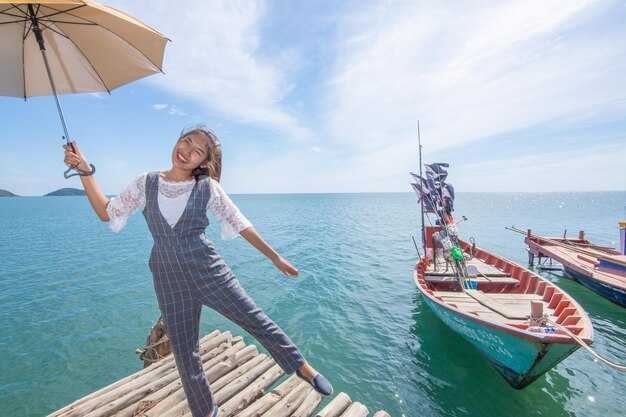 How to Sail Around Thailand with FollowOurAdventure – Tips, Routes, and Inspiring Stories">

Begin with a 7-day bareboat loop from Phuket to Phang Nga Bay, then hop between lagoons and limestone karsts where calm mornings invite paddling and close-up highlights. Take a note early: secure your charter bond, confirm skipper options if needed, and plan two long passages only when winds stay under 15 knots. This keeps the crew safe and the mood light as you start your exploration with FollowOurAdventure.
Depending on wind windows, plan a two-leg day along the Andaman coast, with anchorages near Phuket, Koh Phi Phi, and Koh Lanta. In the peak season you can push to the Similan Islands for an endless cluster of white beaches and a protected lagoon feel; otherwise stay in sheltered bays along Trang. This outline suits bareboat crews seeking reliable shelter, lively beaches, and quiet coves known to travellers.
Gear, provisioning, and cash: bring a compact note with the crew’s dietary preferences; shop in Phuket for breakfast supplies, and keep a bond with locals for a friendly touch. Bring currency in Thai Baht; many marinas accept cards but remote anchorages require cash. For cuisine, try local breakfast dishes along the shore, and savor fresh seafood each day. The highlight here is the daily cooking with on-board teams and island taverns along thailands coast.
Inspiring moments: a couple from travellers who started with minimal sailing experience gains confidence after reading wind changes and following simple plans; a crew that learns to read the sky and keeps to a steady rhythm gains trust. endless coastlines known for their cuisine, sunrise colors, and friendly harbours frame the exploration. The ultimate memory is the bond you build around a small campfire on a white-sand beach, as a local party forms with drums and grilled fish under a starry sky.
Practical tips: choose a route based on your crew’s experience; check weather forecasts; keep a flexible plan; book anchorages ahead in peak season; note that berthing fees in Patong or Krabi can add up. Travellers should plan to hit sheltered bays at sunset and to enjoy breakfast on deck while threading through mangroves, then savor cuisine at island piers. The highlight of this option is building steady momentum and bonding with the crew without rushing.
Final note: FollowOurAdventure provides route maps, highlight reels, and stories from travellers who turn small moments into lasting motivation. The best plan is to keep curiosity high, respect local customs, and document your voyage in a simple log so the endless memories stay vivid long after you return. Currency, provisioning, and safety checks stay straightforward when you keep a clear note and adapt to shifting winds.
Tailored Thai circumnavigation with FollowOurAdventure: planning, routes, and stories
Plan a 6–8 week tailored circumnavigation along Thailand’s coastline with FollowOurAdventure to balance secluded anchorages, snorkeling days, and cultural discoveries.
Start with a precise route outline: Phuket to Krabi and the Trang archipelago on the Andaman coast, then gulf legs to Ko Tao, Ko Phangan, Ko Samui, Trat, and Pattaya to complete the circuit. During the planning phase, track currency needs, visa requirements, and passport validity, and keep a concise notes sheet for port calls. FollowOurAdventure provides a single link to marina services, weather feeds, and dockage options, helping you finish each day with confidence and time to enjoy dinners ashore.
Route design respects sizes and sea conditions: select a mid-size catamaran or a 40–52 ft sailboat for comfort on longer runs, stable sailing, and easy handling by a small crew. Boats come in different sizes, so pick the hull that matches your crew and budget; the platform helps you compare vessels, check berthing options, and view a renowned map, showcasing anchorages, snorkeling sites, and wind windows across the region.
Each stop blends culture-focused activities with natural beauty: temple visits, night markets, and fresh seafood dinners. They enjoyed sunrise swims, beach walks, and seafood dinners that highlight Thailand’s flavors, while you discover quiet coves and coastline panoramas that challenge your expectations–and you create stories that last beyond the trip.
To stay organized, take notes on preferred anchorages, service stops, and weather patterns, then share them with your crew. They took photos, kept a trek log, and saved practical tips for future trips. Ensuring you carry copies of your passport, a robust travel insurance plan, and a backup payment method keeps things smooth, while a single, well-planned route reduces costs and stress.
Finish with a final coastal dinner in a quiet bay, then relax as the sun sets over the Andaman Sea. This tailored plan can give you a world of discoveries, offering both flexibility and reliability, and is easy to manage through FollowOurAdventure’s services and the link you’ll use to tailor itineraries, bookings, and check-ins across Thailand.
Route options: Andaman Sea vs Gulf of Thailand

Start with the Andaman Sea for dramatic limestone scenery and warm, clear water. An array of anchor spots, good marina services, and authentic local culture create a solid opening for your plan. Drop into a moment of calm in Phang Nga Bay before Phi Phi and Krabi, where the water stays true and the coastlines glow–truly spectacular.
Andaman highlights include Phuket base days, sheltered bays around Ao Phang Nga, and the iconic Similan Islands when weather and park rules allow. For a good balance of scenery and safety, sail Nov–Apr, then use protected harbors in May–Oct if you want shorter hops and calmer nights. Note that some destinations require permits or advance reservations, so book ahead for island clusters and park entries. Cabins that use a cabinquad layout keep crowds comfortable, while onboard yoga sessions at sunrise add a mindful moment to the plan.
In the Gulf of Thailand, you gain easy access to a warmer, more forgiving cruising ecology. Start near Bangkok or Pattaya, then hop to Koh Samui, Koh Phangan, and Koh Tao, with additional options to stretch toward Hua Hin or Chumphon. Distances between hubs are typically short enough for 4–6 hour day sails, keeping the rhythm relaxed and the crew rested. Available spots include well-equipped marinas in Koh Samui and Pattaya, with provisioning services, repair bays, and responsive local crews that can tailor your sailing tempo.
Crossing considerations help you choose the right window. Gulf routes commonly enjoy calmer daytime passages during November–April, while Andaman passages stay more consistent in the same window but demand careful planning around monsoon breaks. Such factors guide your plan: if you crave dense scenery and dramatic coastlines, Andaman’s limestone walls and hidden coves shine; if you prefer island-hopping with frequent stops, the Gulf delivers an easygoing rhythm and warm-water snorkeling.
Notes for a practical pick: start with an authentic Gulf of Thailand loop to test boat handling and provisioning routines, then add an Andaman extension for the finest cliff-backdrops and remote bays. A balanced approach lets you sample both experiences without rushing, making your overall itinerary resilient to weather, port schedules, and local services. If you’re coordinating family or a small crew, choose ports with reliable fuel, water, and repair services, and reserve accommodations aboard in advance to keep everyone comfortable through the next good sailing moment.
7–10 day sample itineraries with anchorages and shore visits
Begin with a 7-day loop around Phuket, Phang Nga Bay, and Phi Phi, anchoring at Ao Phang Nga, Panak Island, and Phra Nang Bay, then returning to Phuket for an overnight in a marina. This setup gives a very balanced mix of anchorages, shore strolls, and authentic Thai flavors, with options to extend into a 10-day yachting adventure across renowned island groups.
-
Day 1 – Phuket to Ao Phang Nga (Panak Island area)
- Anchor at Panak Island or nearby Panak Bay for a calm overnight.
- Afternoon visit to the mangroves by tender, then a short shoreline walk around the village near the bay.
- Evening: sunset over limestone karsts; dinner on board featuring fresh prawns and local seafood (prawn specials are a must).
-
Day 2 – Phang Nga Bay: Panak to Ko Panyi (Panyi Village)
- Short hop to Ko Panyi, the famous sea-gypsy village. Anchor in a sheltered cove nearby.
- Shore visits: explore the floating markets, sample authentic southern Thai dishes, and chat with locals about traditions.
- Afternoon: kayak through sea caves or take a guided walk to a hillside lookout.
- Onboard, create a slice of memory with a quiet night aboard under stars.
-
Day 3 – Phang Nga to Railay Beach (Krabi coast)
- Head south to Railay, anchoring near Railay West or Phra Nang Bay depending on wind.
- Shore visits: climb on the famous limestone cliffs (three climbing trips available for different routes), visit the Princess Cave, and enjoy a short hike to a scenic overlook.
- Afternoon: stroll the beaches, then return to the boat for a well-cooked dinner featuring regional seafood and coconut curries.
-
Day 4 – Railay to Phi Phi Don (Ton Sai or Loh Dalum area)
- sail to Phi Phi Don, choose an anchor close to Phra Nang Bay for snorkeling and beach time.
- Shore visits: Maya Bay (subject to seasonal access) and Phi Phi Viewpoint; small cafés offer english-friendly menus and fresh fruit plates.
- Afternoon: walk along the shore, sample local crackers and fried fish, and take a short boat shuttle to a quiet cove for sundowners.
-
Day 5 – Phi Phi Don to Ko Yao Noi
- Morning sail to Ko Yao Noi, anchor in a quiet lee with easy access to the village pier.
- Shore visits: bicycle or scooter ride through rubber plantations and seaside villages; stop for coffee and a slice of local bakery.
- Afternoon: slow cruise along the island’s coast; enjoy a garden-side restaurant dinner with very fresh seafood and garden herbs.
-
Day 6 – Ko Yao Noi to Phuket (Limestone coast approach)
- Return toward Phuket with a stop for a snorkel at a reef edge, then anchor near Ao Po or Phang Nga Bay’s quieter coves.
- Shore visits: Phuket Botanic Garden for a calm afternoon stroll among curated gardens and plants; english-speaking guides available.
- Evening: cook a light on-board meal using local ingredients and a “slice” of the island life.
-
Day 7 – Phuket close and overnight
- Finish with a short cruise back to Phuket; choose an overnight at a marina such as Royal Phuket or Phuket Boat Lagoon for a comfortable wrap-up.
- Disembark or prepare for a longer extension if you want to add 3–4 more days of exploring across Krabi or the Similan route.
Extension option: 10 days adds the Similan Islands for a renowned offshore leg. Start Day 8 with a northbound crossing to Koh Miang (Similan No. 4) and anchor near Donald Duck Bay on Koh Similan No. 8. Sail days cover 20–40 nm segments with 4–6 hours at cruising speed. Anchorages here are very sheltered, and you’ll find well-marked moorings, clean water, and opportunities for photography that locals describe as authentic and beautiful.
-
Day 8 – Phuket to Similan Island group
- Early departure from Phuket; reach Koh Miang by late morning.
- Shore visits: snorkel the clear reefs, walk the island trails, and relax at a sheltered beach.
- Overnight: anchor near Koh Miang with an evening onboard dinner.
-
Day 9 – Similans exploration
- Move to Donald Duck Bay on Koh Similan No. 8 for the best sunset photo spots.
- Shore visits: visit Lon Island viewpoints or hike short coastal trails.
- Take a dip in very clear water before a calm night under a starry sky.
-
Day 10 – Return to Phuket
- Make your way back to Phuket with a stop for a final lunch, featuring a slice of southern Thai flavors.
- Disembark at day’s end or continue into another leg such as Koh Phi Phi or Krabi coast.
Notes for a smooth run: rely on operatormed updates for local weather and wind shifts, especially when planning the Similan extension. Keep the crew fluent in english to handle shore visits, markets, and guided trips. Always reserve an overnight in standard marinas when returning to Phuket for a comfortable wrap-up. If you crave an adventurous edge, add three climbing days on Railay, and a traditional seafood lunch with prawn sauces in Krabi town–both sure to deepen the authentic experience across this coast. Followouradventure offers easy access to maps, anchor charts, and the latest routes, helping you navigate with confidence and enjoy a very well-paced yachting holiday that’s known for its beauty, traditions, and friendly coastal towns.
Permits, visas, and Thai sailing regulations
Booking a Thai-licensed operator is the fastest way to lock in all required approvals for your coastal sail along the andaman coast. The operator offers cruising permits, park-entry passes for protected areas like Similan and Surin, and port clearances, so you can focus on wind, water, and scenery.
Visas and entry: Confirm your visa path with Thai immigration early. A visa exemption or visa on arrival can cover short stays; for longer stays, apply for a Tourist visa or a multiple-entry option through a Thai embassy or consulate, and align dates with your sailing schedule. The operator can advise what works best for your group, whether you travel as a family, a couple, or paired travelers in a double-share cabin.
Permits for the vessel: If your yacht is foreign-flagged or you operate a charter from international ports, you may need a Cruising Permit from the Marine Department and a Temporary Import Permit (TIP) to bring the boat into Thailand. The booking team handles these filings and confirms the inclusions in your package. For national parks and protected zones, boat-visit permits or per-guest park fees may apply; check with your operator about availability and exact costs.
Protected-area access and on-board docs: Some routes access national parks in the andaman region. If you plan to anchor near Similan or Phi Phi, you may need park-entry permissions. The operator will coordinate these so your route and timing are smooth, with cultural experiences and inclusions ready.
Crew and documentation: Non-Thai crew performing duties must hold valid work permits; passengers do not. Carry your passport copies, visa documents, and proof of insurance along with the vessel papers. The operator keeps filings up to date, so your cabin choices for family, couples, or paired travelers stay on track. The booking offers a slice of local culture while you ride the wind toward the next stop along the andaman coast.
島ホッピング・チャーターのプロビジョニング・チェックリスト
7~9日間のチャーターのプランニング。生鮮食品で20TP3Tの超過があり、3~4日間の新鮮な農産物をご用意ください。航程ごとに食事を事前に梱包し、出航時刻でラベルを付け、乗組員がオープンウォーターを航海している間も食事を提供し、夕日のひとときのための時間を確保します。.
ヨットでの移動や高温にも耐える、定番の食料品:パスタ、米、レンズ豆、缶詰トマト、マグロ、イワシ、オリーブオイル、酢、塩、コショウ、ガーリックパウダー、イタリアンハーブミックス、乾燥ハーブなど。オートミール、コーヒー、紅茶、長期保存可能な牛乳も加えてください。廃棄物を減らしながら、緑黄色野菜や果物を買い足すために、人里離れた港での週ごとの市場への立ち寄りを計画してください。.
水分補給と飲み物は士気を高めます。大ジョッキの水、電解質飲料、ジュースボックス、および現地の規則によるワインのいくつかのボトルを用意します。 傷みやすいものは小型クーラーに入れ、予備の保冷バッグを手元に置いておきましょう。 サービスを迅速化するために、品物を明確にラベル付けしてください。 500 ml から 2 L までのさまざまな容器のスペースを確保することで、さまざまな航海に適応できます。.
食事と注意点: ベジタリアンや乳製品を含まないオプションを含み、必要に応じてグルテンフリーの代替品を用意してください。アレルゲンに関する注意書きを食品に記載してください。バラエティを出すために、パスタソース、パルミジャーノ、オリーブ、乾燥トマトなどのイタリア料理の影響を維持し、船上での簡単な食事を楽しんでください。.
ヒント:このアプローチは、隠れ家のような入り江を探検したり、地元の人々と交流したり、素晴らしい夕日の展望地を見つけたりする自由を与え、同時に乗組員を喜ばせ、十分に食事をさせることもできます。.
| Item | Category | 数量 / サイズ | 備考 | Fees |
|---|---|---|---|---|
| パスタ(様々な形) | Food – Non-perishable | 3 kg (500 g 詰めの袋入り) | イタリア向けベース;気密性のある包装で保管 | サプライヤーによって異なります |
| 米 | Food – Non-perishable | 4 kg (2 x 2 kg) | 長粒米またはジャスミンライス;大量調理 | Low |
| 缶詰トマト | Food – Canned | 8缶(400g) | ソースベース;ハーブと合わせる | Low–Moderate |
| オリーブオイル | Food – Cooking oil | 2本 x 1 L | エクストラバージン; ドレッシングに使用 | Moderate |
| 缶詰のツナ/イワシ | タンパク質 | 12缶 | 外出先でのタンパク質; 風味を出すためにオイルを詰めています。 | Moderate |
| レンズ豆 / 豆 | プロテイン – 植物由来 | 2 kg | ドライな種類; クイッククックオプション | Low |
| スパイスバンドル | Seasonings | ガーリックパウダー、コショウ、イタリアンシーズニング | フレーバーベース;缶に入れて保管してください。 | Low |
| オーツ | 朝食 | 2–3 kg | 牛乳やヨーグルトとの相性も抜群; 簡単なワンポット料理 | Low |
| コーヒー / ティー | Beverages | 1.5–2 kg コーヒー + アソートティー | モーニングルーティン;カフェインレスオプション | Moderate |
| 室温保存可能な牛乳 | 乳製品の代替品 | 2–3カートン | コーヒーとベーキング用。場所が限られている場合はパウダーを使用してください。 | Low |
| 新鮮な農産物(第一便) | Produce | 8–12点 | 根菜、葉物野菜、柑橘類;頻繁にローテーション | 市場価格 |
| チーズ & バター | Dairy | 1.5–2 kg | ハードチーズは長持ちします。涼しい場所に保管してください。 | Moderate |
| スナック & クラッカー | Snacks | 2–3 kg | ナッツ、ドライフルーツ;オープンの水域での長距離移動に最適 | Low |
| キッチンペーパー、アルミホイル、食器用洗剤 | Household | 1 kit | 簡単な清掃に不可欠です。乾燥バッグに保管してください。 | Low |
自由な市場と港は、クルーとの交流や志を同じくする仲間との絆を深めることを可能にします。市場で予期せぬ発見があった場合は、代替として地元の商人を利用して、航路沿いの物資を補充してください。このアプローチは、リーフシュノーケリング、砂浜、夕日の建築物などが航海の毎日を彩り、忘れられないリズムを与えるような、メッカのような場所を見つけるのに役立ちます。.
安全ギア、通信、および緊急時対応計画
コンパクトで防水の緊急キットを装備し、常に手の届く範囲でデッキに固定してください。小さな火災が発生したり、収納室に水が入った場合に、甲板乗組員が迅速にアクセスできるようにします。キットは3〜4日間の海上での使用を想定して装備し、各人用の救命胴衣、投げられる救命具、消火器、救急箱、白色LED防水懐中電灯、信号ホイッスル、信号鏡、マルチツール、予備バッテリー、基本的な修理に関するコンパクトな取扱説明書を含める必要があります。予備のビルジポンプと、海図や船上にある手順に関する重要な情報が記載された本を保護するための追加の防水バッグを保管してください。.
適切なPFD(救命胴衣)を選び、乗組員に分散させます。大人2人につき2つを目安とし、子供用のサイズもすぐに使えるようにしておきます。投げられる救命装置は、操縦席の届く範囲内または船室の近くに置いてください。信頼できるブランドで、明確な安全認証マークのあるものを選択し、安全性を損なうことなく、予算に合わせて価格を比較してください。ラグジュアリーチャーターの場合、装備品が簡単にアクセスでき、旅行の間にも点検されていることを確認してください。.
海上での安全は、通信によって支えられています。ハンドヘルドVHFと、マストに接続された固定VHFを装備し、さらに、クラビやその他の島々への遠隔航行には、衛星通信機またはPLBを用意してください。天気、海象、計画された航路を専用のオンボード帳に記録し、クルーと情報を共有してください。非常口(Mayday)およびパ…パ…(Pan-Pan)の呼びかけを練習し、まずチャンネル16から開始し、次にワーキングチャンネルに移動してください。ラジオが太陽、塩、湿気から保護されていることを確認し、少なくとも1シーズンに1回はバッテリーを交換してください。信頼できる緊急連絡先を保持し、気象警報についてはисточник(источникは原文のまま)を参照してください。.
緊急時の計画は、乗組員がプレッシャー下で冷静さを保つために役立ちます。役割と Rendezvous ポイントのためのシンプルでコピー可能な計画を作成し、ラミネートされたクイックリファレンスチャートをキャビンとコックピットの壁に掲示してください。荒れた海では、船を確保し、非本質的なシステムを停止し、利用可能な場合は救命ボートを配備してください。昼間、日没後の夜間にも訓練を実施し、慣れ親しみを高めます。安全な避難場所の選び方に関するあなたの視点は重要です。沿岸部の湾の近くに錨を投じる際には、自然の避難場所と穏やかな水域を求めてください。.