


 日本語
日本語  English (UK)
  Русский
  العربية
  한국어
한국어  Magyar
  Türkçe
  Español
  Čeština
  Svenska
  Português
  Ελληνικά
  Suomi
Suomi  Nederlands
  Română
  Italiano
  Français
  Polski
  Українська
  Deutsch
  简体中文
简体中文  Slovenčina
  How to Plan a Trip to Tahiti – The Ultimate Tahiti Travel Guide">

勢いよくスタートできる10日間のプランを選びましょう。, タヒチの喧騒と静かなラグーンのバランスを取りましょう。お得な料金で予約するには、4~6か月前に航空券を予約してください。パペーテを起点として、モツや主要な島々を巡り、群島の鼓動を感じ、快適に過ごしましょう。.
忘れられない一日を計画しましょう:午前中は環境に優しいサンゴ礁でシュノーケリング、午後は活気あるパペーテの市場を散策、そして夕暮れ時にはヨット艦隊でサンセットクルーズを楽しみます。宿泊先を選ぶ際は、客室を必ず確認してください。 sizes とベッドの構成–最適な sizes 家族連れやカップルにもおすすめです。ぜひ、リーフに配慮したポリシーを持ち、ラグーンにアクセスしやすい宿泊施設を選びましょう。.
アクティビティとアクティビティの間には、タイトな時間を作る。 list ラグーンでのシュノーケリング、真珠養殖場見学、ガイド付きリーフウォークは外せません。島間の移動には、, board 早めのフェリーやプライベートボートを手配し、多くの運航業者が固定スケジュールを発行していることに注意してください。ギアやタオルを忘れないように、何が含まれているかを確認しましょう。拠点に戻ったら、小さな飲食店で5〜10%のチップを渡すのが一般的で、優れたツアーガイドには料金を切り上げて渡しましょう。 helpful ブリーフィング.
フライト、島間移動、宿泊施設の3つのレイヤーにわたって費用を見積もりましょう。タヒチでは、多くのエクスカーションで許可証の発行や小規模な季節料金が必要になります。予算にこれらの費用を考慮して、想定外の出費がないようにしましょう。島間移動については、 between 時間を最小限に抑えるために、島巡りをする。2〜3島の組み合わせが、最も価値が高く、忘れられない景色を見られることが多い。厳格な予算を立てる場合は、宿泊費に40%、アクティビティに25%を割り当て、残りを食事とチップに充てる。この予算計画により、優先順位に基づいて選択肢を比較検討する際に、焦点を絞ることができる。.
自信を持つことは、明確な主題計画と実践的なステップから生まれます:確認 チップ 規範を確認し、シュノーケリングの際のリーフの安全規則を確認し、そして検証してください。 board ヨットやプライベートボートにおけるエチケット。簡潔に。 list 毎日の予定を柔軟に保つためのアクティビティ helpful 旅の仲間の方へ。このアプローチは、タヒチを身近に感じさせ、忘れられない、そしてあなたのペースに完璧に合わせたものにしてくれるでしょう。.
ランギロアの季節ごとのタイミング:シュノーケリング、ダイビング、ラグーンアクティビティに最適な月
ランギロアへの旅行は、最も透明度の高い水、穏やかなラグーン、そして安定したシュノーケリングの条件を最大限に活用するために、8月または9月に計画してください。透明度は通常20〜40メートルに達し、水温は26〜28℃前後、日中の気温は快適です。気候は熱帯性なので、シュノーケリングは一年中可能ですが、これらの月はラグーンでの時間や動物との出会いにおいて、最も安定した結果をもたらします。サンドビーチを組み込むには、トノイやウトゥロアをより小さなモツの旅程として利用し、メインのパスの近くでは、イソラでのガイド付き体験を検討してください。再利用可能なボトルを詰め、リーフセーフなギアを着用し、思い出を記録するデバイスを持参してください。地元の会社がボートトリップを提供しており、料金は現地で支払うことができます。事前に計画を立てることで、ボートの種類や速度のオプションを比較できます。海外からのゲストと一緒に訪れる場合は、パスのダイナミクスや環境を友好的かつ役立つ方法で説明してくれる、英語を話すガイドを選ぶと良いでしょう。この一年を通して楽しめる渡航先は、辛抱強いシュノーケリングと穏やかな水に報いてくれます。現地のルールを尊重し、混雑を避ければ、きっと楽しめるでしょう。.
アクティビティ別のおすすめの月
シュノーケリングに最適な時期は5月から10月で、特に8月と9月は透明度が高く、視界が最も長くなります。礁湖での探検や水路への訪問には、風が弱く潮流が穏やかな日を選ぶと良いでしょう。通常、礁湖が平坦になり、砂地や浅瀬が現れる5月、6月、10月が適しています。ノンストップのアクションや浮遊生物との出会いを求めるなら、春の終わりや秋の変わり目頃に計画を立てましょう。端境期は、地元のツアーや親切な乗組員が乗る小型ボートを利用すれば、費用を抑えつつ同様の体験ができます。海外からの旅行者のために、綿密なスケジュールを立てることで、あなたの言語を話し、航海の安全、地元の習慣、環境について分かりやすく説明してくれるガイドと繋がることができます。一年を通して温暖な気候が続き、砂浜とターコイズブルーの海が、あなたのブログに時代を超越した写真をもたらします。その結果は一貫しており、透明な水、豊富な魚、そして保護された礁湖での簡単な遊泳が楽しめます。また、半日観光で風情を変えるために、イクソラやトノイとの組み合わせも検討してみてください。.
Practical planning and tips
時間を最大限に活用するには、トノイとイショラへの訪問を日帰り旅行の目的地として計画し、その後、ウツロアを拠点として、穏やかな朝を過ごすためのセッションをいくつか設けるのがおすすめです。ボートを選ぶ際には、地元の会社2~3社を比較し、燃料効率、安全装備、乗組員の経験を確認してください。航海のエチケットとサンゴ礁に安全な慣行は環境を保護します。写真撮影用にコンパクトなデバイスと、廃棄物を削減するための再利用可能なボトルを持参し、サンゴ礁に優しいアパレルと砂地の底に適したウォーターシューズを着用してください。ランギロアは一年を通して暖かく、気候は長いラグーンでの日々をサポートしてくれるので、午後はシュノーケリングや水泳に時間を費やすことができます。小さめのモツでは、セッションの合間に探索できる工芸品や砂浜があります。料金は到着時に支払うことができ、一部のオペレーターは、装備、ガイド、ボートの送迎を含むパッケージを提供しています。これは経費管理に役立ちます。他の場所でも同様の体験をしたい場合は、ランギロアは外国人観光客が好む、現代的で家族向けの雰囲気を醸し出しています。ボートでの一日は思い出に残る結果をもたらし、簡単なガイドラインに従い、日焼け止めを着用することで、環境を保護することができます。.
タヒチからランギロアへの行き方:フライトのオプション、予約のヒント、乗り継ぎに関する考慮事項
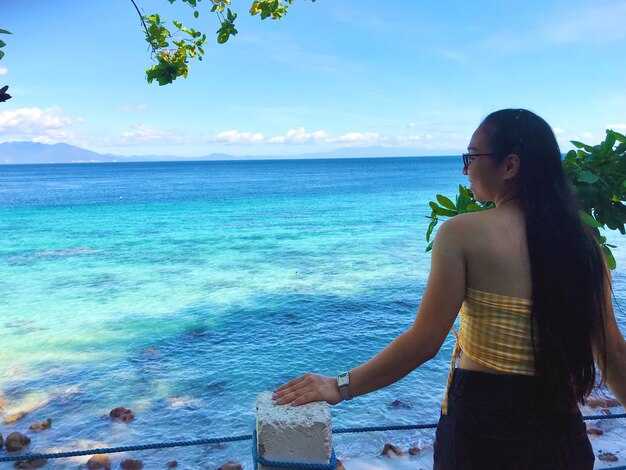
可能な限り、PPT(パペーテ)からRGI(ランギロア)への直行便を利用し、空の旅の時間を最小限に抑え、環礁での休暇を最大限に楽しみましょう。パペーテからの直行便は、間接ルートと比較して総移動時間を約1時間短縮し、繁忙期における乗り継ぎミスのリスクを軽減する傾向があります。.
直行便はPPT→RGI間で週に数便ございます。また、直行便の空席が少ない場合は、ボラボラ島(BOB)またはライアテア島(RFP)経由の便もご利用いただけます。ほとんどの便は午前または午後の早い時間帯に運航していますが、島間移動や現地の潮の満ち引きに合わせて、午後の出発便もございます。貿易風の季節は天候が悪化し、時刻変更や座席指定に影響が出る可能性があることにご留意ください。.
ランギロアへは、ボラボラ島またはライアテア島を経由するか、タヒチから直接行くことができます。ウツロアを経由する場合、通常は乗り継ぎ時間が長くなりますが、村のマーケットやライブ音楽、そして人里離れた地域の自然やビーチを紹介する地元業者の短いビデオなどを楽しむことができます。<ツアモツ環礁。ソーシャルグループや旅行関連ページでは、旅行者のジョンソン氏のような人からの情報が共有されており、直行便を利用することで時間を節約でき、出発当日の手荷物取り扱いの煩雑さを軽減できると指摘しています。.
まず、公開されているスケジュールを数週間前に確認し、出発の72時間前にも再度確認してください。航空会社のサイトにある予約プラットフォームでEチケットが発行されます。Eチケットのデジタルコピーはメールで届いているはずですので、必要に応じて旅行アシスタントに転送できます。特定のフライト時間や座席オプションについては、航空会社の公式サイトまたは信頼できる旅行ポータルを利用し、チェックインカウンターでの予期せぬ事態を避けるため、手荷物のニーズを考慮してください。.
計画に関する注記:ボラボラ島またはライアテア島での乗り換えには、柔軟なバッファーを設けてください。特に、ウトゥロアまたは近隣の村でアクティビティを計画する場合はそうです。短い乗り継ぎは、ランギロアの奥地のラグーンに到着する前に、地元の音楽や文化を体験できるため、全体的な体験が向上することがよくあります。より穏やかなアプローチをご希望の場合は、午前中の直行便を選択し、日中に到着して宿泊施設への移動や最初のビーチ散歩を容易にしてください。.
ヒント:ランギロア行きの航空会社のメールアラートに登録し、日程を変更した場合に再利用できる予約参照番号を依頼してください。利用可能なオプションを明確に把握することで、直行便と経由便を比較検討でき、休暇中に希望するセーリングやビーチでの時間を逃すリスクを軽減できます。.
実際には、時間を重視する旅行者の多くは、スケジュールが合えばPPT–RGI間の直行便を予約します。乗り継ぎ便が必要な場合は、BOBまたはRFPでの短い乗り継ぎを含め、時間に余裕を持った計画を立て、荷物を再確認なしで転送してもらえるか確認してください。ビーチに向かう前に、もう少し観光を楽しみたい方は、ウツロアに立ち寄るのも良いでしょう。それでも、1日目にシュノーケリングや豊かな海洋生物を楽しむ時間が十分に確保された状態で、ランギロアに到着できます。.
概要と洞察: ランギロアは、タヒチからの便の接続は良いものの、便数は限られており、手つかずの自然が残る、訪れる価値のある場所です。 ほとんどの便はeチケットで発券され、標準的な手荷物許容量が適用されます。悪天候でフライトがキャンセルになった場合、ほとんどの座席は次の便に振り替えられます。 サンプルのスケジュール、表、および実用的なヒントをご覧になりたい場合は、以下の表に現在のルート、標準的な所要時間、および乗り継ぎに関する注記を示します。.
| Route | Carrier | Typical duration | Frequency | 乗り継ぎの選択肢 | 荷物に関する注記 |
|---|---|---|---|---|---|
| PPT → RGI(直接) | エア・タヒチ | 1時間15分~1時間30分 | 週2~4回 | 承知いたしました。翻訳のみを提供します。 | キャビン持ち込み1個 + 受託手荷物1個(運賃条件による)。手荷物許容量を確認してください。 |
| PPT → BOB → RGI | エア・タヒチ | 2時間30分~3時間30分 | 時折の | ボラボラ島 (BOB) での乗り継ぎ | 荷物の乗り継ぎがある場合があります。乗り継ぎ時間をご確認ください。 |
| PPT → RFP → RGI | エア・タヒチ | 2時間45分~3時間45分 | Seasonal | ライアテア島(ウトゥロア)での乗り継ぎ | 移籍市場をチェック |
旅の覚え書き:ランギロア環礁は、人里離れた環礁、豊かなシュノーケリング、そして地元の音楽や料理を味わえる静かな村々を提供します。スケジュールについては前向きな考え方を持ち、コミュニティページに体験談を投稿した旅行者による最近の動画を見る機会を逃さないようにしましょう。特定の日付に不安がある場合は、航空会社のサポートにメールを送り、発券されたチケットを確認し、1、2日の調整ができるように余裕を持たせてください。このアプローチにより、実用的で発券済みの柔軟性が得られ、休暇を最大限に活用できます。.
ランギロアの宿泊施設:予算、雰囲気、ティプタ/アヴァトルへの近さで選ぶおすすめ
アヴァトル側に滞在すれば、ティプタ峠へのアクセスが最も早く、町の中心部への移動も簡単です。ラグーンにアクセスできる中級バンガローは、快適さ、朝食、シュノーケリング用具のバランスが取れており、2つの村の間を探索する時間を節約できます。.
ティプタ/アヴァトル周辺のお手頃価格の宿
アヴァトル地区の端にあるシンプルなペンションは、清潔な扇風機付きの部屋、共同キッチン、フレンドリーなホストを提供しています。料金は通常、快適な宿泊料金を下回り、朝食やキッチンへのアクセスが含まれていることが多く、行動的な場所に近いながらも費用を抑えることができます。ここに滞在する人は、ティプタ峠(自転車で10〜15分)へのアクセスが容易で、町の中心部で食料品や地元の料理を簡単に楽しむことができます。.
もう一つの予算重視の宿は、アヴァトルビーチの静かな場所に位置し、個室とベーシックな専用バスルームに加え、ティプタや村の市場まで足を伸ばせるレンタル自転車も利用できます。この宿は、シュノーケリングをするためのシンプルな拠点となり、早朝のボート乗船や、伝統料理やシーフード料理を味わえる少人数制の文化料理教室に参加する機会も提供しています。.
ランギロアの低予算滞在施設はすべて、快適さと安全性の基本的な要件を満たすことを目指しています。 негативних შეხვედრების შემცირების მიზნით, უახლესი სტუმრების მიმოხილვები წაიკითხეთ და მაღალი შეფასების მქონე მასპინძლები აირჩიეთ. それらは価値を求める人向けに設計されており、控えめな予算内に収まりながら、後で必要に応じてよりプライベートなバンガローにアップグレードできる可能性があります。.
ティプタ/アヴァトル周辺の中級およびブティックホテル
ミッドレンジやブティックホテルでは、より広いスペース、プライベートデッキ、ラグーンへの直接アクセスが重視されています。多くは水上バンガローまたはビーチフロントバンガローを備え、地元の料理と伝統に焦点を当てたレストランを併設しています。ティプタの入り江までの距離が短いため、早朝のスノーケリングや午後のドリフトが楽しめます。ほとんどの施設では、ガイド付きツアー、リーフへの訪問、器材のレンタルを提供しており、気分や体力に合わせて体験をカスタマイズできます。このレベルの宿泊施設では、街の中心部や入り江のアクティビティに近いながらも、リラックスした雰囲気を満喫できます。.
究極の多島巡りをご希望の旅行者には、ランギロア島とライアテア島(ライアテア)やオポア渓谷(オポア)を組み合わせるのがおすすめです。島間の移動は小型飛行機を利用しますが、所要時間は季節によって異なります。この概要は、快適かつ賢明な計画を立てるのに役立ち、快適さ、利便性、そして本物の体験を楽しみながら、最小限の手間で次の目的地に到着できるようになります。.
ランギロアで最高の体験:ラグーンツアー、サメとの遭遇、そして真珠養殖場見学
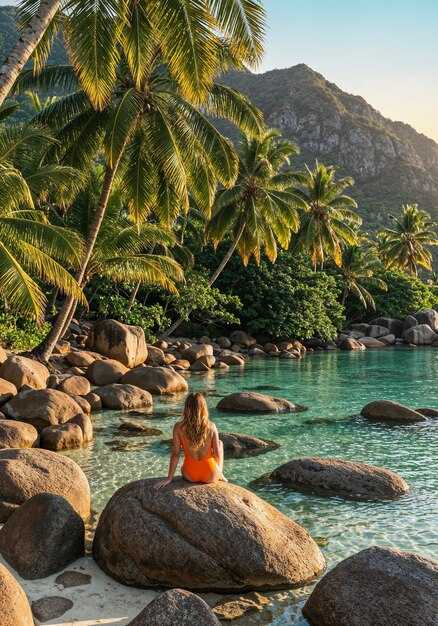
まずは、ランギロアの美しさを満喫できるラグーンツアーからバケーションをスタートさせましょう。パス・グライド、リーフパッセージ、そして真珠養殖場見学が含まれています。安全でフレンドリーなサービスを確実にするために、地元のクラブ連合が提供する少人数制のボートツアーを予約しましょう。西側の水路では、非常に透明度の高い水、緑豊かな環境、そして野生生物に出会えるはずです。.
ラグーンツアーとシャークエンカウンター
地元のクラブが運営する、少人数制の小舟ラグーンツアーを選びましょう。緑豊かな水路を滑るように進み、ターコイズブルーの水が深い青へと変化する様子を眺め、運が良ければ水路付近でネムリブカやエイを発見できるかもしれません。ほとんどのツアーは3~4時間で、シュノーケル用具のレンタルが含まれており、安全な見学台からは、近距離でありながらも敬意を払った観察ができます。料金は、内容やシーズンによって異なりますが、1人あたり約60~120米ドルです。冒険好きな方にとって、この形式は、混雑したスケジュールで長時間過ごすことなく、素晴らしい結果をもたらします。潮流によって水路が塞がれる場合があるので、事前に計画を立てておくと安心です。.
現地クルーが潮流や環礁の生態系を説明してくれる短い釣り休憩が含まれる旅程もあります。防水バッグとリーフセーフの日焼け止めをご持参ください。地元の人が環礁の生態系やラグーンの日常のリズムについて教えてくれます。このオプションでは、ランギロアがラグーンの生物を探求するのに最適な場所の1つである理由が明確にわかります。.
真珠養殖場見学と実践的なヒント
真珠養殖は、職人技と科学の融合です。近くの養殖場では、技術者が若いカキに核入れを行い、浅い水槽の中で真珠袋を観察する様子を見学できます。種から輝きまで、業者がどのように品質を管理しているかを学ぶことができます。見学時間は約60~90分で、小さなボタンからより大きく光沢のある真珠まで、様々な商品が展示されたショールームが含まれています。通常、1品あたり、またはツアーごとに料金が設定されています。この見学は、あなたの1日をより充実させ、一つの計画の中で場所や色を比較検討することを可能にします。.
ツアー後はお土産店でお買い物をお楽しみください。ガイド付きのテイスティングや短期ワークショップが開催されている場合は、ぜひご検討ください。団体やご家族で旅行される方には、ラグーンツアーとのセット料金を設定している農園も多く、全体の費用対効果を高めることができます。所要時間は約1~2時間で、旅の記念となるお土産をお選びいただけます。荷物をコンパクトにしたい場合は、西海岸からラグーンへの移動は、近隣の村々を探索し、地元の職人から忘れられない知識を得るのに適しています。.
ヒント:旅行と場所の探索に合うタイトな計画のために、両方の体験を1日に組み合わせてみましょう。売り切れを避けるために、事前に予約をしておきましょう。ランギロアのラグーンの生活についての統一された記憶と、コレクションの最後のピースができあがり、素晴らしい休暇にふさわしい締めくくりとなり、そこにある美しさ、あなたの旅のための美しさを思い出させてくれるでしょう。.
ランギロア旅行の実践的な準備:荷物、お金、安全、必要なもの、ヒント、現地のマナー
コンパクトな、サンゴ礁に優しい日焼け止めキットと防水バッグを準備しましょう。ランギロアのビーチでの日々には、通気性の良い素材と、潮風に強い信頼できるギアが欠かせません。.
パペーテからランギロアへのフライトは約40〜50分です。エア・タヒチまたは地元の航空会社で予約し、ストレスを避けるために、事前に手荷物制限と乗り継ぎ時間を確認してください。ワクチン接種済みの場合は、一部のツアーで特定のアクティビティへのアクセス許可のために接種証明書の提示を求められることがあるため、携帯してください。信頼できる運営会社からのビデオを事前に見て、環礁での昼と夜に合ったツアーを選びましょう。.
持ち物:
- シュノーケル用具:マスク、フィン、シュノーケル。ぴったり合うものがあればご自身のものをご持参ください。現地のツアー会社でレンタルも可能です。長時間のボートでの移動でも快適に過ごせるようにしましょう。.
- リーフセーフの日焼け止め(SPF30+)、リップクリーム、防水ポーチに入れた小型ボトル。水から上がったら塗り直してください。.
- 服装:速乾性シャツ、通気性の良いショートパンツ、水着2着、薄手の長袖ラッシュガード、薄手のレインジャケット。履物にはサンダルと、リーフに優しいウォーターシューズが含まれます。.
- アクセサリー:つば広帽子、UVサングラス、マイクロファイバータオル、防水スマホケースまたはドライバッグ、ユニバーサルアダプター付きのコンパクトなモバイルバッテリー。.
- 健康と基本: 救急セット、必要に応じて酔い止め薬、個人的な処方箋、重要書類のコピー。.
- 書類と安全: パスポート、旅行保険、コピー、カード紛失時の連絡先情報。主要エリアから離れた島へ移動する際は、貴重品をホテルのセーフティボックスに保管してください。.
- お買い物に便利なもの:市場やお土産用の再利用可能なバッグ、ビーチの屋台や真珠店での支払いに使える少額のXPF現金。一部の僻地の飲食店ではカードが使えないため、現金があると便利です。.
- 学習と計画:地元のガイドによるシュノーケリング教室で、安全な海流ルートを学びましょう。オフラインのビデオや地図をダウンロードして、事前に計画を立てるのも良いでしょう。.
- 装備の準備:ドライバッグと予備のマスクを必ず用意し、海岸線での長い一日に備えて、小型の日傘や傘を持参してください。.
お金のことと計画
- 通貨と現金:CFPフラン(XPF)。ビーチ、市場、タクシー用に十分な少額紙幣を携行してください。多くの場所で価格がXPFで表示され、ユーロまたは米ドルを受け入れる場所もありますが、現金が最も確実なオプションです。.
- カード利用と手数料:ホテルやレストランではVisaとMastercardが一般的です。一部の店舗ではカード手数料が加算されることがあります。予期せぬ事態を避けるため、支払い前に手数料についてお尋ねください。.
- ATMとアクセスについて:主要エリアにはATMの数が限られていることが予想されます。可能な限り多めに引き出して、ATMに行く回数を減らし、手数料が何度もかかるのを避けましょう。.
- 1日の予算の目安:カジュアルな食事は1人あたりXPF 1,200~2,800程度、高級レストランでのビーチフロントでのディナーはXPF 3,500~8,000程度、島内ツアーやアクティビティは場所やボートの種類によって1人あたりXPF 6,000~15,000程度から、真珠や工芸品の価格は大きく異なり、サービス料が含まれていない場合はチップが歓迎され、リゾートでのショーのスケジュールには追加料金が発生する場合があります。.
- 計画のヒント:ピークシーズン中は、フライトとリゾートを事前に予約しましょう。特にランギロアへのフライトは、天候やルート変更に柔軟に対応できるようにしましょう。計画が変更になった場合は、別の日での帰国便も検討してください。.
安全と現地のマナー
- 水難防止:水路付近での単独シュノーケリングは絶対に避けること。潮流や海流が強い場所ではガイドを雇うこと。小型ボートでは常にライフジャケットを着用すること。指定区域内にとどまり、警告標識に従うこと。.
- エチケットと行動:村では控えめな服装を心がける。家や小さなお店を訪れる際は肩を覆う。地元の人々には「Ia ora na」と笑顔で挨拶を。人や私有地を撮影する際は許可を得る。サンゴ礁を保護するため、サンゴや海洋生物には触れないようにする。.
- 観光と地域経済:地元のゲストハウス、小さなレストラン、ツアーを支援しましょう。チップが含まれていない場合は感謝され、リゾートでのショーナイトはスケジュールが合えば楽しめるでしょう。.
- 健康と予防接種:医療提供者の指示に従い、最新のワクチン接種を受けてください。必要に応じて、国際予防接種カードを携帯してください。環境保護のため、ボトル入り飲料水を飲み、リーフセーフの日焼け止めを使用してください。.
- 緊急連絡先:ホテルの連絡先と旅行保険の詳細を携帯し、現地の緊急連絡先番号も控えておくこと。安全のため、旅程を友人や家族に共有しておきましょう。.