


 日本語
日本語  English (UK)
  Русский
  العربية
  한국어
한국어  Magyar
  Türkçe
  Español
  Čeština
  Svenska
  Português
  Ελληνικά
  Suomi
Suomi  Nederlands
  Română
  Italiano
  Français
  Polski
  Українська
  Deutsch
  简体中文
简体中文  Slovenčina
 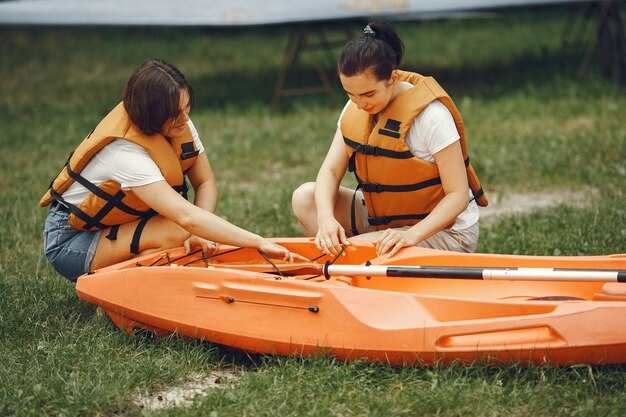 How to Introduce Your Children to Waterskiing – A Safe, Fun Beginner Guide for Parents">

Begin with a 15-minute safety briefing and a dry-land demonstration, then a shallow-water session with a certified instructor. For first-time skiers, especially younger children, a quick skills check ensures they are ready. Keep goals small: one successful ride, then a controlled stop, then a repeat with improved balance. This plan stays close to home in a calm lake or sheltered cove.
Choose a location wisely: a quiet lake near a city, not a busy river. Use a reliable, properly maintained boat with a trained operator. Equip them with a snug life jacket, kid-size skis or a beginner ski, and a tow rope around 60–65 feet (18–20 meters). For younger kids, a foam knee pad can help. The priority is comfort and safety, not speed. Pause if fatigue or fear appears, and ensure everyone stays within arm’s reach.
Water conditions matter: pick days with light breeze and minimal chop; begin near shore and gradually extend to deeper water as skills grow. A small, predictable wave helps a nervous child learn to stand, while large waves or gusts can be intimidating. If a child says they went upright or asks to stop, acknowledge feelings and switch to dry-land practice. The younger siblings, including girls そして teensそして young athletes often respond well when they see progress in peers, so set a realistic cadence for everyone involved. Think in terms of steps, not instant mastery.
Create a progression that blends dry-land drills with water-time: practice stance and knee bend on a dock, then simulate the start with a gentle pull from the boat. Use a speed range advised by the instructor–typically around 12–18 mph for younger kids, adjusted by weight and ability. Focus on creating balance, keeping the arms relaxed, and the rope taut with the handle at hip height. Keep sessions short for younger participants and treat each milestone as a part of your family routine.
Cross-training helps: short カヌー sessions in calm water build balance and core strength, and they ease the transition to waterskiing. This is especially useful for kids who are anxious about water. If you live in a city, plan a weekend that blends lakeside practice with a park visit. Coordinate with a local club or certified instructor to ensure ongoing supervision and safety.
Close the activity with a quick recap and celebrating small wins so everyone feels included. Remember that the aim is steady progress, not perfect form, and that younger siblings can join next time to keep things fun. If a child knew something about water safety, reinforce it; otherwise revisit the basics. With attentive supervision and a calm pace, this work becomes a routine you all share, filled with carefree water time together.
Parent’s Guide to Waterskiing
Recommendation: Start with a 60-minute session with a certified instructor on a calm lake outdoors. Have the kids wearing a snug, USCG-approved life jacket. Keep the first day slow and simple to prevent a daunting start, and use plenty of on-shore coaching between attempts. This beginner-friendly approach helps them feel ready and builds confidence.
Positioning matters: create a soft-knee stance with knees bent, hips over the feet, back straight, arms extended, and the handle close to the hips. Encourage them to keep shoulders level and to look forward. This simple positioning reduces wobble and accelerates progress compared with haste. Safe waterskiing requires calm hands and steady practice.
To build balance, mix water time with dry-land work. Try a paddleboard for stability drills between runs; it offers plenty of rest and a chance to reset. When theyre ready, begin short pulls at an easy speed, then test longer pulls as theyre improving, which is typically safer than jumping to a long pull. Encourage steady progress by praising trying and adjusting.
Ensure good supervision; never rush a child through a set. A simple rule: if theyre not ready, pause and reassess. Short tries at a time take less risk and yield steadier gains than pushing toward a long run that feels daunting. The aim is to keep the experience positive and inviting. If a parent worries, remember that kids wont improve without steady, positive practice.
Kids usually tried a few steps, then adjusted with a different position. Each attempt takes practice. If theyre ready, shorten the rope distance a bit or reduce speed; note what works and adjust. Keeping a basic plan helps them improving and keeps motivation high.
Pair the sessions with family support: theyre together when learning, so celebrate small wins as a group. A light, supportive tone reduces fear and makes sessions more fun for kids and parents alike.
Practical setup matters: bring plenty of water, sunscreen, hats, a paddleboard for rest, and spare clothes. Ensure the boat driver, spotter, and supervising adult all know the plan. Having good coordination lowers risk and helps keep focus on safety and progress.
Over time, you notice real progress: improvements in posture, balance, and timing. With steady effort, beginner becomes confident; the water feels less daunting and more enjoyable for the whole family. Keep the routine light, maintain safety checks, and watch the kids grow more capable with each session. It takes time, but the gains add up.
Assess Your Child’s Readiness and Basic Water Safety
Begin with a 15-minute pool acclimation under close supervision and a properly fitted, USCG-approved life jacket; if the girl youre guiding shows calm breathing, comfortable floating, and follows simple cues, you can move to shallow-water tasks.
Evaluate readiness in four areas: comfort in water, balance and movement, ability to follow directions, and stamina. Since every child varies, adding opportunities to try progressively more challenging tasks at a pace that stays slow and controlled. For most children aged 5 and older, this approach builds confidence without rushing.
Gear and access: use a proper life jacket, sized to the child with tight chest straps and a secure zipper. Choose a wide, calm area with easy access to a shore or dock for quick exits; bring sunscreen, water, and a hat for sun protection. Ensure every session has supervision by a team member and that you have a clear plan for emergencies.
Assign a lead adult to coordinate the session and maintain a safe perimeter. To build confidence safely, step through a plan. Example steps below create a path from acclimation to light towing, with a team approach to keep the focus on the child. This forward method yields unforgettable moments that motivate both kid and parent.
- Step 1: water acclimation in shallow water. Practice bubble blowing, gentle splashes, and floating with support; keep sessions slow and short.
- Step 2: buoyancy and body awareness. Practice back floats, chest breathing, and gentle leg movements while a helper maintains contact.
- Step 3: posture and readiness for pulling. Have the child sit, stand, and glide with minimal resistance; correct posture to minimize strain.
- Step 4: light pulling on tubing or guided tow. The child is pulled along the surface by a trained operator on tubing or a shallow tow; keep speeds slow and stop if fear or fatigue appears.
- Step 5: supervised short pulls with increasing distance. When balance improves, lengthen the pull gradually while keeping supervision tight and communication open.
Safety reminders: always have a qualified adult within arm’s reach; avoid windy or rough days for beginners. Reapply sunscreen every two hours and hydrate between attempts; never skip water breaks. If youre unsure, pause and regroup; youve got a team and a plan to try again safely at the next opportunity. If risk might increase, postpone the session and reassess weather and water conditions.
Alternative activities: If skiing isn’t ready yet, tubing or windsurfing provide safe opportunities to develop balance and confidence in wide, calm water.
Investing a few peaceful sessions now pays off with more confident, safe experiences down the line. If youre unsure, remember that steady progress matters more than speed, and every small improvement adds to an overall, unforgettable experience for your child.
Choose Beginner-Friendly Equipment and Fit
Begin with all-around beginner skis that have a wide platform and a soft edge, and pair them with a snug, USCG-approved life vest and adjustable bindings. Our family loves this heroic, friendly setup, which makes the first waterskiing steps smoother for kids and adults alike, and invites more adventures on the lake.
Try on several sizes and test fit in the store or at the dock: bindings should hug the boot without pinching; when the heel is pulled up, the binding is too loose; the boot looked centered and you should be able to flex the knee. If you tried standing with both feet in the bindings, you’ll feel the stability in the base. Use a simple hand signal with the observer to coordinate a safe start.
Tips for selecting gear: choose all-around skis with a broad tip and a mild rocker; this offers sound planing and easier getting up in good waters. Use weight-based charts from the maker and ensure bindings fit snugly so the foot stays put. A 60–70 ft tow rope helps beginners, along with gloves and a padded handle. When sharing the lake with a canoe, watch for the paddle in the water and keep to the safe zone; wind can shift conditions, Planning ahead helps. This equipment offers a stable path into waters adventures and keeps learning lively and safe.
Maintenance keeps this setup sound; after each session, check screws on bindings, inspect the ski edges, and dry equipment to avoid rust. This keeps things looking good and ready for the next run. For younger skiers, ensure the jacket and helmet still fit as growth occurs; renting before buying helps you test fit as you’re getting back into the water.
With this plan, parents guide a simple introduction to waterskiing that respects kids’ pace and adds a sense of exploration to their day on the lake. They can begin with friendly gear, follow tips, and celebrate each milestone as skills improve and confidence grows.
Structure a Gentle First Session: Location, Pace, and Supervision
Choose a calm, shallow-water location near a sandy shoreline, with minimal boat traffic and a gentle grade to exit. This setup gives first-time kids a secure start, especially when an instructor or experienced parent guides them and all participants wear jackets for buoyancy.
Set a steady pace that favors learning over speed. Start with a quick demo, then 2-3 short pulls, each block lasting 5-7 minutes on the water with a long rest between attempts. For a starter, keep total on-water time under 20 minutes and progress only if the child enjoyed the first pull. Maintain a forward stance on the skis and avoid abrupt acceleration, so kids enjoy the motion without fear.
Assign one trusted adult as supervisor who keeps close contact, uses simple hand signals, and stays in sight of each child. We ourselves stay alert for signs of fatigue and adjust the plan as needed. Have a plan for rest and water breaks, sunscreen, and snacks. Every kid wears a jacket and a properly fitted vest. Positioning the boat to give a clear wake-free zone and maintain a safe distance from swimmers. If someone paddled back to shore, check how they feel and adjust the pace or time on the water accordingly.
Plan the supervision around a consistent routine that includes each child getting a turn, whether the child is a girl or a boy. In summer, the sun stays strong, so schedule breaks every 10-15 minutes and offer water. Choose a shady spot, a nearby dock, and a flat, wind-sheltered area for gear checks. You can invite family friends like rova and astrids to watch from the shore; their presence helps the young skiers stay relaxed and progress. Pack extra jackets and a spare set of clothes for after the session.
Teach a Simple, Safe Water Start and Post-Start Cues
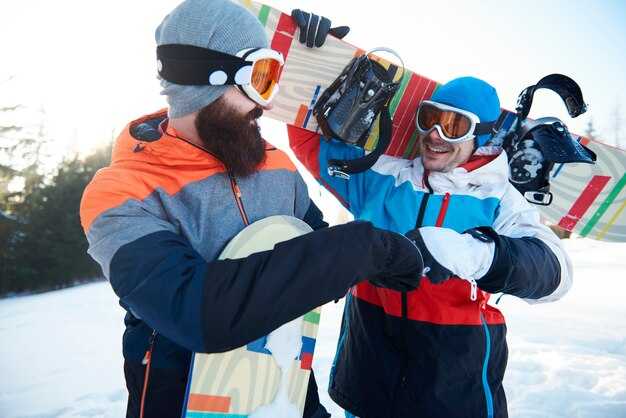
Start with a two-part water start: set a low, wide stance with knees bent, hips under your shoulders, and weight toward the back foot; grip the tow handle firmly with both hands, elbows relaxed, arms extended but not locked; keep the board edge flat and eyes forward toward the coast. As the boat accelerates, rise smoothly by pushing with the back leg and lifting the hips, staying conscious of balance and keeping the front knee soft. Do this with steady breathing and rhythm, doing it into a wave-free flow so the pull feels natural rather than abrupt.
Post-start cues keep you upright and stable: stand tall with the spine neutral, shoulders square, and gaze forward; let arms stay soft and the handle move with your chest. Shift your weight gradually from back to mid-foot as speed grows, keeping the board flat and maintaining a gentle knee bend to absorb bumps from the wake or ground. If you lean back, reset by lowering your hips and re-centering toward the midline; generally, small, deliberate adjustments beat big, last-minute corrections. Always breathe evenly to stay calm through the ride.
Parents can act as ambassador for safe, enjoyable learning–especially in schools where astrids become ambassadors and involve girls and boys. One parent can be the ambassador for the day, making instructions clear and upbeat. Want kids to discover confidence? Hoping for a program that gives steady steps, always keep cues short, repeatable, and positive, and use snorkeling imagery to make the feeling tangible. Still, the approach should be conscious of each kid, because starting on the water can feel daunting; with steady guidance, kids become more comfortable, and the activity remains involving and fun for both kids and families. astrids and other volunteers appreciate the trust families place in them, and that support gives kids a reason to look forward to every session.
| Cue | Action | Common Mistakes | Tips |
|---|---|---|---|
| Pre-start stance | Feet shoulder-width apart, knees bent, weight toward the back foot | Arms tensed, back rounded | Relax shoulders, engage core, keep eyes forward |
| Pop to stand | Boat accelerates; drive with the back leg, lift hips, keep board flat | Rushing the rise, popping off-center | Stay vertical, synchronize hips and shoulders with the boat |
| Post-start balance | Back to mid-foot weight, slight knee bend, tall spine | Leaning backward, locking knees | Breathe, small adjustments, stay relaxed |
| Arm/hand position | Hands at waist level, elbows soft, handle near chest | Locking elbows, gripping too high | Keep grip light, let torso guide the move |
| Gaze and breath | Look forward along the boat line, steady breaths | Looking at board, shallow breathing | Reset every few seconds with a calm exhale |
Keep Motivation High: Fun Games, Short Sessions, and Milestones
Keep sessions to 12–20 minutes and finish with a milestone that marks progress. Always provide jackets and pink gear for visibility, so theyll stay comfortable and engaged during water time, and choose excursions that match wind conditions for a confident start.
Design quick, enjoyable games with clear rules that build skill while staying family-friendly. For example, aim for a pink buoy within a set zone, call out which direction to steer during short pulls, or count seconds of glide and reward effort with a sticker. These activities provide knowledge and guidance, keeping the session enjoyable and conscious of safety.
Keep the pace with little goals; little wins fuel motivation. Short sessions reduce fatigue and help kids stay forward and ready for the next steps. Use aids like a light tow rope or a small board to support beginners, and adjust line length to comfort so everyone stays engaged.
Milestones give tangible progress. Start with stand-up, hold balance for 3–5 seconds, glide 5–8 meters, and stop smoothly in the marked area. Track these steps on a simple chart and celebrate each achievement with a family cheer. This approach stays friendly and provides structure that keeps momentum high.
astrids enjoy family excursions and appreciate guidance that respects their pace. Let them pick little goals each week, and provide concise knowledge about safety rules, which keeps motivation high and the sessions forward-looking. By keeping jackets ready, offering safe aids, and maintaining a friendly tone, you create unforgettable days on the water for the whole family.