


 日本語
日本語  English (UK)
  Русский
  العربية
  한국어
한국어  Magyar
  Türkçe
  Español
  Čeština
  Svenska
  Português
  Ελληνικά
  Suomi
Suomi  Nederlands
  Română
  Italiano
  Français
  Polski
  Українська
  Deutsch
  简体中文
简体中文  Slovenčina
 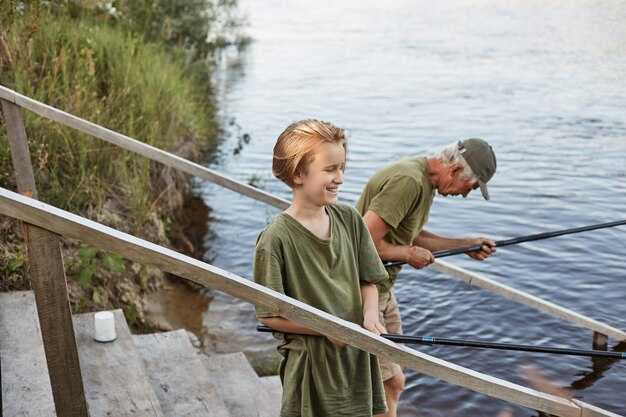 How to Avoid Seasickness on a Fishing Boat – 8 Practical Tips">

1. take meclizine with a light snack roughly one hour before you depart to blunt the onset of nausea on the water. your intake should be planned, and you can adjust the dose by weight and tolerance as needed.
2. Place yourself toward the center and forward on the craft; keep your gaze level toward the horizon and avoid looking below deck where motion is more predictable; those adjustments reduce the acceleration felt by the vestibular system.
3. Snack lightly during the voyage with options like pretzels, crackers, or fruit; through the day, nibbling in small portions helps staying feeling steady on long trips.
4. Skip heavy meals before the voyage; opt for gentle, easily digestible options to reduce gastric load, especially if you have years of exposure to rough seas.
5. Hydration matters: sip water regularly to support your system and monitor your intake; avoid dehydration as a trigger for nausea.
6. If you are new to these trips, start with shorter runs to gauge what works for yourself; specifically, adjust pacing and cabin temperature to reduce stress through the day.
7. Embrace a gentle routine: breathe evenly, stay outdoors when possible, and keep a steady gaze on the horizon; gentle movement and light stretching help prevent queasiness between tasks.
8. Build your own kit of monitoring cues from years of trips: note what triggers discomfort and adapt your intake and rest periods through careful planning; staying proactive will keep you feeling capable, confident, and ready to handle rough waves.
Practical strategies for anglers to stay steady on deck
Stand with feet shoulder-width apart, knees slightly bent, core engaged, and one hand gripping a stable rail; this stance will keep your upper body steady as cruising begins and swells roll through the deck.
Fix your gaze on the horizon and maintain a constant head position; a steady line of sight reduces the onset of queasiness, and avoids unnecessary shifts near the wheel.
Control breathing: slow, deep breaths, in through the nose and out through the mouth; anxiety, typically a trigger, is alleviated when you keep breathing steady.
Wear non-slip footwear and secure gear to minimize movement; essentials like a compact harness, a whistle, a small first-aid kit, and a bottle of water belong in a chest pocket to prevent unnecessary shuffling.
Move with discipline: limit sudden steps, plan routine tasks, and coordinate with crewmates; these options reduce nausea chances and let you stay focused, even when others need to pull hard on the line; if theyre moving, you adjust with minimal crossing.
All-natural remedies such as ginger, peppermint tea, or acupressure bands can provide relief with minimal side effects; medicine options are available if discomfort returns, but choose medicine options with care.
Positioning relative to the wind and spray matters: face slightly into the wind, keep a low stance, and avoid leaning into gusts; winds can be a primary trigger for imbalance. If you want to minimize risk, adopt this posture.
Manage conflict of motion by keeping a routine: lock in a single task at a time, and shift attention to the world around you or the wonders of the sea to stay engaged while movement occurs, know what your body signals and adjust, which boosts enjoyment.
Horizon checks paired with hands near the wheel provide a natural reflex to stabilize; if you must adjust, do so in small increments and keep three-point contact with a rail, says a seasoned deckhand who understands calm balance.
Onset of queasiness can return; if that happens, sit, hydrate, and reassess food intake; the chances of a full setback drop when you stay disciplined and rest periodically.
Pre-boat meals and ginger snacks to settle the stomach
Eat a gentle, balanced snack 1.5–3 hours before departure and choose options that sit well on the stomach: toast with a light spread, warm oatmeal, or yogurt with crackers. plenty of fluids, especially water, support digestion and reduce nausea before the first swell.
Ginger is a natural helper: candy choices such as ginger candies or crystallized ginger provide a steady effect. Take one or two pieces 30–60 minutes before heading out; theyre easy to carry and won’t weigh you down when the deck starts rocking. If you prefer, ginger tea offers a soothing alternative, but candy is quick and portable in light winds.
For preventative relief, over-the-counter medicine can be considered after a quick consult with an experienced clinician or pharmacist. Use according to the label and avoid mixing with alcohol. This option can enhance comfort by reducing nausea signals before they peak, helping you stay on deck longer and safer.
Technique matters: chew each bite thoroughly, eat slowly, and vary meal timing with sea state. A small, steady intake combined with a candy or fruit, plus a light beverage, helps keep the stomach calm as the rocking increases. If symptoms appear, have plenty of options ready: candy, crackers, fruit, and medicine if approved. Points to consider include choosing foods that stay stable in your stomach and keeping a few strategies in your pocket for varying conditions.
Most scenarios show proactive choices reduce nausea; when used consistently, the effect tends to disappear quickly, or at least feels manageable, increasing your chances to stay on task and help the crew. Experienced hands know that gentle foods and ginger snacks can be a reliable first line, improving your ability to enjoy the trip.
Choose a stable stance and keep eyes on the horizon
Stand with feet shoulder-width apart, knees softly bent, weight centered, and chest open. This easy alignment dampens pitch and roll, stabilizing your center and maintaining comfort during long watches. Keep your gaze about 20–30 degrees above the horizon to anchor your senses and reduce disorientation. These experiences, such as mild nausea, are commonly mitigated by proper stance.
- Gradually adjust your stance as the sail shifts: small 5–10 degree corrections keep balance without triggering abrupt motion. Never snap into position; smooth transitions lower the risk of vomiting and fatigue.
- Fix your reference: steady gaze toward the horizon, avoid following fast-moving gear from the deck or nearby objects, and keep the head and eyes aligned with the line of sight. This light focus gives steadiness to your inner system.
- Secure your body: place a hand on a rail or lip of the cockpit; keep shoulders relaxed and avoid tensing, which amplifies signals of motion.
- Hydration and sugar remedy: sip water regularly; a small sugar-containing snack helps maintain blood sugar and reduces nausea. If you feel dizzy, take a break and breathe slowly.
- Breathing and pacing: use slow, deep breaths–inhale through the nose, exhale through the mouth–to support the body’s response and lessen seasick sensations.
- Prepare for shifts: pack a compact kit with hydration fluids, sugar lozenges, and a lightweight fan or shade to keep light from triggering eye strain and to maintain comfort against glare.
- Know when to seek help: if youre experiencing persistent disorientation or vomiting or if symptoms worsen, stop and inform the crew; a doctor may suggest a different remedy or position.
Onboard natural remedies: ginger, peppermint, aromatherapy, and acupressure bands
Take ginger before heading into the swell: 250–500 mg capsules or chewable strips, 1–2 doses before departure; theyre easy to store in pockets or seats, and the taste is brisk enough to settle the mouth, which gets you through rough seas. Ginger blocks brain signals and gut triggers, significantly reducing vomiting risk during cruising, because the active compounds interact with receptors in the brain. Hydrated waters help the effect through the journey, so sip water after ingestion to maintain fluids and comfort.
ペパーミントは、お茶、カプセル、または携帯用吸入器として摂取すると、穏やかな制吐剤として作用します。ペパーミントオイルは胃を冷やし、味見したり吸い込んだりすることができ、香りはほとんどの船乗りにとって容易に許容されます。具体的には、ペパーミントは脳を落ち着かせ、初期段階での吐き気を軽減し、クルージングを不安を軽減します。休憩中に少量のお茶を飲み、水分補給と安定した呼吸をサポートしましょう。.
デッキでのアロマセラピーでは、ペパーミント、柑橘類、またはラベンダーを使用したコンパクトなディフューザーやパーソナルインハラーを使用します。感覚を圧倒しないよう、香りを軽く保ち、穏やかな香りは視線を水平線に固定し、めまいを防ぐのに役立ちます。アロマセラピーは、重い薬なしに快適さを高める予防措置として機能し、湿ったキャビン内でも持ち運びが簡単です。.
アキュプレッシャーバンドは、内腕のP6点に穏やかな圧力を加え、広く研究されている予防策です。 荒れた海中でも快適で所定の位置に留まるため、座席と立っている状態の両方で実用的です。航海中に身に着けていると、嘔吐の衝動を抑え、水分を補給し、脱水症状によって引き起こされる可能性のある悪心を軽減します。 サンフランシスコを拠点とするサプライヤーの中には、運動の期間の前、中、後に容易に使用できるバンドとストリップのコンパクトなセットを提供する企業もあります。.
水分補給、呼吸法、そしてデッキの新鮮な空気
クルージング中は、少量ずつこまめに水分補給を行い、タイマーに紐づけて習慣化しましょう。15分ごとに150~200mlを目安に飲むことで、体液レベルを安定させ、急なめまいを防ぎ、症状が現れる前に予防するのに役立ちます。.
旅行中は、コンパクトなボトルを手元に置き、自分のペースに合ったリズムを計画してください。もしご希望であれば、糖タブレットは船上でエネルギーを維持するための簡単なオプションです。.
ポケットに砂糖のタブレットを携帯し、素早いエネルギー源として利用します。この簡単な対策は、航海中の急激な血糖値の低下を防ぐのに役立ちます。素早いブーストを好む人には、これらのオプションが長距離航海中に手元に置いておくことができます。.
胃を落ち着かせるために、3回呼吸サイクルを使用します。鼻から4秒かけて吸い込み、2秒間保持し、唇をすぼめて6秒かけて息を吐き出します。穏やかだと感じても、3サイクル繰り返してください。これらの効果とペパーミントティーは、揺れる甲板上で快適に過ごせるように徐々に作用します。.
デッキでの新鮮な空気は重要です。気分が悪くなったら、5分程度の時間を外に出て、風に向かって立ち、頭を心よりも高く保ちましょう。クルージング中に取るこれらの短い休憩は、徐々に不快感を軽減し、バランスを改善します。スタンは、プログラムにこれらのオプションを用意することで、長時間の航海中に快適に過ごせる、と指摘しています。.
それぞれの旅人が海を異なる経験するので、このリズムを自分の耐性と自分のペースに調整してください。 各調整は、あなたが予想以上に、安定を保つのに役立ちます。.
医療上の問題やご質問がある場合は、このルーチンを開始する前に医師に相談し、ご自身に最適なプランに従ってください。各参加者はリズムを調整する必要がありますが、基本的な考え方は同じです。水分補給、制御された呼吸、そして屋外での過ごし方が、あなたを地に足をつけて保ちます。.
| Action | How to do it | Benefits |
|---|---|---|
| 水分補給のタイミング | 15分ごとに150〜200mlを飲み、砂糖のタブレットを手元に置いておいてください。 | 体液とエネルギーを安定させ、めまいを防ぎます。 |
| 呼吸パターン | Three-count cycle: inhale 4s, hold 2s, exhale 6s; repeat three cycles | 内耳を鎮め、吐き気感を軽減します。 |
| 屋外時間 | デッキに出て数回5分間の時間を取り、風に向かい、必要に応じてペパーミントのアロマを使用してください。 | クルージング中の循環と快適性を向上させます。 |
| Remedies & extras | ペパーミント、数個の砂糖菓子、小さな扇子を携帯し、休憩を徐々に取ってください。 | より早く気分を良くするための既製のオプション |
| 安全に関する注意 | 症状が続く場合は、医師に相談してください。必要に応じてテンポを調整してください。 | 安全と適切なケア |
休息、カフェイン摂取のタイミング、および光への暴露による疲労予防
セイル中、一定のスケジュールと落ち着いた時間帯の短い昼寝を最大限に活用して、集中力を維持しましょう。陸上では、7~9時間のコア睡眠を目指します。それが難しい場合は、20~30分の昼寝が、強い睡眠慣性なく注意力をリセットできます。十分な暗さ、静かな空間、通気性の良い衣類、そして安定した温度を作り出すことで、回復をサポートし、頭痛のリスクを軽減できます。.
目的を持ってカフェインを計画する。100〜200mgの速効性用量は、15〜30分で急速な効果をもたらし、疲労が残る場合は通常の用量を摂取します。イライラや睡眠障害を防ぐために、1日の総摂取量を400mg以下に抑え、夜遅い時間の使用を制限して、体内時計の安定と監視中の持続的なエネルギーを維持します。水分補給と快適さを維持するために、カップとカップの間に水を飲むことを好みます。.
明るい光の合図はサーカディアンクロックをリセットします。起床後最初の1〜2時間以内に屋外の昼光を求めて、注意力と疲労防止を高めましょう。太陽が少ない場合は、2,500〜5,000ルクスのランプで20〜30分間のセッションで代用できます。眩しさのためにサングラスをかけ、デッキでは快適のために帽子をかぶって、気分と集中力を保ちましょう。.
ジンジャーは、乗り物酔いを和らげ、長時間の監視中の快適さをサポートする、人気のある自然なオプションを提供します。通常の用量は、耐性と反応に応じて1〜2g/日です。速効性のジンジャー製剤は、快適さを助け、長時間の甲板勤務中の頭痛のリスクを管理するのに役立つ場合があります。.
スタン、乗組監督は、固定された休息、測定されたカフェイン、そして明るい光の合図を用いた予防的なアプローチが、見張りサイクルを整え、疲労のリスクを下げることに注目している。.
エネルギーと気分を維持するための効果的な方法がいくつかあります。固定された休息、計画されたカフェインのタイミング、そして時間管理された光への曝露です。これらは疲労を防ぎ、旅を楽しむのに役立ちます。.