


 日本語
日本語  English (UK)
  Русский
  العربية
  한국어
한국어  Magyar
  Türkçe
  Español
  Čeština
  Svenska
  Português
  Ελληνικά
  Suomi
Suomi  Nederlands
  Română
  Italiano
  Français
  Polski
  Українська
  Deutsch
  简体中文
简体中文  Slovenčina
 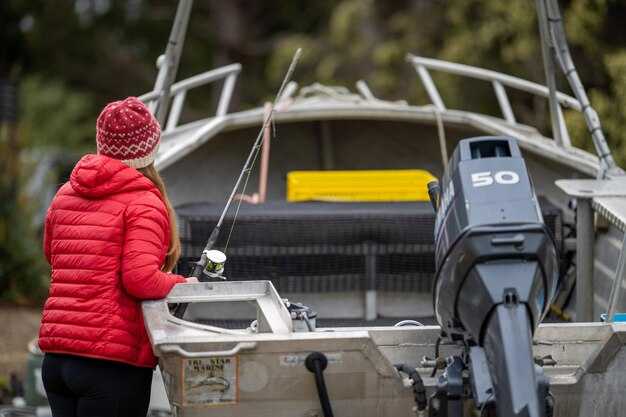 How a Trolling Motor Works – A Practical Guide for Boaters">

発射前にバッテリーをフル充電し、アイドリング時に電圧が12.5V以上を維持していることを確認してください。安定した性能を維持するために必要です。. コンソールでステータスを簡単に確認することで、水上での残りの容量を評価でき、おそらく風の変化を追いかける時間を費やす必要がなくなります。.
建設用語では、コントロールヘッドは入力をステアリングコマンドに変換します。ドライブは、専用バッテリーからの低電圧で作動するように構築されたDCユニットです。A ブラシをかけた 設計はコストを削減できる一方で、 ブラシレス セットアップは、メンテナンスが少なく、より高いパフォーマンスを提供する傾向があります。この選択は、影響を与えます。 ステアリング 感じとユニットのバランスを、測定できる pounds トランサムに。ブラシ付きとブラシレスのどちらを選ぶかは、価格と寿命のトレードオフを考慮することをお勧めします。.
メンテナンス まずはコネクターを清潔に保ち、マウントをしっかりと固定することから始めましょう。プロペラとシャフトに腐食、緩んだファスナー、または磨耗の兆候がないか確認してください。絶縁材の破れやハウジングのひび割れに気付いた場合は、制御不能や航海中の姿勢変化を引き起こす可能性のある大きな問題を防ぐために、消耗した部品を速やかに交換してください。.
To maximize performance 水上では、消費電力を最小限に抑える速度設定を選択し、必要以上にスロットルを押し込まないようにしてください。浮遊中は、監視を行ってください。 ボルト 一貫した充電サイクルを維持することで、予測可能なハンドリングを実現し、午後の遅い時間に風が吹く際の問題を軽減します。より良い結果が得られるでしょう。 maneuver そして ステアリング ユニットが強固なマウントに設置されている場合は一貫性を保ちながら、進路のずれを予測して先を見据えます。.
交換部品の計画と定期的な点検は、多くのフラストレーションを回避し、経済的な負担を軽減します。船尾に追加する重量はトリムに影響を与えるため、取り付け金具とプロペラのバランスを確認してください。わずかなアンバランスでも船の直進性を損なう可能性があります。消耗部品を交換する場合は、負荷、消費電流、および新しいユニットがどのように効率を向上させるかを比較検討してください。目標は、信頼性を維持しながら支出を最小限に抑えることです。.
トローリングモーターの種類:トランサムマウント vs バウマウント
推奨:トランサムマウント型は、迅速な展開、軽量性、およびデッキスペースが限られた塩水環境の船舶における簡単な回路管理を実現します。バウマウント型システムは、より長いリーチ、より安定した操舵、および大型船体での洗練された制御を提供します。したがって、選択は船舶の全長、デッキレイアウト、および釣りのスタイルにかかっています。.
トランサム取り付けの必需品:
- タイプ:船尾装着型ユニット;シャフト長は通常30~36インチ;コンパクトな形状は浅瀬や船尾からのキャスティングに適している;海水による腐食や乱暴な扱いに耐えるように設計されている。.
- 推進力と推力:小型艇では通常30~55 lbの推力、中型艇では最大70 lbの推力;電力回路の消費は控えめで、標準的な船舶用バッテリーで容易に供給可能。.
- 操作とアクセサリー:ベーシックなフットペダルまたはワイヤレスリモコン。シンプルな回路を使用。必須アクセサリーには、クイックリリースマウントプレート、耐腐食性フィッティング、およびバッテリーモニターが含まれます。.
- 作業条件と問題点:素早いリーチは変化する風に対応可能;リーチの制限は強い潮流での効果を低下させる;長いサイクル時間はバッテリー寿命に影響;船尾からのキャスティングが一般的;問題点として、岩場でのプロペラ破損リスク、塩分沈着物の蓄積など。.
バウマウントの必需品:
- タイプ:バウマウント型ユニット;シャフト長はリーチを伸ばし、プロペラをよりクリーンな水中に保つために長くなっている;多くの場合、海水用に強化されたハウジングとより強力なシールを備え、重量がある;リモコンでコックピットから制御するように設計されている。.
- 出力と推力: 大型機では70~112+ lbの推力が一般的。電力回路への要求が高くなるため、より大容量のバッテリーを推奨。.
- 操作・付属品:ワイヤレスリモコン、フットペダルオプション、速度調整プリセット。必須機能はバッテリー残量計、防水スイッチ、最小抵抗設計。付属品には、取り付けプレートとクロスバーが含まれます。.
- 作業環境と問題点:風のドリフトがより安定している。一部の船体には堅牢な設置が必要。長いシャフト長は荒れた海況でのリーチと操舵の維持に役立つ。問題点としては、重量、配線の複雑さ、塩水環境でのメンテナンスなどが挙げられる。.
選択基準
- ボートの長さと重量:短い船体はトランサムマウント、長くて重い船体はリーチが長く操舵性が向上するため、バウマウントが適しています。.
- 水の状態:海水や強い流れでは、頑丈なシールとより高い推力が必要となります。潮流が強く、遠距離からの安定した操作が必要な場合は、バウマウントが優れています。.
- 長さとリーチ:シャフトの長さは、波の中でプロペラが船体をクリアに保つようにする必要がある。取り付け点から水面までを測定する。露出した場所では、リーチの長さが重要になる。.
- 電力需要とサイクル寿命:トローリング時間とバッテリーのサイクル寿命を見積もり、速度、耐久性、回路保護のバランスが取れたユニットと組み合わせます。.
- 必須機能:遠隔操作、ワイヤレス接続、バッテリーインジケーター、クイックリリース取り付け、腐食保護。電源が船体配線と一致していることを確認し、塩水環境での保護を過小評価しないこと。.
- 予算と付属品:取り付け金具、スペア部品、長期的なメンテナンスを考慮し、プロペラガードや取り付けブラケットなど、作業性を向上させる付属品の追加を計画してください。.
概要:システム全体の性能は、推力とリーチを船体長、水の状態、および希望する制御スタイルに適合させることに依存します。船尾または船首への配置の選択は、シャフトの長さ、プロペラのリーチ、および効率を高めるアクセサリによって決まります。.
取り付けの基本:トランサムマウント vs バウマウント、そしてボートへの適合
予算とシンプルさが重要な場合はトランサムマウントを選択し、精度と長時間のキャスティングセッションが重要な場合はバウマウントを選択してください。.
船体のタイプ、幅、トランサム高、喫水線を把握する。シャフト長のオプションは通常30、36、42、52インチ。展開時にプロペラが水面下4〜12インチになるようにする。この設定により、効率的に推力をサポートし、キャビテーションを低減できます。.
トランサムマウントは船尾に設置され、コックピットからギアを遠ざけ、引っ掛かりのリスクを軽減します。この配置はバスボートの安定性を高め、軽量構造に適しています。.
電源接続は常にアクセス可能で、走行間の充電が可能です。.
バウマウントは、風や流れにより精度が求められる際に、高い推力と正確な制御を提供します。バウハードウェアと頑丈な取り付けプレートが必要です。長めの配線とコントロールボックスのスペースが必要になることが一般的です。モーターガイドのコンポーネントは、静音性と堅牢な電力管理といった特長を際立たせています。.
目安として、推力はあなたの計画に合わせましょう。一般的なサイズのバスボートには55~80lbの推力が適しており、大型のボートには80~112lbが必要になる場合があります。シャフトの長さは、プロペラが水面下によく浸かるように考慮し、ギア、バッテリーの重量、キャスティングスタイルも考慮してください。.
必要に応じて部品を交換する。シャフトやプロペラは使用とともに摩耗する。部品を交換することで、よりスムーズな動作と信頼性の向上が得られる。アライメントをチェックする。高品質のギアはリスクを軽減する。.
電気工事士は、配線、回路保護、および充電が安全に実行されるように支援できます。専用回路を使用すると、電気的ノイズが軽減され、バッテリーの寿命を保護できます。.
Boat-ed取り扱いヒント:手軽さと予算を重視するなら、小型ボートではトランサム設置から始めるのがおすすめ。操作性と固定精度を優先するなら、バウマウントにスケールアップしましょう。バッテリー、充電器、シャフトの長さがBoat-edの目的に合っているか必ず確認してください。.
速度と操舵:スロットル、プリセット、および正確な位置制御
クイックで正確な位置決めのためのショートスラストプリセットを固定し、それを基準として、ショートドリフト、バランスホールド、長距離リーチの3つの保存されたプロファイルを切り替えます。このシンプルなセットアップは、速度を追い求めることなく、ターゲットに確実にヒットさせるのに役立ち、風の強い状況でもアプローチを多様かつ正確に保ちます。.
スロットルは少しずつ操作してください。各ノッチの正確な推力を把握していれば、毎回目標地点に着陸できます。深層サイクル電源の場合、頑丈なバッテリーとクリーンな接続があれば、風が強まったり変化したりしても、安定した性能を発揮できます。.
ワイヤレスリモコンは、コントロールに触れることなく推力を調整する手段を提供します。突然の低下を避けるため、電源が安定していることを確認してください。微調整の不足は、メモリプリセットと微調整に頼ることで回避されます。.
ケーブルがコックピットを散らかすことがあります。ケーブルは、波にぶつかったときに引っかからないように、整理して固定してください。シンプルなレイアウトがお好みの場合は、ワイヤレスオプションを使用すると、操作がクリーンになり、時間を節約できます。.
内蔵されたプリセットとスポットロックを備えた MotorGuide モデルは、正確な操作を支援します。 この機能が内蔵されていることで、釣り人の学習曲線を短縮できます。.
小型ボートは、より軽い推力と微調整への迅速な反応の恩恵を受けます。風の強い状況下では、短い噴射で漂流を修正してください。.
電話制御やワイヤレスハンドヘルドオプションを使用すると、コックピットから操作できます。これにより、飛行中に推力を調整し、位置を維持できます。.
風、潮流、推力の相互作用を学ぶことで、全体的な結果が向上します。練習を重ねることで、正確な方位を捉え、水上での時間を節約できます。.
予備のディープサイクルバッテリーを保管しておきましょう。容量を増やすことで、稼働時間を長くし、電力損失のリスクを軽減できます。.
推進機駆動部:プロペラ、ギアケース、シャフトの相互作用
船体重量と目標RPMに合わせて直径とピッチが適合したプロペラを選択し、取り付け時にギアケースがシャフトに適合することを確認してください。この調整が性能に直接影響します。.
プロペラ形状はギアケースへの負荷を決定します。ピッチが強すぎると荒れた波で失速し、ギアケースの熱を上昇させ、一方、弱すぎると最高速度が低下します。組み合わせが不適切だと低速時の操作性が悪化し、安定したコンボを絞り込むと効率とベアリング寿命が向上します。振動が大きくなる場合は、ブレードのバランスを調整してください。.
初心者には、船体とパワーの予算に合った小型でシンプルなオプションが有利です。ハイブリッドドライブを選択すると、重量、効率、トルクの柔軟なバランスが実現します。.
必携のゲージは、チューニングのガイドや、取り付け時の振れやアライメントの確認に役立ちます。防水シールの検証や、潤滑と耐腐食性をサポートするためのギアケースの構築も保証します。.
メンテナンス不足やバランスの崩れはリスクを高めます。短く定期的なチェックは、ずれや水上での破片の衝突を示す兆候を把握するのに役立ちます。ディープサイクルバッテリーは安定した電流を供給します。コンパクトでシンプルな構成を選択することで、設置が容易になり、デッキ上の人のリスクを軽減します。低速でテストを実行し、必要な調整を示す兆候を把握することで、パッケージの信頼性と破片の衝突に対する安全性を維持できます。.
電力系統:バッテリー、配線、および安全なオンボード充電
船舶用充電器と独立したヒューズブロックを備えた専用の12Vまたは24Vバッテリーバンクを設置し、室内灯やアクセサリーから隔離してください。この簡単なセットアップにより、充電の一貫性が保たれ、旅行中のリスクを最小限に抑えることができます。.
バッテリーオプションと容量 LiFePO4は、最大の軽量化と最長のサイクル寿命を実現します。一般的な12V LiFePO4パックは、80~90% DoDで2,000~5,000回のサイクルを提供しますが、液式鉛蓄電池ユニットは、約600~1,000回が上限です。この選択により、大幅な軽量化、システム全体のコンパクト化が実現し、旅の最後まで対応できます。バスボートでは、小型の100~200Ah LiFePO4バンクが一般的ですが、大型船では、電力消費量が多いと予想される場合、200~400Ahに近づきます。.
配線と保護 バッテリー付近にヒューズブロックを設け、保護されたコンジット内に大電流用の電源ケーブルを配線します。最長の配線において、電圧降下を3%未満に抑えるようにワイヤーのサイズを選定してください。12Vシステムで最大60〜80Aを消費する場合、通常はAWG 2以上の太さのワイヤーを使用します。配線が長くなる場合は1/0が必要になることがあります。各バッテリー端子から2インチ以内にインラインヒューズを取り付け、マイナス側は共通の接地点に接続します。すべての接続箇所にラベルを付け、接点を清潔に保ち、コンポーネントをデッキの上または換気されたボックス内に設置して、水没を避けてください。スペースが限られている場合は、コンパクトなボックスとラベル付きのトレイを使用して、レイアウトを整然と保ちます。一貫したレイアウトは、メンテナンスを最小限に抑え、誤接続を防ぎます。.
オンボード充電と安全性 選択したバッテリーの化学的性質に対応した充電器と、LiFePO4の場合はBMSを使用してください。最大連続放電量の1.5倍以上の定格の充電器を使用するのが無難な基準です。充電ユニットは、IP65以上の保護等級を持つ、乾燥した換気の良いロッカーに保管してください。; Always 密閉された空間で空気の流れが悪い場所に閉じ込めないでください。陸電またはソーラーパネルを使用する場合は、適切な絶縁スイッチと過充電を防ぐスマートコントローラーを取り付けてください。温度補償は、大電流時の熱の蓄積を防ぎ、寿命を延ばします。充電する際は、接点を清潔で乾燥した状態に保ち、バッテリーや端子部に水がかからないようにしてください。この方法により、バッテリーバンクの寿命が大幅に延び、サイクル全体で予測可能な動作を維持できます。.
セットアップ、メンテナンス、トラブルシューティング:アライメント、潤滑、および一般的な修正
Recommendation: 発射前にシャフトのアライメントを確認し、わずかな角度で重量を受け止めベアリングを摩耗させることのないよう、シャフトがハウジングを真っ直ぐに通るようにユニットを配置してください。間違ったアライメントは効率を低下させ、荷重を均等に分散することでベアリングを保護します。この優れたチェックは、振動を軽減し、寿命を延ばすのに役立ちます。.
潤滑プロトコル: プロペラを取り外し、きれいに拭き、シャフトスリーブとプロペラハブに薄くマリングリースを塗布します。必ず海水環境に耐えるように設計された船舶用グリースのみを使用してください。これにより、摩擦が軽減され、腐食から保護され、海水と淡水の両方でユニットがスムーズに動作します。再装着し、手で回転させて、動きがスムーズであることを確認してください。.
アライメントの手順: 取り付けネジを四半回転緩め、プロペラハブが鋳物の中心にくるまでハウジングをスライドさせ、規定トルクで締め直します。スイッチが確実に作動し、位置が安定していることを確認してください。穏やかな水面で振動がないかテストし、見た目に違和感があれば直ちに修正してください。.
電気的チェック: スイッチ、バッテリーリード、および再充電経路を点検する。マルチメーターで端子台の電圧を測定する。±0.5ボルト以内の安定した測定値であれば、電力不足による動作を防止できる。ラベルに記載されている容量を確認し、バッテリーの化学的性質に合った充電器を使用する。次回の点検のために情報を記録する。この使用パターンは、デバイスがどのように電力を使用するかを追跡するのに役立つ。.
一般的な修正: シャフトが固着する場合は、プロペラを取り外し、スプラインを清掃し、ベアリングを点検してください。揺れが続く場合は、プロペラのバランスを確認し、損傷した鋳物を交換してください。小さなウェイトを取り付けるか、バランシングキットを使用して、スムーズな回転と振動の低減を実現してください。.
メンテナンス頻度: 典型的なルーチンとしては、年1回の注油、シーズン中のベアリング点検、シャフトの遊びと振れの確認、プロペラの摩耗テストなどがあります。岸の近くにいるときは、喫水線に沿って点検してください。使用しないときは乾燥した状態で保管し、カバーで砂埃から保護してください。充電サイクルを使用状況に合わせて調整し、容量を維持し、稼働時間を延長してください。この方法により、冒険全体で一貫した性能を維持できます。.
アップグレードとアクセサリー: 長さやシャフトをアップグレードすると、狭い場所でのリーチが向上します。スマートスイッチ、追加の充電オプション、予備のプロペラやシールなどの便利なアクセサリーも検討してください。電源が安定しているか確認し、スマートな充電間隔を計画し、ダウンタイムを最小限に抑えるためにいくつかのスペアパーツを用意しておきましょう。.