


 日本語
日本語  English (UK)
  Русский
  العربية
  한국어
한국어  Magyar
  Türkçe
  Español
  Čeština
  Svenska
  Português
  Ελληνικά
  Suomi
Suomi  Nederlands
  Română
  Italiano
  Français
  Polski
  Українська
  Deutsch
  简体中文
简体中文  Slovenčina
 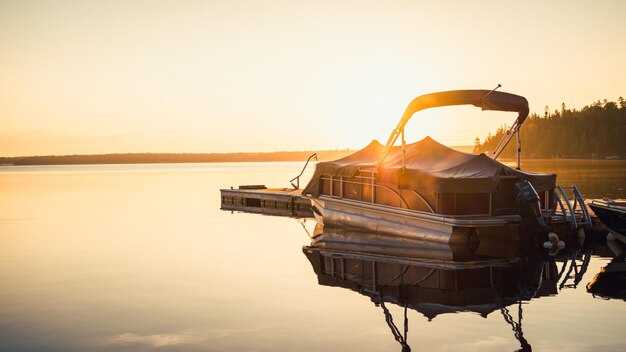 Houseboat Living – Explore the Unique Life on the Water">

Start by securing a long-term moorage in public marinas with licensed operators. In amsterdam and other cities with dense canals, this setup gives predictable electricity, water, and waste services, plus built-in safety protocols. A steady moorage reduces drift risk and helps you plan utilities for a comfortable year-round life.
Most long-term moorage contracts set a fixed annual fee plus utilities. Typical base rates for a mid-size houseboat in a public marina range from €2,000 to €6,000 per year, depending on moorage width, access to electricity, and proximity to public transport. With careful resource use, you can save on heating and electricity by upgrading insulation and using a compact heat source. Operators require safety inspections each year to prevent hull damage and ensure insurance coverage, helping you avoid expensive repairs and keep your quarters safe.
Make the most of the water lifestyle with smart design for the long term. Use a wide deck, modular furniture, and stackable storage to expand quarters without clutter. When you perform tiny repairs, keep marine epoxy, marine-grade mortar, and weatherproof sealant on hand to address leaks quickly and avoid permanent damage to fixtures. A small battery bank and solar panels keep you powered during public transit gaps and maintenance windows.
Inspect and upgrade regularly to prevent damage and maintain safety on the water. Schedule annual checks for hull integrity, battery health, and waste systems. If you notice corrosion or water ingress, address it immediately to prevent permanent damage and preserve resale value. Keep a reserve fund to cover unexpected repairs; taking a proactive approach saves months of disruption and helps you stay permanently afloat even during low-water years.
Plan for community and mobility, not only shelter. Learn the local rules for moorage, waste, and public access; talk with operators to understand expectations and fees. For long-term living, pick a city with reliable public transit, stable water levels, and active houseboat associations. Using these guidelines, you can take a balanced approach–combining steady routines with flexible routes–and make your life on the water more predictable and enjoyable.
Houseboat Living Guide

Confirm your license and ownership with the marina before you buy a houseboat; this guarantees a legal waterfront slip and reliable access to utilities.
The most practical way to start is to map three options: private marina with full hookups, public dock with limited services, or a floating home with licensed access. A 徹底的な check of local authority rules will set expectations and help you choose the right path. youll need to verify insurance requirements and whether your slip permits seasonal occupancy.
Costs vary by region, but plan for a monthly total that combines mooring, electricity, and maintenance. Approximately $300–$900 monthly is common in many coastal markets; this isnt a fixed figure and may rise with utilities or services. Include regular pump-out service every 4–6 weeks and winter heating costs; you can cut seasons by tightening insulation and upgrading vents.
Maintenance should be scheduled: check hull integrity, battery health, plumbing, and the engine if motorized. Regular checks prevent costly surprises. For propulsion-equipped houseboats, budget $1,000–$3,000 annually for major upkeep; for non-motorized, expect less but still regular inspections of pumps and holding tanks.
When selecting a vessel, inspect insulation, water storage, and heating capacity. Ask for a recent survey and verify that the license is transferable or that ownership documents are clear. This isnt the time to skip due diligence; a strong paperwork package reduces risk and protects your waterfront rights.
Practical steps: request a copy of the slip lease, confirm emergency contact procedures, and outline a plan for regular waste management. The goal is to balance comfort with compliance, so you can enjoy evenings on deck without surprises.
Factor in seasonal changes: short winters may require additional heating, while rain increases pumping-out frequency. If you wish to upgrade, some marinas offer upgrades to energy systems or solar kits for houseboats; check if the license covers such modifications.
Budgeting for Houseboat Living: Upfront Costs and Monthly Expenses
Exactly plan your preparation to keep costs predictable: determine upfront costs within a clear window and lock a monthly budget that covers ongoing moorings, utilities, and maintenance. Think about what comfort you want in the quarters, choose an ideal berth layout with efficient space for houseboats, and drive decision making with real price data rather than guesses.
Upfront costs typically include vessel purchase or lease, professional survey and inspection, moorings deposits, insurance setup, safety gear, permits, and any interior work needed to make the space liveable. If you target eco-friendly upgrades–like LEDs, solar pre-wiring, and efficient heating–you reduce ongoing bills and improve long-term comfort while respecting centuries of waterfront design traditions.
| Cost category | Upfront cost (CAD, approximate) | 備考 |
|---|---|---|
| Vessel purchase or lease | CAD 15,000 – 150,000 | Size and condition drive price; barges and houseboats vary widely |
| Survey and inspection | CAD 500 – 2,000 | Hull, machinery, and electrical system checks |
| Moorings deposit and setup | CAD 1,500 – 5,000 | First month’s fees; check restrictions on long-term tie-ups |
| Insurance (hull/liability) | CAD 800 – 2,500 | Annual premium; compare multi-policy options |
| Safety equipment and upgrades | CAD 400 – 2,000 | Life jackets, extinguishers, fenders, bilge pumps |
| 許可とライセンス | CAD 50 – 500 | Local restrictions may require additional permits |
| Electrical/rigging upgrades | CAD 1,000 – 6,000 | Shore power, battery banks, solar pre-wiring |
| Interior work (berth, quarters, designs) | CAD 2,000 – 20,000 | Repairs, refits, layout optimization |
Ongoing monthly expenses typically include moorings or marina dues, electricity, water, heating, fuel, routine maintenance, insurance renewal, waste disposal, internet and phone, and groceries. Plan CAD 800–2,000 for moorings, CAD 100–400 for utilities, CAD 60–200 for insurance, CAD 50–150 for fuel, CAD 20–60 for waste, CAD 40–100 for internet, and CAD 200–600 for maintenance. Keep costs afloat with a reserve equal to 3 months of fixed expenses to cover spikes in repairs or fee changes. If you want mobility and comfort, invest in an eco-friendly setup that reduces energy use and maintenance over time. In Canada, restrictions on moorings or channel access can require you to adjust your schedule and locations, so build a flexible plan and keep an eye on wider berthing options and mobility strategies.
For the final decision, record all estimates in a single budget sheet, track actuals monthly, and update your plan when mooring terms change or utility rates shift. This approach keeps you informed and ready to live aboard with confidence.
Selecting the Right Vessel: Size, Hull Type, and Layout Considerations
Start with a 36–40 ft displacement boat as your baseline. That size typically fits most european moorings and canal profiles, offering a comfortable living area without sacrificing drive responsiveness. This size helps you move between towns with fewer adjustments. Over years of ownership, you’ll gain a reliable platform for free movement between rooms while maintaining ease of handling on busy waters. The maximum draft stays manageable, expanding your mooring options between towns, and you’ll feel steady in a chop. In europe, licence and registration rules vary by country, so include licence readiness in your preparation plan.
Size aside, target a two- to three-cabin layout and a single main kitchen; for larger crews a second compact kitchenette is an option for guests (kitchens). This arrangement preserves free movement between the living area, sleeping quarters, and the galley, while keeping the deck layout open. Prioritize storage with under-bed drawers and overhead lockers to reduce clutter and support ownership. Check your local rules for mooring and waste management, and plan for cooking, laundry, and guest use during preparation.
Hull choice drives stability, draft, and cost. A displacement monohull with a shallow draft excels on rivers and canals, offering predictable handling and lower operating costs. A catamaran provides more deck space and reduced roll, making interiors feel larger, but carries higher upfront and ongoing mooring fees. in europe, mooring rules vary by country and waterway; ensure your licence category matches the vessel type before purchase. If you expect frequent movement between harbours, a balanced mono or catamaran typically covers most routes, while avoiding routes with restricted beam. there are cheaper options, but verify long-term costs and find the best balance for your planned trips. For fixed berths, check quay conditions; if you dock on brick or mortar bases, confirm the foundation and backfill are suitable to support the hull and lines.
Layout planning reduces risk and stress. Create a clear flow: a central corridor, a compact engine space, and a sheltered entry. For long-term ownership, map refits, water supply, and waste systems; confirm your local mooring rules and licence requirements before purchase. Inspect hull coatings, anodes, mooring lines, and anchors; factor in refurbishment for kitchens or bathrooms. A realistic preparation budget helps avoid surprises and keep your dream afloat, even during peak seasons. Your local harbour master can help you verify the maximum draft and berth size, so you can find an ideal berth that suits your boat and budget.
Onboard Daily Life: Cooking, Sleep, and Storage in Small Spaces

Start with a compact galley around 60–70 cm wide, featuring a two-burner stove, a small oven, and a slim fridge (40–60 L). This setup lets you cook with a single workspace while keeping leftovers and prep items within reach as you move along the deck. In narrowboat designs, position the counter on one wall to keep a navigable passage clear. powell emphasizes that the popularity of houseboats comes from freedom of movement, but the best layouts still balance safety, ventilation, and storage. If you retire to a boat that will stay residential, this approach still delivers solid function where meals happen on a tiny footprint.
Cooking efficiently in a tight galley hinges on a simple workflow and sturdy, space-saving equipment.
- Stove and heat: choose a two-burner unit about 60 cm wide with a dedicated vent and a heat shield between heat sources and walls.
- Fridge and cooling: opt for a 40–60 L fridge, with a top-opening door for easy access during movement; keep frozen items in a small freezer drawer if possible.
- Water and drainage: install a 15–25 L daily-use water tank with gravity-fed drainage from the sink to a dedicated grey-water catch, reducing the need to move around while cooking.
- Storage within reach: add a pull-out pantry, magnet strips for spices, and wall-mounted baskets to keep dry goods visible and accessible.
- Prep surface: use a fold-out or sliding counter extension that increases work space during meal prep without crowding the walkway.
Sleep on a boat requires deliberate planning to minimize disruption from movement and temperature swings.
- Bed options: a fixed double around 135–150 cm by 190 cm works well, or a convert-to-sofa setup for guests; ensure a breathable mattress and low-profile headboard to avoid bumping during night turns.
- Placement: midship cabins experience less motion, improving sleep quality and reducing fatigue after miles traveled in a day.
- Under-bed storage: build drawers or shallow bins beneath the bed to store seasonal textiles, off-season clothing, and bedding for winter use.
- Shading and warmth: thermal curtains and a lightweight duvet system prevent heat loss; in winter, supplement with a compact diesel or propane heater rated around 1–2 kW.
- Ventilation: keep a small vent or hatch open during the night to manage condensation and maintain air quality without significant heat loss.
Efficient storage is the backbone of daily life on a boat, letting you live comfortably with limited square footage.
- Vertical solutions: install tall cabinetry and wall-mounted lockers that stretch to the ceiling to use every inch of height.
- Multi-use furniture: benches with hinged lids or drawers, and a bed that can shift to reveal a sizable chest of drawers beneath.
- Compartments for gear: dry bags and bins tucked into stern or bow lockers keep hoses, lines, and cleaning supplies organized and out of sight.
- Seasonal gear rotation: rotate winter and summer gear so you don’t permanently crowd living spaces; use labeled boxes for quick swaps.
- Spare flat surfaces: keep a slim, magnetic cutting board on the wall and retractable hooks for coffee cups to free counter space.
Toilets and water systems require clear planning to avoid disruption and maintain comfort on a small crew.
- Toilet choice: cassette toilets save space; composting toilets reduce grey-water discharge and are popular on houseboats where access to pump-outs is limited.
- Placement: locate the toilet near the midship, adjacent to the bathroom area if possible, to minimize plumbing length and keep odors contained.
- Waste management: empty cassette every 1–3 weeks depending on use; composting systems may require more frequent aeration but dramatically reduce pumping needs.
- Ventilation: install a dedicated vent fan to control moisture and odors, especially in compact bathroom compartments.
- Maintenance: schedule an annual check of seals, hoses, and the waste system to prevent leaks and keep the system reliable where you spend most of the year.
Winter readiness and annual maintenance ensure continued comfort and safety on residential houseboats, where the living space is as much a hull as a home.
- Insulation: add multi-layer bulk insulation behind walls and in cupboards, plus insulated curtains to cut heat loss by 20–40% in colder months.
- Heating strategy: a compact 1–2 kW heater or small diesel heater provides steady warmth; use a programmable thermostat to save fuel and keep the cabin around 16–20°C overnight.
- Water and pipes: keep faucets and hoses frost-free with heated lines or insulation; drain non-essentials before prolonged freezes in winter nurseries or remote stretches.
- Hull and systems: perform an annual hull check and inspect prop shafts, bilge pumps, and the engine if included; on a permanently moored boat, schedule these checks around the cold season when activity slows.
- Climatic considerations: winter mooring spots should still be navigable and accessible; plan around restrictions and keep a backup route for storms or ice conditions.
Living on houseboats offers the chance to convert a compact space into a fully functional home. Where you dock around a network with approximately 2,000 miles of navigable waterways, you can develop routines that support a comfortable, independent life that still respects local rules. For many, the setup lets you balance daily needs with the freedom to travel–without compromising essential comforts. If you are exploring this path, consider how each design choice aligns with your daily rituals, your annual travel plans, and whether you want to retire to a fixed home on the water or roam to new spots each season. This approach supports a sustainable, enjoyable onboard life that can remain delightful for years to come.
Safety, Maintenance, and Utilities: Power, Water, Waste, and Inspections
堅牢な電力計画から始めましょう。可能な限り陸電に接続し、整備の行き届いたバッテリーバンクを維持し、ピーク需要に対応できる信頼性の高いバックアップ発電機を用意してください。このセットアップにより、照明、航行、ポンプ、冷蔵に安定した電力を供給し、停電時でも快適に過ごせます。すべての重要な回路を考慮して計画を立て、乗組員が最も使用するものをメモして、場所に応じたエネルギー使用を最適化してください。.
電力、安全、およびメンテナンス
- 陸電と安全性:耐候性のインレット、船舶用定格のコード、および適切なサイズのブレーカーを確保してください。ガルバニックアイソレーターを使用し、定期的にテストして、船体および艤装品周辺の船体腐食を防止してください。.
- バッテリーバンクとインバーター:コンパクトな居住スペース向けには48Vで300〜600Ah、より大きなレイアウト向けには12Vで600〜1,000Ahを目安とします。堅牢なBMSを装備し、充電状態を毎日監視し、バッテリー収納スペースを換気してください。緊急時に備えて、予備のバッテリーを1つか2つ常時保管することを検討してください。.
- 発電機と燃料:一般的なニーズには、5〜8kWの静音ユニットを選択してください。オイルは50〜100時間ごと、または1年ごとに交換し、発電機は月に15〜20分稼働させ、燃料は承認された容器に入れ、熱と湿気を避けて保管してください。.
- エネルギー管理:照明、冷蔵、ポンプ、電子機器の負荷分散のために、負荷スケジューラまたはスマートパネルを設置してください。季節変動を予測し、回路の過負荷を避けるために、それに応じて使用量を調整してください。.
水システムと廃棄物処理
- 給水と濾過: 次の給水まで乗組員が十分な飲料水を確保できるよう、多段フィルター(堆積物とカーボン)と40〜60psiを維持する圧力ポンプを設置してください。タンクは6〜12ヶ月ごとに消毒し、バイオフィルムのリスクがある場合はUV浄水器を検討してください。このセットアップで、毎日手軽にきれいな水を利用できます。.
- 逆流防止と配管の完全性:陸水接続には逆流防止器を設置し、ホースにひび割れがないか点検し、5〜7年ごとにホースを交換してください。エンジンや船底スペースの周りでホースが通っている場所には、ホースの周囲に軟化箇所がないか監視してください。.
- 廃水と衛生設備:ボートの長さに合わせたサイズの貯留タンク(中型ハウスボートでは一般的に約80~200ガロン)を使用し、使用量に応じて1~4週間ごとに汲み上げのスケジュールを立ててください。未処理の廃棄物を排出しないでください。通気ラインを পরিষ্কারにし、船体周辺の汚染を防ぐために、ハル貫通部からの漏れをチェックしてください。.
検査、規制、および維持管理
- 船体、艤装品、安全索:船体の継ぎ目、船体貫通部、および海水コックを3~6か月ごとに点検し、腐食、亀裂、または湿気の侵入がないかを確認します。アノードとプロペラシャフトシールを点検し、バルブと緊急遮断装置をテストします。必要に応じてドック入りを検討してください。.
- 電気安全:すべてのGFCIコンセントをテストし、配線絶縁の湿気を確認し、接続を締め付けてください。バッテリー接続を確認し、BMSを監視し、CO蓄積を防ぐためにエンジンルームの換気を確保してください。.
- ガス系統と器具:プロパン/天然ガス管と検知器の点検、レギュレーターの確認、供給管の整備を少なくとも年1回実施してください。ホースは5~7年ごとに交換し、消火器はすぐに取り出せる場所に保管し、有効期限を確認してください。.
- ビルジとポンプ:ビルジポンプを月1回作動させ、動作を確認する。フロートスイッチをテストし、アラームが居住エリアから聞こえることを確認する。.
- 安全装備と記録:救命胴衣、救命浮環、消火器を見直す。乗組員と緊急時対応手順を再確認する。整備記録をつけ、発見事項を乗船者全員と共有する。点検中に発見された問題を記録し、その記録を修正や改善に役立てる。.
- 規制とコンプライアンス:規制は場所、マリーナ、国によって異なります。ドックサイドでの変更を行う前に、現地の規則を確認し、数年に一度、専門家による船舶検査を受けて、船体とシステムの徹底的な評価を検討してください。.
係留、法的事項、保険: 許可証、ドッキング規則、補償範囲
停泊前に許可証と保険を確認してください。港湾管理者、マリーナの運営者、および保険会社に確認して、必要な許可証、賠償責任保険、および停泊中に携帯する必要のある書類を確認してください。.
水上生活に合ったマリーナを選ぶのに役立つ5つの要素:許可証、ドッキング規則、保険、料金、そして電気や水などのサービスへのアクセス。.
許可証とドッキングの規則は、市役所やマリーナの管理機関から発せられ、国によって異なります。ベルギーでは、航行可能な運河が都市近郊のマリーナに流れ込み、古い船と新しい船が同じ水面を共有しています。はしけとモーターボートが場所を取り合うため、事前にバースを確認し、計画に含めてください。.
保険:船体、対人賠償責任、および積荷に対する補償を含めること。居住用船舶の場合は、係留作業および装備品盗難に対する賠償責任を追加すること。保険契約がオフサイトでの緊急事態、牽引、および水難事故をカバーしているか確認すること。.
料金は都市やマリーナによって異なり、一般的な係留料金は月額200~700ユーロですが、主要都市や人気の港の近くでは料金が高くなります。バースの価値は、利用可能なサービス、内部スペース、および住宅の状態によって異なります。大規模なマリーナには、5つ以上のサービス付きバースがあることが多いですが、地方のドックでは、より低い料金で提供しているところもあります。ボート上の住宅は、保険料やメンテナンススケジュールにも影響を与えます。.
実践的なチェックリスト:明確なドッキング規則があるマリーナを選ぶ; 許可証を確認する; 保険の必要性を確認する; 価格と契約期間を見直す; 居住空間のための電力、水、廃棄物サービスを評価する。これにより、冒険好きな居住者は自信を持って計画し、当局との摩擦を最小限に抑えることができる。.
国を越えて、ハウスボート住宅は何世紀もの歴史を持ち、現代の係留は自由と説明責任のバランスを求めています。許可証、ドッキング規則、および保険を優先することにより、賑やかな都市のマリーナで穏やかな係留生活の可能性を維持できます。.