


 日本語
日本語  English (UK)
  Русский
  العربية
  한국어
한국어  Magyar
  Türkçe
  Español
  Čeština
  Svenska
  Português
  Ελληνικά
  Suomi
Suomi  Nederlands
  Română
  Italiano
  Français
  Polski
  Українська
  Deutsch
  简体中文
简体中文  Slovenčina
 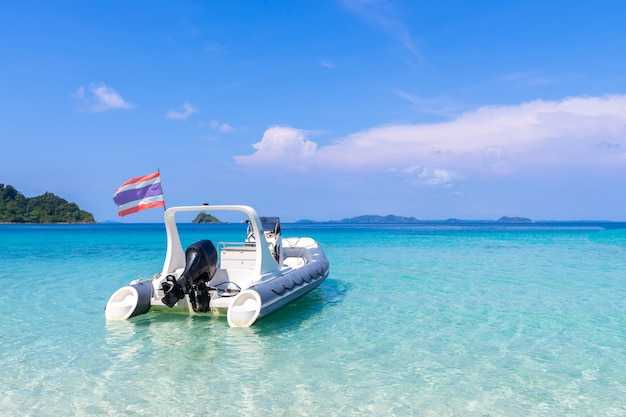 Exploring Captiva Island by Private Boat Charter – The Ultimate Guide">

Start with a half-day inshore cruise to test weather, sample scenery, assess crew quality, and gauge size of your party. Keep risk low, then book longer hours if conditions stay favorable.
In naples, marinas offer multiple options, ranging from quick skiff hops to full-day lake-and-backwater routes. Some marinas concentrate on inshorenearshore passages, others expand to backwater creeks with mangroves. Depending on size of your group, months in season, and weather window, you can pick a popular option or a smaller size test leg–often a two-hour or four-hour schedule.
Reviews from steven and other captains were frequent and informative, showing most clients value flexibility, frequent updates on weather, and timely departures. A well-run trip keeps guests comfortable and focused on wildlife, backwater mangroves, and inshore shoals, with a quick route to shore or hop between popular bays.
For family groups, size matters: smaller yachts deliver intimate access to shallow coves; larger vessels accommodate six to eight guests with shaded decks and seating. During peak months, popularity rises; most operators book weeks ahead, so check reviews and compare options to avoid overpaying. naples operators often offer morning and sunset slots, with an emphasis on safety and crew expertise.
In addition to day trips, some operators provide backwater explorations that focus on resident wildlife and salt marches. If you prefer a longer horizon, consider a half-day plus a follow-on if weather allows. Itinerary options include inshore channels, backwater creeks, and nearshore reefs, with flexible routes depending on currents, wind, and tides. Marine life sightings vary by time of year, so reviews from months prior give a good forecast.
Choosing Your Captiva Island Private Boat Charter
Target a captain-led vessel sized for your party and budget; ensure the skipper is certified, the rate is transparent, and availability is confirmed in writing.
Consider a fleet that includes 25–30 ft center-console models and 35–40 ft multi-hull craft; these options work well for mangroves and shallow channels, while offering popular comfort and opportunities for comfortable day trips aboard.
Safety first: USCG-certified captains, trained crew, properly sized PFDs, and a current insurance policy; the team should monitor conditions, and you couldnt ask for a clearer safety briefing before you depart.
Trip planning with guides should cover tarpon hotspots, mangroves, estuaries, and coastline views; ask for itineraries that balance wildlife viewing with fishing or sightseeing, and confirm how often routes are adjusted for tides.
Budget guidance: set a prime cap on daily spend, include fuel surcharges and dock fees, and clarify whether gear rentals or permits are included; request a written quote to avoid hidden costs.
Good questions: crew experience on this coast, typical trip durations, safety record, and what is included in the package; determine whether private arrangements exist or if you are renting a ready-made itinerary, then compare several operators against the same criteria–these questions are very practical.
Booking tips: use a reputable operator with recent reviews, provide the requested details in the form–first-name, surname, and contact info–and lock in a refundable deposit where offered.
Logistics: choose a meeting point near the coast, verify parking or transfer options, and discuss weather policy; источник of real-time updates from the operator and local advisories helps you adapt trips there.
For close-in access, a compact ding can be used to reach shallow coves; check whether the ding is supplied and how it affects the overall schedule.
Pre-Trip Checklist for Captiva Island Private Boat Charter
Recommendation: lock in knowledgeable guides and a licensed skipper 4–6 weeks ahead; summer weekends fill quickly, and permits can take time to process. In your form, require first-name for each guest and collect last names; ensure everyone is accounted for.
Target mangroves, backwater channels, and islands in your plan; plan offshore options as a backup to keep the schedule flexible and reduce chance of weather disruption.
Documentation and permits: ensure each guest has a valid photo ID; carry vessel insurance details and a copy of the rental agreement; if you want to fish, secure local fishing permits where required. источник knowledge: guides provide practical advice.
Budget and renting: expect 600–1,200 USD for small boats with a captain; 1,800–3,500 USD for mid-size to offshore capable boats; check what is included and factor in fuel surcharges and gratuity. included items usually include life jackets, cooler, ice, and basic safety gear; confirm with the operator before departure.
Gear and safety: bring a digital copy of the manifest, water, sunscreen, hats, polarized sunglasses, snacks, and seasickness remedies if needed. Ensure everyone has a PFD that fits; double-check that the charter includes a working VHF radio and basic first-aid kit.
Packing list: water, sunscreen, hat, lightweight rain layer, snacks, dry bag for valuables, towels; plan for a half- or full-day layout and confirm if snorkeling gear or fishing gear are included or rented.
Itinerary planning: coordinate with christopher and myers, known guides in the west coast area; an ideal plan targets calm mornings along mangroves and backwater shores, with offshore options if conditions allow. Summer windows tend to be great for wildlife viewing and quiet coves; be ready to adjust based on current and tide.
Logistics and contacts: share the town marina meeting point and city pickup location; ensure a reliable means to reach the guide on VHF; confirm what is included and what you need to bring; this fosters smooth communication and reduces surprises for everyone, avoid slam changes late in the day.
| Item | Details |
|---|---|
| Guides and skipper | Booked 4–6 weeks ahead; christopher and myers are known in the west coast area; ideal for mangroves and backwater routes. |
| Documentation | Photo IDs for everyone; first-name field in manifest; истоknown source: guides provide practical advice; fishing permits if applicable. |
| Budget and renting | Typical range 600–1,200 USD (small boats) or 1,800–3,500 USD (mid-size/offshore); confirm included items and possible surcharges. |
| 安全装備 | Life jackets for everyone; VHF radio; basic first-aid kit; rescue throw bag; ensure items are included in the package. |
| Gear and supplies | Snacks, water, sunscreen, hats; dry bag for valuables; towels; snorkeling gear if offered by operator. |
| Itinerary plan | Target mangroves, backwater channels, and islands; offshore option if weather allows; west-coast dawn departures during great summer windows. |
| Logistics | Meeting point in town marina; share plan with port authorities; confirm contact details and backup plan. |
Best Times for Tarpon on Captiva and What to Expect
Target May through July, with a fall window in September through October. Bite tightens on incoming or outgoing tides and around new and full moons. Schedule 2–3 hour sessions near high tide. In this inshore corridor, tarpon move between barrier islands along a west-facing shore where bait concentrates, creating an unforgettable ride.
Where to fish: west-facing shorelines, inshore channels between islands, and passes by marina basins. These options are popular and accessible to visitors and locals alike; reviews from seasoned anglers highlight how early starts and tide awareness boost success.
Seasonal expectations: average catches range 60–120 pounds, with 100–180 pounds not unusual during peak migrations. Speckled backs and explosive runs are common on this coast. Fort-area channels offer tight action during May–July, while fall windows in September–October sustain steady bites on inlet bends. Only a few days yield daylight drama, so plan around forecasts.
Gear and tactics: tarpon are a premium species for inshore anglers; use 7–8 ft fast-action rods with 20–60 lb braid and 60–100 lb leaders. For most trips, 40–60 lb mono or fluorocarbon leaders also work, plus topwater or soft-plastic plugs in 3–4 oz. Cast ahead of moving fish, keep tension, and ride the current to avoid spooking speckled fish.
Expert guidance: experts at marina offices and local crews note that questions from first-time anglers are common; knowledgeable teams pair with first-name guides who build quick rapport, turning a potentially challenging day into an unforgettable experience for everyone. Reviews emphasize safety, pace, and consistent action.
Requirements and safety: ensure licenses and any saltwater stamps are current; carry U.S. Coast Guard–approved PFDs, whistle, and signaling devices; accessibility is good for families and solo anglers at major access points.
What to Pack and Dress for a Day on the Water
Dress in layers: moisture-wicking base, light fleece, windproof shell; add a brimmed hat and UV-blocking sunglasses.
Footwear: non-slip deck shoes or secure sandals with a heel strap; avoid thin soles on spray and motion.
Layering for seasons: winter calls for warm fleece and a compact rain layer; summer favors breathable fabrics; year-round keep a light rain jacket handy.
Sun protection: SPF 30+ sunscreen, lip balm with UV shield, after-sun lotion; polarized sunglasses reduce glare on hours of glare-prone water.
Rain gear: pack a compact rain jacket and quick-drying pants; a small packing bag keeps essentials organized on boats.
Hydration and snacks: carry full water bottle; plan 1-2 liters per person and electrolyte mix; frequent sips help maintain focus during long hours under sun.
Storage and electronics: use dry bags; waterproof phone case; spare clothes in a dry bag inside a larger bag; towel for post-dive or swim breaks.
釣り用具(オプション):トラウトやレッドフィッシュを対象とする場合は、軽いタックル、小型のタックルボックス、リーダーを持参してください。ボートの甲板の散らかりを避けるため、ギアを整理整頓しておいてください。.
安全とガイダンス:ライフベストをすべて着用;投げられる浮力具;笛;知識のある船長からの指示に従う;利用可能な乗組員はギアとセットアップを支援できます。.
場所と景観:松に沿った岸辺に位置し、メキシコ湾岸の町近く;マングローブの近くにある日陰は、日中の暑さから避難するのに役立ちます。.
実践的なアプローチ:レビューを見ると、頻繁な調整が快適性を向上させていることがわかります。お土産を収集する予定がある場合は、より多くのスペースを備えたコンパクトなバッグを目標にしてください。風の強さに応じて、重ね着と履き物を調整し、安定した足場を確保します。.
Tarpon Casting Techniques and Boat Etiquette for Private Charters
7〜9号のロッド、30〜50ポンドのフロロカーボンリーダー、そして速沈下ラインを使用してください。ライブベイトまたはルアーを、swflビーチやパスに沿って転がるタロンの20〜40フィート先で提示します。ラインの張りを一定に保ち、長くコントロールされたストリップを好んでください。冬、特に11月には、タロンが西海岸の地域に頻繁に現れます。風と水質が ஒத்து Zeit なら、接続のチャンスです。.
- キャストのテクニック:タロンのストライクゾーンの外側にベイトを置くために、滑らかなオーバーヘッドキャストまたはサイドアームキャストを使用します。最初のストリップを開始する前に、ラインが完全に広がるのを待ちます。
- Cadence: 長いキャストの後、2〜3秒間一時停止し、その後一定のリトリーブを行います。風、水質、魚の状況に基づいてスピードを調整してください。
- プレゼンテーション:ストリップ中、竿先を高く保ち、バイト感度を維持してください。ラインの過負荷を避けてください。絡まりを減らすために、水面から10〜20フィートのリーダーを維持してください。
- ギアの準備:スペアリーダー、フック、バックアップルアーを携帯し、レンタルボートでは、全員がアクセスできる防水ボックスに予備品を保管する。
- ボートのマナー:キャスト用のレーンを幅約18~27メートルに指定します。絡まりを防ぐために、皆、先端の後ろにいるようにします。
- 甲板の安全管理:緩い装備品を固定し、ハッチを閉め、個人用救命胴衣を用意する;他の人がキャストするエリアを歩くのを避ける。
- エンジン管理:タロンがスターンまたは船倉付近に現れたときにアイドル状態にします。魚を驚かせる急激なシフトを避けてください。
- コミュニケーション: 移動と方向転換を通知する; 皆が快適に過ごせるように穏やかな声を使う
- 安全第一:時間、天気、うねりを監視してください。条件が悪化する場合は、操業を一時停止するか、より穏やかなエリアに移動してください。
- 倫理的な扱い: 浅瀬でのネットの使用を最小限に抑えること;最小限の通気で持ち上げてリリースすること;および、もし操食リリースルールが適用される場合は、好みを尊重すること。
- 好みと計画:この航海の船長であるローガンは、安定した航行と、SWFLの西側にある水上景観を楽しむ十分な時間を重視しています。
- 生産的なセットアップ:安定したプラットフォームと十分な日陰のあるモーターボートを選びましょう。長時間の日のために、十分な水とスナックを確保しましょう。
- 偶然と安全: タロンやレッドフィッシュを狙う場合でも、指定されたエリアに留まりましょう。ビーチや Passage には安全なエリアがたくさんあります。
- 時間と条件: 11月の朝はしばしば穏やかな時間帯を提供し、冬の日々は、慎重なタイミングで優れたアクションをもたらすことがあります。
- 出典: ローカルガイドのメモが、穏やかな朝、澄んだ水面、そして親しみやすい群衆を主な要因として強調しています。
- ゆったりとしたクルージングを重視する乗客は、魚が目視でき、タackle が扱いやすい浅瀬のセグメントを楽しむことができます。
チャーターでの地域ルール、潮汐、野生生物の航行

実行前に必ず潮汐表を2回確認し、プランを満潮または上昇潮の時間枠に合わせて調整してください。このswfl沿岸地域の平均的な範囲は、約1.2~2.0フィートで、旬の潮汐では2.5~3.0フィートに達します。渡河は満潮または上昇潮の前後2~4時間に行い、浅瀬の渡河には30~60分のバッファを持たせてください。.
FWCの規則が適用されます。16歳以上の釣り人には、海水ライセンスが必要です。また、沿岸種の漁獲制限を尊重してください。レンタルには書類が含まれており、所有者は保護区域の許可手続きを支援できます。野生動物への餌付けは禁止されています。ターゲットハンドリングは、持ち帰りなしの放流方式に従い、バーブレスの釣り針を使用し、可能な限りすぐに放流してください。ターゲットを水中に保持してください。.
ナビゲーションと野生生物への配慮:松の生息地周辺の内水域にはさまざまな種が生息しています。大型魚の餌食になる時間は、遅春に集中します。群れへの接近は沖側から計画し、騒音を減らしてください。マナティーやイルカに注意し、最小距離を維持します。繁殖中の鳥類を保護してください。産卵地付近では速度を時速5マイル以下に保ってください。ビーチ沿いには無波エリアが掲示されています。.
ギアと安全設備:オーナーはフル装備を提供します。乗組員は、キャプティバレンタルの艦隊から選択できます。特定のドックではバッジアクセスが必要です。ロガンは船上で安全および野生生物に関するブリーフィングを提供します。乱獲や野生生物への危害を避けるために、焦点を絞ったアプローチを維持してください。平均的な条件では、野生生物を危険にさらすことなく、ターゲットのタロンを狙うための多くの機会があります。.
月と季節:沿岸月は、タロンの群れがピーク時に発生します。沿岸での釣りの最も好ましい月は4月から9月までです。対象魚種は季節によって異なります。タロンを捕獲するチャンスは、パスやチャネルの近くで向上します。松の覆われやビーチの近くでの停車を計画してください。地域の規則の完全な遵守を確保してください。.