


 日本語
日本語  English (UK)
  Русский
  العربية
  한국어
한국어  Magyar
  Türkçe
  Español
  Čeština
  Svenska
  Português
  Ελληνικά
  Suomi
Suomi  Nederlands
  Română
  Italiano
  Français
  Polski
  Українська
  Deutsch
  简体中文
简体中文  Slovenčina
 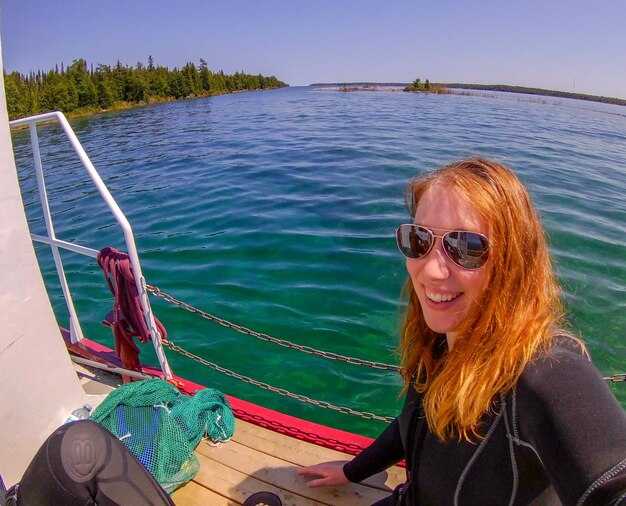 Eco-Friendly Sailing – 10 Practical Tips for Greener Boating">

Recommendation Consider adopting a hybrid or electric auxiliary propulsion and pre-plan routes to minimize engine hours; such choices might noticeably reduce fuel burn on coastal hops.
As your responsible captain, swap single-use items with a durable bottle and refillable containers; avoid throw of plastics and encourage reuse rather than discard.
On passage, an experienced crew should monitor hull resistance and keep wake low, protecting coral gardens; sailing at economical speeds reduces damage, maybe shift to inshore routes during calm days to spare 繊細な ecosystems.
Energy planning matters: switch to LED deck lighting, minimize HVAC use when anchored, and use smart charging to ensure systems stay ready without excess cycles, which ensures fewer generator hours.
In harbor visits, favor mooring buoys over anchors to protect seabed life; this reduces seabed disruption and preserves the first holiday memories of guests aboard a ヨット.
When diving near reefs, respect rules, use reef-safe gear, rinse with collected water, and avoid leaving lines or anchors that might snag fragile life; respect night diving itineraries to avoid disturbing nocturnal species.
Operate with a mindset that offers different experiences and meaningful words of respect while guarding habitats; this approach appeals to guests who crave authentic learning and experience ensures your trip leaves no trace beyond memories.
Practice セーリング navigation, monitor weather, and document experience; this might encourage others to begin their own ecological journey into the sea, because experience ensures mindfulness and this path can offer a model showing how we interact with marine life.
Focused Tips and Practices for Greener Boating and Wastewater Management
Always moor at shoreside facilities whenever possible and deploy a dedicated waste system: keep a sealed holding tank and connect to a marina pump-out; ensure a Type II Marine Sanitation Device is certified. Whether you are cruising short legs or long passages, this setup avoids illegal discharges.
Monitor tank levels, log pump-out dates, and schedule maintenance; use land-based amenities when possible to reduce wake and shore impact. However, keep the data simple and accessible to the crew, including notes on other things that affect the system.
Carry personalised sanitation kits and suitable tools; keep bottles reusable; rinse and refill using onboard water or marina amenities. Be sure labels and seals remain intact.
Minimize waste by choosing biodegradable toilet tissue, avoiding flushable wipes, and keeping water use low; ensure greywater and sink discharges flow into a compliant treatment or holding tank, not into the environment.
Create a personalised crew guide that tracks costs and compares pump-out fees with savings from reduced water use; the reward comes with better shore access and less risk.
Global networks of marina amenities enable exchanging best practices; join local associations that promote waste-water stewardship. Some standards are clear, making real changes; others are vaguely worded, yet still drive practical action across worlds and supports their communities.
Yacht-scale practices: keep energy use to a minimum; install low-flow heads; consider a compact treatment unit; moor near towns to access shared amenities.
Accidentally releasing waste: act quickly–secure the vessel, document the incident, notify the marina, and arrange immediate pump-out; invest in checklists to prevent repeats.
Stay mindful while cruising: when land is near, keep their waste streams contained; avoid littering; maintain intimate relationship with water and land, and back these actions with discipline.
Keep those practices actually making a difference every voyage; whether you are cruising at pace or drifting between coves, those decisions sustain the oceans and reward crews with cleaner ports.
Tip 1–2: Choose cleaner propulsion and cut fuel burn
Adopt a hybrid or electric propulsion system paired with a high‑efficiency propeller to minimise engine hours and footprint. Mindful planning and personalised checks of weight, battery capacity, charging options, and available shore power set the baseline before any voyage on your yacht.
Operate with wind‑assisted progress, targeting 5–9 knots when possible, and keep mainsail up to reduce engine use downwind. Switch engine only when wind drops below a set threshold, freeing the touch of the throttle and keeping reserves intact when seas turn rough.
Limit idle time at marina by planning berthing with shore power ready; check before approach and disconnect after landing to avoid unnecessary engine run. This keeps systems free from strain while you wait.
Align with global climate goals by selecting propulsion options that minimise emissions, optimise trim to reduce drag, and plan a steady cruise around 6–9 knots where hull design allows. Different hulls respond differently; use planning to conserve energy down the passage.
Minimise environmental footprint by avoiding noisy runs near coral and wildlife; hold speeds down when close to reefs, and ensure bilge is emptied only at approved facilities rather than overboard.
In Belize, with delicate reefs nearby, prioritise mainsail work and reduced engine touch; consult local marinas about shore power, stay mindful of nature, and keep footprints small during yachting between anchorage and harbour.
Tip 3–4: Master sail trim and wind-aware speed
Set the apparent wind angle as the anchor of every sail change; trim the mainsail before the headsail, then fine‑tune with the jib so telltales stream evenly on both sheets. Always looking toward the wind, adjust controls to keep the boat balanced and the yacht moving efficiently at a steady pace, minimizing fuel use and hull drag.
- First: establish a clean baseline. On a close-hauled course, tension the outhaul to flatten the mainsail, ease the vang to limit twist, and trim the jib so telltales on the spreader run straight back. Aim for an apparent wind around 25–40 degrees, which yields steady speed without excessive weather helm. Keep the crew alert to gusts off shore and adjust the traveler 0–20 degrees to maintain a balanced helm.
- Second: handle gusts with surgical adjustment. When a puff hits, ease the mainsheet 3–6 inches and spill a touch of jib, then re‑sheet quickly once the gust passes. If the wind shifts forward, bear away slightly; if it shifts aft, trim in and head up to preserve power without luffing.
- Third: maintain twist control and alignment. Use the vang to manage mainsail twist, and keep the boom near the centerline on beam reaches. The headsail should be trimmed so the luff remains smooth while the leech remains engaged; monitor telltales on both sails to avoid flow separation at the luff.
- Fourth: monitor hull and equipment for optimal efficiency. Clean hull and correctly aligned rudder reduce drag, while verifying lines, blocks, and sheets are free of slack. In calm seas, keep oars stowed but ready, and avoid overpowered trim that raises spray and accelerates wear on fittings. If you notice sustained stalling, reevaluate sail area and adjust reef or sail combination.
During yachting along greece coastlines, itinerary planning emphasizes sustainability. They map the route to minimize engine use, keeping the fuel-efficient pace while respecting local regulations. At each country stop, they choose to resupply at a supermarket, swap single-use cups for reusable ones, and pack sunscreens in recycled containers. They also commit to safe waste handling, emptied bilge chambers, and never overboard discharges. Delicate balance between speed and shore‑side needs guides the crew, which in turn keeps the voyage economical and low impact for every crew member and them.
Tip 5–6: Route planning and energy-saving electronics
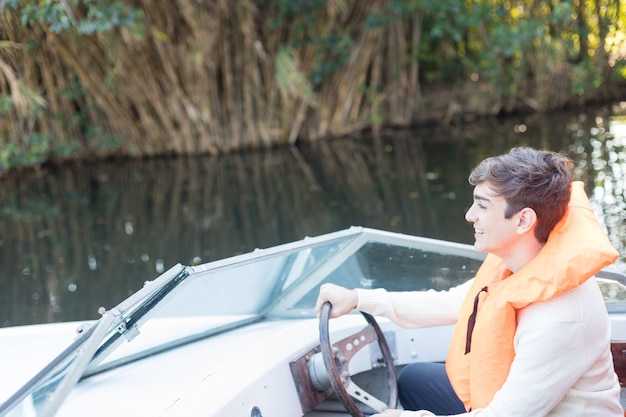
Plan the itinerary with short legs, prioritizing sheltered routes and marina stays to limit engines running time. Being efficient reduces fuel burn; use daylight anchoring when weather allows, and build in landfalls along the route to reduce contingency needs. youre aware of weather and currents, and plan to keep what you like about preferences aligned.
Map two or three different itinerary options using meteo data, currents, and tide forecasts. If youre aware of constraints, note what you like about each alternative, including distance, sea state, and available marina landfalls where you can land to resupply. Both options should keep the same safety margins. They offer a baseline to compare activities aboard and adjust accordingly.
Install a smart energy-management system coordinating solar panels, a high-efficiency charge controller, and engines alternator input to the deep-cycle battery bank. Set daily consumption caps, enable LED cabin lighting, and deploy smart switches that cut idle draws when gear isn’t needed. Consultants can tailor this to your ryas and preferences, ensuring available shore power at marina landfalls is used without oversizing the system, including monitoring of battery state of charge. This wont oversize the overall system while remaining scalable for future upgrades.
The route planning routine relies on natural energy inputs and minimizes activities that drain batteries. Use wind and currents to assist, favor daylight moves, and anchor in sheltered spots with reliable land access. This experience helps them adapt to land-based checks and landfalls, keeping the plan achievable across both legs and reducing the need to restart engines at crowded marinas. being mindful helps ensure that the plan remains feasible that transitions smoothly aboard a yacht and in land operations.
Tip 7–8: Minimize waste and select eco materials
簡単なルールから始めましょう。使い捨てプラスチックをボトルや耐久性があり再利用可能な容器に置き換えることで、毎週の廃棄物を減らします。この選択は、そうでなければ埋め立て地に終わる日々のゴミを減らし、ボート遊びの日にはデッキ上で効果を発揮します。.
デッキでは、柔軟なソーラーパネルを設置して、ボートやクルージング中にデバイスを充電し、エンジンのアイドリングを最小限に抑えます。この簡単なセットアップにより、メインセールシステムがいつでも準備でき、燃料消費を削減します。.
キャビン内では環境に配慮した素材を選びましょう。天然生地、適切な場合は再生プラスチック、竹やステンレス製の食器などを使用します。サンゴ礁を傷つけるような成分を含む日焼け止めは避け、最小限の包装のボトルを選びましょう。使い捨ての道具に頼らないようにしましょう。.
生分解性のウェットティッシュ入りのコンパクトなトイレタリーキットを持ち歩き、可能な限り廃棄物の流れを分け、トイレ廃棄物とキッチンくずを混ぜないでください。港では現地の規制を確認し、船上でのシンプルで家族向けのルーティンを生活しましょう。.
プロビジョニング中、地元のショップでsamboatのプロビジョニングオプションを確認し、最小限の包装のバルクアイテムを選び、重複を避けてください。これにより、廃棄物を減らし、賢く買い物をして、クルージングの散らかりをなくすことができます。.
グローバルサプライチェーンは包装を押し進めるものの、地域社会は地元の、廃棄物をより少なくする選択肢を提供します。シンプルに暮らす、カートンを小さくし、長い旅を楽にするために、ギャレーに一週間のバッファーを保管し、家族連れでグローバルなボートの世界をクルーズします。.
Tip 9–10: 安全な廃水処理と陸上での廃棄
認定された船舶用衛生装置(MSD)を設置し、係留時のみ陸上設備を使用してください。マリーナでの排出は、サンゴ、野生生物、およびその設備を保護し、配慮を示すものです。.
イギリスのヨットとデザイナーズヨットの両方に適したコンパクトなユニットを選択してください。デッキからアクセス可能で、船外機付近での操作に安全であることを確認してください。.
ポンプアウト訪問のマリーナの予約枠との整合性を考慮した一週間の計画を策定します。典型的な費用は1回の訪問あたり$10〜$30の範囲ですが、自家所のタンクやポータブルシステムはサイズによって異なります。.
お店で必需品を買い揃える時間を確保しましょう。潜水旅行や島での滞在の場所やアメニティを事前に計画しておくと、経験上、美しい体験となります。.
乗組員を指導し、廃棄物を最小限に抑え、許可されている場所でグレーウォーターを再利用し、隠れた入り江やサンゴ礁を尊重してください。.
野生動物や水泳者には注意を払い、水泳が許可されている区域でのゴミの発生を避け、アンカリング地や島々での意識的な廃棄物処理習慣を確立し、海への影響を軽減してください。.
沿岸へのアクセスが限られている場合の対処法:ポータブルユニットを使用し、場所を記録し、安全なマリーナやイギリスの港を念頭に置いて、1週間先まで注意深く計画を立ててください。.
この体験は、お客様にとっても乗組員にとっても双方に利益をもたらし、大幅なコスト削減、より安全なオペレーション、そして美しく手入れの行き届いたクルージング・プロファイルを実現します。重要