


 日本語
日本語  English (UK)
  Русский
  العربية
  한국어
한국어  Magyar
  Türkçe
  Español
  Čeština
  Svenska
  Português
  Ελληνικά
  Suomi
Suomi  Nederlands
  Română
  Italiano
  Français
  Polski
  Українська
  Deutsch
  简体中文
简体中文  Slovenčina
  深海釣りギア - 快適さと安全のために何を着るべきか">

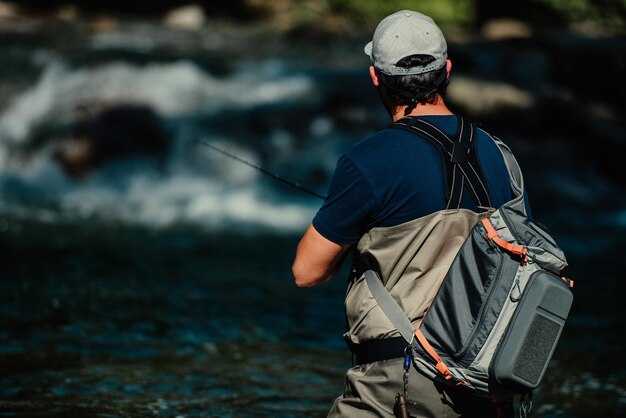
Wear a three-layer setup: a moisture-wicking base layer, a breathable mid-layer, and a waterproof, windproof outer shell. Planning your gear around waters conditions ensures you stay dry and comfortable for hours on deck. The factor you must face is spray and wind shifts, which can come from any direction; staying focused helps you maintain warmth and mobility.
Choose a base layer in merino wool or synthetic fleece, both delivering excellent moisture transport and temperature control. For cooling on hot days, select tops with mesh panels or ventilation zips. This approach keeps you focused on which fabrics perform best and helps you stay comfortable when the deck rocks.
Pair your base with a durable outer shell that is waterproof and windproof, with compatible zippers and storm cuffs. Add a PFD that stays buoyant and a non-slip boot with reinforced toe protection. A sun hat and UV sunglasses protect your face from glare, while gloves with grippy palms improve handling in spray. If brrr wind bites your face, a hood that tucks away reduces cold exposure without limiting vision.
When buying gear, check ratings for waterproofing (mm rating), breathability (MVTR), and seam construction. Compare products based on real user feedback from anglers who fish in similar waters. Whether you fish in cold mornings or warm afternoons, your layers should adapt quickly; keep a compact dry bag with spare socks and gloves for shifts in the day.
Practice dressing on shore to build patience and test comfort before you head out. This routine reduces chafing and adjusts quickly as weather comes and goes, making long shifts more tolerable. The result is a safer, more exciting day on the water for your crew and a gear performance that you can rely on.
Key Clothing and Layering for Comfort and Safety on Saltwater and Freshwater Waters
Wear a breathable base layer under a moisture-wicking mid-layer, and cap it with a windproof, waterproof outer shell to stay comfortable at your fishing spot on saltwater or freshwater. This three-layer setup takes minutes to adjust and reduces chafing, helping you enjoy long sessions without distraction.
- Base layer: choose breathable fabrics such as merino wool or synthetic blends that wick moisture and dry quickly; avoid cotton that holds sweat and leads to chafing, especially under a long day of reels and casting.
- Mid-layer: a light fleece or thermal top provides insulation when mornings are cool, yet remains comfortable within active movement.
- Outer shell: a windproof, waterproof jacket with taped seams and adjustable cuffs; pick a color with high visibility for safety on the water and to help others spot you heading back to the boat.
- Legwear: quick-dry pants or convertible pants with a lightweight liner; ensure range of motion and pockets for the tackle that accompanies your reel, and to take essentials without bulk.
- Footwear and gloves: non-slip, quick-dry shoes or boots; gloves with grip help you reel without friction and withstand spray; consider fingerless options to prevent chafing while keeping dexterity.
- Head and sun protection: hat with a brim, UV-blocking sunglasses, and sunscreen; breathable fabrics keep you cool while you stay alert and ready for the next cast.
- Safety gear: proper PFD worn within easy reach, a whistle, and a well-stocked set of rain gear, spare socks, and a small medical kit; this reduces risks and leads to a stronger day, with strong protection against surprise weather shifts.
- Storage and layering strategy: keep a compact, well-stocked windbreaker or fleece under the seat; design pockets and zippers for valuables, and store the layering system so it’s easy to access when heading out.
- First-timer guidance: for a first-timer, choose simple pieces that fit well, can take a lot of wear, withstand spray, and stay comfortable during long waits; the right gear takes the pressure off and helps you enjoy the day.
- Recreational focus: recreational anglers benefit from versatile apparel that can switch from sun to shade and from calm to windy conditions without bulk.
Practical notes: flat seams and soft edges prevent chafing at the neck, wrists, and underarms; keep your equipment in good condition by rinsing salt after a trip and letting it dry fully. Heading out with a proper plan makes getting back to shore a confident part of your day, not luck; color and visibility reduce the surprise factor when the weather shifts. If a dolphin surfaces nearby, your color and awareness help you stay safe as you manage gear and the reel. With well-designed apparel that withstands spray and wind, you’ll have an unforgettable experience on saltwater or freshwater and avoid unnecessary risks.
Base Layers: Materials that wick moisture and dry quickly
Choose a lightweight merino wool or high-wick synthetic base layer that pulls moisture away from your skin and dries quickly; it keeps your body comfortable when spray and currents chill you.
To build a reliable foundation, target fabrics in the 150–210 g/m2 range with a close-to-skin fit and flatlock seams. That combination delivers strong moisture transport, reduces friction under gloves, and stays comfortable across long days on deck or chasing bites in varying conditions.
- Merino wool (17–19.5 μm): soft next to your skin, excellent moisture management, and natural odor resistance. Look for polygiene-treated options if you’ll wear the same shirt for multiple sessions without washing. Merino dries faster than traditional wool and performs well when the water is cold.
- Synthetic blends (polyester, nylon, and blends with elastane): highly durable, quick-drying, and easy to care for. These fabrics excel in warmer weather or when you’re active, making it easier to stay dry as you cast, reel, and move through currents.
- Polypropylene: exceptional wicking even when damp and lightweight; great for long days when you’re handling bait and gear. It dries rapidly and holds up under repeated washings.
- Blended base layers (merino-polyester or merino-nylon): combine the warmth of wool with the fast-dry performance of synthetics. They give you valuables like durability, reach in motion, and comfort during chumming or line handling.
Patterns and construction matter. Favor fabrics with flatlock or minimal-seam design to reduce rubbing under pockets, gloves, or a wide-brimmed hat. A snug, but not restrictive, cut helps the fabric pull moisture away from your body and spread it across a larger surface area for faster drying. This approach protects you from chill when you pause between casts or when the deck gets wet from spray.
Care features can extend the life of your base layer. Look for fabrics treated to resist odors, like polygiene, which helps your clothing stay fresher on longer trips. Wash with mild detergent, skip fabric softeners, and air dry whenever possible to maintain wicking performance and fit. If you’re on a recreational trip and you come back with damp gear, you have a solid chance to dry it quickly before the next outing.
Practical tips for on-water use: stay ahead of the cold by dressing your core and legs first, then add a mid-layer if wind picks up. Have a spare dry base layer tucked in a dry bag for when you need it, especially during extended chumming or bait handling. A well-chosen base layer keeps you warm without overheating, so you can reach for gear, handle bait, and move with confidence rather than shivering.
In rough seas or when you’re chasing big catches, a fast-drying base layer reduces risks of hypothermia and fatigue. It also improves your overall comfort, allowing you to dress yourself for a long day without sacrificing protection. Wear it next to your skin, pair it with a wide-brimmed hat for sun and salt spray protection, and your clothing will come together to support longer, safer, and more enjoyable days on the water.
Mid Layers: Insulating fleece or knit options for changing depths
Select a mid-weight fleece as your base mid layer for most deep-sea days. It locks in warmth, wicks moisture, and dries quickly after the spray hits the deck.
In selecting fleece, aim for 200–300 g/m2 for a versatile range that stays comfortable as you move from shallow to deeper depths. Microfleece delivers soft warmth with excellent moisture transport, while a smooth outer face helps cut wind when you lean into a breeze on the boat. If you prefer knit comfort, choose a fleece-backed knit or a knit option like Merino-wool blend to balance warmth with breathability. For color, choose a matte, dark shade that hides salt and sun exposure and keeps your kit looking proper after long days at sea. You can find these options in most outdoor shops, and selecting the right color helps reduce glare from the water. Appropriately chosen color also helps you stay low-profile on the water.
Choosing mid layers for changing depths hinges on air-trapping warmth and moisture management. A fleece mid-layer excels here, while a knit option like Merino stays warm even when damp. Recreational and experienced anglers use this same setup whether game fishing in open water or chasing bigger pelagic targets; layer under a windproof shell when the weather shifts, and you’ll stay comfortable through miles offshore. Pair your gear with a wide-brimmed hat to reduce sunburn on bright days, and you’ll worry less about skin protection on long, sun-soaked days at sea. It helps you become comfortable as you descend through changing depths. It takes seconds to adjust if the direct heat from sun comes and you feel a chill when you dive deeper–this flexibility is what makes mid layers so valuable on a boat.
faqs note practical tips: keep the base dry, adjust your layers to temperature swings, and replace a stiff or damp layer promptly. If you notice the wind biting or you’re taking long hours on the boat, add a thicker knit or a 2nd fleece under your outer jacket. The plan works for both recreational and professional crews, with the same approach that helps you adapt to a rapid drop in temperature as you go deeper into the deep-sea zone. The risks of neglecting proper layering show up as cold hands, reduced dexterity, or sunburn when you peel off warmth too soon after a surprise front moves in.
| Layer option | Best use | Pros | Considerations |
|---|---|---|---|
| Fleece mid-layer (200–300 g/m2) | Most days at sea, shifting depths | Warm, moisture-wicking, dries fast | Less wind protection than a shell; pair with windproof outer |
| Knit mid-layer (Merino-wool blend) | Cool mornings, damp air | Warm when damp, breathable, odor resistant | Heavier when wet; cost |
| Hybrid fleece-knit | Variable weather | Good warmth with stretch | 適切なフィットが必要。やや高価になる場合がある。 |
アウターシェル:風や水しぶきを防ぐ防水透湿ジャケットとパンツ
まずは明確な選択肢として、フルシームテープ処理を施した3層構造の防水透湿性シェルと、キャップの上からでも被れるストームフードを備えたものを選びましょう。. 深海探査旅行では、水しぶきを防ぎつつ内部の湿気を逃がし、長時間の移動でも快適に過ごせるよう、最低でも10k/10kのスペックを目安にしてください。.
同じシリーズのジャケットとパンツを選ぶことで、 сухость と движения のシームレスな融合が обеспечивается, デッキでの長い一日をより快適なものにしてくれます。 キャスト、リール、ネット作業時に窮屈さを感じさせないよう、立体裁断された袖やストレッチ素材の生地を探しましょう。.
フィット感は重要です。腰回りがずり上がらず、中にシャツを数枚着込めるサイズを選びましょう。袖口とフードがしっかりフィットしているか確認してください。フードは、スプレーや強風の中で視界を確保するために重要であり、長時間の見張りの際の軽微な擦れを最小限に抑えます。風の強い時には、これらの機能を使って身を守りましょう。.
優先すべき機能:調節可能な袖口、通気性を高めるインナーメッシュベント、ストームフラップ付きジッパー、そしてドライに保てるポケットを検討してください。パンツは、水しぶきを遮断するアンクルガセットまたはブーツ対応の袖口を備えている必要があり、これらの要素は水しぶきに対する信頼性の高い保護を提供します。.
携帯電話の安全対策:携帯電話は防水ポケットやジッパー付きのポーチに入れ、釣り人としては、他の道具も濡れないように保管し、必要な時にすぐに取り出せるようにしておきましょう。.
お手入れ方法:水しぶきがかかった後は、真水ですすぎ、直射日光を避けて自然乾燥させてください。必要に応じて撥水コーティングを再度塗布し、水滴や水はけを良好に保ってください。.
デッキでは、風の強い状況を想定して、通気性の良い吸湿発散性のあるシャツをシェルの下に重ね着し、釣り中に餌を交換したり、ラインをチェックしたりする際に快適に過ごせるようにしましょう。.
履物と靴下:滑り止めソール、足首のサポート、速乾性のある生地
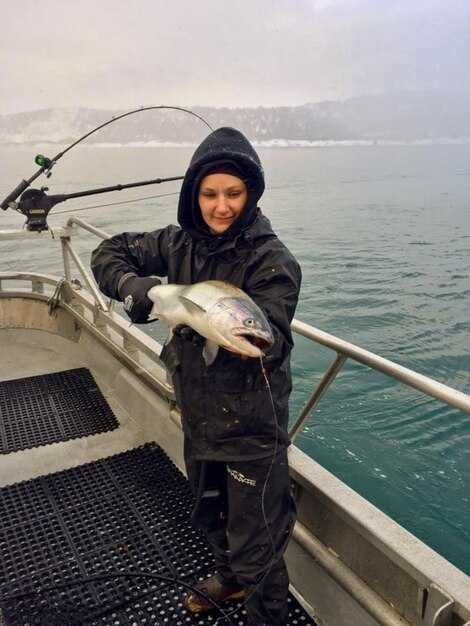
揺れる濡れた甲板で安定した足場を確保するために、滑り止めソールと足首をサポートする靴を選びましょう。風や波しぶきの中では、安定した足場が滑りや怪我を防ぎ、ギアの取り扱いを安定させます。過酷な甲板の状況下でも保護された状態を保つ靴を探しましょう。それは、ラインが引っかかる動きを軽減する、ぴったりとしたフィット感の証です。.
濡れた路面でもグリップ力を発揮する深い溝とサイピングを施したラバーアウトソールを選び、アッパーが濡れた後も素早く乾くようにしましょう。塩や日光に強く、天候に適したフットウェアを選び、速乾性のある生地やメッシュパネルを選んで素早く乾かしましょう。.
湿気を逃がすように設計された靴下と組み合わせ、綿は避けてください。防臭加工が施された吸湿発散性のある靴下を使用。冬の暖かさにはクルー丈、暑い日にはアンクル丈を選びましょう。合成繊維またはウール混紡素材は速乾性があり、足を保護します。.
スプレーで濡れた時に交換できるよう、替えの靴下をポケットやボートのコンパートメントに入れておきましょう。航海後は毎回、真水で履物を洗い、塩分を取り除き、直射日光を避けて風通しの良い場所で乾燥させ、臭いの蓄積を防ぎましょう。.
お子様には、軽量でグリップがしっかりしていて、大物を釣り上げている間もほどけにくいシンプルな靴紐の靴を選びましょう。大人の方は、長時間の作業中に擦れを防止するため、つま先の余裕と踵のフィット感を確認してください。.
ボート上の耐候性ポケットに靴を乾いた状態で保管しましょう。追加の靴下、餌袋、ラインツールなどを収納できます。足の臭いが移らないように、すべて足元とは分けて保管してください。.
適切な靴下と靴は、晴天時も風の強い日も快適さを向上させ、足元の疲労を軽減し、ラインの扱いから餌の狙いまで、あらゆることに集中できます。さらに、気温が下がった際には長袖のレイヤーと組み合わせることで、長時間の作業における疲労軽減に役立ちます。.
地域の規則と免許要件を確認し、天候に適した装備と信頼できる履物を組み合わせましょう。.
頭、手、顔の保護:帽子、手袋、サングラス、SPF対策
つば広のUPF 50+帽子から始めましょう。風の強いデッキでもぴったりとフィットし、ずれにくいものがおすすめです。顔、耳、首を保護する基本であり、あご紐がついていることで、滑りやすい水しぶきがかかった際にも紛失を防ぎます。初心者にもベテランの釣り人にも理想的な選択肢です。つばが日差しを遮り、このシンプルな保護具が一日の方針を定め、過酷な海洋環境での快適さを優先するのに役立ちます。.
UV400保護機能付きのプロ仕様の偏光サングラスを選びましょう。ラップアラウンドフレームは水面や空からの照り返しを抑え、視界をクリアにし、目の疲れを軽減します。海面の強い照り返しには、カテゴリー3のレンズが強力な保護を提供し、ストラップやクイックリリースリテーナーは滑りやすいデッキでのサングラスの落下を防ぎます。この対策により、水上での長い一日をより強力に目を保護して過ごせます。.
グローブは手を強力に保護します。ロープや魚を掴むために、ネオプレンまたは合成皮革でできた、手のひらに滑り止め加工が施されたフルフィンガーグローブを選びましょう。指の柔軟性と、水しぶきを防ぐためのしっかりとした袖口があることを確認してください。前腕を覆うスリーブは、塩水や日焼けから保護し、一日中ギアを扱う際の快適さを保ちます。.
SPFのカバー率は重要です。露出しているすべての肌(顔、耳、首、手の甲)にSPF30〜50の日焼け止めを塗ってください。2時間ごと、または汗をかいた後、タオルで拭いた後、水に浸かった後はすぐに塗り直してください。耐水性の製剤を選び、露出する15分前に乾いた肌に塗り、日中は必要に応じて塗り直してください。よくある質問については、鼻と耳にSPF50+を目安にし、太陽が当たる露出した皮膚をすべて覆うことを忘れないでください。このアプローチは、従うことができる簡単な手順を提供し、緊急の影が必要な場合や突然のスコールに見舞われた場合にも役立ちます。.
服装と服装戦略は、一日中快適さを保ちます。通気性があり、速乾性のある生地、UPFが組み込まれた長袖シャツ、柔軟性を保ちながら脚を保護する軽量のパンツまたはショーツを選びましょう。ネックゲイターと軽いウィンドレイヤーは、強烈な水しぶきや寒さに対応します。このアプローチにより、あなたはスマートなギアのモデルのように見え、チームが適切な保護を真似る間、模範を示すことができます。適切に行えば、あなたのギアは忘れられないものとなり、どんな外出にも対応できます。.