


 日本語
日本語  English (UK)
  Русский
  العربية
  한국어
한국어  Magyar
  Türkçe
  Español
  Čeština
  Svenska
  Português
  Ελληνικά
  Suomi
Suomi  Nederlands
  Română
  Italiano
  Français
  Polski
  Українська
  Deutsch
  简体中文
简体中文  Slovenčina
  Cruising Schools – The Future of Education Aboard Cruise Ships">

Recommendation: キールボート上で12週間のモジュール式学習プログラムをライセンスに基づいて開始し、規模拡大前に若者のスキルと費用対効果を検証する。.
基本 操船術、航海術、安全に関する規則がカリキュラムの根幹を成し、結び方、ロープの扱い方、気象の解釈から始まる。実習ではデッキ上でのリアルタイム評価を行い、進捗は knots 漂流予測、および初期作業は見やすく監督しやすいよう船首に配置。.
コスト構造:参加者一人当たりの費用は通常、基本モジュールで2,000ドルから4,000ドルの範囲であり、機器、安全装備、およびオンボードでの監督が含まれます。スポンサーシップは料金の30〜50%をカバーでき、個人の費用を削減します。ライセンスの更新、スタッフのトレーニング、および船舶のメンテナンスを継続的な間接費として検討してください。実践的でキャリアに役立つスキルを求める子供や若者の間で、採用が強化される可能性のあるリターンがあります。.
カリキュラム設計 基本から中級のタスクへの進捗に焦点を当て、参加者は子供または若者として扱われ、個別学習計画が個々のペースをサポートする。, glance デジタルログによる進捗状況に応じて、フィードバックループが軌道修正を行い、メンターが安全性と能力をリアルタイムで監視します。経験は、以下と整合します。 潮汐の サイクルと潮流;利用 キールボート 沿岸沿いの作戦行動のため。新規グループの開始時期は、学校の学期および海洋遺産イベントと連携させ、常に最前線での指導を確実にする。.
評価と拡張:地域路線や異文化プロジェクトへの展開を見据え、能力は完全な記録として文書化されている。学習者は、基本的な航海、ナビゲーション、気象の解釈、緊急時の対応を修了する。評価はテストだけでなく、実践的なタスクを使用する。修了すると、地元の海事当局による認定など、次の段階に進む資格が得られる。計画には、提携大学や地域プログラムに沿った、ネクストステップのオプションが含まれている。.
bootclub: Cruising Schools 編集概要
推奨事項:6つのモジュール式プログラムは、小型ボートでの実践的な練習と陸上拠点を組み合わせ、コンパクトなスキルラダーと明確な検証ステップで固定されています。価格帯は家族に適合し、各マイルストーンはサインオフを受けます。デュッセルドルフのセンターからのガイドが参加し、一貫性を確保します。休暇期間を利用して、子供たちは島への旅行で場所を探索し、スキルを試すことができます。.
- 対象読者と目的:8歳~14歳の子どもたち;広い海での自力での問題解決と航海術に焦点を当てる;チームワークとコミュニケーションを実践する場所に合わせたコンテンツ。.
- プログラム構成と手順:6つのステップで構成され、各ステップで水上実習、陸上での復習、および小規模プロジェクトを実施します。風と光の条件下でのロジックをテストするためのセーリングifドリルを含みます。.
- カリキュラム:キール操作、ボート制御、信号と発声、航海術の基礎、気象の解釈、艇の記録。.
- センターとガイド:場所を越えたネットワーク、装備と練習ドックを提供するセンター、多言語を話すガイド、モジュール終了時のサインオフプロトコル。.
- 評価、検証、価格設定:ベースラインテスト、中間レビュー、最終評価;参加者ごとの価格注記;グループ割引オプション;デジタルバッジと印刷された証明書で進捗を検証。.
- 水上ロジスティクス:休暇期間中にスケジュール;島への日帰り旅行;練習用小型ボート;センターが軽量ギアを供給;保護者には週次レポートで最新情報を提供。.
- リスクと報酬:安全第一のチェック;困難だがやりがいのある学習経験;スキルアップの進捗を記録し、あらゆる節目を称えよう。.
この概要は、拠点とガイドのネットワーク全体で、実践的な探求、スキル構築、検証可能な成果を重視しつつ、離島、休暇期間、および子供中心の目標に対して柔軟性を維持します。.
海洋教室のためのカリキュラム設計
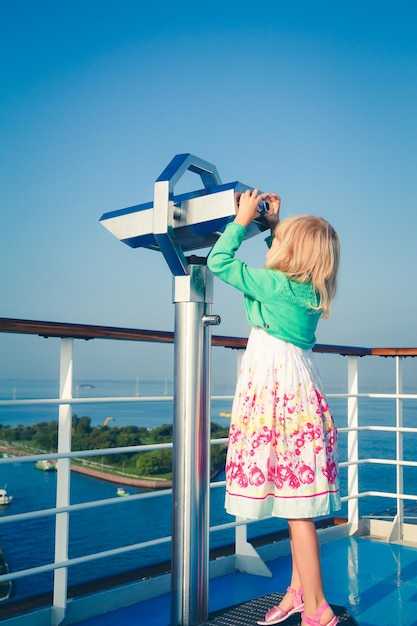
航海術の基礎、船舶システム、そして操船訓練という3つの柱を中心に構成された、モジュール形式の通年カリキュラムを導入し、モジュールを大西洋横断ルートや島嶼探検に合わせて調整する。.
明確な進捗を確立する:基礎レベルが中級タスクに先行し、その後、上級ミッションへと進む。各段階で、学生は船員、見張り、航海士、または甲板機関士としての役割をローテーションし、当直中に海図を確認する。通常、サイクルはモジュールごとに6〜8週間続き、年間2〜4サイクルが可能となる。.
カリキュラム設計は、学際的なモジュールを織り交ぜるべきである。例えば、作図のための数学、風と浮力の物理学、島の地理学、航海史。ボート、ヨット、大西洋横断航路からの事例研究を用い、港湾計画も手短に見ていく。.
アセスメントは、キール、風の読み、天気解釈に関する実践的なタスクと、スキッパーがレビューしたログを組み合わせたもので、その結果は教材本体のモジュールの反復的な改訂に反映されます。.
ロジスティクスと設備:デッキ上の教室と、天候が穏やかな時に利用できる可搬型ステーション(天候が許す限り); 装備には、深度計、コンパス、ロープ結び用具、防水ログブック、気象観測機器、風速計、修理キットなど; 十分な採光と教材へのアクセスを確保; 多言語による安全標識の設置を検討。.
教員とスキッパー:実世界の航海経験を持つ専門家を採用する。異文化コミュニケーション、安全プロトコル、適応的な指導法に焦点を当てた継続的な専門能力開発を提供する。学生の経験に合わせてシナリオを調整し、良好な学習成果を生み出すことができるように講師を育成する。ほとんどのセッションでは、理論と訓練を組み合わせ、学習を強化する。.
予算編成と登録:通年プログラムの学生一人当たりの費用を算出し、アイランドホッピングや大西洋横断便を活用して学習時間を最大限に増やし、地域トレーニングハブ出身者には奨学金を提供します。.
デッキログを使ったスケジュール管理:授業と航海のバランス
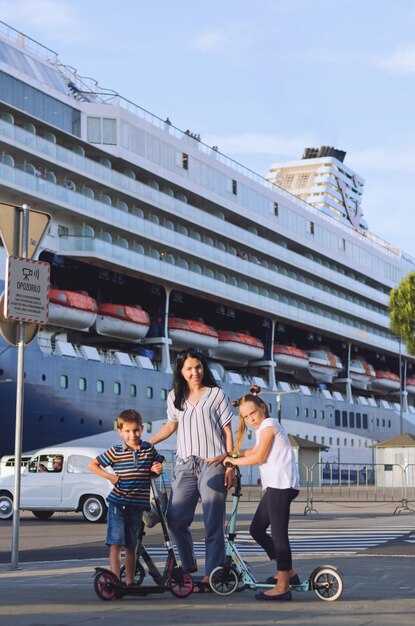
まず、スケジュール作成の基礎と航海(寄港地の時間枠、風の予報、航海日誌に基づく)を組み合わせたローテーションプログラムから始めます。午前中はコアとなる授業、午後はセーリング実習の時間に設定します。サイクル初期からルーチンを確立することで、一貫性を維持できます。.
授業ブロックに合わせて目的地や海岸線を地図に落とし込み、カリブ海ルートや海外区間を記し、現地の慣習が適合する場所や、学習時間を守るための課題バッファーを設けることで、バランスが取りやすくなります。.
甲板日誌は、カレンダーの錨の役割を果たす。風向を読み、開始時間を確認し、ディンギーの動きを追跡するために甲板日誌を使用する。様々な帆走条件下で記録する。.
航海サイクルに基づいた基本カレンダーを作成、地元のインストラクターとブロックを連携、甲板日誌を使って進捗を追跡、風の予報に基づいて調整、プログラムの経済的実行可能性を検証。.
現地の連携がプログラムの質をサポート: 海外派遣のためのドイツ語モジュール; 基礎は知識体系に沿って一貫性を維持。.
| Day | Destination | 航海の窓 | クラスブロック | 備考 |
|---|---|---|---|---|
| Mon | カリブ海のハブ | Morning | basics | 追い風 |
| Wed | 地域の海岸線 | Afternoon | german | 海外拠点 |
| Sat | カリブ海近郊の目的地 | Morning | セーリング | 予行演習 |
評価、認証、単位互換
まず、基礎知識のマイクロクレデンシャルを付与し、中級レベルの実践的なタスクへと段階的に進む、軽量でモジュール式のフレームワークから始めましょう。段階的なセグメントは、能力の証明とともに、公平かつ透明性があるように思われます。.
評価は、理論と実践的な作業を組み合わせたものです。自己チェック、メンターレビュー、オンデッキドリル、そしてスキルの証明となるポートフォリオが含まれます。能力のある学習者は認定バッジを獲得し、初心者は基礎から始めて中級のマイルストーンへと進みます。.
Credit transfer uses a cross-institution ledger, allowing modules to be replaced by alternative proofs during a pilot; local campuses align on program outcomes and issue stackable credits.
Program design weaves volunteer opportunities on deck with sunsail partnerships to transform checkpoints into real-world challenges; knot-tying, tidal awareness, and navigation drills like calibration align with world-class standards.
Quality checks rely on independent reviews, calibration rubrics, and quarterly audits of outcomes; источник данных и düsseldorf standards guide calibration.
Next steps: publish a two-port pilot next quarter, build a cross-port catalog, connect to local programs, maintain light onboarding for beginners, and reward progress with certified badges; point milestones anchor progression.
Technology Stack: Connectivity, LMS, and Offline Access
Recommendation: deploy a dual-network setup combining a robust satellite channel for live sessions with an offline cache for cabins, ensuring study persists during long legs between destinations.
Here is a practical setup that fits a yacht learning program and supports yachting crews as they move through places such as Greece and other routes. To maximize value, pre-download materials and run step-by-step modules so learners can progress during trips even without steady signal.
- Connectivity backbone: primary satellite link (Ka-band) with 20–40 Mbps down when available; coastal 4G/5G fallback; budget cap per voyage to keep expenses in check; implement delta sync to minimize data transfers.
- In-vessel network: high-density Wi‑Fi access points on each deck, mesh backhaul, and split tunnels for LMS traffic; offline caching reduces congestion.
- LMS design: offline-first, lightweight, responsive, and multilingual, including française and french; supports step-by-step modules and clearly defined levels; caches week-long content so learning continues through long passages.
- Offline access: Progressive Web App with encrypted local storage; learners can download courses, quizzes, and certificates for a week or more, and sync results when signal returns; materials include videos, readings, and practical activities.
- Content management: modular materials aligned to levels; creators tag resources by destinations such as greece; ensure materials cover sails, navigation basics, trip planning, and cultural insights for trips.
- Security and privacy: token-based login, device‑level encryption, and audit logs; ensure certificate‑level access to sensitive materials and assign roles for kids, personalized learning, and instructors.
- Cost control: predefined weekly quotas, compress files, and use adaptive streaming to cut expenses; monitor usage per voyage and adjust plan if necessary.
theres a clear link between access speed and knowledge retention. A well‑structured stack makes trips much more productive, allowing personal progress to be tracked, certificates issued after milestones, and week-by-week improvements to become rewarding for kids and adults alike.
- Assess voyage patterns: map trips, ports, and greece routes to anticipate signal gaps and determine offline content needs.
- Define materials library: categorize by destinations, levels, and activities; prepackage key materials for offline download before each voyage.
- Configure LMS with step-by-step paths: set learning paths for each age group, include quizzes, and ensure the system can sync when online.
- Implement security measures: deploy token login, offline encryption, and role-based access for learners, instructors, and guardians.
- Validate with a pilot: run a two-week test on a single voyage, measure cabin coverage, content consumption, and certificate generation; refine caching policy and data plan accordingly.
Staffing, Training, and Student Support on Board
Assign a dedicated Student Support Lead on each voyage to coordinate safety, tutoring, counseling, and progress tracking; ensure direct report to operations manager. Consider cross-training with nearby crews to expand capability.
Staffing needs for a program moving 120–180 learners include: 1 Program Director, 2 lead instructors, 1 Safety Officer, 1 Medical Assistant, 2 tutors, and 1 Equipment Manager. agana based approach places these members near port hubs, which lowers expenses and enables rapid on-site response.
Training plan spans intensive cycles with a mix of hands-on workshops and theoretical seminars. If something deviates, adjust training lanes. Competent instructors drive progress through practical tasks. Staff should obtain yachtmaster credentials or equivalent certifications within 24 days of joining.
On-board tools include navigation software, signaling devices, and safety gear; training equipment such as dinghies for practice, life jackets, and rescue lines. Staff obtain spare parts during port calls to maintain equipment reliability, while drills emphasize body control and coordination. These resources enable near port drills weekly to reinforce practical skills.
Student support includes tutoring, mentorship, and psychosocial resources; everyone can reach a member within minutes; progress reviews occur every two weeks. Because staff know each learner’s goals, these measures build confidence and encourage participation in sport, sports activities, and other hands-on challenges.