


 日本語
日本語  English (UK)
  Русский
  العربية
  한국어
한국어  Magyar
  Türkçe
  Español
  Čeština
  Svenska
  Português
  Ελληνικά
  Suomi
Suomi  Nederlands
  Română
  Italiano
  Français
  Polski
  Українська
  Deutsch
  简体中文
简体中文  Slovenčina
  クリーンボート – 環境に配慮した船員のベストプラクティス">

停泊中または岸近くでアイドリングする際は、排出量を削減し燃料を節約するため、エンジンを停止してください。. often 桟橋から離れる前に適用され、エンジンの排気ガスによる汚染を発生源で削減するのに役立ちます。.
マリーナの施設を利用して廃棄物を適切に処理しましょう。排水は法令順守のタンクに保管し、汲み上げステーションを利用し、地域の清掃活動に参加して、水、砂浜、海岸線を保護しましょう。流出事故を報告することで here そして、あなたの近隣地域で、よりきれいな水と、より健康な地球のために貢献することになります。.
Keep a practical 吸収パッド付きのキット、小型の流出物処理キット、専用の燃料容器、丈夫なゴミ袋を船に積んでおきましょう。デリケートな場所から離れた場所で清掃し、ボート用に指定された施設で廃棄物を処分してください。これは砂や土壌をきれいに保ち、地球を汚染から守るのに役立ちます。.
すべての乗組員に燃料とオイルの取り扱い方法を教育する:シールを点検し、液だれを防ぎ、ビルジソックスを使用して漏れを捕捉する。これ practical このアプローチは、流出を減らし、水質汚染から保護するでしょう。. Looking 改善のためには?これらのステップは、実践的かつ測定可能です。.
マリーナの地元の設備を探し、雑排水や燃料を水域に排出しない規則を遵守してください。不明な点があれば、スタッフや他のボート乗りに尋ねてください。ここでは規則は明確です。流出事故が発生した場合は、直ちに対処し、当局に報告してください。そうすることで、地域社会が迅速に対応できます。.
エンジンのメンテナンス practical メンテナンススケジュール - 定期的なオイル交換、適切な燃料フィルター、および水や海岸線を汚す漏れを最小限に抑えるためのタイムリーな修理。オイルと燃料のレベルを毎日確認することで、航行中の流出のリスクを軽減します。 from 港へ帰る。.
地元のに参加または企画 整理 ボートが利用する水路や海岸から瓦礫を除去する。ゴミを収集し、施設を監視し、汚染や染みのパターンを記録して、問題が深刻化する前に対応する。.
靴の泥を落とそう:水路を守るための実践的なステップ
乗船前に足を拭いて、砂や土をデッキから払い、水に付着させないようにしましょう。この習慣は、航行中に水路に流れ込む可能性のある残留物を減らすことができます。.
小型の廃棄物容器をデッキに置いて、適切な陸上施設で空にしてください。港に廃棄物、ビルジ水、またはエンジン洗浄水を決して排出しないでください。明確なラベル表示は、何が廃棄物として扱われるかを誰もが理解するのに役立ち、敏感な地域への排出を防ぎます。.
毎回走行前にエンジンルームを点検するのを習慣にしましょう。ホースにひび割れがないか確認し、接続部を締め、液体の滴りを吸収する素材を用意してください。定期的な点検は液漏れを抑え、環境保護につながります。.
実用的な環境に優しい洗剤を選び、専用の容器に保管しましょう。こぼれた場合はすぐに拭き取り、すすぎは控えめにして、残留物が水に入らないようにします。これにより、デッキの安全が保たれ、エンジンが海洋生物に与える影響を軽減できます。.
燃料は注意して補給し、甲板ではオイル漏れ処理キットを使用してください。ノズルの位置を工夫して水しぶきを最小限に抑え、甲板を乾燥した状態に保ち、使用済みのパッドはドックに着岸したら廃棄物容器に捨ててください。これらの手順により、地球や水域に流出する可能性のある排出を防ぎます。.
ゴミや食べ残しは、陸上の施設で処分してください。甲板に放置すると、野生動物を引き寄せたり、係留地を汚したりする原因になります。ゴミをきちんと処理することで、マリーナをきれいに保ち、皆にとってより健康的な環境に貢献できます。少しの努力が、水路の保護につながります。.
ドックサイド足拭きステーション:マット、ウエットティッシュ、および看板
通路の外に丈夫な屋外用マット、生分解性ワイプ、そして船員や訪問者を誘導するための明確な標識を設置してください。.
- マット: 屋外用、滑り止め、裏面ゴム付きマット。サイズは2×3フィート(60×90cm)。玄関の敷居の外に置き、靴についた泥、塩、土などを落とす。見やすく、掃除しやすく、つまずかないように平らに保つ。週に一度、水洗いするか、振り落として手入れし、デッキを汚さないように12~18ヶ月ごとに交換する。.
- ワイプ:耐候性ディスペンサー入りの生分解性ワイプ。通行量に応じて1ステーションあたり50~100枚を提供。靴についた泥や石油残留物を除去し、パッケージにプラスチックを使用していないワイプを選択してください。使用後はゴミ箱に捨て、決して水に流さず、乾燥を防ぐためにディスペンサーを密閉するように指示してください。.
- 看板:目の高さに、シンプルなアイコンを使った耐候性看板を設置。手順は、足を拭く、足を乾かす、再入場を明記。読みやすいように高コントラストカラーと大きな文字を使用。必要に応じて多言語のキャプションを追加。通行者と訪問者が、環境保護のため、ここで、そしてあちらで手順に従うように徹底。.
メンテナンスと安全:エリアを整頓し、アクセスしやすく保ってください。燃料や危険な残留物がマットの近くに蓄積しないようにしてください。こぼれた場合に備えて吸収パッドを設置し、速やかに取り除いてください。毎週点検を行い、摩耗したマットや使い切ったワイプを交換してください。ハウスキーピングと環境をサポートするために、海洋に適した製品で清掃してください。すべての航海の後にステーションがリセットされるように、スタッフを適切に訓練してください。.
影響:このステーションは、デブリを減らし、デッキ清掃の時間を節約し、さまざまな環境で環境を保護する可能性があります。船員や乗組員が外部の汚れや燃料に気を配り、責任あるボート遊びや港のエチケットをサポートします。一貫した結果を得るためには、すべての乗組員とゲストによる使用を徹底する必要があります。.
デッキマットとブラシ:再乗船の前に汚れをキャッチ
コンパニオンウェイに適切なデッキマットを設置し、その横のラックに硬いブラシを取り付けます。これにより、再乗船前にゴミや水分を捉え、後方の汚れを減らし、デッキ表面を汚れから守ります。.
乗組員全員が実行できる、30秒の簡単なルーティン:マットに乗り、両足のかかとからつま先までブラッシングし、デッキに降りる。この簡単なプロセスで、汚れが船室や濡れたグレーチングに広がるのを防ぎ、乗組員全員が快適に過ごせるように船をきれいに保てます。.
お手入れと廃棄は簡単です。生ごみを容器に入れて適切に廃棄し、使用頻度が高い場合はマットとブラシをすすいでください。マットは日陰で素早く乾きます。.
生分解性繊維またはリサイクルプラスチック製のデッキマットを選びましょう。ハッチの縁やレール金具の裏でカビが発生しないように、滑り止め加工が施され、速乾性のある素材を探してください。中性で環境に優しい製品で定期的に清掃することで、繊維が傷まず、あらゆる表面のチーク材、グラスファイバー、プラスチックの染みを防ぐことができます。.
船乗りやゲストにとって、この習慣は心地よい日課となり、滑りの危険性を減らし、室内の汚れを軽減します。また、デッキの金具や縁の摩耗を防ぎ、道具の寿命を延ばし、乗組員によるデッキのメンテナンスを容易にします。.
| Item | Material | Eco-friendly | 気遣い | 備考 |
|---|---|---|---|---|
| デッキマット | 生分解性繊維またはリサイクルプラスチック混合素材 | Yes | 水ですすぎ、自然乾燥。週に一度、くずを払い落としてください。 | 滑り止め加工は必須 |
| デッキブラシ | 硬めの合成毛、リサイクル可能なハンドル | Yes | 使用後はすすぎ、吊り下げて乾燥させてください。 | 耐塩水噴霧性 |
| マット&ブラシキット | 組み合わせ | 生分解性繊維か再生プラスチックか | Monthly cleaning; replace worn brushes | Easy to install near companionway |
Shoe Swap Protocol: switch to boat-friendly footwear at the hatch
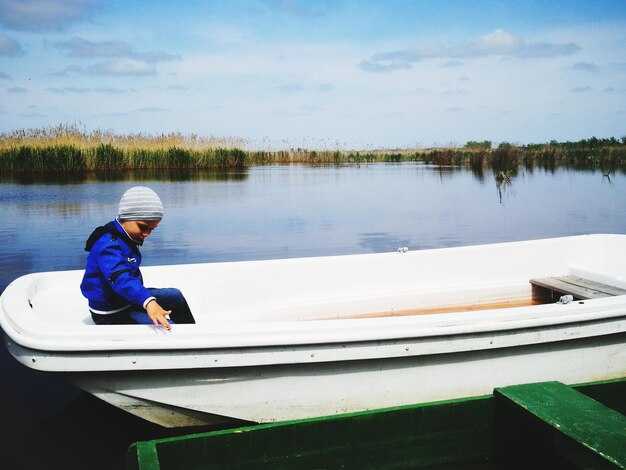
Recommendation: Switch to boat-friendly footwear at the hatch as you board. Keep a compact pair of non-marking, soft-soled shoes at the hatch for immediate swap onto deck. This practice makes housekeeping easier and keeps the deck unsullied by drips.
- Designate a hatch-side station with a small, weatherproof mat and a labeled hook or bin for the spare pair.
- Choose non-marking, slip-resistant shoes with quick-dry materials; look for green certifications or recycled-material options where available.
- Wipe the soles before stepping onto deck to remove sand and grit; this reduces wear on deck coatings and lowers towing rope snag risks.
- Embed the swap into daily boating routines; this practical step works well, taking under 30 seconds and paying back in cleaner surfaces.
- Dispose of worn footwear ashore; avoid letting wastes reach the water and other maritime spaces.
- End each outing with a quick check: the swap station is stocked, the deck is dry, and the shoes are ready for the next voyage.
Benefits include a more efficient flow on deck, less drips on walkways, and a greener footprint for boating operations. Spills can be cleaned promptly; if a spill seems vanishedbut the residue remains, a brief wipe restores the surface. This protocol aligns with green housekeeping practice and keeps the deck pristine for guests and crew alike, addressing safety, comfort, and ocean stewardship.
Rinse Off Mud at a Dockside Station Before Reboarding
Rinse mud off at a dedicated dockside station before reboarding to keep decks dry and protect marine environments.
Start with boots and gear: knock off excess mud, brush the soles, then use the station’s spray for a proper rinse. Use a cup or small bottle to splash water into crevices and repeat until the remains fade.
Apply biodegradable soap only if necessary, and keep it in dedicated bottles. Use a sponge or brush and rinse thoroughly with clean water. If you are filling a container with rinse water, seal it promptly and keep it away from the fuel area to prevent contamination.
This routine increases awareness among boaters and makes protection of environments a daily practice. It prevents sediment from entering waters and helps every voyage stay cleaner and safer, and can save water when you rinse efficiently.
Keep little amounts of soap and rinse water on hand, store cups and bottles properly, and reboard with dry gear. After reboarding, wipe surfaces and ensure the deck remains tidy; remains of mud may be vanishedbut careful rinsing minimizes any trace. The dock stays cleaner, the boat stays ready for the next trip.
Crew Briefings: quick reminders and visual cues for foot hygiene
Install a dedicated foot-wash station at the gangway and require crew to scrub feet before boarding. Keep the station stocked with soap, a bristle brush, and a rinse bucket, and assign dedicated maintenance to keep taps clear and the mat dry.
Use color-coded cues: a green mat means clean feet, red indicates dirt, and there is a simple sign with icons to guide those boarding, which reduces cross-contamination between outside decks and the cabin.
Quick routine: wipe feet on the dry mat outside before stepping aboard, then scrub with soap for 20 seconds, rinse, and dry with a towel. When you notice a drop on the deck, wipe it immediately; if grime falls, wipe and rinse.
Protecting the marine environment starts with small habits: catch drips and discharges at the mat, keep heavy mud out of the galley, and avoid carrying debris toward the engine room. Green cues signal youre protecting the ocean and marine life, which benefits all crew.
Make the briefing a 60-second routine in boarding, use a laminated card, and run a quick drill during pre-departure. Those steps often cut dirt and keep dishes in the galley cleaner, while reinforcing green practices across the fleet. Apply the same routine at home port to keep standards consistent.