


 日本語
日本語  English (UK)
  Русский
  العربية
  한국어
한국어  Magyar
  Türkçe
  Español
  Čeština
  Svenska
  Português
  Ελληνικά
  Suomi
Suomi  Nederlands
  Română
  Italiano
  Français
  Polski
  Українська
  Deutsch
  简体中文
简体中文  Slovenčina
 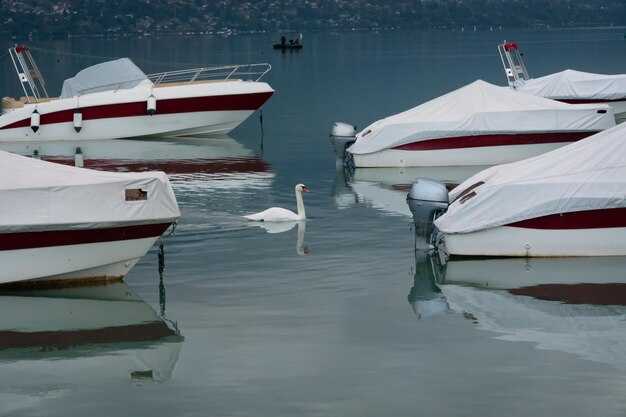 Center Consoles vs Bay Boats – What’s the Difference">

Recommendation: Make decision easy: choose a versatile single-station rig if angling near shore and family outings drive patterns; this setup delivers clean deck access, faster maneuvering, and lighter handling in chop.
Analysis: Several design cues determine how each style handles conditions. A wide gunwale or cockpit access improves casting margin; models that offer floodable livewells improve bait management; in skinny-water crawls, hulls with shallow draft and high bow clearance excel, making it easier to reach coves when wind shifts gear. Because weight distribution matters, you will notice better balance when loads stay even; strength of hulls shows in chop, waves, and foul weather. skinny conditions demand cautious approach.
Performance notes: In ocean conditions, hull shape matters most; primary strength lies in beam, flare, and bottom design. More detailed builds place gear racks, livewells, and bilge systems within reach of both sides. Machines such as trolling motors, pumps, and electronics thrive when harnessed to releasable fittings; because this layout reduces reach, anglers spend less time adjusting rigs and more time fishing.
Branding and practical picks: In boston yards, craftsmen make two profiles for coastal ventures: lighter, easier-to-move rigs for day trips; heavier, tougher builds for long runs. Boston-origin workshops supply detailed options with durable livewells, wide-access compartments, and machines built for reliability. For anglers whose technique leans toward skinny-water exploration, surface clearance and shallow drafts matter more, since smooth control reduces stress during coves and inlet approaches. Their preference often skews toward minimalist decks, so gear stays accessible in tight coves. Beyond trends, these builds primarily serve ocean work, delivering strong strength when gusts hit and splash rises, while keeping gear organized for rapid adjustments.
How they differ in design, use, and performance
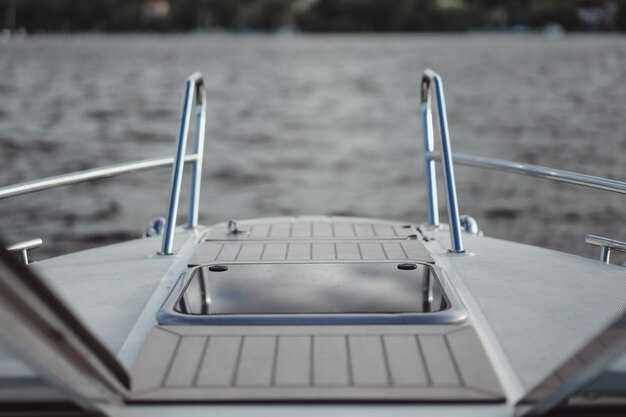
Recommendation: select a slim planing hull with built-in livewells, foam-filling buoyancy, ample cockpit space, and helm ready for quick action; such choices boost fishability, easy handling, and stay ready in tidal or turbulent environments for most buyers who fish actively.
Hull forms drive use. A skinny, wide bottom excels in skinny water, offering easy footing and quick response away from shore; a deeper V pierces chop, delivering a smoother ride in turbulent seas.
Cockpit design matters. Open layouts maximize casts; built-in lockers around helm keep gear dry and ready in environments. Each feature–from livewells to dry storage–adds invaluable value for a day of fishing. Expert operators appreciate simpler ergonomics that reduce fatigue, with better reach to controls. Buyers think about reliability.
Buoyancy and stability. Foam-filling delivers ample buoyancy, reduces roll in waves, and keeps bottom contact predictable. thats why buyers seek hulls with ballast features; expert engineers balance weight to fit needs across calm inlets and tidal currents.
Bottom design specifics. A skinny deck lowers windage and fits into shallow tidal flats; a deeper keel reduces spray and improves bite on rough seas. Foam-filling surfaces complement stability, delivering invaluable margin when gust hits helm.
Bottom line on performance. Planing hulls accelerate briskly but may demand more horsepower; foam-filled, broader profiles hold planing at lower speeds, delivering easier starts. In turbulent currents or tidal channels, a hull built for steady steering reduces fatigue and increases buyers’ confidence.
| Aspect | Open-deck craft | Smaller deep-V craft |
|---|---|---|
| Fishability | Uncluttered casting spaces; foam-filled compartments | Livewells integrated; holds gear in place |
| Buoyancy | Foam-filling common; ample buoyancy | Stable in chop; better spray control |
| Environment suitability | Tidal inlets; calm waters | Handles turbulent water well |
| 主要機能 | Built-in livewells; built-in storage | Easy access helm; low-slung decks |
Hull and deck layout: bow, console placement, and seating options
Recommendation: Position a compact control dash just forward of midline, keeping lines clear while forward decks stay open for anglers. heres a practical rule: this arrangement will enhance efficiency, bring open spaces for friends aboard, and support customization.
-
Bow area
- Anchor locker integrates into foredeck, minimizing clutter and preserving flat casting space on a shallower profile.
- Non-slip decking with smart drainage keeps water down in chop and rougher waters.
- Fold-down seating adds optional guest seats without sacrificing very much open area when next cast is ready.
-
Deck layout and access
- Walkways on each side keep lines away from feet; open access near bow and midship improves reach for lines, rigs, and gear.
- Decks sized to fit typical angler groups, with room to move when friends board.
- Railings and coaming support keep control while rough water increases safety.
-
Control dash placement
- Dash located near midline but angled toward operator, offering clear sightlines to waters and gear while standing or seated.
- Hidden storage under dash holds charts, lines, and tackle; allow optional electronics to be added later.
- Wiring is routed to minimize clutter; expandability for high-end electronics and an improved warranty profile.
-
座席オプション
- Leaning post with integrated rod holders combines rest and access to gear; select cushioning for long runs.
- Elevated bow seats improve sightlines in chop; optional cushions boost comfort on long days.
- Aft benches or modular pods maximize capacity for larger crews; can be removed to bring open space when needed.
-
Customization and durability
- High-end finishes, durable vinyl decks, and robust hardware proudly raise resale value; warranty options cover offshore use with clear terms about coverage.
- Optional livewell sizes, deck color schemes, and layout tweaks can be implemented during customization to fit waters and crew size, making options very versatile. This helps avoid expensive iterations.
- Material choices balance rugged use with light weight; aim to reduce maintenance down the line and keep form intact after years.
Everyday versatility: fishing, cruising, and family outings
Opt for an open-helm layout with ample seating and convertible beds to maximize everyday versatility. Presence of walkaround access keeps passengers comfortable during long rides, while a stable operation reduces motion in turbulent conditions. This configuration makes it easier to shift between serious fishing, casual cruising, and family outings with friends aboard. Though this approach favors practicality, this setup supports frequent visits to nearby harbors, fish camps, and park docks. For everyday fishing, you can keep a ready livewell, rod racks, and helm controls within reach, improving operation under real-world conditions. Start by evaluating a vessel that balances seats, beds, and deck space; youre less likely to stub toes or trip during family outings. Between design choices, both retain significant advantages: presence of weatherproof compartments, superior storage, and a design that remains comfortable under load. Customers frequently report warranty coverage that survives tough use, while solid material choices protect against abrasion on saltwater trips, yet always verify with dealer. Snook bite zones, usable cockpit, and open helm sightlines help anglers stay focused; a vessel with robust railing and stable rails reduces risk. Visit a dealer for a test run, ask about beds for kids, and check that beds are comfortable for overnight stays. Intended use matters: if youre planning long cruises, you want a configuration with open cockpit, easy access to anchor, and solid ride in chop. Between this and that, you get clear message: purpose-built layouts deliver you superior comfort, practical operation, and lasting value. Finally, ensure every purchase aligns with required warranty terms, and consider real-world feedback from friends who own similar vessels. Though a glance at specs matters, field tests reveal which option performs best in turbulent seas, guiding your choice toward maximum versatility.
Weather and sea handling: stability, spray, and ride quality
推奨:近海での使用を優先するなら、幅広の船体とフレアした船首を持つ船を選びましょう。これにより、安定性が向上し、波しぶきが軽減され、非常にスムーズな乗り心地が得られます。.
スプレー対策は、構造と設計にかかっています。考慮すべき要素:より高い乾舷、洗練されたチャイン、そして適切に成形された船体断面は、スプレーが座席にかかるのを防ぎ、釣りの際の視界と快適性を向上させます。.
沿岸から離れた場所では、あらゆる状況下での操縦性が重要になります。近海での釣りには、重量、座席配置、船体の強度のバランスが、容易な操作性をもたらします。安定性を重視した設計は、スプレーの軽減と予測可能な反応を優先する傾向があります。.
堅牢な構造を持つ船体は、波しぶきの中でも優れた安定性を提供しますが、比較的高価です。しかし、特殊なニーズが存在する場合は、その利点が明らかになります。.
一般的な喫水:沿岸用の小型艇で約12~14インチ、中型艇で16~22インチ、大型の外洋艇で24インチ以上。喫水が深いほど初期安定性は高まるが、旋回性と加速性は低下する。.
船体の挙動を理解することで、意思決定の質が向上します。沿岸付近のリスクは様々であるため、座席の快適性、船体強度、および操縦性と合致する設定を選択してください。このアプローチは、不穏な海面での安定した乗り心地へのニーズを満たすのにも役立ちます。.
メンテナンスと維持:清掃、冬季保管、部品へのアクセス
水上での冒険後は、船体、デッキ、および船底をすすぎ、完全に乾燥させ、塩の蓄積がないか点検してください。 潮汐性三角江. 清掃は寿命を延ばし、冬季保管中の腐食を軽減するために重要です。ボストン地域では、港に戻ってから数分以内に洗い流し、フィッティングへの塩分付着を最小限に抑えてください。このシンプルな習慣が、将来の冒険のための価値を維持します。.
洗浄には、滑り止め表面に中性洗剤を使用し、十分にすすぎ、乾燥させてから再度組み立ててください。洗浄後、ヒンジ、ラッチ、船外クランプには耐腐食性グリースを塗布してください。. レイアウト全体で、中間的なケイデンスが存在する。. 中型の機体は共通のメンテナンス頻度を共有しています。定期的な清掃は amenities ライブウェル排水口やフィッシュホールドのように信頼性が高く、検査を容易にし、視認性を向上させます。 each コンポーネントは、計画に組み込まれる場合に重要になります。 浅瀬 経路。このアプローチは非常に実用的です。.
越冬計画 燃料安定化、バッテリーケア、水システム保護、および船体換気を含みます。最初と二番目に何をすべきかを判断し、これらの手順に忠実に従ってください:ガソリンエンジン;タンクを満タンにし、ラベルに従って安定剤を追加し、10分間運転して循環させます。ディーゼルまたはその他の燃料:製造元のガイダンスに従ってください。バッテリーを取り外すか、充電器を維持し、凍結しない屋内で保管し、結露を防ぐために通気性のあるカバーを使用してください。このアプローチは寿命を延ばし、春の再組み立てを容易にします。.
コンパクトな予備品在庫で部品へのアクセスを準備:フィルター、インペラー、シール、ホースクランプ、電気ヒューズ、予備ポンプ。場所をラベルで示し、操舵室の近くまたは乾燥したロッカーに施錠可能なビンに保管し、整備のために取り外しが必要なパネルをメモします。浅瀬環境または河口域では、迅速な船体修理のために追加のクランプとシーラントを携帯してください。予備の代替品と部品番号の相互参照を記載したクイックガイドを含めます。十分な予備部品があれば、乗組員と選択肢について話し合い、ホールドエリアまたはメインの船体構造でより長く水上に留まることができます。この計画は、 ability 返信するには、, know 最初に何を掴むべきか、そして長期間の冒険で勢いを維持する方法。.
コストと価値: 購入価格、保険、そして再販動向
汎用性が高く、人気の高い船体設計を選ぶことで、安定した再販価値が得られます。買い手が市場サイクルを調査する際、主要な価値は、外洋での性能と非常に多様な特性、特に沿岸地域での特性を組み合わせたモデルにあります。.
深V型設計の初期費用は浅型構成と比較して10〜20%高くなる傾向がありますが、長期的には、アクティブな海域での頑丈で勇敢な構造が価値を考慮すると有利になる差が見られます。.
中程度の出力のリグの保険料は、年間800ドルから1,600ドルになることが多く、船体価格とエンジンサイズによって上昇します。エンジンが大きいほど費用は増幅され、控えめなランナーであれば費用を管理しやすいレベルに抑えられます。.
燃費効率、メンテナンスの容易さ、多用途性を兼ね備えたモデルは、主に状態、サービスネットワーク、アフターサポートによって、中古車市場で引き続き高い人気を維持しています。 5年間の減価償却率は、状態、市場、および販売後のサポートに応じて、約20〜30%です。.
外洋での使用を想定した、安定性抜群のオプションは、充実した機能セットを備え、波の中でも比較的価値を維持できます。また、潮流がより荒くなった場合でも、スムーズな操作性を実現します。.
荒れた海域では、勇敢な深V型が有利です。設置面積が限られたモデルは、トレーラビリティの容易さを求める購入者にアピールする可能性があります。.
耐久性とスペアパーツの入手しやすさのバランスを取ることで、長期的な再販をサポートします。さまざまな条件下で構成を維持できるモデルを計画してください。.
需要が高い地域では、オープン市場は実績のある信頼性を重視する一方、より静かな市場では、価格規律とアフターサポートが人気を左右します。.